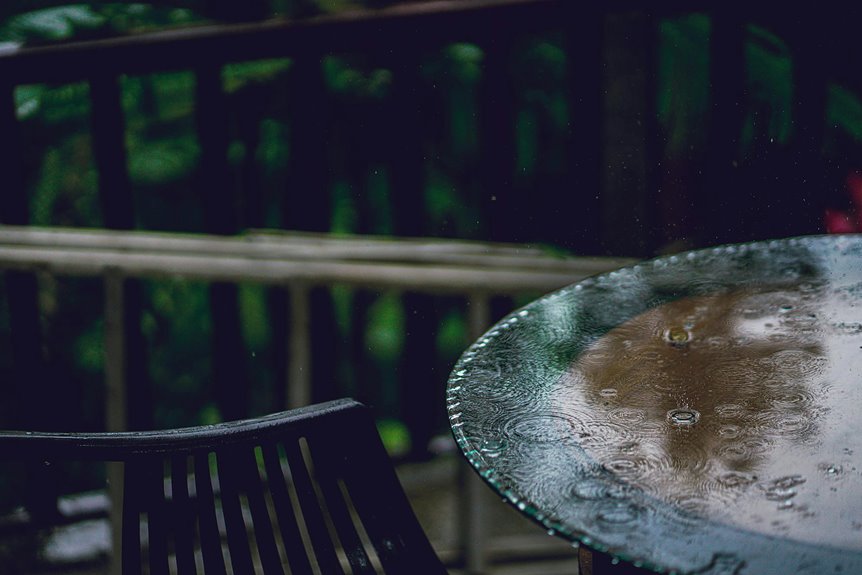
Yes, patio furniture definitely gets wet, and moisture causes real damage over time. I’ve seen wood warp, metal develop rust, and cushions grow mold within just 24 to 48 hours when left damp. The good news is that you can prevent most of this damage with a few straightforward strategies.
Protective Sealants and Coatings
Your first line of defense is applying a protective sealant to wood and metal pieces every 12 to 18 months. For wood furniture, use an exterior wood sealer or spar urethane that creates a water-resistant barrier. Metal pieces benefit from a rust-preventative spray or clear protective coating. These products work by filling in small gaps and pores where moisture sneaks in. You don’t need expensive products—mid-range options from hardware stores work well for most residential patios.
Using the Right Covers
Snug-fitting breathable covers make a real difference in keeping moisture out while letting trapped dampness escape. Look for covers made from polyester with a vinyl backing rather than fully plastic options, which trap condensation underneath. Measure your furniture pieces before buying covers so they fit properly without sagging or bunching. A cover that’s too loose won’t protect effectively, and a cover that’s too tight can damage corners and edges as wind catches it.
Strategic Placement and Air Flow
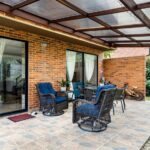
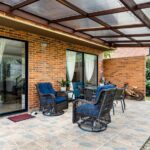
Position your furniture under a shade structure like a pergola, awning, or tree canopy when possible. This keeps direct rain and constant moisture exposure down significantly. Even partial shade helps reduce the amount of time your pieces stay wet after a rainstorm.
After-Rain Care
After rain, wipe down standing water with a towel and let pieces air-dry in sunlight for 4 to 6 hours when weather permits. The sun naturally evaporates trapped moisture and helps prevent mold growth. Remove cushions and bring them indoors during wet seasons—this single step stops most cushion mold problems before they start. Store cushions in a dry closet or shed where air circulates.
Patio Furniture Gets Wet: Protect It From Rain Damage
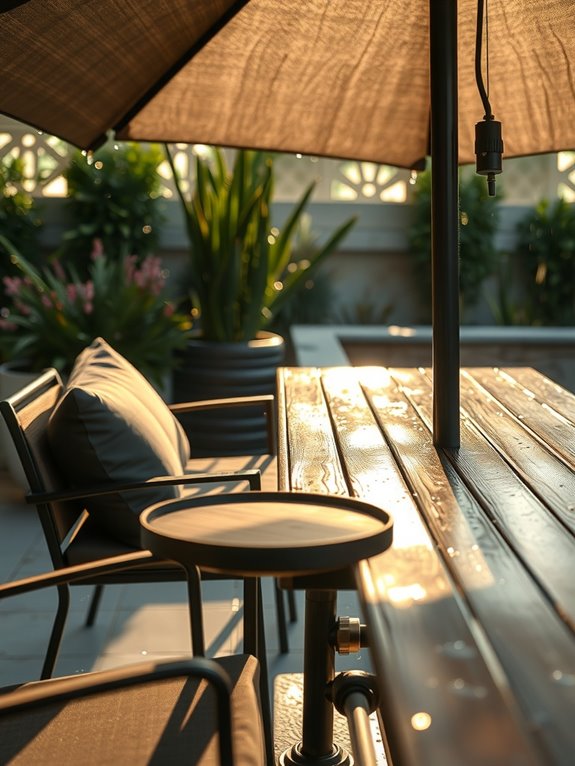
Rain sneaks up on patio furniture owners and causes real problems before you even notice the damage. Moisture gets into joints and seeps through cushion fabric, which leads to fading, rust, and mold growth that spreads quickly. I’ve found that staying ahead of rain damage takes just a few straightforward steps.
Rain damage to patio furniture spreads quickly through moisture, fading, rust, and mold—staying ahead requires just a few straightforward steps.
Covering and Positioning Furniture
I rely on weatherproof covers whenever the forecast calls for rain. These covers work best when they fit snugly—look for ones sized to your specific furniture pieces rather than oversized generic options. If you have space, positioning furniture under a permanent shade structure like a patio roof or pergola keeps rain off entirely and reduces how often you need to pull out covers.
Managing Cushions and Fabric
Wet cushions are where mold problems start. I never leave cushions sitting damp after rain passes because fabric holds moisture deep inside the padding. You have two options: bring cushions indoors to dry in a climate-controlled space, or lay them flat in direct sunlight where air circulation and warmth speed up drying. I’ve also applied water-repellent spray protectants to my cushions, which creates a barrier that beads water away. Most products require reapplication every 6 to 12 months depending on sun exposure and rainfall in your area.
After-Rain Care
Once rain stops, wipe standing water and puddles off hard surfaces using an old towel or cloth. Let furniture air-dry in fresh air rather than covering it while still wet. This prevents moisture from getting trapped underneath covers and creates the damp conditions mold thrives in.
How Does Rain Damage Different Furniture Materials?
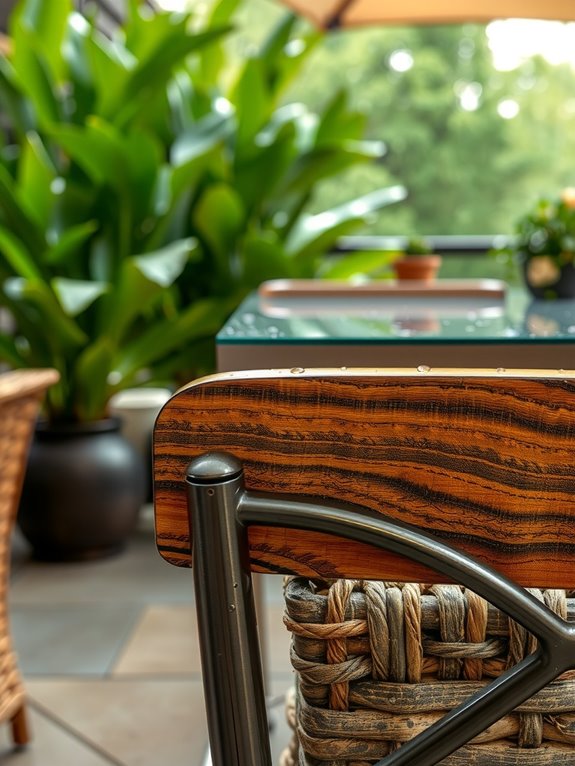
I’ve learned that different materials handle moisture in completely different ways, and understanding these differences really helps protect your investment. Wood furniture like teak swells and cracks when water pools on it for even a few hours. Metal rusts and corrodes without proper sealing, wicker absorbs water like a sponge and warps easily, and cushions with moisture-resistant frames are still vulnerable since waterlogged fabrics breed mold and mildew faster than you’d think.
Let me break down what happens to each material so you know what to watch for.
Wood Furniture
Wood swells when it absorbs water, and this happens quickly. Teak and other hardwoods are better than pine or oak at resisting moisture, but none are waterproof. When rainwater pools on a wood surface for more than a few hours, the fibers expand and can crack along the grain. The damage gets worse if water sits in joints or under cushions where it can’t dry out. A simple step is to wipe down wood pieces within an hour of rain exposure and let them air dry in a shaded spot with airflow around all sides.
Metal Furniture
Steel and iron rust when exposed to moisture, while aluminum oxidizes but doesn’t rust the same way. The rust process starts within days if water sits on the surface without a protective coating. Powder-coated metal holds up better than bare metal, but even coated pieces need care. If you spot rust spots the size of a pencil eraser, you can sand them down with fine-grit sandpaper and apply a metal-safe sealant. Storing metal furniture under a breathable cover during rainy seasons prevents most damage.
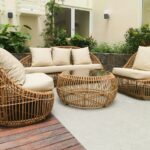
Wicker and Rattan
Natural wicker absorbs water like a sponge and warps permanently once soaked. Synthetic wicker handles moisture much better, but even synthetic pieces can develop mold if they stay damp. If natural wicker gets rained on, let it dry completely in sunlight within 24 hours. Position pieces so air flows underneath and around all sides. Synthetic wicker can usually dry faster and is worth considering if you live in a wet climate.
Cushions and Upholstery
Waterlogged fabrics breed mold within 48 hours in humid conditions. Even cushions on moisture-resistant frames are at risk because the foam inside holds water. Remove cushions as soon as rain starts and bring them inside or under cover. If they do get wet, squeeze out excess water gently and dry them in direct sunlight with good airflow. Store them in a dry location once the rainy season arrives.
Wood Swelling And Cracking
When moisture seeps into wood, it causes the fibers to expand in a process called wood swelling. I’ve watched this happen firsthand: water pools on a tabletop, and within weeks, the wood warps and cracks develop.
How Different Woods React
Not all woods handle moisture the same way. Teak resists moisture damage well because of its natural oils and dense grain structure. Cedar and pine, on the other hand, are vulnerable and deteriorate faster in wet conditions. Their softer fibers absorb water more readily, which means swelling happens quicker and more severely.
Protecting Your Furniture
Apply protective sealants regularly to slow moisture absorption. These coatings create a weatherproofing barrier that shields your wooden patio furniture from rain and humidity. Look for water-based polyurethane or exterior wood stains that are specifically labeled for outdoor use. Most sealants need reapplication every 12 to 18 months, depending on your climate and how much rain exposure your furniture gets.
Beyond sealants, position your pieces off wet ground whenever possible. Even a few inches of clearance helps air circulate underneath and prevents water from pooling. Dry furniture thoroughly after rain using a clean cloth, paying special attention to joints and crevices where moisture hides. During off-seasons, store seasonal items indoors rather than leaving them outside under tarps, which trap moisture against the wood. These practical steps prevent swelling before it starts and keep your furniture structurally sound for years.
Metal Rust And Corrosion
While wood swelling happens gradually beneath the surface, metal furniture faces a different enemy: rust and corrosion that can visibly destroy your pieces from the outside in. I’ve learned that different metals react differently to rain, and understanding these differences helps you pick the right material for your climate.
Choosing the Right Metal
Aluminum stays tough and erosion-resistant, making it my go-to choice for wet climates. Iron and regular steel, though, are rust magnets without proper waterproofing and protective coatings. If you live somewhere rainy or humid, aluminum furniture will save you headaches down the road.
Keeping Metal Clean and Protected
I clean my metal pieces regularly with mild soap and water, then dry them thoroughly with a soft cloth. This simple routine prevents corrosion before it starts. For stubborn spots, I use a soft-bristled brush and let the soapy water sit for a few minutes before scrubbing gently.
When rust does appear, I tackle it right away. I remove the rust using a wire brush or fine steel wool, working until the surface is clean and bare. Then I apply a thin coat of metal primer, let it dry according to the product instructions (usually 1-2 hours), and follow with a quality metal paint in your chosen color. Once the paint dries completely, I finish with a coat of paste wax, which adds another layer of water protection and keeps the furniture looking polished.
These steps take a couple of hours per season and keep my furniture looking good year after year.
Wicker And Cushion Vulnerability
When it comes to protecting your outdoor furniture from rain, wicker and cushions need way more attention than metal or solid wood pieces. I’ve seen firsthand how quickly water can damage these materials, and the good news is that knowing what to expect makes prevention pretty straightforward.
Why Wicker Absorbs Water So Easily
Natural wicker works like a sponge when it gets wet. The individual strands soak up moisture, which causes them to swell and warp over time. Once the fibers start warping, the whole piece loses its shape and strength. I’ve watched beautiful wicker chairs become wobbly and weak after just a few seasons of exposure.
Synthetic wicker made from resin or plastic-coated materials handles moisture much better. These options resist water absorption and won’t develop the same warping problems as natural wicker.
The Cushion Problem
Cushion fabrics face their own challenge with rain. Waterlogged fabric creates a perfect environment for mold and mildew to grow. This happens quickly, sometimes within 24 to 48 hours of exposure. Once mildew develops, it’s hard to remove completely and ruins both comfort and appearance.
| Material | Water Resistance | Risk Level | Protection Need |
|---|---|---|---|
| Natural Wicker | Low | High | Store indoors |
| Synthetic Wicker | High | Low | Use covers |
| Cushion Fabrics | Low | High | Remove during rain |
| Resin Weave | High | Low | Occasional cover |
| Wood Frames | Moderate | Moderate | Seal regularly |
Your Best Protection Options
The simplest approach is removing cushions before rain arrives or before storm season starts. Store them indoors in a dry closet, garage, or spare room where they’ll stay safe and dry.
For wicker furniture itself, fitted protective covers work well for synthetic wicker. Look for covers made from breathable fabric rather than plastic, which can trap moisture underneath. For natural wicker, storing pieces indoors during wet months gives the best results.
Prompt drying matters when pieces do get wet. Wipe down frames with a soft cloth and leave cushions in direct sunlight for several hours to dry completely. This prevents fading and stops structural damage before it starts.
Protect Your Furniture With Sealing and Coatings
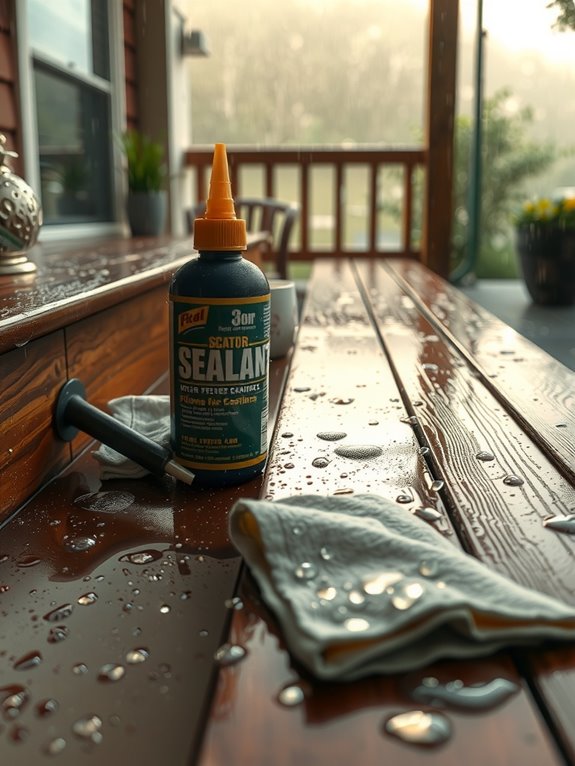
One of the smartest moves I’ve made to protect my outdoor pieces is applying quality sealers and coatings. The difference in how my furniture holds up really does come down to this one step.
Protecting Wood With Sealers
Polyurethane, especially UV-blocking formulas, creates a watertight barrier that genuinely slows moisture absorption. I’ve seen how this simple step prevents that awful swelling and cracking that used to happen on my wood furniture. When you apply a UV-blocking polyurethane sealer, you’re essentially giving the wood a protective layer that shields it from both water and sun damage.
The application process is straightforward. You’ll want to apply the sealer every 12 to 18 months, depending on how much sun and rain your furniture gets. If your outdoor area gets constant direct sunlight, aim for the shorter end of that timeline.
Armor for Metal Pieces
For metal pieces, I use a layered approach. First, I apply a rust neutralizer to any spots that already show wear. Then I add a primer and paint, finishing with a protective wax coating. This combination works because each layer does a different job—the neutralizer stops existing rust, the primer creates a base for paint adhesion, and the wax adds a water-repelling topcoat.
Metal pieces need attention about once per year or whenever you notice the finish starting to dull. A quick refresh with wax keeps that armor strong against corrosion.
Fabric and Cushion Protection
Waterproof spray shields work well for cushions and outdoor fabrics. These products reduce water absorption and fading by creating a thin protective layer on the surface. Spray them on about once or twice per season, depending on your weather.
The key with all of these products is reapplication. Weather and sun gradually wear down sealants and coatings over time. Refreshing your protection regularly keeps your furniture looking good and functioning well for years.
Use Weather-Resistant Covers as Your First Defense
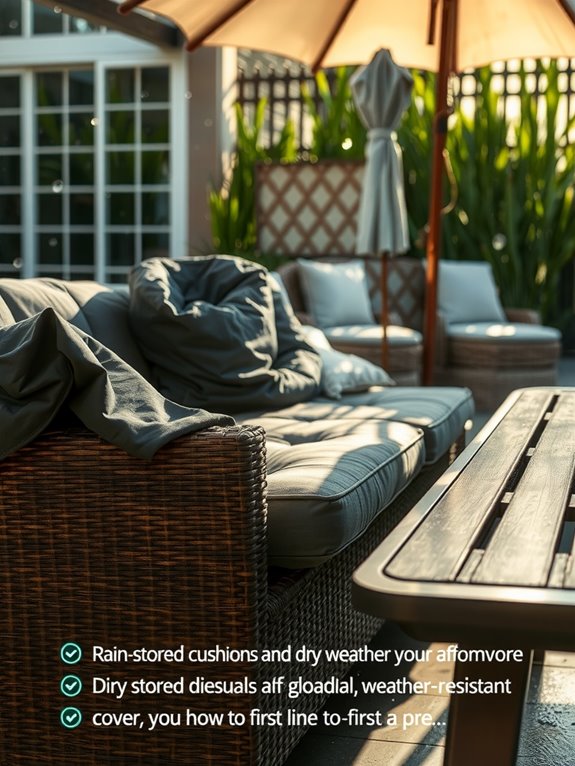
After you’ve sealed and coated your furniture, the next practical step is adding a physical shield between your pieces and whatever the weather throws at them. I’ve learned that a good cover does more than just look functional—it actually prevents rain damage and keeps debris off your surfaces.
Picking the Right Cover Material
The material matters more than you might think. I always choose breathable fabrics like polyester blends or canvas that let moisture escape instead of trapping it underneath where mold can start growing. Vinyl covers work too, but only if they have ventilation holes or vents built in. A cover without breathability becomes a moisture trap, which defeats the whole purpose.
Getting the Fit Just Right
Covers that fit too snugly can rub against your furniture and cause scratches, while loose covers shift in the wind and leave gaps for rain to sneak through. I measure my pieces—a standard dining chair is about 28 inches wide, for example—and look for covers that match those dimensions. A properly fitted cover sits about 2-3 inches away from the furniture surface all around, allowing air to circulate while staying secure.
Smart Placement Helps Everything Work Better
Location matters as much as the cover itself. I position my furniture under a pergola, roof overhang, or large patio umbrella whenever I can. This double-layer protection means your covers stay drier longer and don’t bear the full brunt of heavy rain or intense sun exposure. Even if you can’t create permanent shade, moving furniture closer to the house or a fence provides some protection.
Maintenance Between Uses
When you’re ready to use your furniture, simply remove the cover and let the surfaces air dry for a few minutes. Most covers can be wiped down with a soft cloth when you take them off. Store them rolled up in a dry location rather than folded, which prevents creases and extends the cover’s lifespan by several years.
Position Your Furniture Strategically to Minimize Water
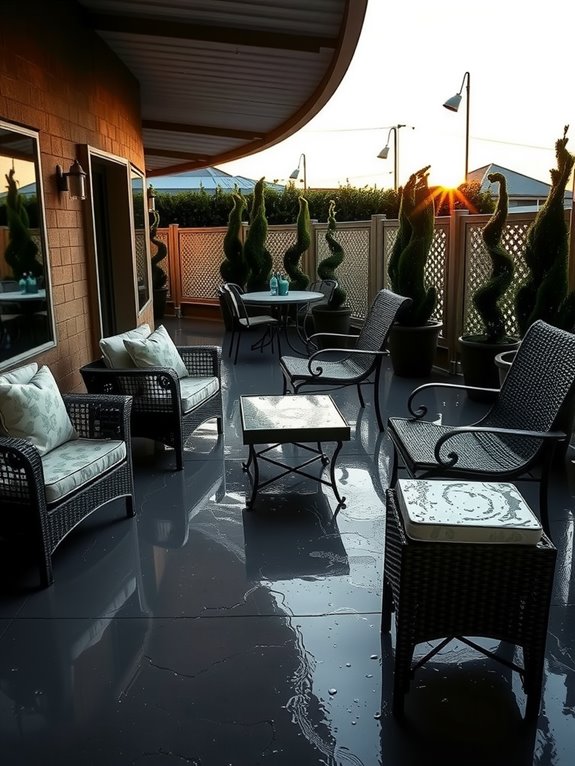
Where you place your patio furniture matters just as much as how you protect it. I’ve learned through years of dealing with wet patios that where things sit can prevent a lot of moisture damage before it even starts.
Getting Furniture Off the Ground
Wet ground is one of the biggest culprits behind rust and rot. I always elevate my chairs and tables on small stands or concrete blocks—even 4 to 6 inches makes a real difference. Wood furniture especially needs this air gap underneath so moisture doesn’t wick up from the soil. Metal legs rust faster when they sit directly on damp ground, so lifting them creates a buffer zone that lets air flow freely.
Using Roof Coverage Wisely
Positioning pieces under partial roof areas or covered patios cuts down on direct water exposure during storms. I avoid placing anything under the eaves or drip lines where water concentrates and falls harder. Even a slight overhang from a pergola or awning reduces what your furniture has to handle. If you don’t have a covered area, you can create one with a pop-up canopy that’s 8 by 10 feet—large enough for several seating pieces without taking up your whole patio.
Avoiding Tree Drip Lines
Tree branches that hang over your patio drop water long after rain stops. I keep furniture away from these zones because that secondary water exposure adds moisture damage quickly. Move tables and chairs at least 6 to 8 feet away from overhanging branches, or trim branches back during late fall when trees are dormant.
Managing Water Pooling
During light rain, I tilt chairs and tables slightly so water doesn’t collect on flat surfaces. Even a few degrees of angle prevents pooling on seat cushions and table tops. Wood slats with gaps naturally shed water better than solid surfaces, so if you’re shopping for new pieces, consider that design detail.
Combining Smart Placement With Covers
Weatherproof covers work best when your furniture is already positioned thoughtfully. Together, they create a two-part defense that stops mold, slows rust, and keeps your pieces in good shape for years.
Dry and Maintain Your Furniture After Rain
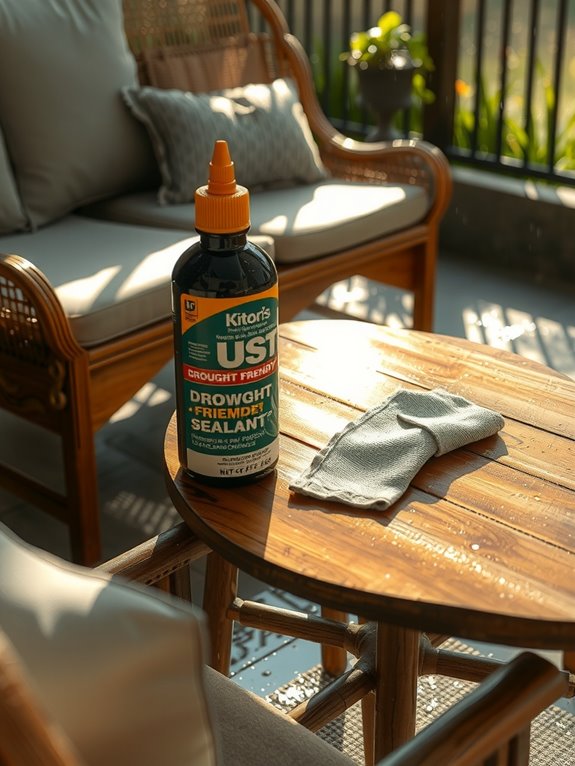
When rain catches your patio furniture, those first few hours really matter. I’ve seen moisture damage happen fast when water sits on cushions and wood, so getting ahead of it with quick action saves a lot of headaches down the road. Let me walk you through what I do to keep my outdoor pieces in good shape.
Act quickly after the rain stops
Wiping up puddled water from affected areas is your first step. I grab a couple of towels and go over cushions, seat surfaces, and any fabric that’s collected standing water. Even small puddles sitting for a few hours can start soaking into upholstery and wood frames. Spend about 5-10 minutes on this depending on how much furniture got wet, and you’ll prevent moisture from settling in where it shouldn’t.
Position pieces for proper air circulation
Next, I flip cushions over and angle umbrellas so water drains away instead of pooling. This simple adjustment helps fabrics dry more evenly and reduces the chance of damp spots developing underneath. Move your furniture to a spot that gets good sunlight and wind exposure, which speeds up the drying process. Aim for at least 4-6 hours of air circulation on a breezy day, or longer if conditions are humid.
Monitor for mold and mildew growth
Fully drying your pieces keeps mold and mildew from taking hold in upholstery and wood grain. These problems develop when moisture stays trapped for days, and once they start, they’re tough to clean. If you notice any soft spots, discoloration, or musty smells after furniture dries, address them right away with a mildew cleaner made for outdoor fabrics. Keeping your outdoor setup dry and well-maintained helps your furniture last for years to come.
Store Your Furniture Seasonally to Maximize Protection
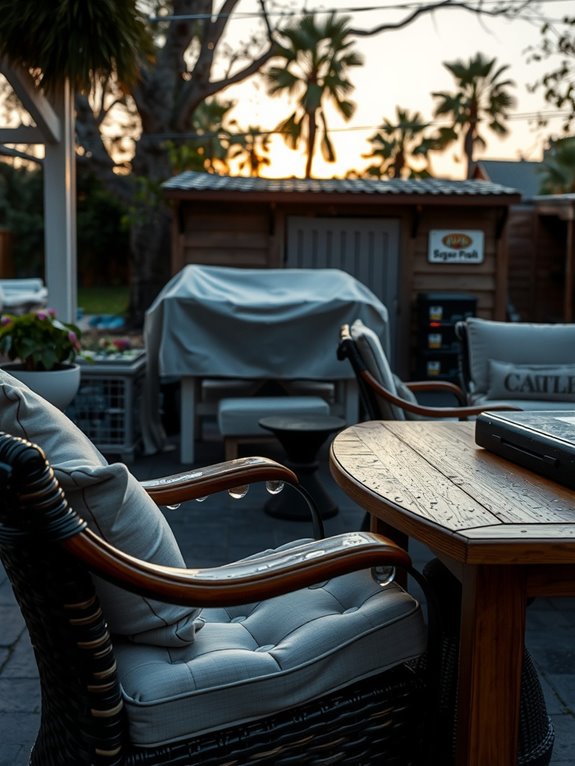
I’ve learned that getting your storage plan ready before the rainy season starts really does help protect your furniture. When I organize my pieces by size and weight ahead of time, moving everything indoors becomes quick and manageable once the wet months arrive.
Finding Your Storage Spots
Start by scouting your best indoor storage options right now. A garage, basement, or covered shed works well depending on what you have available. Think about whether stackable or foldable furniture pieces would fit better in your space, since you’ll be storing these items for several months at a time. Measure your storage area first—if you have a 10-by-12-foot basement corner, for example, you can plan which pieces actually fit there without cramming everything together.
Preparing Furniture for Storage
Before moving anything inside, make sure every piece is completely dry. This matters because the cycle of wet-dry-wet is what causes the real damage to wood and fabric. Let outdoor pieces sit in the sun for a few hours or wipe them down with a dry cloth before bringing them in.
Once they’re inside, keep your furniture off the ground using wooden pallets or plastic risers that are at least 4 inches high. This prevents moisture from pooling underneath. Skip the plastic covers and use breathable fabric covers instead—cotton or canvas materials let air circulate and stop condensation from building up on your pieces.
Preparing For Rainy Seasons
When rainy season approaches, a solid storage plan keeps your patio furniture safe and dry. I’ve learned that taking an afternoon to prepare now means your furniture stays protected all season long. The key is knowing where to store your pieces and how to prepare them properly.
Choosing Your Storage Spots
Start by identifying the best indoor spaces you have available. A garage works well if you have room, but a shed or covered porch does the job just as effectively. Before moving anything, sort your furniture by size and weight so you know what fits where and can relocate pieces quickly when storms roll in.
Preparing Furniture Before Storage
Clean every piece thoroughly and let it dry completely before storing. This step matters because any trapped moisture leads to mold and rust. Once everything is dry, use breathable fabric covers instead of plastic ones—plastic traps moisture against the surface and causes the damage you’re trying to prevent.
Handling Cushions and Soft Items
Remove cushions from your furniture and bring them indoors or store them in sheltered spaces where water won’t reach them. Keep them in a dry corner of a bedroom, basement, or climate-controlled area rather than leaving them outside.
Elevating Off the Ground
Set your furniture on wood blocks or plastic stands that raise the legs 2 to 3 inches off the ground. This simple step reduces direct contact with standing water and puddles that collect on floors during heavy rain.
Indoor Storage Solutions Year-Round
Seasonal storage planning really does prevent damage from those repeated wet-dry cycles that happen year-round. Before bad weather hits, it’s worth thinking through where everything goes and what protection each piece needs.
Separating Your Furniture by Type
I’ve found that splitting your patio furniture into two groups works best. Cushions belong indoors in a dry space where moisture can’t reach them. Frames can stay outside when you use the right protective covers.
Protecting Frames Year-Round
For the frames, I use breathable covers that let air flow through while blocking wind and rain. These covers typically cost between $30 and $80 depending on your furniture size, and they last several seasons. The breathable fabric prevents moisture from getting trapped underneath, which is what causes rust and wood rot.
The Preparation Step That Matters
Before storing anything or covering it up, clean and dry every piece thoroughly. Wipe down frames with a damp cloth and let them dry completely. Check for any damage like scratches or chipped paint, then touch up those spots with outdoor paint that matches your furniture color. This takes an afternoon but stops small problems from becoming big ones during storage.
This approach keeps your patio furniture in solid shape regardless of the season. Your cushions stay dry indoors, your frames stay protected outside, and everything lasts longer when you catch problems early.
When Should You Repair or Replace Water-Damaged Pieces?
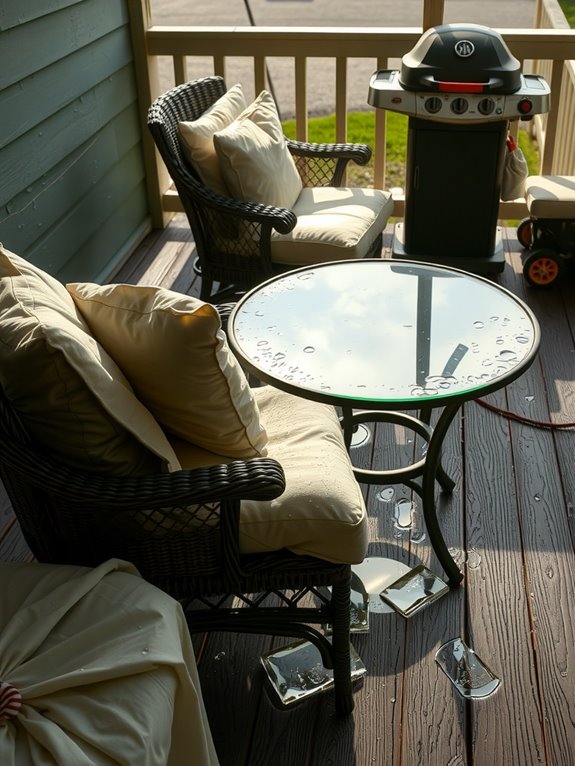
Figuring out whether water-damaged furniture is worth fixing or replacing can feel overwhelming, but I’ve learned some reliable signs to look for. Over the years, I’ve seen pieces that seemed ruined bounce back with simple repairs, and others that looked fine but were actually falling apart inside. The key is knowing what damage you can actually fix and what’s going to cost more to repair than replace.
Spotting damage you can fix
Light surface rust on metal legs or frames usually responds well to sealant products. I’ve had good success with rust-converting primers, which you can find at most hardware stores. You apply them directly to the rusty area, let them dry for a few hours, and then seal with a metal-safe paint or clear coat. This works best when the rust is only on the surface and hasn’t eaten deeply into the metal.
Wood that’s started to swell from water exposure sometimes firms back up as it dries out completely. If the swelling is minor and the wood structure still feels solid when you press on it, you might just need good air circulation and maybe a dehumidifier running for a week or two. Check the wood grain carefully for cracks—fine surface cracks might be cosmetic, but deep splits that go across the grain usually mean the structural integrity is compromised.
When replacement makes more sense
Deep wood swelling that spans across joints or affects how drawers open and close is harder to reverse. Once wood fibers have expanded and warped, forcing them back into shape often causes permanent damage. If a drawer that should slide smoothly now sticks halfway, or if a tabletop has developed a noticeable cup or bow, replacement becomes the practical choice.
Structural mold on cushions and upholstery needs to come out completely. Mold that’s embedded in foam filling isn’t something you can clean away with surface treatments. You can replace the cushion covers if the foam underneath is still good, but if mold has penetrated the filling itself, removing and replacing that upholstery section is your only real option.
| Damage Type | Severity | Action |
|---|---|---|
| Surface rust | Light | Repair with rust-converting primer and paint |
| Minor wood swelling | Moderate | Allow drying time with dehumidifier |
| Deep wood swelling at joints | Moderate to severe | Consider replacement |
| Surface mold on fabric | Light to moderate | Clean and replace cushion covers |
| Structural mold in filling | Severe | Replace upholstery section |
Planning ahead to avoid repeat damage
If your furniture has gotten water damage once, it’ll probably happen again in that same location unless you change something. Moving pieces away from windows or areas prone to leaks prevents future problems. Furniture covers designed for outdoor or damp conditions, like those made from solution-dyed polyester or acrylic blends, resist moisture much better than untreated fabrics.
Off-season storage in a dry closet or storage unit protects pieces you don’t use year-round. For regularly used furniture in damp rooms like basements or bathrooms, investing in a small dehumidifier that runs continuously costs maybe 30 to 50 dollars upfront but saves hundreds in replacement costs. I’ve found that catching small damage early and addressing it right away prevents it from spreading into bigger, costlier problems.