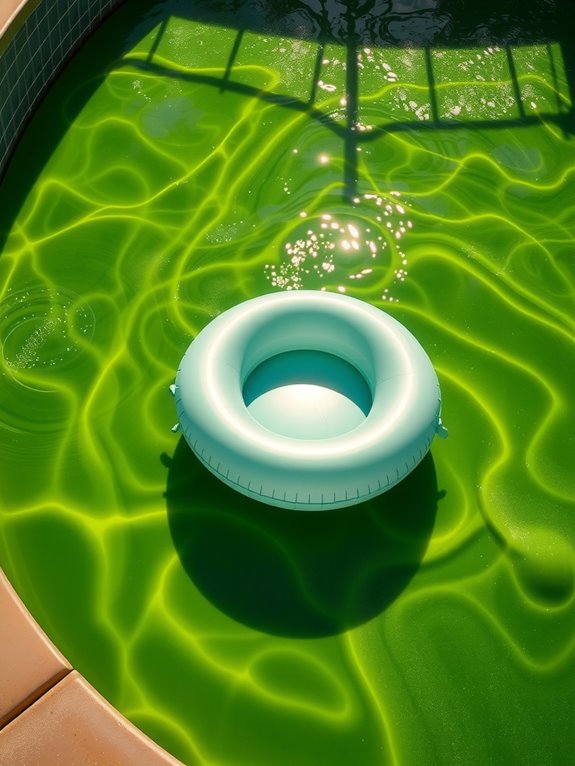
You shouldn’t swim in a green pool. That color signals algae growth, which means chlorine levels have dropped below 1–3 ppm—too low to kill dangerous pathogens like E. coli and Cryptosporidium. Swimming in contaminated water risks recreational illnesses, ear infections, skin rashes, and eye irritation within 24–72 hours.
Before entering the water again, you’ll need to work through a recovery process. Start by shocking the pool, which means adding a large dose of chlorine to kill algae and bacteria quickly. Next, brush all surfaces thoroughly to loosen algae clinging to walls and floors. Run your filter continuously throughout the treatment period—this removes dead algae and debris from the water.
Once you’ve completed these steps, rebalance your chlorine to 1–5 ppm and adjust your pH to 7.2–7.6. Test the water daily using a pool test kit until chlorine and pH stabilize in the correct ranges. This recovery typically takes several days, depending on how severe the algae growth was. Only when your readings stay consistent should you consider the pool safe for swimming.
What Causes Green Pool Water?
What Causes Green Pool Water?
Pool water turns green because algae is growing out of control. Algae loves warm, sunny conditions mixed with low chlorine levels and weak water movement. Your free chlorine needs to stay between 1-3 ppm to stop algae before it starts.
Several things work together to create the problem. When your pH climbs above 7.8, the chlorine you do have stops working as well. A broken filter or one that isn’t strong enough lets debris pile up in the water, which feeds algae blooms. Even pollen and metals left behind from algaecide products can make the water look green, making it harder to figure out what’s really happening.
Why this matters: green water signals that bacteria and harmful pathogens may be developing alongside the algae. The good news is that steady maintenance stops this chain reaction. You need consistent chlorine treatment, regular pH testing, and a filter that actually works to keep your pool water clear and safe.
Why Green Pools Aren’t Safe for Swimming
Now that you understand what turns your pool green, it’s time to look at why you shouldn’t swim in it. Green pools harbor serious health hazards you’ll want to avoid.
When algae takes over, your pool’s disinfection system breaks down. Here’s what happens: insufficient chlorine can’t kill algae or dangerous pathogens like E. coli, Crypto, and Giardia. Poor filtration and circulation allow harmful microbes to accumulate in the water. When your pH balance gets out of range—ideally between 7.2 and 7.6—chemical treatments stop working the way they should.
These pathogens enter your body through cuts, your eyes, ears, and mucous membranes. You’re risking skin infections, respiratory issues, and gastrointestinal illness. Expert guidance recommends staying out until your chlorine levels reach 1 to 3 parts per million, your pH stabilizes, and algae completely clears. This process typically takes several days to a week, depending on how severe the green water is. Your safety depends on proper water chemistry and purification working together.
Health Risks From Contaminated Green Pool Water
Swimming in green pool water puts you at risk from harmful germs that grow when chlorine levels drop. These pathogens include E. coli, Cryptosporidium, Giardia, and Legionella. They cause recreational water illnesses (RWIs) that can range from mild stomach upset to more serious infections.
| Pathogen | Infection Type |
|---|---|
| E. coli | Gastrointestinal |
| Cryptosporidium | Diarrhea |
| Legionella | Respiratory |
Green water signals that the pool’s filtration system and disinfection aren’t working properly. When chlorine effectiveness weakens, algae and microorganisms spread quickly. These germs enter your body through your skin, eyes, and mucous membranes during swimming and typically cause symptoms within 24 to 72 hours.
Direct contact with contaminated water leads to swimmer’s ear, skin rashes, and eye irritation. High pH levels—anything above 7.8—reduce how well chlorine kills pathogens, letting algae bloom and harmful microbes persist. You might notice cloudy water, green discoloration, or a musty smell before symptoms appear. These signs mean the pool needs immediate attention before anyone else gets sick.
Green water isn’t safe. Wait until the pool is properly cleaned and tested before swimming again.
Step-by-Step Green Pool Recovery: Shock, Filter, and Rebalance
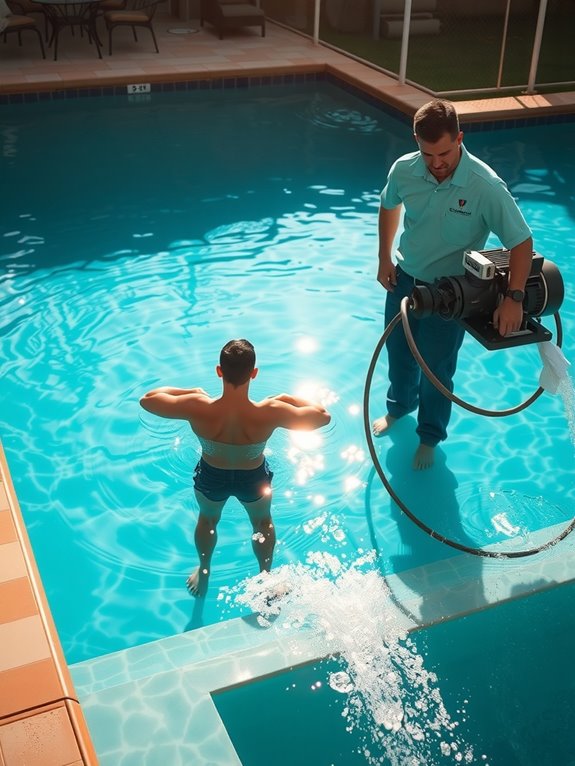
Once you’ve identified your green pool problem, you’ll need to act quickly to restore it. Start by shocking your pool according to product label directions, then restrict access immediately.
Physical Cleanup
Begin by brushing the walls and floors thoroughly. This loosens algae buildup so your filter can capture it. After brushing, vacuum the debris from the bottom. You’ll likely need to do this multiple times as algae settles.
Filter Maintenance
Backwash or clean your filter to remove the algae buildup you’ve just loosened. A clogged filter won’t work effectively, so this step matters. Run your circulation pump continuously—24 hours a day—during the recovery period.
Water Chemistry Rebalancing
Rebalance your water by raising chlorine levels according to shock treatment guidelines. Check your pH balance next, aiming for 7.2 to 7.5. This range keeps your water balanced and helps chlorine work effectively. Run filtration continuously to distribute the chlorine evenly throughout the pool and maintain steady circulation.
Post-Shock Treatment
Wait 2 to 3 days after shocking before you apply algaecides or clarifiers. Read the product labels carefully, as timing matters for these chemicals to work properly. Test your water daily during this waiting period. You’re looking for progress toward clear water and safe swimming conditions. Most pools show visible improvement within this timeframe, though heavily algae-filled pools may take longer.
Safe Swimming Indicators: Chlorine, pH, and Clarity Standards
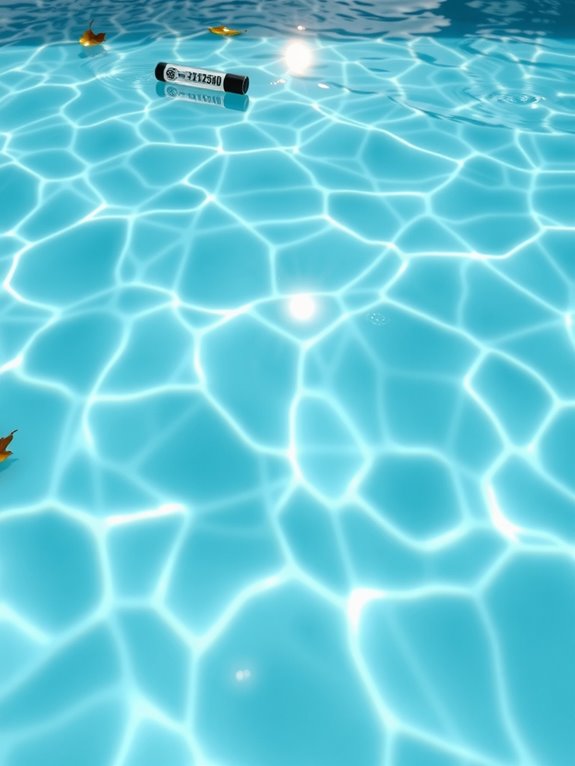
Before anyone gets in the water, you need to check three things that tell you if your pool is actually safe. Think of these checks like inspecting a bicycle before riding it—you want to know everything works properly first.
Free Chlorine Levels
Free chlorine is the part of your pool’s chemical protection that actively kills germs and algae. You want it between 1 and 5 ppm (parts per million). If your reading is below 1 ppm, chlorine isn’t doing its job well enough. If it climbs above 5 ppm, the water tastes too strong and can irritate skin and eyes.
Combined chlorine, also called chloramines, is what happens when free chlorine does its work. When combined chlorine gets high—say, above 0.5 ppm—it means your pool needs shock treatment, which is a strong dose of chemical that breaks down those used-up chlorine molecules and creates fresh free chlorine again. You’ll typically wait 12 to 24 hours after shocking before swimming.
pH Balance
pH measures how acidic or basic your water is on a scale from 0 to 14. Your target range is 7.2 to 7.8. When pH climbs above 7.8, chlorine becomes less effective at protecting swimmers. High pH also causes the cloudy, greenish water you might have seen in neglected pools. Low pH below 7.0 can damage pool surfaces and make the water feel uncomfortable.
Water Clarity
You should be able to see the bottom of your pool clearly from the edge. This matters because cloudiness often signals algae growth, which means the water isn’t clean enough for swimming. If you can’t see the bottom, test the water chemistry and run your pool filter continuously. Add algaecide if needed, then retest before allowing anyone in the water.
Test your pool twice a week during regular use. Once all three indicators—chlorine, pH, and clarity—fall within safe ranges, the water is ready for swimming.
Prevent Green Algae: Maintenance Habits That Work
Why Green Algae Keeps Coming Back
You shock your pool, the water clears for a few days, then green starts creeping back in. The problem isn’t the shock treatment itself. You’re missing the daily habits that actually stop algae from returning.
The Chemical Balance That Prevents Algae
Keep your free chlorine between 1 and 5 ppm. Maintain your pH around 7.2 to 7.8. These numbers matter because algae can’t survive in properly balanced water. When either level drifts, algae spores find the conditions they need to grow. Check these numbers weekly and adjust as needed.
Algae can’t survive in properly balanced water. Keep chlorine between 1-5 ppm and pH at 7.2-7.8.
Running Your Filter System
Your filter needs to run continuously, not just a few hours a day. When pressure rises 7 to 10 psi above your baseline reading, backwash the filter to clear the trapped debris. A clogged filter moves water slower, and slow-moving water is where algae thrives. If your current pump struggles to keep water circulating or if your filter stays clogged within a few days, you may need an upgrade.
Your Weekly Prevention Routine
Brush the walls and floor once a week to knock off algae spores before they settle and multiply. After brushing, shock your pool according to the product label, then add algaecides and clarifiers. This sequence matters: the shock kills existing algae, while algaecides prevent new growth and clarifiers help your filter catch dead particles.
Routine maintenance isn’t something you do after problems develop. It’s what you do every week to make sure problems never start in the first place.