7 Reasons a Screened Porch Does Add Value to Your Home
A screened porch expands your usable living space without the steep price tag of a full room addition. Most room additions cost $50,000 or more, while a screened porch runs between $4,000 and $15,000. You’ll recover about 70–75% of that investment when you sell your home, which makes it a reasonable financial choice.
The square footage matters to buyers. A 12×14 porch adds roughly 170 square feet of space where you can sit comfortably, entertain guests, or relax without dealing with insects or unpredictable weather. This extra room feels valuable to people looking to purchase, because it’s immediately usable rather than requiring renovation work.
Curb appeal improves right away. A screened porch signals that you’ve maintained your home thoughtfully and invested in quality improvements. Neighbors and passersby notice the addition, and it creates a positive first impression.
The construction timeline keeps disruption minimal. Most screened porch projects take two to four weeks from start to finish. You won’t live with extended construction noise or equipment blocking your yard for months.
These benefits work together to make screened porches one of the smartest improvements available to homeowners who want real value without excessive cost or long-term inconvenience.
Increases Resale Value With Strong ROI
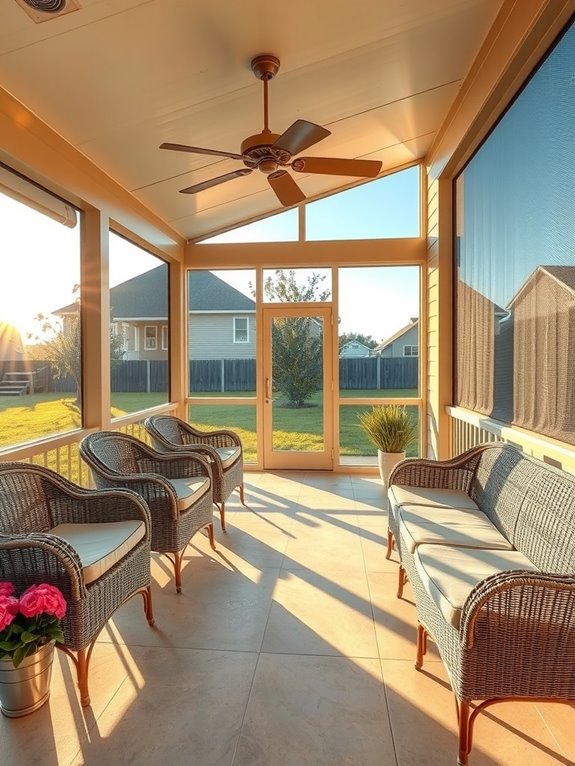
When you add a screened porch, you’re making a financial decision that pays back in real dollars. Most homeowners recover about 70–75% of their screened porch costs when they sell. That’s a solid return compared to many other home improvements.
Here’s why buyers care about screened porches. They see extra living space without the price tag of building a full room addition. A screened porch typically costs $4,000 to $15,000 depending on size and materials, while a traditional addition can run $50,000 or more. Families want that extra room for sitting outside without dealing with bugs and weather. They’ll pay a premium for it.
The quality of your work matters for your wallet. Using durable materials like pressure-treated wood or vinyl frames, along with thoughtful design choices, pushes your return even higher. Custom details like ceiling fans or quality screening fabric show buyers you’ve invested in something that will last. A well-built screened porch that lasts 15–20 years demonstrates real value.
Think of your screened porch as serving two purposes at once. Your family gets years of enjoyment from it right now. Later, when you sell, that same porch helps you get closer to your asking price. Both benefits happen.
Expands Usable Living Space Without Major Renovation
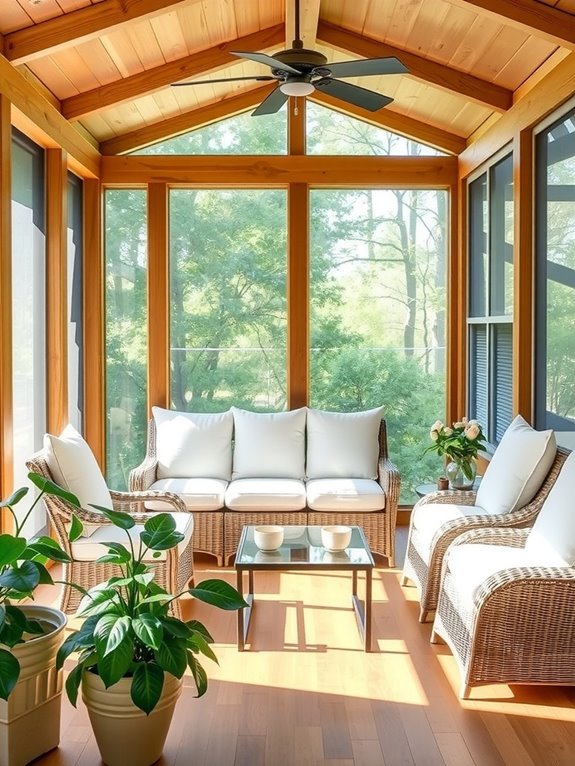
How to Add Living Space Without Major Home Disruption
A screened porch lets you expand your home’s usable area while keeping your floors intact and your walls untouched. Unlike a full room addition, you’re not installing new HVAC ducts, rewiring electrical systems, or reinforcing foundations. Instead, you’re creating an enclosed outdoor extension that connects to your existing home.
This approach works because a screened porch sits outside your main structure. You attach it to a deck or concrete pad, run a roof overhead, and install screening panels. The entire project typically takes two to four weeks, depending on size and weather.
What You Can Do With the Extra Space
A screened porch works for several purposes depending on how you use it:
| Space Use | How It Works |
|---|---|
| Work-from-home office | Set up a desk and chair for focused work without leaving home |
| Dining area | Add a table for meals and gatherings without crowding your kitchen |
| Lounging zone | Place chairs and a side table for reading or quiet time |
| Seasonal buffer | Stay comfortable outdoors during spring, fall, and mild winter days |
The screening keeps insects out while letting air flow through naturally. If your porch is 12 feet by 14 feet—a common size—you’re adding roughly 170 square feet of usable space. That’s enough room for a small office setup or a dining table with four chairs.
Why This Avoids Major Renovation Work
Your home’s main systems stay exactly where they are. You don’t need to tear up flooring to run new pipes or ducts underneath. You don’t need to cut into walls to add electrical outlets, though you might run a simple cord from an exterior outlet. The porch stands mostly independent of your interior while still feeling connected to your home.
This independence means faster construction and lower costs than adding an indoor room. You’re working outside your home’s envelope rather than expanding it.
Maximize ROI: Budget, Size, and Design Choices
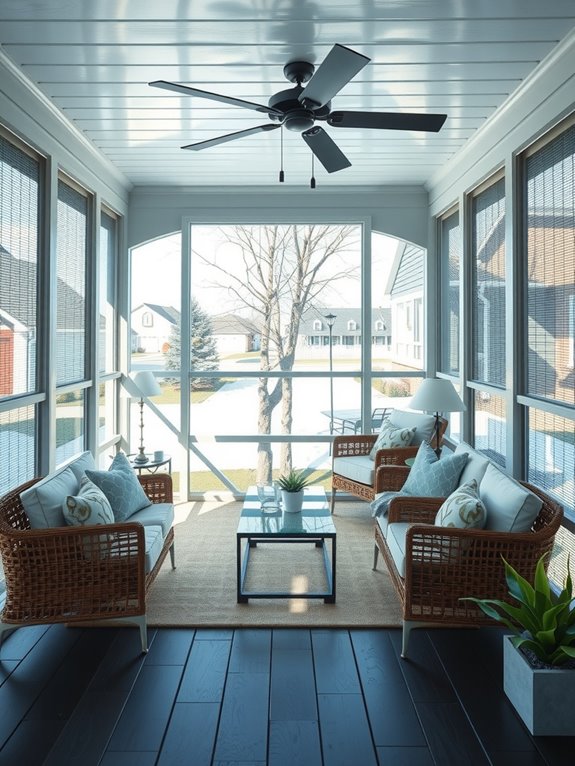
When you’re deciding what to spend on a screened porch, your choices about budget, square footage, and materials directly shape how much value you’ll recover when you sell.
Prioritize space over premium details. A larger usable porch generates better returns than a smaller one with expensive finishes. If you have $35,000 to spend, you’ll get roughly 75% of that money back when you sell. Jump to $50,000 or more, and your return often drops to 50% or lower. The math is straightforward: buyers want room to use the space, not fancy upgrades in a cramped footprint.
Choose materials that balance cost and durability. Pressure-treated wood costs less than cedar or composite materials while still holding up well for years. It doesn’t need to be pretty—it needs to work. A basic wood frame with standard screening handles most climates effectively and appeals to buyers looking for practical value rather than luxury touches.
Keep electrical work simple. Adding recessed lights, ceiling fans, or high-voltage features raises your costs quickly, and buyers don’t always view these as worth the price tag. If you need lighting, consider simpler options like surface-mounted fixtures or outdoor-rated pendant lights. The money you save here can go toward expanding the actual floor space, which buyers notice and appreciate.
Think about your climate and how your family uses outdoor space year-round. Focus your budget where it matters most: a porch size that lets people move around comfortably and screening that handles your local weather. This straightforward approach gets you the best return on what you spend.
Enables Year-Round Outdoor Enjoyment
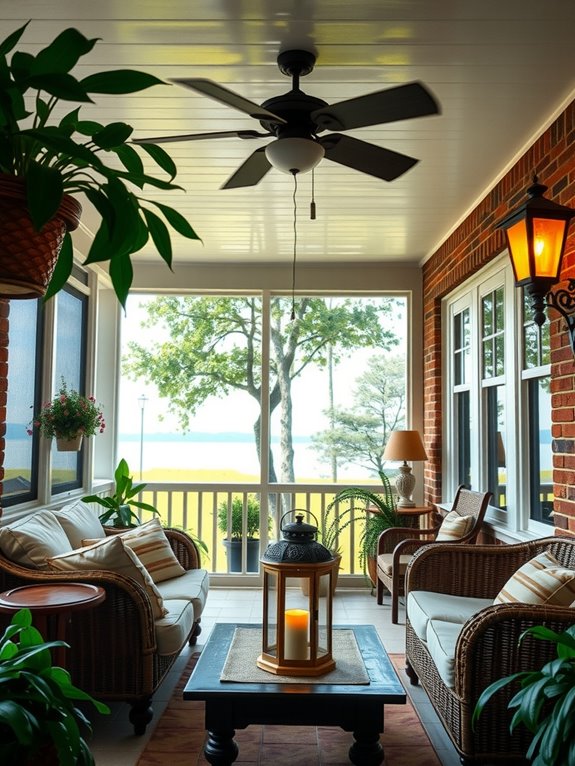
A screened porch lets you use your outdoor space during all four seasons. The screens keep out rain, bugs, and direct sun while letting you see the view. You can sit outside in April when the spring air feels fresh. You can also use the space in October when the leaves change color. Even in mild winter climates, you’ll find yourself gathering on the porch instead of staying inside.
This consistent use adds real value. When families have a protected outdoor area, they spend more time there. A porch that works in spring, summer, fall, and winter gets used far more than a regular deck that sits empty half the year. Both homeowners and builders recognize this increased usage as a genuine investment return. The screens do simple but important work: they extend the months when outdoor living feels comfortable and practical.
Protection From All Elements
Protection From All Elements
A screened porch acts as a barrier between you and the outdoor elements. Sun, rain, wind, and insects stay where they belong while you sit comfortably on your porch. The screens let air move through freely, so you get fresh breezes without the problems that come with open air.
Your porch screens work in several practical ways:
- Sun exposure control – Screens block a portion of ultraviolet rays, which helps during intense summer afternoons when the sun feels strongest between 10 a.m. and 4 p.m.
- Rain protection – Light rain won’t chase you inside. You can read, chat, or relax during a gentle shower without getting wet.
- Wind reduction – On days when wind makes sitting outside uncomfortable, screens slow down air movement enough to make a difference. You notice the calm fairly quickly once you step inside.
- Insect exclusion – Mosquitoes and other flying pests cannot get through the mesh. The holes in standard screening measure about 1/16 inch, which keeps most insects out.
Because your porch protects you from these conditions, you’ll use it more often throughout the year. In spring, the temperature becomes mild enough for morning coffee on the porch. Summer afternoons feel pleasant instead of too hot or buggy. Fall lets you sit outside without heavy jackets once the weather cools down. A screened porch essentially extends your living space into seasons when an open yard would feel uncomfortable.
Extended Seasonal Living Space
Your screened porch works as a usable living space across all seasons. You enjoy spring breezes, summer gatherings, fall views, and winter afternoons with blankets on mild days. Rather than sitting empty for half the year, this space becomes an outdoor room your family actually uses.
The screens do practical work. They block rain, filter sunlight, and keep insects out while you watch the changing seasons. You’ll host autumn dinners, morning coffee in spring, and quiet afternoons throughout winter. This year-round function adds real value because it expands your living area without the cost of major construction.
A well-maintained screened porch also catches the attention of people looking to buy homes. When potential buyers see a functional outdoor space that’s clean and ready to use, they notice the appeal. This practical investment changes how your family lives while adding measurable value to what your home is worth.
Eliminates Pest and Weather Barriers to Entertaining
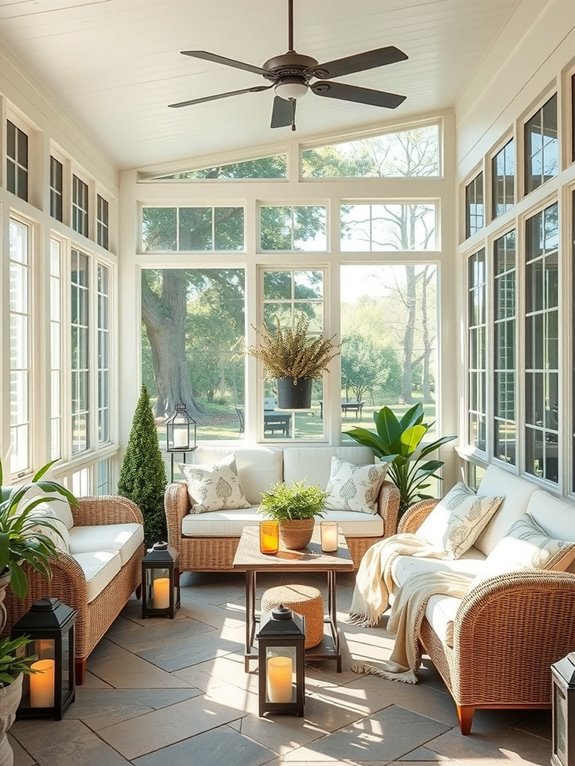
Have you ever had to cut short a backyard party because mosquitoes kept biting your guests or a sudden rain shower sent everyone running inside. A screened porch handles both of these problems. Here’s what screens actually do for your outdoor space:
- Keep insects like bees and mosquitoes outside while you and your guests stay comfortable
- Block sun, rain, and wind so weather doesn’t interrupt your gathering
- Let you host gatherings from spring through fall, even in colder climates
- Reduce the stress of swatting bugs or watching the sky for storm clouds
A screened porch works like an extra room attached to your house. Your guests can relax without dealing with bugs or worrying about getting rained on. You’re no longer stuck waiting for perfect weather or limiting gatherings to summer months. Instead, you can host whenever you want to invite people over.
The screens do the work for you. They create a barrier between your guests and the outdoor environment, so conversation flows naturally instead of getting interrupted by insects or weather concerns. This flexibility means your home becomes the place where friends and family want to spend time together, regardless of the season or forecast.
Enhances Curb Appeal and Home Aesthetic
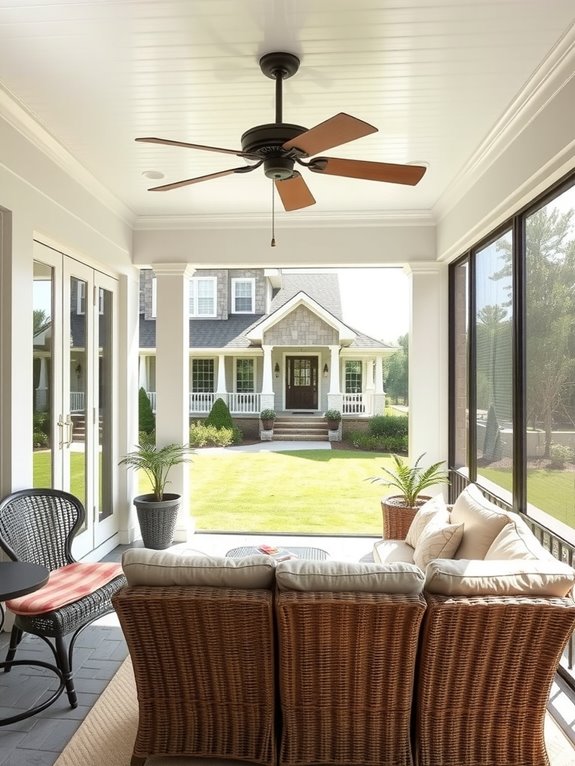
When you add a screened porch, your home’s appearance improves right away. People walking by or driving past will notice the addition immediately. A screened porch works as part of your home’s design rather than standing separate from it.
Think about how the porch connects to what’s already there. Your roofline, siding, and landscaping all play a role. When these elements work together visually, they create a balanced look. The porch frames your property in a way that shows careful planning about how different parts fit together.
This matters when potential buyers see your home. A well-designed addition signals that you’ve paid attention to details. It shows you understand how outdoor living space contributes to the overall property. A porch that matches your home’s style and proportions looks intentional rather than tacked on. That kind of thoughtful design choice stays in people’s minds when they evaluate your property.
Visual Appeal and First Impressions
How much does that first glimpse of your home matter when someone pulls up to view it. That initial moment shapes everything.
A screened porch works like a frame around your home’s best features. It shows buyers something concrete: a place where they can actually spend time outside. Before they even walk through your front door, they’re already imagining themselves there.
What makes a screened porch stand out:
- Clean, maintained appearance – Screens reduce visible outdoor debris and clutter
- Architectural harmony – Design and materials that match your home’s existing style
- Extended living area – A visible outdoor space that buyers actively want
- Orderly aesthetic – The semi-enclosed design shows organization and regular upkeep
When you invest in a well-designed screened porch, you’re showing buyers that you’ve cared for your home. They notice this immediately, often before they step inside. A typical screened porch measuring 12 feet by 14 feet costs between $3,000 and $8,000 depending on materials and local labor rates. That visible outdoor space creates a positive first impression that carries through their entire tour, making them more interested in what your home offers.
Architectural Design Integration
A screened porch works as more than just an attached room. It’s a deliberate architectural choice that connects your home’s inside with the outside. When you add a screened porch thoughtfully, you create a smooth transition between these two spaces. This matters because it affects how your home looks from the street and increases its curb appeal.
Modern homeowners want outdoor living areas that feel intentional and well-built. Your screened porch should match your home’s overall look. Using matching materials, placing the structure carefully, and selecting coordinated colors—say, the same trim color as your house or complementary siding—creates visual harmony between your main structure and the porch. A 12-by-16-foot porch built with the same roofline angle and brick veneer as your existing home shows buyers you’ve planned this addition seriously and with care.
This kind of integration sends a clear signal. It tells potential buyers that you’ve invested time and resources to expand your usable living space in a way that makes sense with your home’s design. The porch doesn’t look like it was added as an afterthought. Instead, it appears as part of what was planned from the beginning.
Landscape Completion and Framing
Your screened porch works best when the landscape around it feels intentional. The plants, pathways, and borders you choose all speak to how much thought went into your outdoor space. Good landscape framing means every element has a reason for being there.
How to Frame Your Porch Thoughtfully
Start by softening the hard edges where your porch meets the ground. Plant flowering shrubs around the perimeter—something like hydrangeas or boxwoods spaced 3 to 4 feet apart works well. These plants draw your eye toward the porch rather than past it.
Pathway lighting serves two purposes. It guides people from your driveway or walkway toward the porch entrance, and it shows that you’ve planned the flow of your property. Place solar lights or low-voltage fixtures every 4 to 6 feet along the path. Install these lights in spring or early summer to avoid working in frozen ground.
Use matching plants on both sides of your porch entrance. This symmetry signals careful planning and creates balance. You don’t need expensive plants—two identical shrubs or pairs of potted plants on either side of the door achieve the same effect.
Define the porch foundation with mulch beds. Spread 2 to 3 inches of mulch around the base, keeping it about 6 inches away from the actual structure to prevent moisture problems. Hardwood or cedar mulch lasts longer than pine and looks more finished.
When these elements work together, your porch reads as a deliberate part of your home rather than an add-on. The effort shows, and that matters when people evaluate your property.
Blend Indoor and Outdoor Living Effortlessly
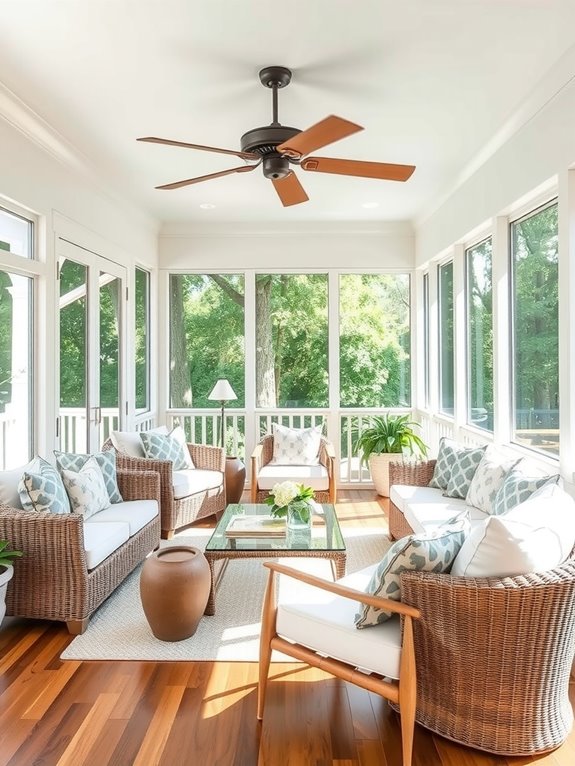
Have you noticed that some of the best moments at home happen when you move between inside and outside. A screened porch gives you that perfect middle ground—you get fresh air and natural light without the downsides of being completely outdoors.
How a Screened Porch Works
This space acts as a bridge between your home and yard. You’re protected from rain, wind, and insects while still feeling connected to the outside. A typical screened porch measures between 8 by 10 feet and 12 by 16 feet, depending on your needs and budget. The screening material is usually a mesh fabric made from fiberglass or aluminum that blocks bugs but lets air pass through freely.
What You Can Do There
Host gatherings with friends and family. Read a book on a quiet afternoon. Relax while listening to birds and watching weather move through. These activities work across different seasons because the space shields you from discomfort while keeping that outdoor connection alive.
Year-Round Uses
| Activity | Season | What Happens |
|---|---|---|
| Morning coffee | Spring | You stay dry from occasional showers while feeling the breeze |
| Evening gatherings | Summer | Bugs stay out while cool air flows in |
| Rainy relaxation | Fall | You watch the rain without getting wet |
| Quiet reading | Winter | Mild temperatures let you sit comfortably outside your main house |
A screened porch adds real value to your home. Buyers recognize it as a practical living space that extends usability throughout the year, not just during one season.