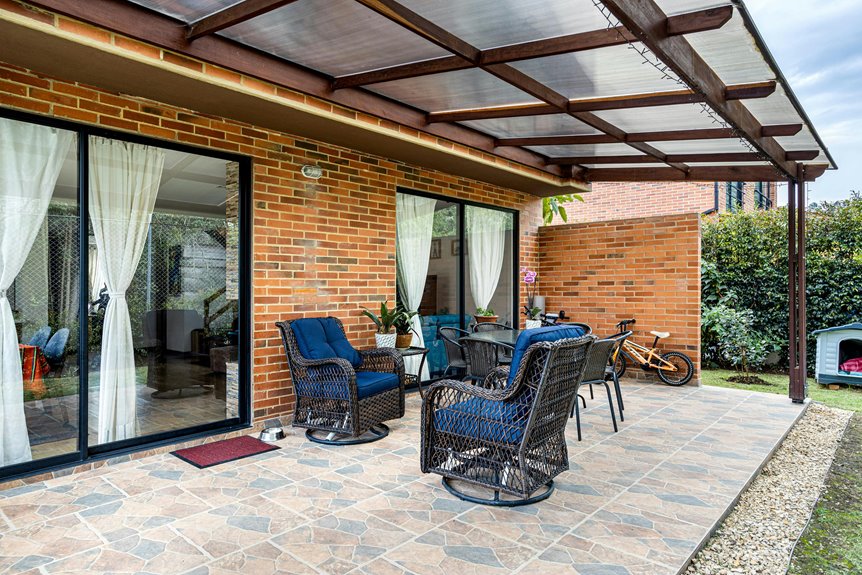
When you plan a patio cover, three main factors will determine what you spend. Aluminum costs between $12.77 and $18.04 per square foot, while wood ranges from $27.41 to $42.41 per square foot. Understanding these factors helps you make decisions that fit your budget.
Material Selection
Your material choice shapes both cost and maintenance. Aluminum requires less upkeep than wood, which needs sealing every 3 to 6 years to stay protected from weather. If you choose wood, plan on regular maintenance work and the cost of sealant every few years.
Aluminum is lighter on your wallet long-term because it won’t demand the same attention. Wood gives you a warmer appearance but asks for your time and money to keep it in good condition.
Size and Design Complexity
Larger patio covers don’t always cost more per square foot. A 12-by-16-foot rectangle actually costs less per square foot than a smaller 10-by-10-foot space because the fixed costs spread across more area. Your shape matters too—simple rectangular designs stay affordable, while curved or peaked roofs add labor costs and complexity.
Start by measuring your space accurately. This measurement determines not just the materials you’ll need but also how much labor time the job requires.
Installation and Permits
Professional installation runs $7 to $11 per square foot, which adds substantially to your total. Permits begin around $1,400 and vary depending on your location and local building codes. Both costs appear unavoidable, but getting quotes from multiple contractors can help you understand the range in your area.
Material Type and Cost Comparison: Aluminum vs. Wood and Glass
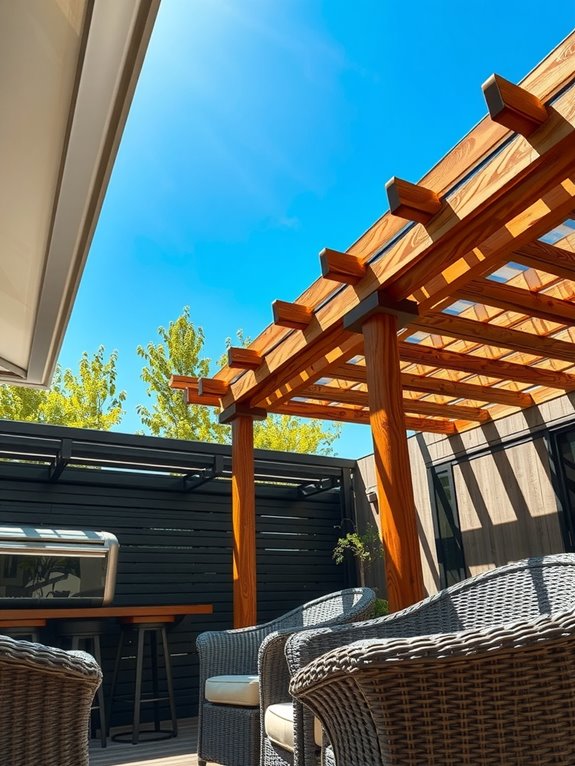
When you’re pricing a patio cover, material choice determines both what you pay now and what you’ll spend keeping it in good shape over time. Aluminum costs between $12.77 and $18.04 per square foot for DIY kits, while wood runs $27.41 to $42.41 per square foot, making aluminum the cheaper upfront option.
Understanding the Real Cost Over Time
Most people focus on the initial price tag, but that’s only part of the story. Aluminum needs almost no maintenance once it’s installed. Wood, on the other hand, requires sealing or staining every 3 to 6 years. If you own your patio cover for 15 years, those repeated wood treatments add up quickly. You might spend $500 restaining a wood pergola every few years, while aluminum sits there doing its job without asking for attention.
Labor and Installation Expenses
When you hire someone to install an aluminum cover, expect to pay around $7 to $11 per square foot just for labor. This is lower than wood installation costs because aluminum pieces fit together more predictably and require less customization on site.
Glass Options and How They Affect Price
Glass enclosures come in two main types: single-pane and double-pane. Single-pane glass costs less initially but offers lower energy efficiency and less protection from temperature swings. Double-pane glass insulates better and lasts longer, though you’ll pay more upfront. The choice depends on your climate and how many years you plan to keep the cover.
Thinking About Lifespan
A wood pergola might need replacement in 8 to 12 years if it’s exposed to moisture and sunlight. An aluminum cover often lasts 20 to 30 years with minimal care. When you divide total spending by years of use, the cheaper material upfront sometimes becomes the more expensive choice over decades.
How Size and Design Complexity Drive Patio Cover Costs
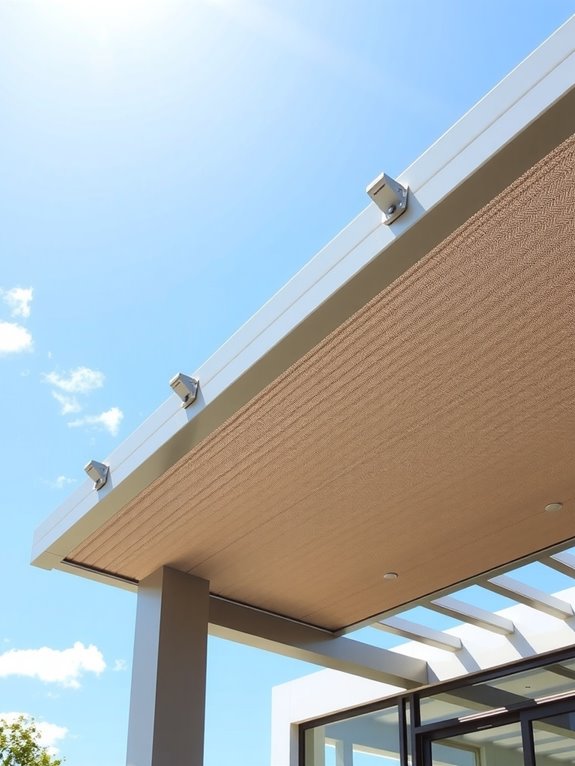
Once you pick your materials, size and shape become your next major budget drivers. A larger patio cover requires more supplies and labor, though you typically pay less per square foot as the project grows.
How Size Affects What You’ll Pay
Think of it this way: a 12-by-16-foot rectangular cover costs less per square foot than a 10-by-10-foot one, even though the smaller project uses fewer total materials. That’s because many labor costs stay the same whether you’re building something small or large. A worker still needs to set up, measure, and mix concrete for the posts. The setup takes about the same time either way.
Your actual square footage matters more than you might expect. Going from 200 square feet to 400 square feet doesn’t double your cost, but it does add real money to your bill. Material costs scale directly, but labor becomes more efficient at larger sizes.
What Design Choices Cost Extra
Rectangular designs keep things simple. A basic 14-by-20-foot rectangle with straight edges and parallel posts needs straightforward installation. Workers know exactly how to frame it, and permits usually process faster.
Shapes get complicated when you add angles, curves, or multiple roof sections. An L-shaped cover or one with a peaked roof requires custom beam layouts. Your carpenter has to calculate load-bearing differently, space posts more carefully, and spend extra hours on angles that don’t align with standard measurements. This kind of work adds 20 to 40 percent to labor costs depending on how unusual your design is.
Adjusting post spacing also increases expenses. Standard spacing might be 8 feet apart, but tighter layouts at 4 or 6 feet require more posts, more concrete, and more beams. Each additional post means more materials and more installation time. A typical job with adjusted spacing adds 200 to 400 dollars to your final bill.
Planning to Avoid Cost Overruns
Sketch your design before talking to contractors. Know whether you want that L-shape or if a simple rectangle works for your space. Getting the layout right on paper prevents mid-project changes that balloon costs. Once framing starts, redesigning that post placement becomes expensive fast.
Installation Labor, Permits, and Long-Term Maintenance Expenses
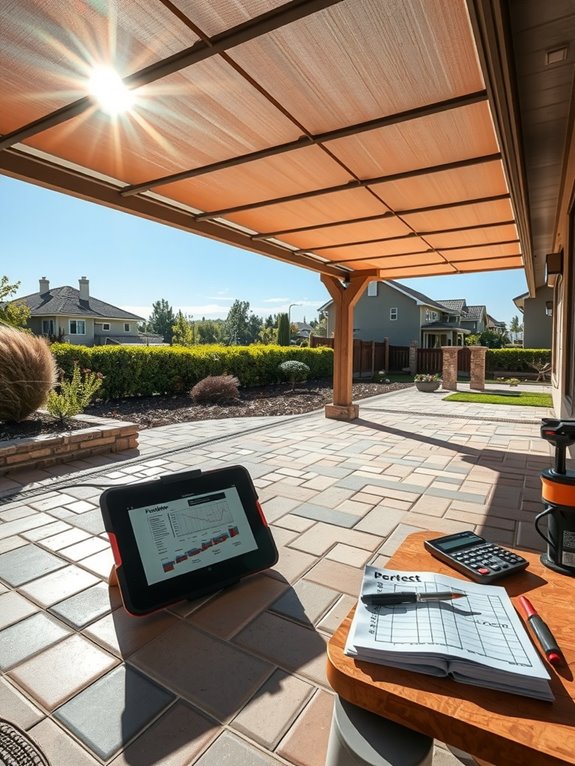
Installation costs add up quickly because several different expenses combine to create your final bill. Labor typically costs $7 to $11 per square foot for aluminum, while permits can range from $1,400 and up depending on where you live.
Labor and Professional Services
When workers come to your home, they’re not just installing the product. They measure your space carefully, create custom pieces to fit exactly, install everything properly, and review the warranty with you to confirm everything is anchored correctly. This skilled work takes time, which is why labor costs exist separately from material costs.
Permits and Local Requirements
Every city has different rules about what you can and cannot build. You’ll need to get approval from your local building department before work begins. This isn’t optional—it’s a requirement. Your city might have specific engineering standards or building codes that apply to your project. The approval process can take weeks, so plan ahead.
Timing Your Installation
Scheduling matters more than most people realize. Winter is the off-season for most installation work, which means contractors have more availability and often offer 10–20% discounts during these slower months. Spring and summer typically cost more because demand is higher. Getting your permits and measurements done in early fall lets you schedule installation for January or February at better rates.
Long-Term Maintenance Costs
Different materials need different levels of care. Some require annual inspections, cleaning, or resealing. Others need repairs after extreme weather. Climate plays a big role too—areas with salt air or heavy snow will see faster wear on certain materials. Budget for these costs from the start rather than facing surprise expenses down the road.