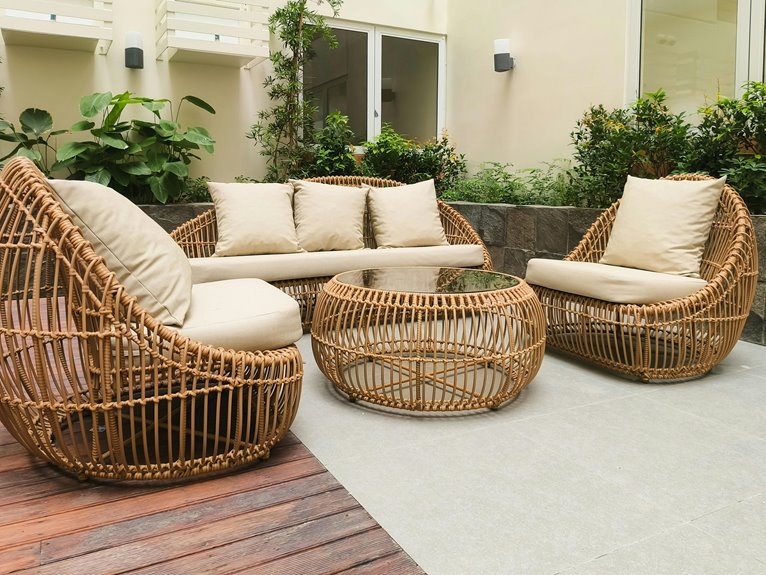
Patio furniture costs more because it faces conditions that indoor pieces never encounter. Salt air, intense UV rays, temperature swings, and constant moisture break down materials quickly, so manufacturers build these pieces differently from the start. Understanding what drives the price helps you make a smarter buying decision.
Why Premium Materials Cost More
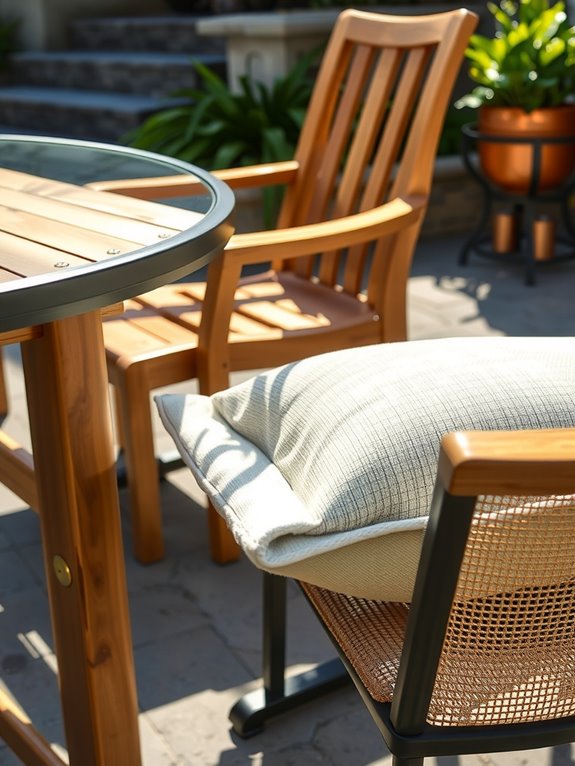
Premium outdoor pieces cost more because they use materials engineered to handle sun, rain, and temperature swings that destroy cheaper alternatives.
Frame Materials
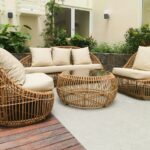
Marine-grade aluminum doesn’t rust the way standard metals do. It’s treated to resist corrosion from salt air and constant moisture, which means your frame stays solid for 10+ years instead of developing orange streaks after one season. Teak wood naturally contains oils that repel rot and insects without needing chemical treatments every spring. HDPE wicker — high-density polyethylene — won’t crack or peel under direct sunlight because it’s designed to flex and recover rather than break down.
Fabric and Cushion Performance
Sunbrella fabrics resist both fading and mildew growth. A cushion made from this material stays vibrant through several summers, while budget fabrics often look washed out and develop dark spots within months. Good cushions use 4 to 6 inches of quick-dry foam with drainage channels that let water pass through instead of trapping it. You’re looking at the difference between needing new cushions every two years versus every five or six years.
The Long-Term Math
A budget patio set costs around $400 and lasts about three years before cushions deteriorate and metal corrodes. Over a decade, you’d buy that same set three or four times — spending $1,200 to $1,600 total. A quality teak set with weather-resistant cushions might run $1,500 upfront, but it’ll still look solid after ten years with minimal repairs. That works out to $150 per year versus $120 to $160 per year for the budget option, but with the quality set you skip the time spent shopping and assembling replacements.
How Construction Quality Determines Durability
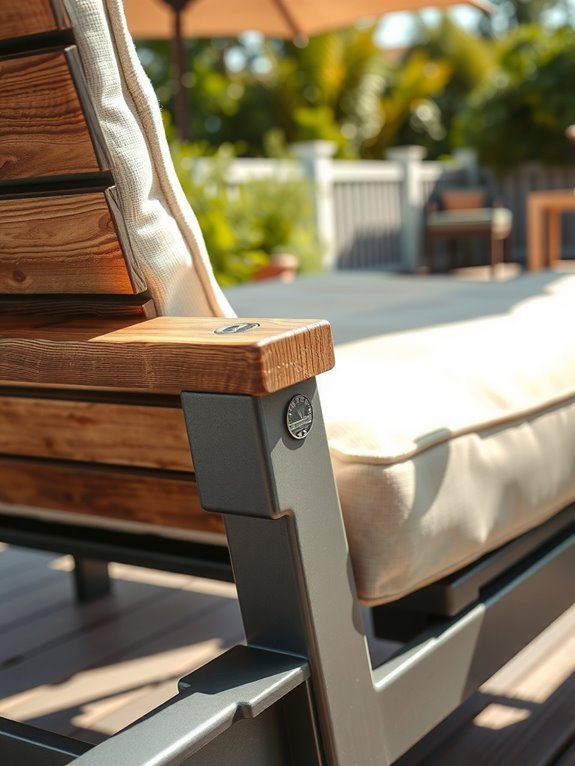
Good materials only take you halfway there. What really separates furniture that lasts from pieces that end up in a landfill is how they’re built together.
Frame Construction
Fully welded frames are what you want. They resist loosening over time and maintain structural integrity through years of use. Bolted or screwed frames will eventually work loose as the furniture moves with temperature changes and settling. When you run your hand along a quality frame, you shouldn’t feel any give or movement at the joints.
Wicker and Finishing
Handwoven wicker with consistent tension prevents sagging under real-world conditions. Loose weaving might look fine in the showroom, but it sags within months once cushions and people put weight on it. For metal frames, multi-step finishing processes — sanding, priming, and applying multiple layers of marine-grade sealant — create a protective barrier that prevents corrosion. Budget furniture often gets a single spray coat that wears through in a season or two.
Hardware and Joinery
The fasteners in outdoor furniture face constant exposure to moisture, salt air, and temperature swings. Standard nails and screws rust quickly. Look for stainless steel 316 for coastal areas or hot-dipped galvanized hardware for general outdoor use. Traditional mortise-and-tenon joinery — where one piece of wood fits into a shaped opening in another — distributes stress across a wider area rather than concentrating it at a single bolt. Both welded frames and quality joinery mean your furniture won’t develop creaks and shifts after a couple of seasons.
Why Weather Resistance Testing Adds to Manufacturing Costs
Testing catches design flaws before products reach your patio. These standardized tests require specialized equipment, trained quality-control staff, and significant time investment.
- UV fade resistance testing — exposes fabric samples to concentrated sunlight for 500 to 1,000 hours, roughly equivalent to 3 to 5 years of normal outdoor exposure
- Salt-spray corrosion testing — sprays saltwater on metal frames for 500 to 2,000 hours to simulate coastal conditions
- Temperature cycling — exposes furniture to swings between 140°F and -4°F to test how materials expand and contract
- Powder-coat adhesion testing — checks that protective finishes stay bonded to metal frames instead of peeling after a few months
Salt-spray chambers cost $40,000 to $80,000 to purchase and operate. A single UV fade test can run 6 to 8 weeks. These costs get built into the price you pay upfront. When you see a premium outdoor chair priced higher than a budget option, part of that difference reflects the testing that happened before it reached your patio.
Why Timeless Design Protects Your Investment
Good patio furniture doesn’t need flashy details to prove its worth. The pieces worth the investment are the ones that look just as good in five years as they do today.
What Timeless Design Looks Like
Timeless pieces have straight edges and simple shapes rather than ornate details. Colors are usually neutral — white, gray, tan, or natural wood tones — so they pair easily with whatever else you add later. A quality outdoor sofa in warm gray coordinates with throw pillows in different patterns without looking mismatched or dated next season.
Materials That Age Well
Teak wood develops a silver patina over time instead of rotting — the natural oils protect it from weathering without much intervention. Powder-coated aluminum frames resist rust and stay strong even in humid climates. Sunbrella and similar performance fabrics don’t fade as quickly as standard outdoor textiles. A well-made cushion cover in solution-dyed acrylic fiber — where color is added during manufacturing rather than applied to the surface — maintains its color for 3 to 5 seasons of regular use.
Building a Cohesive Look
When pieces follow similar design principles, they work together naturally. Matching your dining chairs to your lounge seating through shared materials or silhouettes creates a collected feel. You don’t need every item from one brand, but sticking to similar line weights and finishes helps everything feel intentional. This approach means you can add and replace individual pieces without starting over from scratch.
Why Sustainable Sourcing Commands Premium Prices
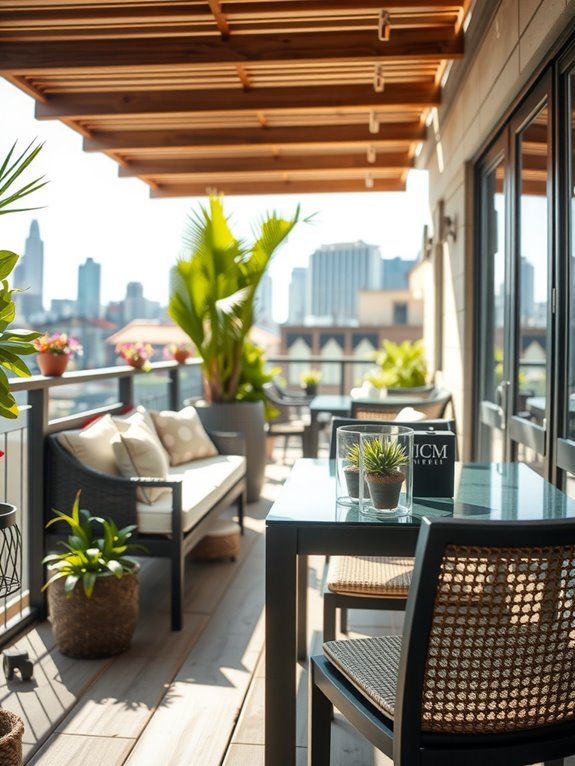
Sustainably harvested teak requires forest certification and selective logging practices that protect surrounding ecosystems. Instead of clear-cutting entire areas, workers harvest individual mature trees and leave the forest intact. That careful approach costs more in labor and planning time than simply taking everything down.
All-weather fabrics use specialized weaves and treatments that prevent fading and mildew growth — your cushions stay usable for 5 to 7 years instead of 1 to 2 years in standard outdoor fabric. Responsible supply chains demand transparent practices and fair wages for workers. You’re paying for documented sourcing that tracks your materials from forest or factory to your patio.
A sustainably made teak dining set with six chairs might run $2,800 to $3,500. A mass-produced alternative costs $600 to $900 but typically needs replacement after 3 to 4 years. Over 15 years, you’ll buy the cheap set 3 or 4 times — spending $2,400 to $3,600 total plus your time and effort shopping and assembling repeatedly.
What Warranty Coverage Tells You About Quality
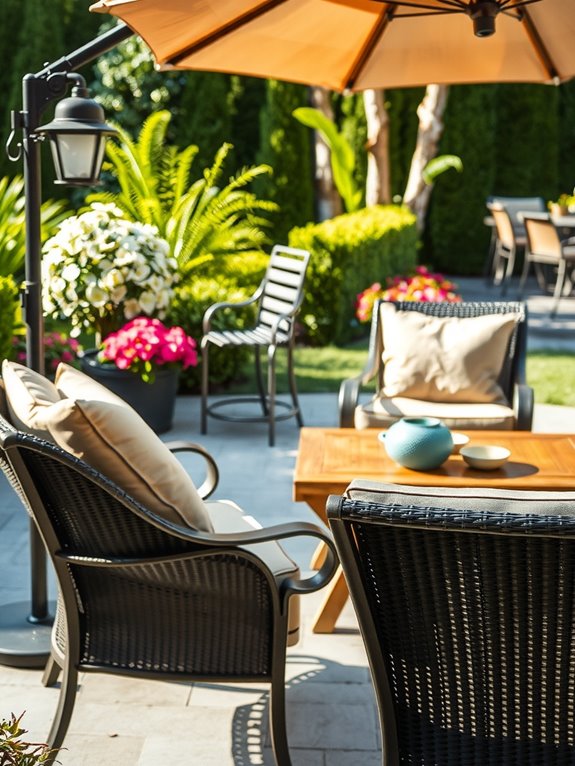
Premium brands offer 5 to 15-year warranties on frames because they’ve engineered them to last through multiple seasons without major issues. Budget brands offer minimal coverage because they know the product won’t hold up. That confidence gap is real information about build quality.
A multi-year fabric fade warranty means your cushions stay vibrant longer instead of fading to a dull gray within a couple of years. Budget fabrics often fade noticeably after just one or two seasons of direct sun exposure, while premium outdoor fabrics hold their color for 5 to 10 years with proper care. When you choose a patio set with a 10-year frame warranty and 5-year cushion warranty, you’re buying a commitment from a company willing to repair or replace pieces if something goes wrong.
Hidden Costs: Shipping and Assembly
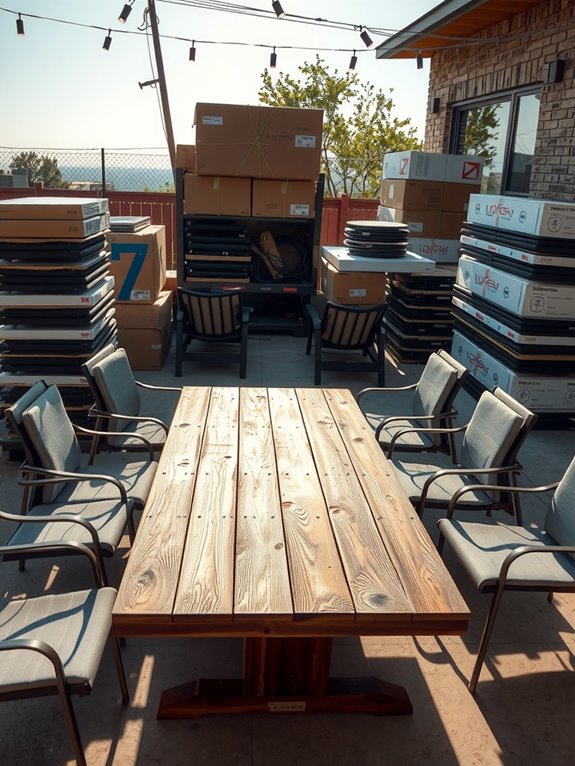
The real cost goes beyond what you see on the price tag. A $800 sectional with $250 shipping and $200 assembly actually costs $1,250. A competitor’s $900 sectional with free shipping and included assembly might be the better deal.
Shipping Costs
Basic delivery fees start at $100 and climb to $400 depending on distance. White-glove delivery — where movers set up your furniture and remove packaging — adds another $150 to $300. Some retailers advertise free delivery but build those costs into the furniture price instead. Protective packaging like bubble wrap, cardboard, and wooden pallets adds 10 to 20 percent to the delivery cost. Return shipping runs $75 to $250 if something doesn’t fit your space.
Assembly Costs
| Service Type | Cost Range | Time Required |
|---|---|---|
| Basic assembly | $50–$150 | 1–2 hours |
| Complex assembly | $150–$300 | 3–5 hours |
| White-glove delivery | $200–$500+ | Full setup |
You can handle some smaller items yourself with basic tools. But larger pieces or anything with adjustable features, hardware connections, or safety-critical components benefit from professional assembly. A professional catches issues early and makes adjustments that keep everything functioning safely for years.
How to Spot Quality Outdoor Furniture
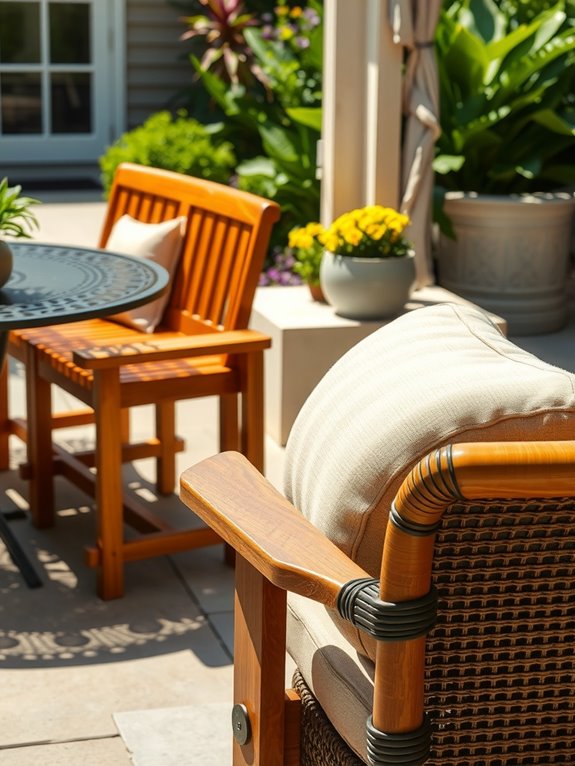
Premium outdoor furniture reveals itself through specific details you can check yourself without any special tools or expertise.
- Frame weight — Marine-grade aluminum feels noticeably heavier than standard aluminum. Pick up a chair and check for white powdery spots at the joints — that’s corrosion, and it shouldn’t be there on quality pieces
- Joint construction — Look underneath and around the frame. You shouldn’t see exposed fasteners or hardware sticking out. Fully welded frames have no separate joints to fail
- Wicker tension — Press on the wicker. It should feel firm with no visible gaps between strands. Loose, springy wicker sags within months under real weight
- Cushion drainage — Good cushions have drainage channels built into the bottom so water doesn’t pool underneath and cause mildew
- Warranty terms — A 5 to 10-year warranty that covers the frame, finish, and replacement parts reflects genuine manufacturer confidence. Check whether they guarantee parts availability for the full warranty period
Protecting Your Outdoor Furniture Investment Year-Round
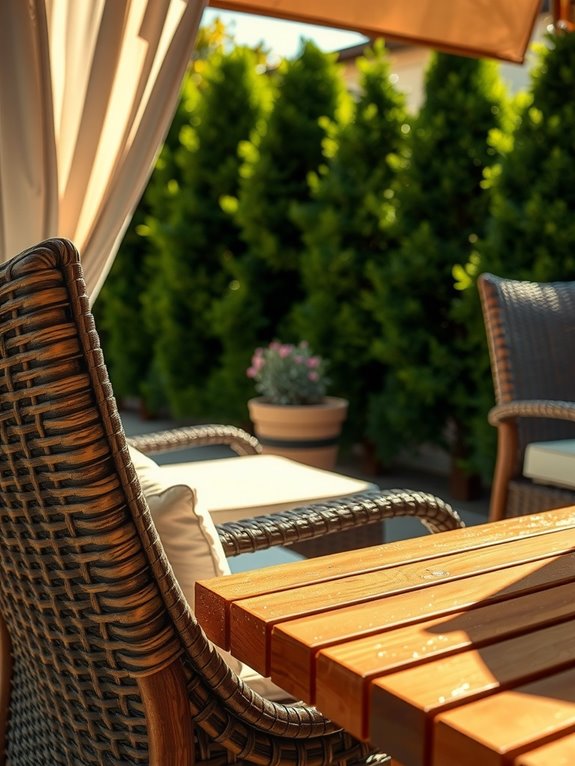
Proper care makes a real difference in how long your pieces hold up. Powder-coated aluminum paired with Sunbrella fabrics gives you a strong foundation — these aren’t fancy upgrades, they’re straightforward choices that add years to your furniture’s life.
Powder-coated aluminum and Sunbrella fabrics are straightforward ways to add years to your outdoor furniture’s life.
Seasonal Protection
Use covers during harsh weather to minimize damage and keep pieces looking newer longer. Bring cushions inside during winter months or store them in a shed. Look for cushions with quick-dry foam and drainage channels that prevent moisture buildup leading to rot and mildew.
Ongoing Maintenance
Apply teak oil once a year to maintain the wood’s natural protective properties. Rinse aluminum frames with fresh water after salt air exposure. Wash cushion covers with mild soap and let them air dry completely before storing. These tasks take about one to two hours annually — far less time than shopping for and assembling replacements.