
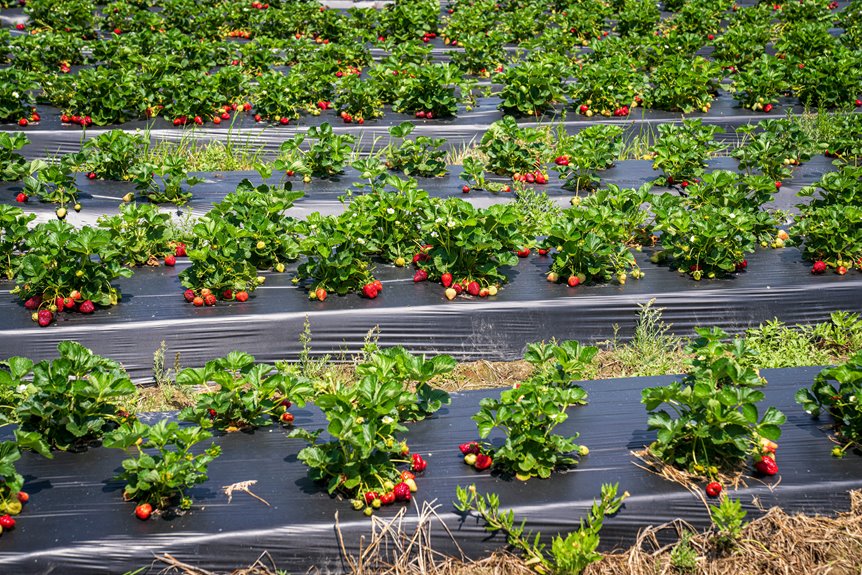
Yes, coffee grounds can help strawberry plants when you use them the right way. Used grounds contain nitrogen and trace minerals that support plant growth, though they won’t work alone as a complete fertilizer.
The main benefit comes from how coffee grounds improve your soil. They help with drainage and break up compacted earth, making it easier for strawberry roots to spread. When you add grounds directly to soil, mix them in lightly rather than piling them thick. A layer more than half an inch deep can actually block water and air from reaching plant roots.
For better results, compost your grounds first. Let them sit in a compost pile for two to three months. This breaks down the caffeine and organic matter, giving you a finished product that plants can use more easily. You can also add grounds to an existing compost bin alongside leaves and kitchen scraps.
Since coffee grounds alone don’t provide all the nutrients strawberries need, combine them with a balanced fertilizer. A 10-10-10 formula works well for strawberry plants. This approach gives your plants nitrogen from the grounds plus the phosphorus and potassium they need for strong growth and fruit production.
Do Coffee Grounds Really Benefit Strawberries?
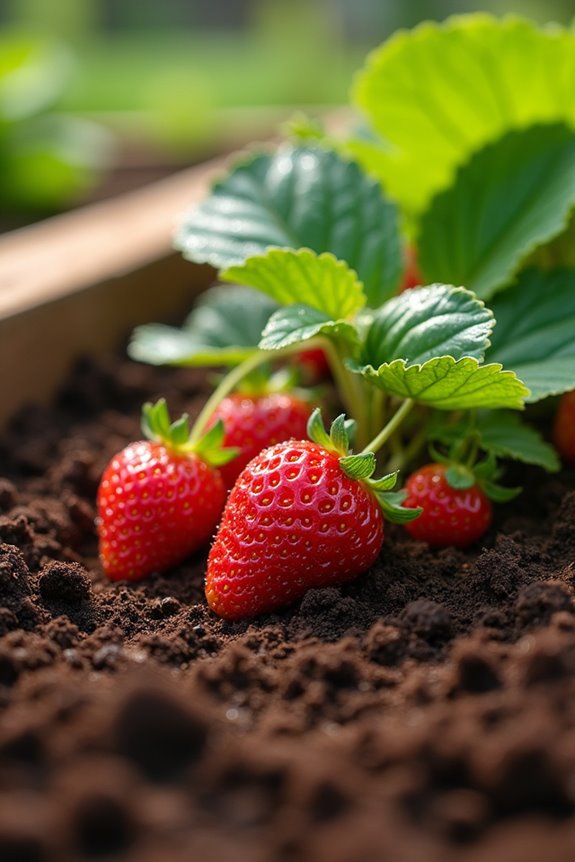
Why do so many gardeners save their coffee grounds for their strawberry beds? The answer lies in modest but real benefits. Used grounds contain nitrogen and small amounts of iron, manganese, and zinc—nutrients your strawberries actually need. However, they’re not a complete fertilizer on their own.
Composting grounds with other organic matter works better than using them raw. This process enhances drainage, prevents waterlogging, and boosts microbial activity in your bed. Strawberries thrive in well-drained soil, and composted grounds help create that condition. Mix small amounts of grounds into a compost pile with leaves, kitchen scraps, and grass clippings. Let the mixture sit for two to three months before adding it to your strawberry beds.
Direct application rarely works well. Applied raw and thick, grounds clump together, blocking airflow and moisture movement. If you want to try using grounds directly, spread no more than one-quarter inch across your bed and work it into the top inch of soil. This approach gives you real results without the mess that thick layers create.
What Nutrients Do Coffee Grounds Provide?
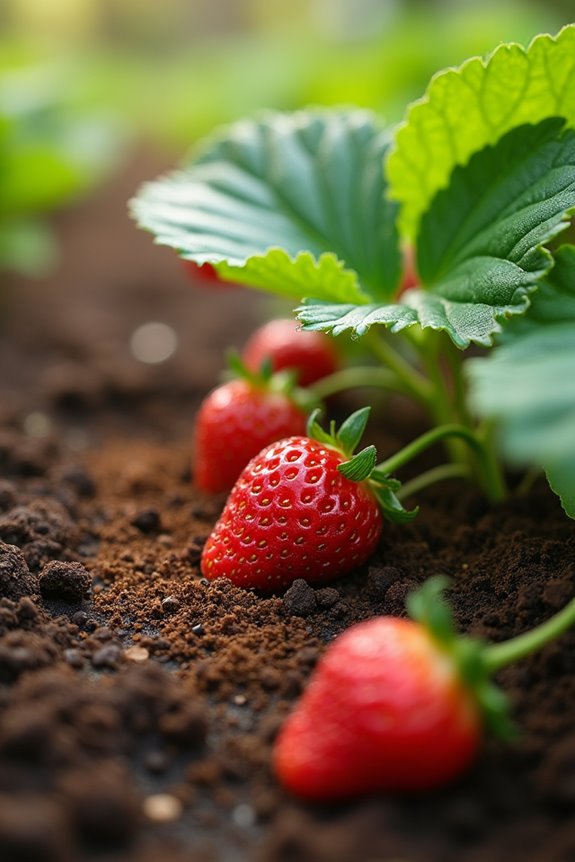
When you add coffee grounds to your strawberry beds, you’re mainly getting nitrogen and trace minerals like iron, manganese, zinc, and boron. However, the amounts are small and spread out, so don’t count on them as your primary fertilizer.
Think of coffee grounds as a helpful addition to your existing nutrient plan rather than a standalone solution. The real benefit comes when you mix grounds into compost first. Over several weeks, they break down gradually and release nutrients in a steadier, more balanced way that strawberry plants can actually absorb and use.
Limited Nutrient Content
Limited Nutrient Content
Coffee grounds can help your strawberry plants, but they won’t do the job alone. Used grounds contain small amounts of iron, manganese, zinc, and boron—nutrients that support leaf color, growth, cell strength, and plant resilience. The catch is that these nutrients show up in modest quantities.
Think of used coffee grounds as a supplement, like a vitamin added to a meal. Your strawberries need consistent, balanced nutrition throughout the growing season to produce healthy fruit. Relying only on coffee grounds leaves gaps in what your plants require.
The best approach is mixing grounds into compost or other organic matter alongside different nutrient sources. This combination gives your strawberries access to a wider range of what they need. For example, you might blend used grounds with aged manure, leaf mold, or a balanced fertilizer rated around 10-10-10 (nitrogen-phosphorus-potassium). Add about one part grounds to three parts other materials, then work this mixture into the soil around your plants in spring before growth starts and again in early summer.
This way, your strawberries receive both the modest benefits of coffee grounds and the fuller nutrition that other sources provide.
Nitrogen And Trace Minerals
Nitrogen And Trace Minerals
Coffee grounds deliver nitrogen and several trace minerals that strawberry plants need, though in small amounts. When you add used grounds to your soil, you’re contributing iron, manganese, zinc, and boron—nutrients that support healthy plant growth. The catch is that these minerals appear in limited concentrations, so coffee grounds alone won’t meet all your plants’ nutrient needs.
Think of coffee grounds as a helpful addition rather than a complete solution. You’ll get better results by combining them with other organic materials. Mix grounds into your compost pile alongside kitchen scraps, leaves, and grass clippings. A balanced approach might look like this: for every two parts compost, add one part coffee grounds by volume. This method ensures your strawberry plants receive adequate nitrogen and trace minerals without depending on any single material.
Building a compost pile takes time. Start layering materials in spring, and you’ll have finished compost ready to use by late summer or early fall—roughly three to four months depending on how often you turn the pile. When you work this finished compost into your soil before planting, your strawberries will have access to a steady supply of nutrients throughout the growing season.
Why Drainage Matters for Strawberry Health
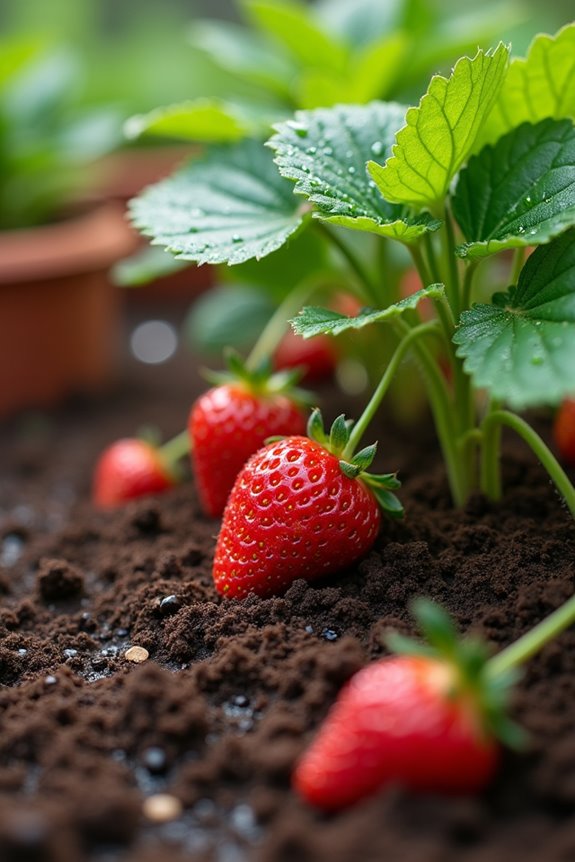
Strawberries need well-drained soil because their roots rot quickly in soggy conditions. When water pools around them for more than a day or two, the roots suffocate and decay sets in.
Adding composted coffee grounds to your soil helps solve this problem. Coffee grounds are porous—they have tiny air pockets throughout—and when you mix them into the top 6 to 8 inches of your bed, they create channels that let water drain faster. Instead of sitting in puddles, excess water moves down through the soil where it can’t harm the roots.
This improved soil structure does two things at once. It prevents water from collecting where your strawberry roots live, and it gives roots more oxygen to access. Roots need both air and moisture to stay healthy, so the balance matters. You can mix in about 1 to 2 cups of coffee grounds per 10 square feet of bed. Work the grounds in during spring before planting or in fall after the growing season ends, and they’ll break down over several weeks while improving your soil’s texture.
Preventing Waterlogged Strawberry Beds
Why do strawberry roots rot even when you’re watering regularly? Poor drainage causes the problem. Your strawberry beds need excellent water flow to stay healthy, and that’s where coffee grounds help.
When you add composted grounds to your soil mix, you improve its structure significantly. Grounds mixed with leaves and dry browns create air pockets that prevent compaction. This balanced compost allows water to drain properly instead of pooling around roots, while also increasing aeration and reducing the anaerobic conditions that harm plants.
The key is composting grounds first rather than applying them raw to beds. Raw applications compact soil and block drainage. By incorporating finished compost—grounds that have broken down for at least two to three months—you’re building soil that breathes while maintaining just enough moisture for your strawberries to thrive in a balanced environment where water moves freely.
Soil Structure And Root Health
How Soil Holds Together
Soil particles naturally cluster around organic matter, creating a framework that either stays loose or becomes densely packed. When soil compacts too much, it squeezes roots so tightly that water and air can’t move through. Strawberry plants in compacted soil show signs of stress—their roots hit resistance when trying to expand, and nutrients become harder to reach.
What Coffee Grounds Do
Composted coffee grounds work by sitting between soil particles, creating small gaps where roots can spread and air can flow. When you mix them into your beds, you’re physically making more space. Here’s the difference you’ll see:
| Benefit | Without Grounds | With Grounds |
|---|---|---|
| Drainage | Poor | Excellent |
| Root Penetration | Restricted | Deep |
| Air Pockets | Minimal | Abundant |
| Compaction Risk | High | Low |
| Plant Vigor | Weak | Strong |
Establishing Stronger Root Systems
With better soil structure, roots spread deeper into the bed rather than staying compressed near the surface. They absorb nutrients more efficiently and anchor plants securely in place. Mix composted grounds into the top 6 to 8 inches of soil before planting, working them in thoroughly so they distribute evenly throughout the growing area. This approach takes about two weeks for the grounds to settle and begin improving drainage.
Fresh vs. Used Grounds: Which Is Safe for Strawberries?
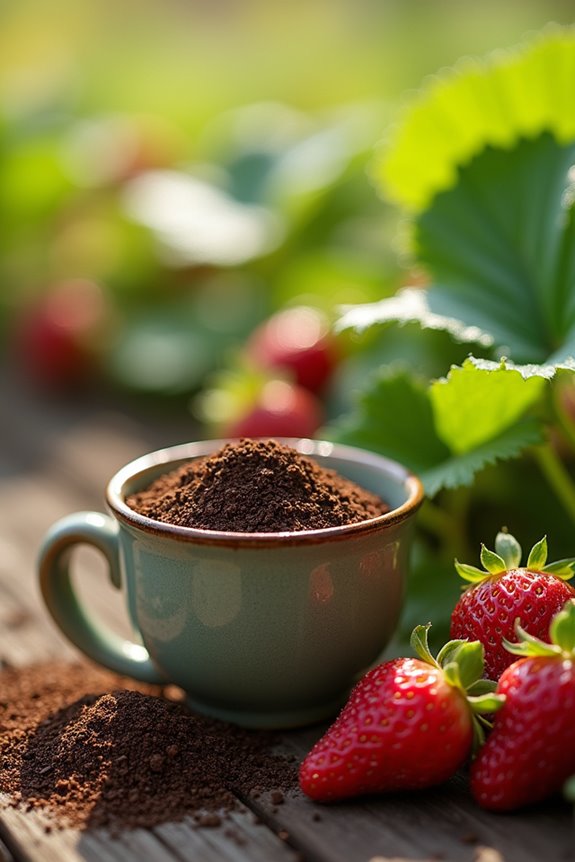
Fresh vs. Used Grounds: Which Is Safe for Strawberries?
When you’re deciding between fresh and used coffee grounds for your strawberry plants, the choice matters. Used grounds are the safer option because the brewing process removes most caffeine, which means less stress on your plants. Fresh grounds still contain higher acidity levels that can damage strawberries and interfere with how they produce fruit.
Understanding Your Options
Used grounds contain modest amounts of nitrogen and trace nutrients without the caffeine. Fresh grounds are acidic and shouldn’t touch soil directly. The key difference is that composting first neutralizes the acidity in either type and makes the nutrients work better for your plants.
Used grounds offer nitrogen and nutrients minus the caffeine, while composting neutralizes acidity for better plant uptake.
How to Apply Grounds Correctly
Mix grounds into your soil rather than piling them thickly on top. This method works whether you’re using fresh or used grounds, though composting them first gives you better results. If you add fresh grounds directly to soil, wait about two to three weeks before planting strawberries in that area so the acidity decreases naturally.
A simple approach: combine one part coffee grounds with three parts finished compost, then work this mixture into the top two inches of soil around your strawberry plants. This protects your plants while delivering nutrients where the roots can actually use them.
How to Apply Coffee Grounds to Strawberry Beds
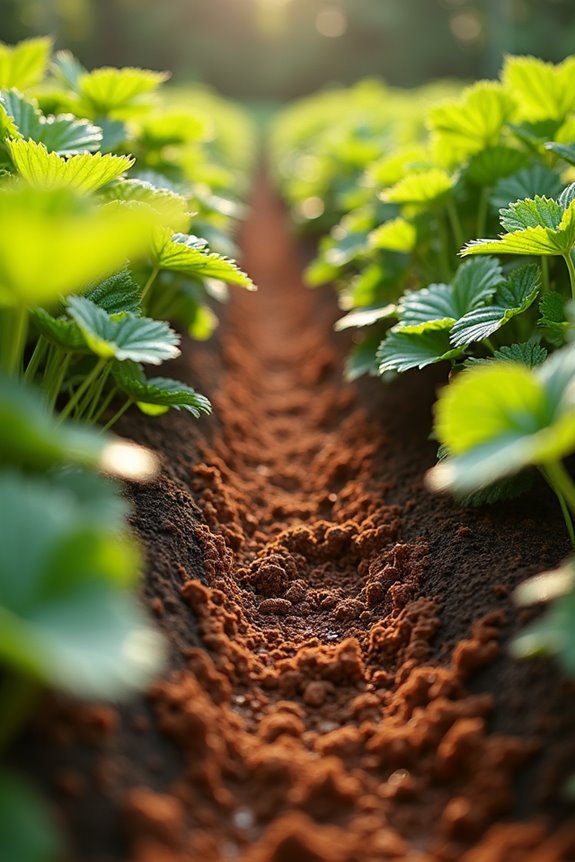
Getting the application right matters when you’re adding coffee grounds to your strawberry beds. The best approach is to compost your coffee grounds first. This process lets them break down properly, which improves soil structure and drainage while reducing waterlogging—a problem that can damage strawberries.
If you want to apply grounds directly to your bed instead, scatter a thin layer around the plants. Never pile fresh grounds against the plant crowns, as this can cause rot and other issues. Think of coffee grounds as one tool among many for building better soil.
Mix your grounds with leaves and brown matter, keeping grounds to about 20% of your total compost volume. This balance maintains the microbial activity that your strawberries depend on. Apply your composted grounds in spring or fall for the best results. You’re building healthier soil over time, not relying on grounds alone to feed your plants.
Should You Compost Grounds First?
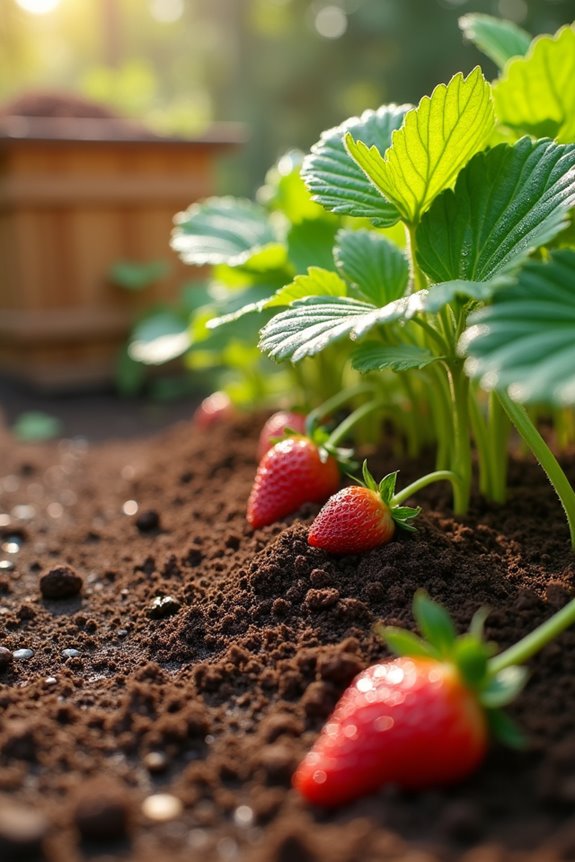
Should You Compost Grounds First?
By composting your coffee grounds before adding them to strawberry beds, you’re giving them time to break down properly and mix well with other organic matter. Fresh grounds can be too acidic or dense, potentially overwhelming your plants. Composting solves this problem.
Keep grounds to about 20% of your compost pile’s total volume. Balance them with leaves and brown materials like shredded paper or straw to support the microbes that do the breaking-down work. Let the mixture decompose over several months before applying it to your beds. If you source grounds from local coffee shops, you’ll reduce kitchen waste while getting a steady supply for your pile.
This composting approach creates a better soil amendment for your strawberries. The aged grounds integrate into your garden’s ecosystem more gently, contributing to soil structure and moisture retention without clumping around your plants or exposing them to excess acidity.
What Common Mistakes Should You Avoid?
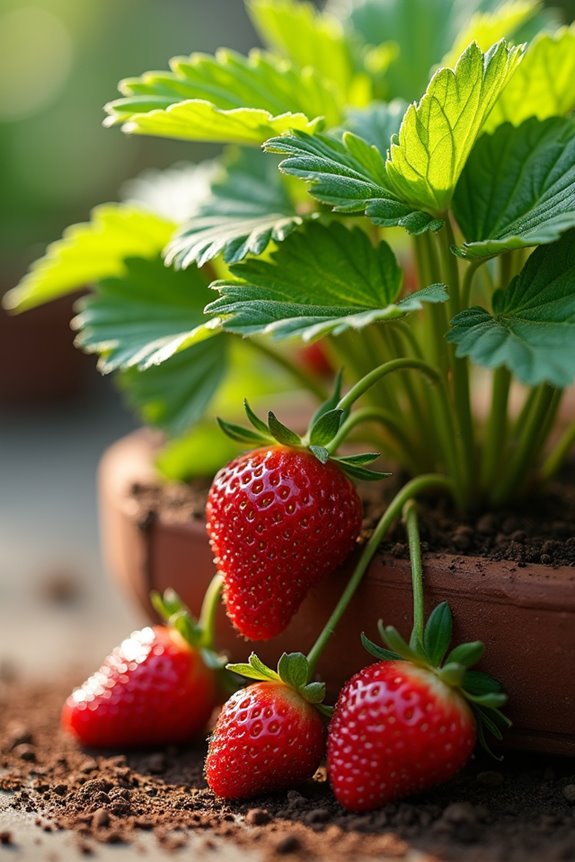
Common Mistakes to Avoid
Fresh coffee grounds straight from your pot will damage strawberry plants before they can help. The caffeine and acid in unused grounds burn delicate roots, so let grounds sit in your compost pile or save them for at least a week before using them on soil.
When you do apply grounds, keep the layer thin. A thick pile of grounds compacts together, blocking oxygen from reaching your roots and creating a barrier instead of a benefit. Scatter grounds lightly around your plants or mix them into the top inch of soil where they can break down gradually.
Coffee grounds alone won’t feed your strawberries well enough. They contain nitrogen but lack the full range of nutrients plants need to produce fruit. If you only use grounds as fertilizer, your plants will weaken. Instead, combine grounds with a balanced fertilizer that has nitrogen, phosphorus, and potassium in equal or nearly equal amounts. This combination gives your strawberries what they actually need to grow strong fruit throughout the season.
Where to Source Free Coffee Grounds
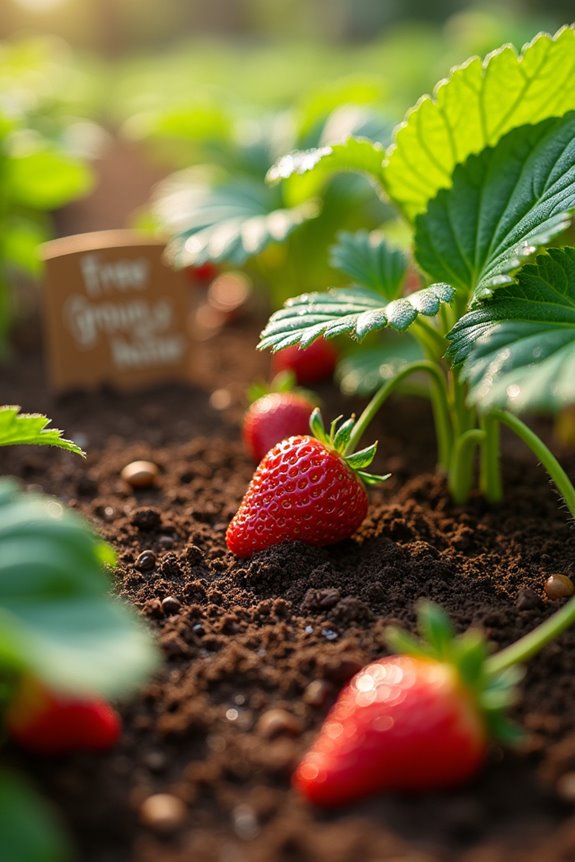
Once you decide to use coffee grounds for your strawberry beds, you’ll find that gathering them costs nothing. Many places in your area will give away free grounds if you simply ask.
Places to Check for Free Grounds
Local coffee shops. Visit independently owned cafés with a bucket or container. The staff usually collect grounds throughout the day and are happy to have gardeners take them. This works well because you get to know the owner, and they know to save grounds for you on future visits.
Starbucks locations. Most stores keep used grounds available for customers who request them. Call ahead to confirm availability, since some locations may have different policies.
Your workplace. If your office has a coffee maker, ask your break room manager if you can collect the grounds. You might gather 1 to 2 cups of grounds per day depending on how many people use it.
Friends and neighbors. Ask people who brew coffee at home to save their grounds for you. One household that brews daily can provide roughly 2 to 4 cups of grounds per week.
Using Your Coffee Grounds
Before spreading grounds directly on your strawberry beds, mix them with compost or other organic matter. Fresh grounds work best when combined with materials like shredded leaves or finished compost at a ratio of about 1 part grounds to 3 parts organic matter. This prevents the grounds from matting down and allows water to move through the soil properly. Apply this mixture in a 2- to 3-inch layer around your plants, keeping it a few inches away from the stems.
Can You Combine Coffee Grounds With Other Fertilizers?
Combining Coffee Grounds With Other Fertilizers
Coffee grounds alone won’t give your strawberry plants everything they need. While they do provide small amounts of nitrogen and micronutrients like iron and manganese, that’s not sufficient for healthy growth.
Instead, mix your coffee grounds into compost with other materials like leaf humus, bark compost, or slow-release fertilizers. This creates a balanced blend that covers more of your plants’ nutritional needs. When you compost the coffee grounds first before applying them, you’re also improving how well your soil drains and holds its structure.
Here’s how to apply the mixture: spread it thinly across your soil and work it in rather than piling it on top. A thin layer—about half an inch to an inch—works better than a thick heap. This approach prevents mold from developing and lets water and oxygen reach your strawberry roots properly. You’re building a complete feeding plan that supports healthy, productive plants.