

How Deep to Plant Elephant Ear Bulbs in 7 Simple Steps
Depth Matters by Your Location
Plant elephant ear bulbs 2–4 inches deep in most climates. If you live in a colder zone like Pittsburgh, go deeper and plant them 4–6 inches down. The extra depth protects bulbs from freezing temperatures over winter. Larger bulbs need more depth than smaller ones, so adjust accordingly based on the size you’re working with.
Prepare Your Soil
Elephant ears like rich soil that drains well. Before planting, work compost or aged manure into your planting area. This gives bulbs the nutrients they need and prevents water from sitting around the roots, which causes rot.
Position and Space
Place each bulb with its pointed end facing up. This is the growing tip where shoots will emerge. Space bulbs about 4 feet apart since they grow fairly large and need room to spread out.
Water and Mulch
Water thoroughly right after you backfill the hole. Then add 2–3 inches of mulch around the planting area. Mulch keeps the soil moist and helps regulate temperature changes in the top few inches of soil.
Maintain Moisture Levels
Keep the soil consistently moist for the first 4–6 weeks after planting. This period is when roots are developing and establishing themselves. Once plants are growing actively, they’re more forgiving of occasional dry spells, though they still prefer steady moisture.
Monitor Progress
Strong root development happens when conditions stay stable. Consistent moisture, good drainage, and balanced soil temperature all work together to support healthy growth below the surface, which leads to vigorous growth above it.
Step 1: Check Your Zone to Determine Planting Depth
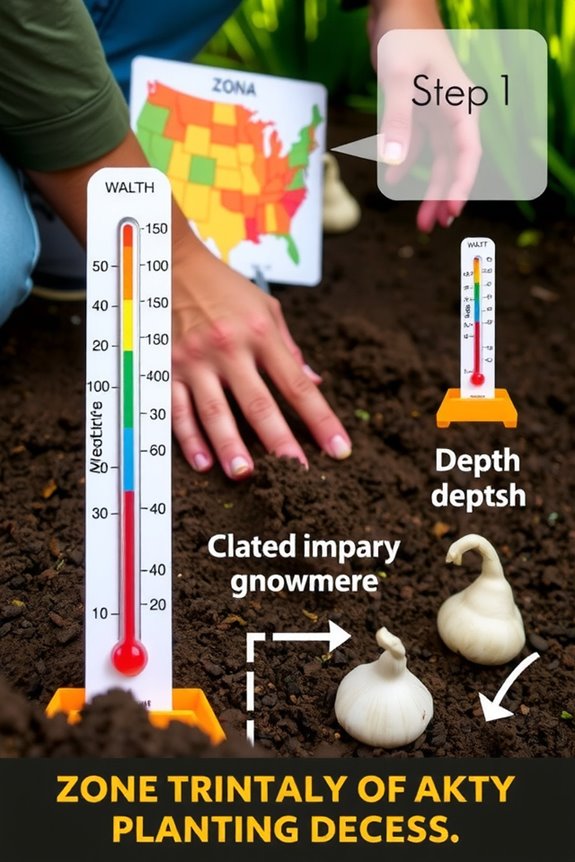
Where you live matters more than you might think when planting elephant ear bulbs. The colder your region, the deeper you need to plant. In Zone 6 or 7 areas like Pittsburgh, plant your bulbs 4–6 inches deep. This depth protects them from freezing temperatures during winter. Warmer zones allow shallower planting since you’re not dealing with harsh cold.
Your bulb’s size also affects how deep to plant it. Larger bulbs need more soil on top for support and insulation. A small bulb might go 2–3 inches down, while a large one goes closer to 6 inches.
Different types of elephant ears handle depth differently too. Alocasia Odora and Caladium Pink China, for example, may have slightly different preferences. Check the instructions that come with your specific bulbs and consider what your local climate demands. This first step sets the foundation for everything else you’ll do when planting.
Step 2: Choose Depth for Winter Survival
Now that you’ve figured out your zone and your bulb’s size, it’s time to protect your elephant ears through winter. Most gardeners find that deeper planting improves survival rates significantly. Instead of the shallow 1–2 inches used for some ornamentals, plant your bulbs 4–6 inches deep. The exact depth depends on your climate zone—colder areas benefit from the deeper end of this range.
Larger bulbs especially need this deeper placement because it provides insulation against freezing. The soil above acts like a blanket, keeping your bulbs dormant and protected underground. I’ve seen gardeners in Zone 5 plant their larger elephant ear corms at 6 inches and have much better results than those planting at 4 inches.
Check the recommendations for your specific elephant ear variety before planting. Some cultivars tolerate deeper winter depth better than others. By adjusting your planting depth based on your bulb size and location, you’re setting up your bulbs to return stronger in the next growing season.
Step 3: Prepare Soil for Your Elephant Ear Bulbs
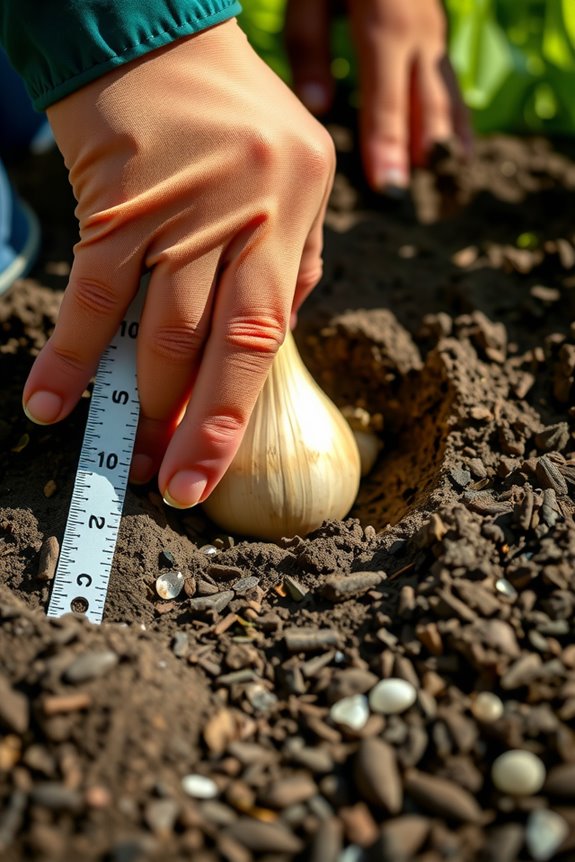
Step 3: Prepare Soil for Your Elephant Ear Bulbs
The soil you prepare acts as the foundation for your elephant ears. Before planting, mix compost or other organic matter into your planting area. This step enriches the soil and helps it hold moisture while still draining properly.
When you dig your planting hole, blend the removed soil with the surrounding soil to create a consistent bed throughout. This mixed approach helps bulbs establish roots more effectively than planting in a pocket of amended soil surrounded by poor soil.
Your goal is rich, well-draining loam. This means soil that holds enough water for the plant to use but doesn’t stay soggy. You want neither waterlogged conditions nor bone-dry earth.
Position each bulb with its pointed end facing upward and plant it 4 to 6 inches deep. After filling in the hole, water deeply to settle the soil and remove air pockets. This completes your preparation.
Step 4: Position the Bulb at the Correct Depth
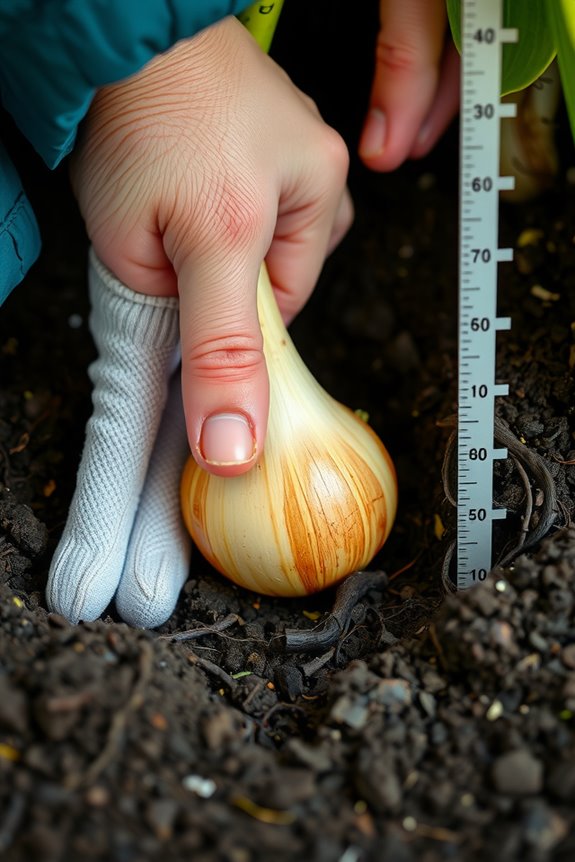
Planting depth matters more than you might think. Your elephant ear bulb needs to sit at a specific level in the soil, and that level depends on two main factors: how big your bulb is and where you live.
Planting depth matters more than you might think—it depends on your bulb’s size and your local climate.
In most climates, place the root end at or just below the soil surface, about 1 to 2 inches deep. This shallow depth works especially well in light, sandy soils that drain quickly. If you live somewhere with harsh winters and freezing temperatures, go deeper instead. Plant your bulb 4 to 6 inches down. The extra soil above provides insulation when cold weather arrives.
Larger bulbs generally need deeper placement than smaller ones. A bulb the size of a tennis ball wants more depth than a marble-sized tuber. When you fill soil back in around your bulb, keep the top covered and pack the soil firmly to remove air pockets that could expose roots or cause the bulb to shift. Match your planting depth to both your bulb’s size and your local winter conditions, and your bulb will have a solid start.
Step 5: Space Bulbs and Backfill Firmly
Space your bulbs about 4 feet apart. This gives each bulb room to develop without competing for nutrients or water. When you backfill the hole, press the soil down with moderate firmness. You want contact between soil and bulb, but not so much pressure that you remove all air from the soil. Air pockets can block root development, so fill gradually and press as you go.
After the hole is filled, water thoroughly. The water helps settle the soil around the bulb and closes any remaining gaps naturally. You don’t need to water again for several days unless your area is unusually dry.
Optimal Spacing Requirements
Optimal Spacing Requirements
Spacing matters because crowded bulbs fight each other for water, nutrients, and light. When plants are too close together, they stay small and become more likely to develop diseases. Space your elephant ear bulbs about 4 feet apart to give each one room to develop properly.
When backfilling your planting hole, press the soil around your bulb gently but firmly. You want to stabilize the bulb without squeezing the soil so hard that you remove the air pockets roots need. Push soil into the hole gradually, making sure it contacts the bulb on all sides.
Plant your bulb 1 to 2 inches below the soil surface. The hole should match your bulb’s size so roots have room to spread without being forced deeper than needed. Keep the soil consistently moist throughout the growing season, from spring planting through late summer or early fall. Correct spacing paired with proper planting depth gives your elephant ears the foundation they need for healthy, full growth.
Backfilling Soil Technique
Once you’ve positioned your bulb with the pointed end facing up, it’s time to fill the hole back in. Use the same soil mix from your surrounding bed so the bulbs settle naturally into their spot.
Backfill firmly but avoid packing too tightly. Air pockets around bulbs can cause problems, so work the soil gently around them. This balanced approach gives your bulbs proper support while allowing roots to penetrate easily.
Water deeply after backfilling. This step settles the soil and establishes moisture contact with your bulbs. The water helps compact soil naturally while providing the hydration your elephant ears need to develop strong roots. Water the area until the soil feels moist about 2 to 3 inches down—you can check by pushing a finger into the ground to verify.
Avoiding Air Pockets
When you’re filling the hole around your bulb, you need to focus on two things at once: spacing your bulbs correctly and backfilling without trapping air pockets. Space bulbs about 4 feet apart. This gives mature canopies room to grow and lets air circulate freely around each plant.
As you backfill, press the soil firmly around the bulb, but don’t squeeze it too tight. Air pockets are small gaps that act like moisture wells. They pull water away from the roots instead of letting it stay where roots need it most. This stops roots from making good contact with the soil.
Fill gradually and check that soil settles evenly at your planting depth. After you’ve backfilled completely, water deeply. This final watering step settles any remaining soil and eliminates hidden air pockets that you can’t see. When the soil makes solid contact with your elephant ear bulb, the plant has a stable foundation for healthy emergence and strong growth.
Step 6: Water Deep and Mulch to Protect Bulbs
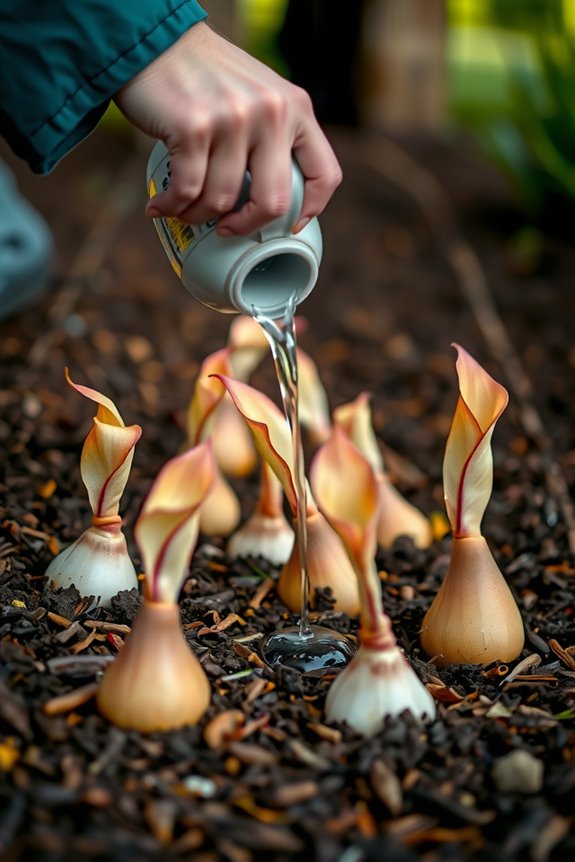
Step 6: Water Deep and Mulch to Protect Bulbs
Water your newly planted elephant ear bulbs thoroughly right after planting. This settles the soil around them and gives them the moisture they need to start growing. For the next 4–6 weeks, keep the soil consistently moist but not waterlogged while the roots and shoots are developing.
Water elephant ear bulbs thoroughly after planting, then keep soil consistently moist for 4–6 weeks as roots develop.
Add a 2–3 inch layer of organic mulch—shredded bark or compost work well—around your bulbs. The mulch holds moisture in the soil, keeps the temperature steady, and blocks weeds from competing for nutrients. You won’t have to water as often with this protective layer in place.
During warm weather, check your soil a few inches deep every few days. If it feels dry to the touch, water again. If it feels wet and sticky, hold off. This balance between dry and soggy gives your bulbs the steady conditions they need to develop strong roots for the growth ahead.
Step 7: Identify Problems If Bulbs Don’t Sprout
Identify Problems If Bulbs Don’t Sprout
Several weeks have passed and you still see bare soil. Before you assume something went wrong, know that delayed sprouting happens regularly with elephant ears. A few common issues are likely at work.
Check your soil temperature first. Elephant ear bulbs need warmth to wake up and push through the soil. If your soil temperature sits below 65°F, the bulbs are simply waiting. This is especially common in cool climates where spring arrives slowly. Once soil consistently reaches 65°F or warmer, sprouting usually follows within one to three weeks.
Next, look at how deep you planted. Bulbs planted too deep must travel farther to reach sunlight, which slows or stops emergence. Bulbs planted too shallow may dry out before they sprout. Compare your planting depth to the guidelines for your specific bulb size. Most elephant ear bulbs should sit 2 to 4 inches below the soil surface.
Examine moisture levels carefully. Overly dry soil prevents growth because the bulb can’t absorb water to start the sprouting process. Waterlogged soil, on the other hand, causes rot and decay. The soil should feel like a wrung-out sponge—moist but not soggy. If drainage is poor in your planting area, water may sit too long. Consider adding compost or sand to improve how quickly water moves through the soil.
Consider your specific elephant ear variety. Different types have slightly different preferences for temperature and moisture. Some varieties sprout earlier than others. If you know the exact type you planted, checking its specific needs can clarify whether your setup matches what it requires.
| Problem | Cause | Solution |
|---|---|---|
| No sprouting | Soil below 65°F | Wait for consistent warmth |
| Delayed emergence | Planting too deep or shallow | Plant 2 to 4 inches deep |
| Rot or decay | Waterlogged soil | Add compost or sand for drainage |
| Slow growth | Dry soil | Water to maintain moist conditions |
| Inconsistent results | Variety differences | Research your specific elephant ear type |