

You shouldn’t swim in a cloudy pool. When water loses clarity, lifeguards can’t spot a struggling swimmer quickly enough. In clear water, a rescuer spots distress in 3 to 5 seconds. In cloudy water, that same rescue takes 10 to 15 seconds or longer, which matters because your brain needs oxygen constantly. Even a few extra seconds without air can cause lasting damage.
Cloudy water creates other problems too. You can’t judge how deep the pool actually is, and you won’t see rocks, drains, or other hazards below the surface until you’re right on top of them.
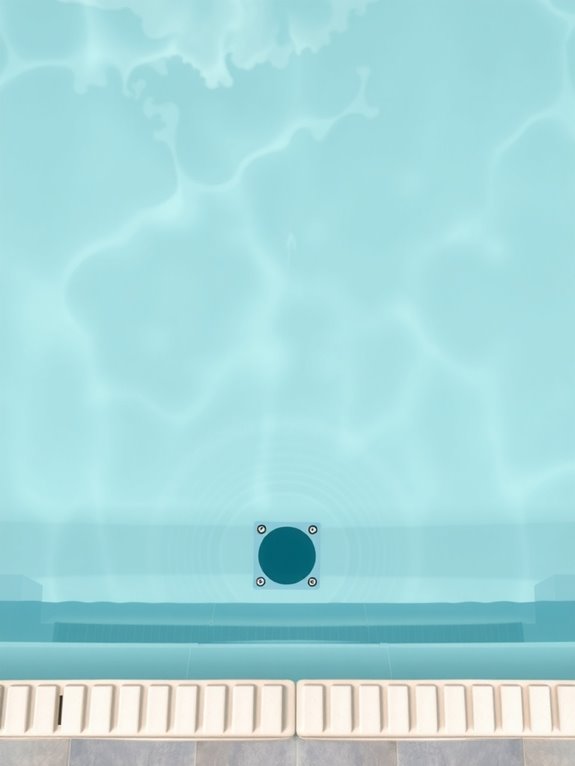
Before you get in the water, do the drain test. Stand at the pool’s edge and look straight down at the bottom. Can you see the main drain clearly. If the answer is no, the pool needs attention first. The water needs better filtration and chemical balancing to become safe for swimming.
Understanding why pools turn cloudy helps you prevent the problem. Cloudiness usually comes from algae growth, improper chemical levels, or a filter that isn’t working well. Once you know what’s causing it, you can work with pool maintenance to fix it before anyone gets in the water.
Can You Swim in a Cloudy Pool?

Can You Swim in a Cloudy Pool?
Why shouldn’t you jump into a cloudy pool? Poor visibility in cloudy water creates serious safety risks. When you can’t see the pool bottom clearly, you’re unable to spot hazards, assess depth accurately, or locate other swimmers. This lack of visibility puts everyone at risk of injury.
Poor visibility in cloudy pool water creates serious safety risks by preventing you from spotting hazards or locating other swimmers.
Cloudiness usually comes from dirt, debris, or chemistry problems like low chlorine levels. These issues affect both safety and sanitation. To check if a pool is safe, look for the drain at the deepest point. You should be able to see it clearly from the edge. If you can’t see it, the water isn’t ready for swimming yet.
Wait until the water turns completely clear before getting in. This gives the pool time to filter out particles and build back up proper chlorine levels, which typically takes 24 to 48 hours depending on how cloudy the water is. Clear water means you and other swimmers can see hazards and each other, which keeps everyone safer.
The Drain Test: Your First Safety Check

Walk to the deepest part of the pool and look straight down at the bottom. You’re searching for the main drain. If you can see it clearly through the water, that’s good. If the water is too cloudy and blocks your view, the pool isn’t ready for swimmers.
This visibility check matters because lifeguards and swimmers both need to see the drain clearly. A cloudy pool hides important safety features. When you can’t see the bottom from the deep end, that’s your signal to keep people out of the water until it clears up. The pool should stay closed until the cloudiness goes away and the drain becomes visible again.
Locating The Main Drain
Before anyone enters a cloudy pool, ask yourself one question: can you see the main drain on the pool’s floor from the surface?
Look straight down at the deepest part of your pool. The main drain sits there, typically centered on the bottom as a dark circular opening where water gets pulled through the filtration system. In clear water, you’ll spot it easily.
When cloudy water blocks your view of that drain, stop. Don’t swim. This isn’t being overly cautious. Reduced visibility increases drowning risk because lifeguards and swimmers can’t see struggling people underwater. A person in trouble becomes invisible when the water turns murky, and that’s when accidents happen.
Make this your routine before every swim session. Walk to the pool’s edge and peer down at the deepest section. Can you see that drain clearly? If yes, proceed. If no, wait until the water clears.
This simple check takes 30 seconds and could prevent a serious incident. The visibility rule applies whether you’re supervising children, swimming alone, or at a public pool. No exceptions.
Assessing Visibility Standards
Assessing Visibility Standards
That drain-spotting check you just learned isn’t just a helpful tip—it’s your pool’s visibility standard, the measurable line between safe and unsafe water. You’re establishing whether conditions support safe swimming and supervision.
What you’re really assessing:
The visibility standard has three connected parts. First, you must see the main drain distinctly from the pool’s surface. Second, water transparency matters because cloudy water that obscures depth markers signals inadequate visibility. Third, clear visibility lets lifeguards detect struggling swimmers quickly.
Why this matters for safety:
Cloudy water prevents you from spotting hazards and monitoring swimmers. This isn’t overly cautious—it’s practical safety. If you can’t see the drain clearly, the water lacks sufficient transparency for safe entry. This standard applies every single time you approach the pool, regardless of how inviting it looks.
When water clarity drops, your supervision ability drops with it. A lifeguard positioned 10 feet from the edge might easily spot a swimmer in clear water but miss someone in difficulty in cloudy conditions. The difference between seeing and not seeing can be just a few inches of water clarity.
When To Close Pools
When To Close Pools
You need to know when a pool becomes unsafe. The drain test tells you quickly whether conditions are acceptable. Stand at the pool’s edge and look straight down at the deepest part. Can you see the main drain clearly and distinctly?
If you can’t see it, close the pool right away. Cloudiness means chemical imbalances or debris are present in the water. These problems make it impossible to spot swimmers who are struggling, which increases drowning risk significantly.
The test takes about 10 seconds but catches serious hazards. When visibility is blocked, you can’t do your job of watching everyone safely. Keep the pool closed until the water clears and a professional checks that the chemical balance is correct. This step protects the people who use your pool.
The Shadow Test: Visibility Standard for Safe Swimming

Before you jump into a pool, use this simple check to decide if the water is safe. Look down at your feet or at your shadow on the pool bottom. What you see tells you whether conditions are good for swimming.
How the Shadow Test Works
Clear shadow visible – The water is clear enough for safe swimming. You can see the pool bottom, spot obstacles, and judge how deep the water is.
Cloudy water obscuring your feet – When you can’t see your feet clearly, your ability to judge distance and spot hazards gets worse. This cloudiness usually means particles or algae are floating in the water, blocking your view.
No shadow at all – The water is too murky. Don’t swim until the water clears up.
Why This Test Matters
Cloudy water reduces your ability to recognize underwater obstacles and judge distances accurately. When visibility drops, you can’t see the pool bottom clearly, which makes it harder to notice dangers like drains, rocks, or drop-offs. A swimmer who can’t see clearly is more likely to get hurt or panic.
The Shadow Test is repeatable and straightforward. You don’t need special equipment or training. Every time you approach a pool, you can perform this check in seconds and get an objective answer about whether conditions support safe swimming.
This test aligns with drowning-prevention guidelines used by water safety organizations because it addresses the core problem: when you lose visibility, your safety is compromised.
Why You Can’t See a Struggling Swimmer
Cloudy water creates a serious problem for anyone trying to spot a swimmer in trouble. Even from just a few feet away, murky conditions block your view of their movements and body position. What might take two or three seconds to notice in clear water can stretch into several critical minutes when visibility drops, and by then a swimmer may have already gone under.
The problem gets worse because of hidden hazards below the surface. Pool drains, unexpected changes in depth, and the pool bottom itself become invisible obstacles. You can’t assess these dangers or help someone avoid them until it’s too late.
Detection works fastest in clear conditions. In a pool or lake with good visibility, a trained lifeguard might spot signs of trouble—unusual positioning, lack of arm movement, or a vertical body position—within seconds. Add cloudy or dark water, and that response time jumps to minutes. That delay matters because a person struggling in water doesn’t always call for help or thrash around the way people expect. Often they’re silent and still, making them even harder to find in poor visibility.
The water itself changes how sound travels too. Noise becomes muffled and distorted, so you might not hear someone if they do try to call out. This combination of reduced sight and muffled sound means cloudy water removes two of your main ways to detect trouble quickly.
Visibility Loss And Drowning
When water becomes cloudy, lifeguards face a real problem. They can’t see swimmers who are struggling below the surface, which means rescue efforts take longer. A lifeguard stationed at poolside needs to spot a person in trouble quickly—usually within seconds—but murky water makes this nearly impossible.
Here’s what happens when visibility drops:
- Lifeguards miss distress signals because swimmers remain hidden underwater
- Rescue delays occur because spotting someone takes much longer than it should
- Those critical first moments slip away while help searches without being able to see clearly
When you’re swimming in cloudy water, your own depth perception fails. You can’t accurately judge how far away objects are or spot hazards beneath the surface. This leads to head injuries and collisions that might not happen in clear conditions.
Cloudiness also indicates sanitation problems in the pool. Poor water quality compounds the danger. You shouldn’t enter any pool until the water clears to at least 6 feet of visibility—that’s the minimum standard lifeguards use to do their jobs effectively. Waiting for clarity isn’t being cautious. It’s being smart about your safety.
Detection Delays In Murky Water
The real danger in cloudy water goes deeper than what you see on the surface. When visibility drops, you can’t spot a struggling swimmer quickly enough to help. A person underwater can disappear in seconds, hidden by the murk surrounding them.
This detection delay matters enormously because rescue workers rely on seeing the pool bottom and swimmers’ movements to respond fast. In murky conditions, that precious time slips away. Even strong swimmers can struggle silently beneath the surface, invisible to lifeguards and other swimmers nearby.
Here’s what happens in real situations. A lifeguard positioned at poolside can typically spot a swimmer in clear water within 3 to 5 seconds of them going under. In cloudy water with reduced visibility—say, less than 3 feet of sight depth—that same detection can take 10 to 15 seconds or longer. Those extra seconds matter when someone needs help.
This is why pools enforce visibility checks before opening. Staff measure how far down they can see using a weighted disk called a Secchi disk. If visibility drops below a certain threshold, usually around 6 feet, the pool may close or restrict use. They’re protecting you from dangers you can’t see coming.
Hidden Hazards Below Surface
How quickly can you spot someone in trouble underwater? In cloudy water, you can’t. That’s the real danger lurking beneath the surface.
When visibility drops below 3 feet, several hazards emerge at once. You’ll miss a struggling swimmer until it’s too late. Underwater obstacles become invisible collision risks. Your depth perception fails, causing disorientation. A child submerged just 6 feet away becomes completely hidden.
Rescuers lose precious seconds locating someone in distress. Those seconds matter enormously—brain damage begins within 4 to 6 minutes without oxygen. You also won’t spot drains, rocks, or debris that could injure you. Your brain relies on visual cues to navigate safely. Without them, you’re essentially swimming blind.
This is why visibility checks exist. Before entering any pool, look down and count how far you can see clearly into the water. If you can’t see at least 3 feet down, the water isn’t safe for swimming. That simple check is your safety line.
Diving and Jumping Hazards in Cloudy Water
When you can’t see the pool bottom, diving and jumping become risky. Your depth perception suffers when visibility drops below about 6 feet of clear sight line, making it nearly impossible to judge the actual distance to the floor. You might misjudge that distance and hit your head or neck on the pool floor, which can cause serious damage to your spine.
Even shallow areas pose problems. A jump you’d normally handle without thinking could result in a head injury when visibility is poor. I once watched a strong swimmer misjudge a shallow end in slightly cloudy water and come up with a gash on his forehead—something that never would have happened in clear conditions.
Experienced swimmers know that visibility matters for safe diving and jumping. Before attempting either activity, you need to see the entire pool bottom clearly. If conditions are cloudy, wait for them to improve rather than risking injury. This isn’t about being overly cautious. It’s about understanding that your body relies on what your eyes can see to move safely through water.
Three Root Causes: Environmental, Mechanical, and Chemical

Why does pool water turn cloudy in the first place? Three main problems disrupt your swimming experience.
Environmental causes bring unwanted visitors to your pool. Storm runoff, pollen, and dust enter the water after heavy rain. Forest fire smoke can reduce how well chlorine works in your pool. When contaminants pile up faster than your filter can handle them, the water starts to look murky instead of clear.
Mechanical issues create circulation problems. Your filter might stop working properly, which lets debris settle in corners and low spots where water doesn’t move. When some areas of your pool stay still while others flow normally, dead spots form and water clarity suffers.
Chemical imbalances trigger cloudiness too. Low free chlorine means your sanitizer can’t kill bacteria and algae effectively. High pH levels, high alkalinity, or too much calcium hardness prevents your chemicals from doing their job properly, even if you add the right amounts.
To fix cloudy water, you need to work on all three areas at once. Get your filter running smoothly and improve water movement throughout the pool. Test your water and adjust chlorine, pH, and alkalinity back to normal ranges. A clarifier product can help after you’ve fixed the root problems, but it won’t work if you skip the other steps. When you understand what causes cloudiness, you can stop it from happening again in the future.
How Poor Filtration Turns Clear Water Cloudy
Your pool’s filter works like your lungs—it removes tiny bits of dirt and debris from the water. When your filter isn’t working properly, those particles float around and make your water look cloudy instead of clear.
Your pool’s filter removes dirt and debris like your lungs remove impurities—when it fails, cloudy water results.
Here’s what happens: Dead spots in your pool don’t get enough water movement, so debris piles up there. Your filter gets overwhelmed and can’t keep up. When you skip cleaning your filter or don’t pay attention to how fast water flows through it, particles stay floating in the water instead of getting trapped by the filter.
To fix cloudy water, you need a regular plan. Clean your filter about once a week during swimming season, or whenever the pressure gauge reads 8 to 10 pounds per square inch higher than normal. Make sure water moves through your filter at the right speed—between 15 and 20 gallons per minute per square foot of filter area is typical for most pools.
If your water stays cloudy even after you’ve cleaned the filter and checked the flow, try using a clarifier or flocculant. These chemicals stick to tiny particles and clump them together, making them big enough for your filter to catch. Add the clarifier according to the bottle’s instructions based on your pool size, then run your filter for 24 hours.
Keep your filter running continuously during this time so it can pull out all those clumped particles. After a few days of steady filtering, your water should become clear again. The key is staying on top of regular maintenance rather than waiting for problems to show up.
Why Chemical Imbalances Cloud Your Pool

Sometimes you’ll clean your filter and check the water flow, yet your pool stays cloudy anyway. When that happens, chemistry is likely your real problem. Chemical imbalances create conditions where cloudiness sticks around, even when your filter is working correctly.
Your water becomes cloudy when chemicals fall out of balance. Low chlorine levels mean your sanitizer can’t fight contaminants well. High pH or alkalinity reduces how well chlorine works at fighting particles. Excessive calcium hardness—above 400 ppm—promotes particles that cloud the water. These problems work together. When chlorine drops too low or pH climbs above 7.6, particles stay suspended in the water instead of settling to the bottom where your filter can catch them.
To fix this, adjust your pH first, bringing it back to 7.2 to 7.6. Once pH is balanced, bring your free chlorine level up to 2 to 4 ppm. After you’ve made these adjustments, shock treatment helps break down organic contaminants while your filter removes the particles. This two-step approach—chemical balance plus filtration—clears cloudy water completely.
Bacteria and Infection Risk in Cloudy Pools
Cloudy water signals a real health problem, not just an appearance issue. When your pool looks hazy or murky, suspended particles are floating around and blocking chlorine from reaching every part of the water. This creates spaces where harmful bacteria like Giardia and E. coli can survive and multiply.
Chlorine works by circulating through your water to kill pathogens. When particles get in the way, chlorine can’t do its job properly. Your filtration system needs to remove these particles, and your chlorine levels need to stay at 1 to 3 parts per million (ppm) to be effective. If either one fails, germs get their chance to grow.
You might notice your pool smells like chlorine but your eyes still feel irritated. That smell comes from chloramines—a compound that forms when chlorine reacts with sweat, urine, and other organic material. This means your chlorine is busy fighting contaminants but isn’t strong enough to handle everything. The result is eye irritation and respiratory problems along with the infection risks from bacteria themselves.
Even slightly hazy water deserves your attention. Bacteria don’t announce themselves with obvious cloudiness. Many recreational water illnesses come from water that looks only mildly off—maybe just not crystal clear. Giardia takes 2 to 3 weeks to show symptoms like stomach cramps and diarrhea. Cryptosporidium can hit you within 2 to 10 days. By the time you feel sick, you’ve already been exposed.
Test your water at least twice weekly during summer months. Check pH levels (should be 7.2 to 7.6), chlorine levels, and alkalinity. If your pool looks anything less than transparent, run your filter for 24 hours and retest before allowing swimming.
Clarifiers vs. Flocculants: Which One Do You Need?

When your pool water turns cloudy, you have two main chemical options to clear it: clarifiers and flocculants. Each works differently, and picking the right one depends on what’s causing the cloudiness and how much time you can spend on pool maintenance.
Clarifiers work by clumping tiny particles together into larger clumps. Your filter then catches these bigger clumps and removes them from the water. The main advantage is that your pool keeps running normally while the clarifier does its job. You don’t need to shut anything down or wait around. This makes clarifiers the gentler choice for your regular routine.
Flocculants take a different approach. Instead of working with your filter, they make particles heavy enough to sink straight to the bottom of the pool. Once settled, you vacuum the debris away to waste. Flocculants work faster on stubborn fine particles that clarifiers might struggle with. The trade-off is that you need to turn off your circulation system and wait 8 to 12 hours for everything to settle before you can vacuum. This downtime makes flocculants better for occasional deep cleanings rather than regular maintenance.
Your choice comes down to two questions: How fine are those particles causing the cloudiness, and do you have time to take your pool offline. If you want to keep things running smoothly, go with a clarifier. If you’re dealing with particularly fine particles and can dedicate an afternoon to the settling and vacuuming process, a flocculant will handle the job more thoroughly.
How Clarifiers Work
When you’re deciding how to clear up a cloudy pool, you’ll come across two main chemicals: clarifiers and flocculants.
Clarifiers work by binding tiny suspended particles together into larger clumps. Once these particles stick together, they become heavy enough for your filter to capture. You’ll run your pump normally during this process, keeping water circulating while the clarifier does its work alongside your existing filtration system. As your filter traps the larger clumps, water gradually returns to clarity.
This approach works well when cloudiness comes from colloidal particles—very fine materials floating in the water—rather than heavy debris buildup. The clarifier teams up with your regular filter, making it work smarter by giving it bigger particles to catch. Since you’re maintaining normal circulation, chemistry handles the heavy lifting while your system runs as usual.
When To Use Flocculants
Clarifiers and flocculants work differently, and picking the right one matters. Clarifiers help small particles clump together so your filter can catch them. Flocculants take a different approach—they push particles down to settle on the pool floor, where you can vacuum them out.
You’ll want flocculants when your pool stays cloudy even though your filter is running. This happens when particles are too small or too numerous for standard filtration to handle. Flocculants work best for stubborn cloudiness that won’t clear on its own within a day or two.
One important rule: don’t mix clarifiers and flocculants in the same treatment. Combining them creates problems instead of solving them. Stick with one product at a time.
Using a flocculant involves a specific process. First, check your product’s dosage instructions based on your pool’s size in gallons. Add the flocculant according to those measurements, then wait 8 to 12 hours for particles to settle to the bottom. Once settled, use a pool vacuum to remove the debris from the floor. You may need to brush the sides and bottom first to loosen any buildup. This process works when you’re dealing with cloudiness that basic filtration can’t handle.
Pump First, Shock Later: Why Filtration Comes First

The most common mistake pool owners make is grabbing shock treatment before fixing their filtration system. You’ll waste money and time if you skip this step.
Why Filtration Matters First
Running your pump continuously for 12–24 hours does three things at once. It restores water circulation, removes suspended particles that make water cloudy, and gives your filter a chance to work properly. Before you start, backwash or clean your filter to prevent debris from clogging the media and blocking water flow. Then brush the pool walls to suspend particles so your filter can catch them.
Once your filtration system works properly, chlorine and shock treatments become effective. You’re giving these sanitizers a real opportunity to do their job. After 12–24 hours of solid pump time, your water clarity improves noticeably.
The Right Order
Shock if needed only after filtration has done its work. Retest your chlorine levels before anyone swims. This sequence—pump first, then shock—actually saves you money because you’re not wasting chemicals on water that still has too much debris in it.
Step-by-Step Process to Clear Cloudy Water Fast
Check Your Filtration System
Start by looking at your filter. Clean or backwash it to remove debris trapped inside—this is what causes that cloudy look. Water needs to flow smoothly through your pump. Run it continuously for 12 to 24 hours without stopping so the filter can catch particles.
Test and Balance Chlorine Levels
Low chlorine keeps water hazy. Test your chlorine using a pool test kit, and check that it falls in the normal range of 1 to 3 parts per million. Add chlorine chemicals as needed to bring it back to where it should be.
Shock Your Pool If Needed
If the water still looks cloudy after your filter has run, it’s time to shock the pool. This treatment kills contaminants and bacteria that your filter might have missed. Follow the product instructions for how much shock to add based on your pool’s size.
Use a Clarifier or Flocculant
Add a clarifier or flocculant product to help gather tiny particles together into larger clumps. This makes them easier for your filter to catch and remove from the water.
What to Expect
You’ll see improvement within a few hours. Most pools clear up completely within one day using this method. The gradual progress shows that the steps are working together.
Monthly Filtration and Testing Routines
Clean or backwash your filter once a month. A clogged filter stops working properly and can’t trap the particles that make water look cloudy. You’ll know it’s time when water flow slows down or the pressure gauge reads higher than normal.
Test your pool’s pH, chlorine levels, and alkalinity once a week using a basic test kit. This catches small problems before they turn your water murky. Most test kits cost between $15 and $30 and take just a few minutes to use. Keep your chlorine between 1 and 3 parts per million, your pH between 7.2 and 7.6, and your alkalinity between 80 and 120 parts per million.
Add a seasonal inspection to your routine in spring and fall. During these checks, look for cracks in equipment, rust on metal parts, and worn hoses or seals. Spotting these issues early lets you plan repairs before they become bigger problems that cost more money or time.
Filter Cleaning and Maintenance
A clean filter is the difference between water you can see through and water that looks like soup. Your pool’s filter works by trapping debris, but when that debris builds up, water flows through more slowly and less effectively. Monthly inspections and cleaning prevent this problem before it starts.
Start with backwashing, which reverses water flow through the filter to push out trapped debris. This takes about 15 minutes and should be your first step. Next, check your filter media—the material inside that actually does the catching. Depending on your filter type, you might rinse it with a garden hose or replace it entirely. Finally, clean out the pump strainer basket and skimmer baskets, which catch larger leaves and debris before they reach the main filter.
All three of these tasks combined take roughly an hour. After you finish cleaning, turn the pump back on and watch the pressure gauge. If it reads where it did before cleaning, your work paid off. If pressure stays high, you may need to repeat the backwash or check for other blockages.
Run your pump for 12 to 24 hours each day to keep water moving continuously. Water that sits still in corners allows particles to settle and algae to grow. Consistent circulation prevents these dead zones from forming.
Stay on a monthly schedule with these cleaning tasks. You’re not just keeping the water clear—you’re protecting the pump and filter equipment from working too hard, which adds years to their lifespan and keeps your pool safe for swimming.
Weekly Water Chemistry Testing
A clean filter moves water through your pool, but balanced chemicals keep that water safe and clear. Testing your pool once a week means measuring six key parameters that work together like parts of a system. Each one affects the others, so you need to monitor all of them.
Free chlorine does the main job: it kills bacteria and germs. pH controls how well that chlorine actually works. Then you measure total alkalinity, calcium hardness, cyanuric acid, and total dissolved solids. Think of pH and alkalinity as partners—alkalinity keeps pH from swinging wildly up and down. Calcium hardness prevents water from becoming corrosive or scaling up your equipment. Cyanuric acid protects chlorine from breaking down in sunlight. Total dissolved solids measure all the stuff dissolved in your water that isn’t water molecules.
| Parameter | Ideal Range | Why It Matters |
|---|---|---|
| Free Chlorine | 2–4 ppm | Kills bacteria and germs |
| pH | 7.2–7.6 | Lets chlorine work at full strength |
| Total Alkalinity | 80–120 ppm | Keeps pH stable |
| Calcium Hardness | 200–400 ppm | Prevents corrosion and scaling |
| Cyanuric Acid | 30–50 ppm | Protects chlorine from sun damage |
Write down your test results every single week. This creates a record that shows you patterns over time—whether chlorine tends to drop fast or pH creeps upward gradually. When you spot a trend early, you can make small adjustments before your water turns cloudy or people complain about red eyes. Testing takes about 15 minutes once you know what you’re doing, and it keeps your pool in the swimmable zone week after week.
Seasonal Inspection Schedules
Seasonal Inspection Schedules
Weekly testing shows you the current state of your pool, but monthly inspections catch problems before they damage water quality. A consistent routine prevents cloudy water from forming and keeps visibility clear throughout the season.
During your monthly check-ins, examine these key areas:
- Filter performance: Backwash and clean filters thoroughly. Check the pressure gauge reading—it should stay between 10 and 20 PSI for most residential pools. When the gauge climbs above 20 PSI, your filter needs cleaning.
- Chemical balance: Test pH (aim for 7.2 to 7.6), alkalinity (80 to 120 ppm), and chlorine levels (1 to 3 ppm) to prevent algae and cloudiness.
- Drain visibility: Perform the drain test by standing at the pool’s edge and looking straight down. You should see the deepest drain clearly without any haze or cloudiness blocking your view.
This regular schedule stops problems from developing unnoticed. When you catch filtration issues early—like a clogged filter or declining pressure—you avoid the extra work and expense of dealing with murky water later. Your monthly attention keeps swimmers safe and the pool water inviting.
Seasonal Maintenance to Prevent Cloudiness
Staying ahead of cloudiness means building habits before problems start. Seasonal maintenance keeps your pool clear and safe year-round by addressing the root causes of murky water.
Check your filtration system monthly. Clean or backwash your filter regularly—how often depends on your filter type and pool size, but most pools need this every two to four weeks. A clogged filter can’t trap particles effectively, which leads directly to cloudy water. Run your pump continuously during peak seasons, especially after storms or when pollen counts are high. This keeps water moving and prevents particles from settling.
Test pH and alkalinity weekly. Your pH should stay between 7.2 and 7.6, while alkalinity should range from 80 to 120 parts per million. These balanced levels prevent the chemical swings that cloud pools. Remove debris as soon as you notice it, and skim the surface daily. Leaves and pollen break down in water, adding organic matter that feeds algae and cloudiness.
Before summer starts, inspect your pump and filter for cracks or leaks. After winter, flush your system thoroughly to clear any sediment that accumulated during months of storage. These seasonal checks catch small problems before they become expensive ones.
Regular maintenance prevents the environmental contaminants and chemical imbalances that cloud pools. You avoid the frustration of dealing with a shutdown later on. The habit of checking your pool weekly or monthly means you and your family enjoy clear water all season.
When to Run Your Filter Continuously
Your pool needs 24/7 filtration when visibility drops or you’re actively treating cloudiness. Keep your filter running constantly in these situations:
- During chemical treatments that need ongoing filtration to work properly
- When water clarity hasn’t improved after 24 hours of regular filtering
- If cloudiness returns despite your normal maintenance routine
Continuous filtration keeps water moving, which stops particles from settling to the bottom and making visibility worse. Running your filter around the clock captures contaminants more thoroughly than turning it on and off. The extended runtime gives your system the hours it needs to pull debris out of the water.
Once you can see the drain clearly from the pool surface and the water stays transparent, switch back to your regular filtering schedule. This approach gets your pool safe faster without wasting energy running the filter longer than necessary.