A paver patio typically returns 109% of its installation cost in resale value. A $3,269 installation returns roughly $3,563 — but your actual return depends on location, patio size, and material quality.
How Much Value Does a Paver Patio Add?
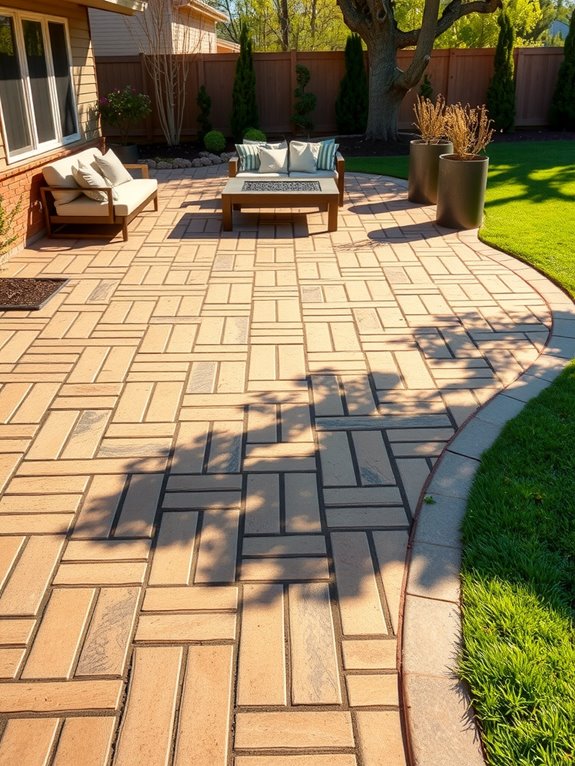
A patio costing $3,269 can increase your home’s value by $3,563 — a 109% return on investment. Your actual return depends on several factors specific to your property and location.
A paver patio costing $3,269 can increase home value by $3,563 — a 109% return on investment.
- Location and local market conditions
- Patio size and design quality — aim for 20 feet by 16 feet minimum
- Material choices — premium pavers outperform basic options
- Alignment with neighborhood standards
- Whether a driveway is included
Pavers improve curb appeal and create outdoor living spaces. A quality installation — using durable materials and cohesive design — increases both your sale price and how quickly your home sells. Market comparable sales in your area ultimately determine your actual value gain.
Why Home Buyers Prioritize Outdoor Living Space
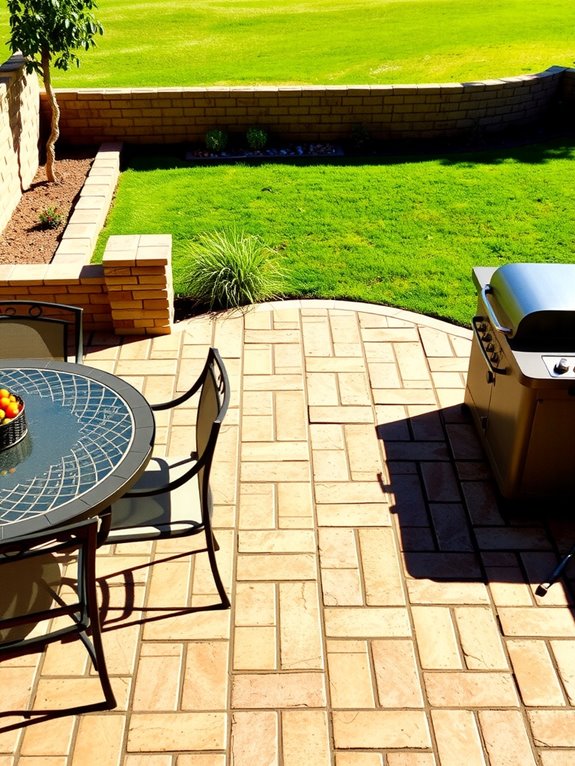
Homebuyers rank patios and outdoor areas as top priority features. They look for properties that connect indoor and outdoor spaces smoothly. Homes with quality patios sell 10 to 20 percent faster on average and attract more offers. Outdoor upgrades often return 50 to 80 percent of installation costs.
What Buyers Look For
- Defined seating or entertaining areas — typically 12 feet by 14 feet minimum for comfortable furniture placement
- Durable surfaces that need little upkeep — concrete patios, wood decks, or permeable pavers
- Proper drainage to handle rainwater
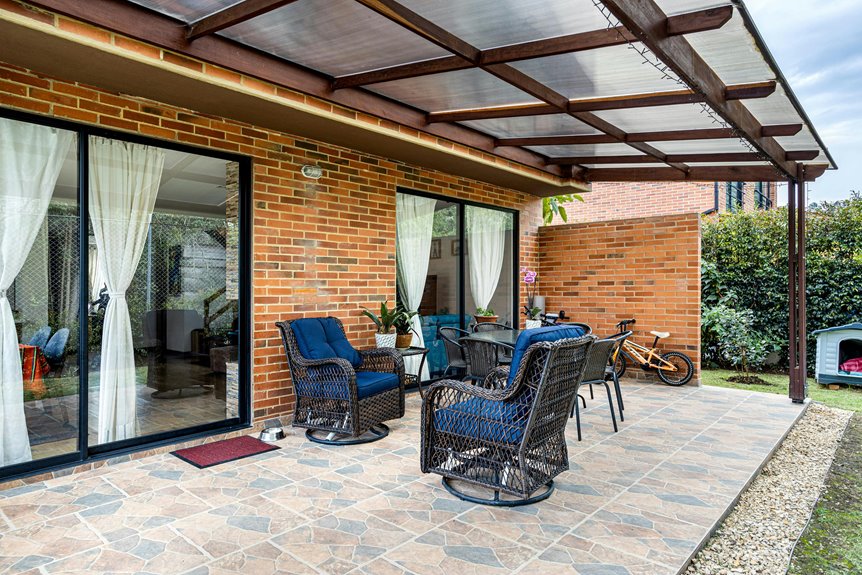
- Shade options such as pergolas, umbrellas, or trees
- Clear pathways connecting indoor and outdoor spaces
- Lighting for evening use
Planning Your Outdoor Space
Before building or renovating, measure your available yard area and identify which parts receive full sun, partial shade, or full shade throughout the day. Quality paver installation requires a 4-inch compacted gravel base minimum and level surfaces with clear pathways and defined edges. Choose materials and features that match both your home’s exterior and nearby properties.
Durability and Long-Term Value Protection
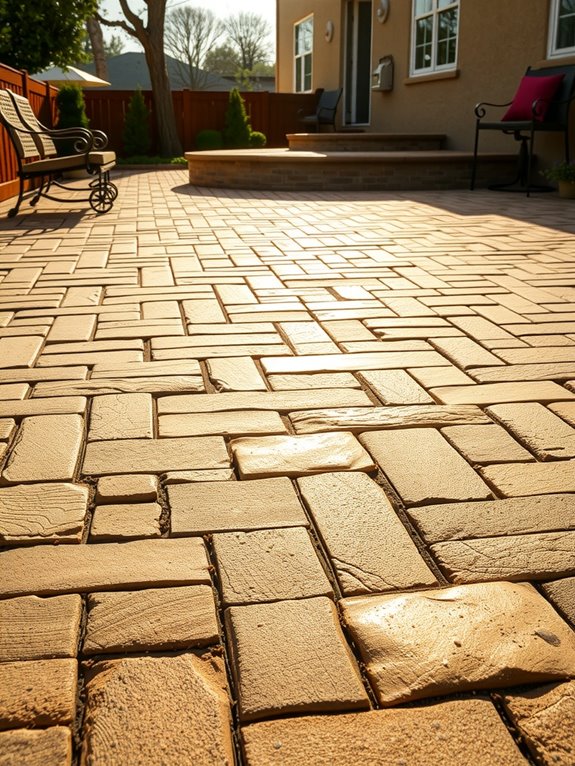
Interlocked pavers resist cracking and shifting better than poured concrete — especially during freeze-thaw cycles when temperatures drop below 32°F. Individual pavers move separately, so damage spreads less across the entire surface. Gaps between pavers let moisture escape, stopping pooling and ice buildup.
Repair and Maintenance
When a single paver gets damaged, you remove and replace just that section — not the entire patio. This costs significantly less than tearing up and pouring new concrete. Reseal pavers every 2 to 3 years to keep them looking clean and extend their life. Quality pavers with freeze-thaw resistance — rated for temperatures between -20°F and 120°F — reduce the number of unexpected repairs needed.
- Natural stone pavers — slate, granite, or bluestone — last up to 100 years with regular care
- Concrete pavers typically last 25 to 50 years
- Repair takes a few hours instead of multiple days
Design Choices That Maximize Resale Appeal
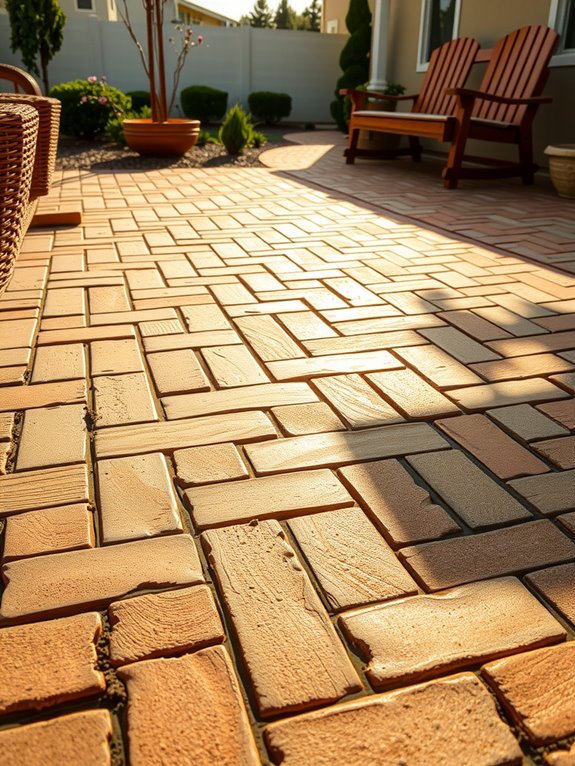
Your design directly affects your home’s sale price. Match pavers to your home’s architectural style:
- Concrete pavers — work for modern homes
- Brick pavers — suit colonial architecture
- Natural stone pavers — fit traditional or rustic designs
Keep your patio size and style consistent with nearby homes. A patio that is 20 feet by 16 feet works well for most residential lots. Overly large or extravagant designs on modest homes will not return your full investment when you sell.
Features That Increase Perceived Value
- Fire pits — create focal points and gathering spaces
- Ambient lighting — extends usable outdoor time into evening hours
- Outdoor kitchens — add functional living space
Staging Strategy
Arrange outdoor furniture to show how buyers can use the space. Place two to three chairs around a small table near the patio to demonstrate it as a living area. Add potted plants along edges. This helps buyers envision outdoor activities and increases the likelihood of faster sales and higher offers.
Permeable Pavers and Eco-Conscious Buyers
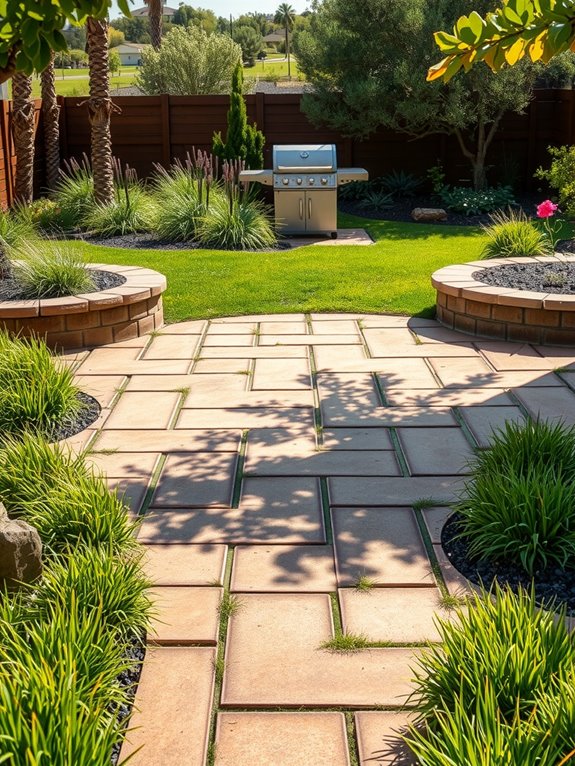
Many homebuyers today prioritize environmental responsibility. Permeable pavers function as a drainage system — water passes through the paver surface into a base layer below (typically 4 to 6 inches of gravel) where it filters and drains into the ground.
- Stormwater management — water drains through the surface instead of running off into storm sewers
- Pollutant filtering — oils, gasoline, and other contaminants get trapped in the base layer before reaching groundwater
- Runoff reduction — rainfall soaks into the ground rather than pooling around your home foundation
Installing permeable pavers signals environmental responsibility and improves water management on your property. Permeable pavers last 25 to 100 years depending on the type — making them a durable long-term choice for eco-conscious buyers.
What ROI Should You Realistically Expect?
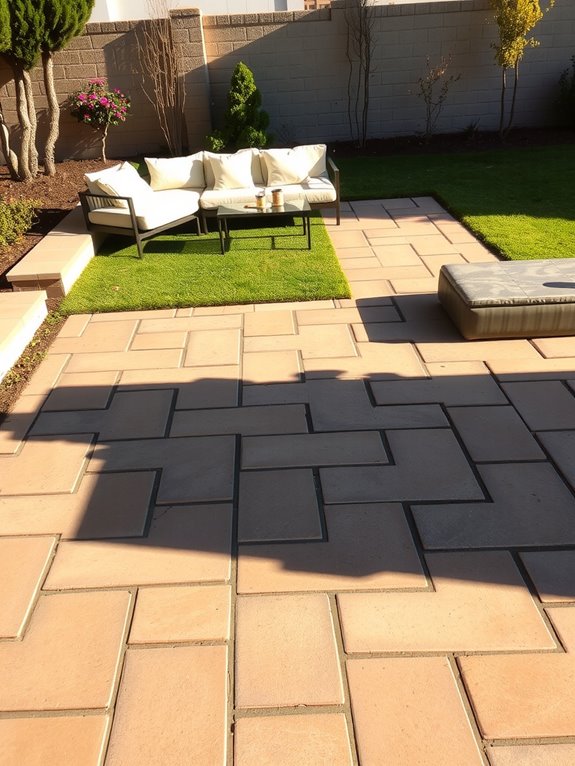
A paver patio typically returns about 109% of its installation cost. Your actual return depends on three factors:
- Patio size and installation cost — larger patios cost more to install but may deliver stronger returns. A 12-foot by 16-foot patio costs more than a 10-foot by 10-foot patio
- Material quality — high-end pavers typically increase home value more than budget options
- Local market and location — comparable home sales directly affect your return. Homes selling for $400,000 in your neighborhood set the baseline for what similar upgrades are worth
Your paver patio may not return its full cost. The value you gain depends on your specific market and what similar homes actually sell for in your area. A patio can speed up a sale by improving curb appeal, but this varies by location and buyer preferences.