Landscaping companies start by examining your yard’s soil quality, water drainage patterns, and how much sunlight different areas receive throughout the day. They use this information to draw up a detailed plan that shows exactly where plants, hardscapes, and water systems should go.
The work itself covers a broad range of tasks. You might have them build a patio using concrete or pavers, construct retaining walls to hold back soil on slopes, plant trees and shrubs, or install an irrigation system so your plants get water automatically. Most projects wrap up in 2–4 weeks, which is considerably faster than doing everything yourself on weekends.
After the initial construction and planting, landscaping companies return seasonally to maintain what they’ve built. They adjust watering schedules when temperatures drop, prune plants before winter, and handle cleanup tasks that change with each season. This ongoing care prevents problems like water pooling near your foundation (which can cause cracks and leaks) and catches plant diseases early before they spread.
Working with professionals also saves you money in unexpected ways. Renting heavy equipment like tillers or excavators costs $75–$150 per day. Mistakes—such as planting trees too close to underground pipes or placing hardscapes where water naturally collects—can lead to repairs that cost thousands of dollars. Professionals know these pitfalls from experience and build their work to avoid them.
Design and Site Planning: Building Your Vision
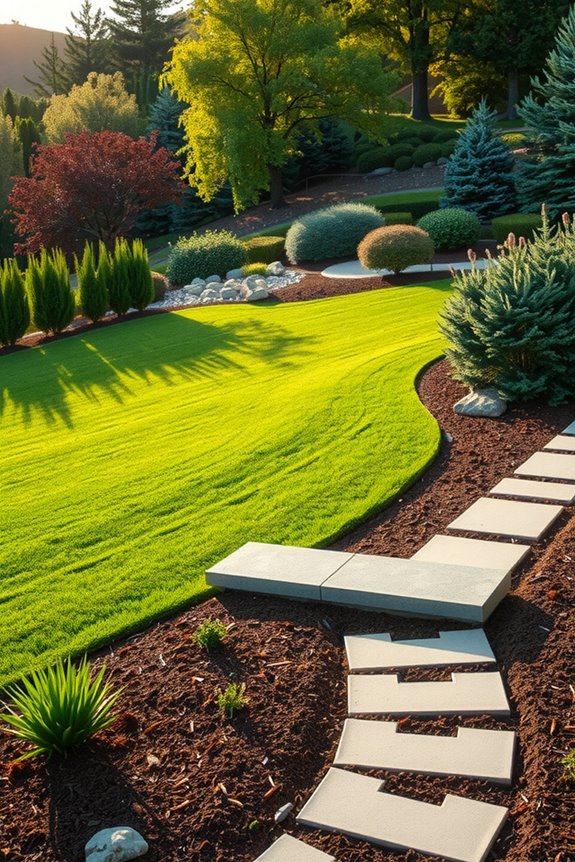
Have you ever wondered how landscaping companies turn a rough backyard into something that looks like it came straight from a magazine. They start with design and site planning—the foundation of every successful project.
Reading Your Space
Professionals begin by assessing what you’re working with. They evaluate soil quality, sunlight patterns, drainage, and climate conditions to understand what plants will actually grow there. This site planning phase takes usually takes 1-2 weeks and guides every decision that follows. A designer might spend a full day on your property, noting that the northeast corner gets 4-6 hours of direct sun while the south side bakes for 8+ hours. These details matter because a plant needing shade will struggle in the wrong spot.
Creating Your Blueprint
Next comes landscape architecture. You’ll work with designers who sketch detailed plans showing where hardscape elements like patios, walkways, and retaining walls go. These drawings map softscape areas—your plants and trees—ensuring they fit well with the built features and your yard’s natural slopes and dips.
During this phase, designers develop material lists with specific names (flagstone pavers, cedar mulch, limestone edging), timelines, and cost estimates. A typical design process takes 2-4 weeks. Your designer is translating your ideas into a working blueprint that actually fits your specific space and can be built by a contractor in a predictable way.
Installation: From Hardscaping to Plants and Irrigation
Installation: From Hardscaping to Plants and Irrigation
Once your blueprint gets approved, the actual work begins. Installation crews now build what your design shows on paper.
Your landscaping company handles different types of work:
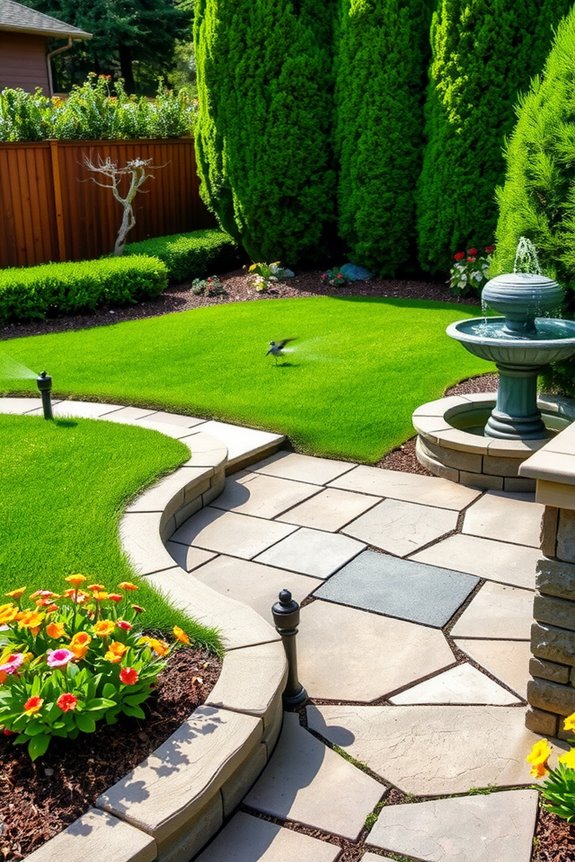
- Hardscaping: Patios, walkways, and retaining walls need careful construction. Each piece must fit properly and allow water to drain away from your home and foundation.
- Softscape: Trees, shrubs, grass, and ornamental plants add color and different textures throughout your yard.
- Irrigation systems: These water delivery setups keep plants healthy during dry weeks and throughout changing seasons.
- Drainage work: Proper grading stops water from pooling in low spots, which protects your yard and home.
- Outdoor lighting: Fixtures placed around your landscape make evening activities safer and highlight certain features.
Installation crews coordinate directly with designers while using equipment like graders and trenching machines. They position hardscaping materials first—stone patios might be 12 to 16 feet wide, for example—making sure water flows away properly. Then they add plants, soil, and irrigation lines. The whole process typically takes 2 to 4 weeks depending on yard size and complexity. Your team works step-by-step to blend the non-living elements like stone and gravel with the living plants, creating one unified outdoor space that functions well for many years.
Landscape Maintenance: Keeping Outdoor Spaces Thriving
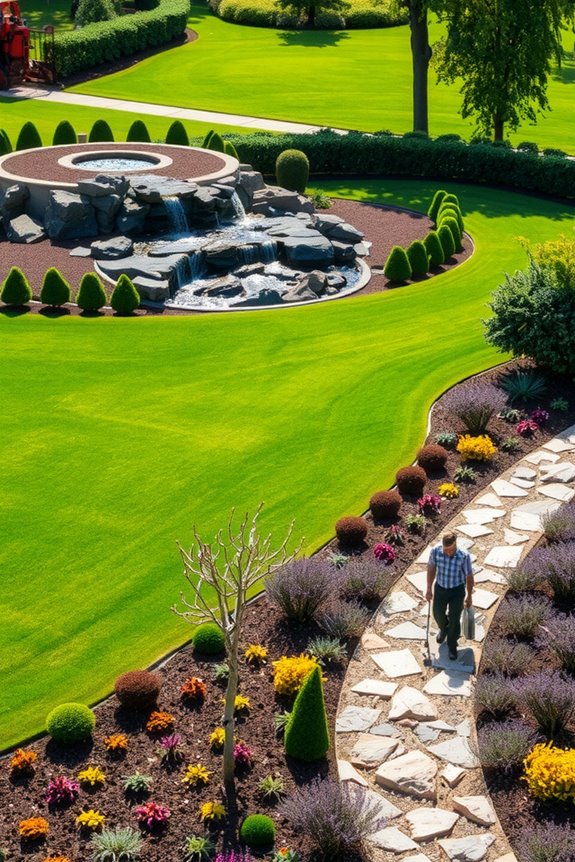
Once you’ve installed your landscape, you’ll need routine care to keep everything looking fresh. Think of it like brushing your teeth daily—except you’re mowing, edging, and fertilizing on a regular schedule instead.
Regular maintenance tasks depend on what you’ve planted and where you live. Mowing typically happens weekly during the growing season, edging takes about 30 minutes every two weeks, and fertilizing happens 2-4 times per year depending on your soil. You’ll also handle seasonal work that shifts with the weather.
In spring, adjust your irrigation system to match increased rainfall and growth. During summer and fall, focus on controlling weeds as they compete with your plants for water and nutrients. Before winter arrives, cut back perennials, mulch around trees and shrubs, and drain outdoor water lines if you live in a cold climate.
These regular efforts protect your investment. When you keep up with watering, feeding, and maintenance, your plants stay healthy and your outdoor space stays looking good year-round without requiring major repairs later.
Routine Care and Upkeep
Routine Care and Upkeep
Why does a landscape you’ve invested in sometimes look tired or unhealthy after just a few months? Without consistent routine care, your outdoor space deteriorates quickly. Regular maintenance keeps plants and grass healthy by addressing their needs throughout the year.
You’ll want to establish a seasonal rhythm for your property. Each season brings different tasks that work together to keep everything in good shape.
Spring and Early Summer
Spring aeration loosens compacted soil, usually done in March or April depending on your climate. Use a core aerator to create small holes about 2-3 inches deep across your lawn. This improves root health by allowing water and nutrients to reach deeper into the soil. After aeration, apply fertilizer to replenish nutrients that grass and plants need for growth. Start your regular mowing schedule once grass reaches about 3 inches tall, cutting it back to 2-2.5 inches to maintain turf density and appearance.
Summer Through Fall
Pruning removes dead branches and shapes plants for healthy growth. Do this throughout the growing season by cutting back dead wood as you notice it. Adjust your irrigation management as temperatures shift. In summer, grass typically needs about 1-1.5 inches of water per week, either from rainfall or watering. As temperatures drop in fall, reduce watering frequency since plants need less moisture during cooler months.
These tasks prevent problems before they start. When you’re consistent with pruning, fertilizing, and adjusting watering schedules, you’re protecting your long-term investment in your outdoor space.
Seasonal Maintenance Tasks
Seasonal Maintenance Tasks
Your landscape needs different care depending on the time of year. Spring, summer, fall, and winter each bring their own requirements. Learning what to do in each season keeps your outdoor space healthy without guesswork.
Spring: Feeding Your Plants
After winter, plants wake up hungry. Apply a balanced fertilizer with equal parts nitrogen, phosphorus, and potassium, such as a 10-10-10 formula, in early spring when soil temperatures reach 40 degrees Fahrenheit. This feeding jumpstarts growth as new leaves and shoots emerge. Spread the fertilizer evenly across planting beds, following the package directions for your yard’s square footage.
Summer: Managing Water
Heat and dry conditions stress plants. Adjust your irrigation schedule to water deeper and less frequently rather than shallow daily watering. Most plants need about 1 to 1.5 inches of water per week, including rainfall. Check soil moisture 3 inches down with your finger. If it feels dry, water until the soil is moist at that depth.
Fall: Controlling Weeds
Falling leaves and cooling temperatures signal weeds to set seeds for next year. Remove weeds by hand or with a hoe before they flower. Rake leaves from planting beds to prevent them from smothering plants and creating hiding spots for pests and disease.
Winter: Final Preparations
Apply a second fertilization with higher potassium content, such as a 5-10-10 formula, in late fall before the ground freezes. Prune dead or crossing branches from trees and shrubs. This preparation helps plants survive cold months.
A professional landscaping company handles these seasonal tasks on a schedule. They adjust watering, apply treatments at the right times, and manage cleanup. This approach means your landscape gets what it needs when it needs it, without you managing each task yourself.
How Professional Landscapers Save Time and Money
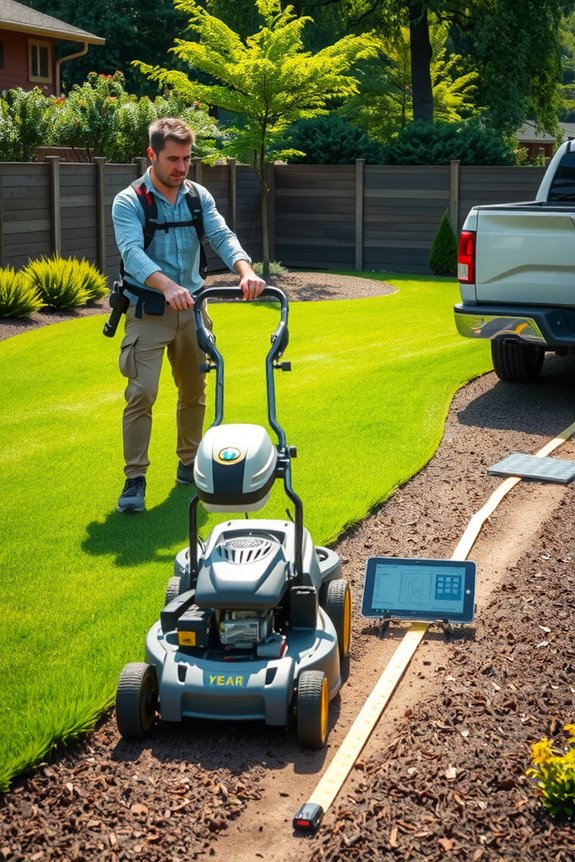
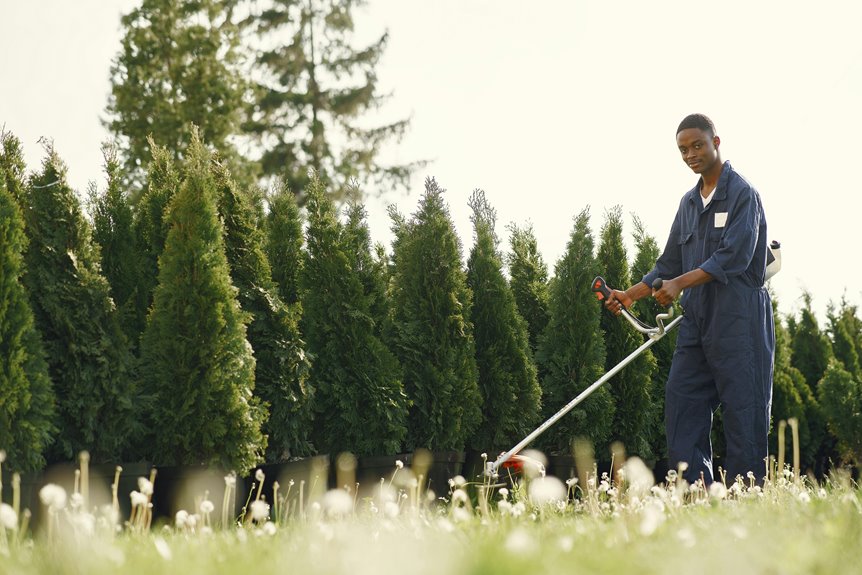
When you hire professional landscapers, you gain access to specialized equipment—commercial-grade mowers, trenchers, and grading tools—that would cost you thousands of dollars to buy or rent on your own. These professionals finish jobs in days or weeks that might take you months of weekend work.
Beyond saving time, professionals prevent costly mistakes. Improper drainage or grading can damage your home’s foundation, sometimes requiring repairs that cost $5,000 to $15,000. A professional gets the slope and water flow right the first time. This means you’re not paying twice—once for the initial work and again to fix problems that developed later.
Think about the math. If you spend 40 hours doing landscaping work yourself over several weekends, and you earn $20 per hour at your job, that’s $800 in lost income. Add in equipment rental at $150 per day for a week, plus materials, and your costs climb quickly. A professional crew might complete the same project in 3 to 4 days using tools they already own, spreading the equipment cost across many jobs.
The knowledge professionals bring matters too. They understand soil types, drainage patterns, and local growing conditions in your area. They know which plants survive in partial shade versus full sun, how deep to set irrigation lines (typically 6 to 12 inches depending on your region), and how to grade slopes at the right angle (usually 1 to 2 percent for proper water drainage). Getting these details wrong creates problems that surface months or years later.
Efficiency Through Equipment
Professional landscapers work faster because they have the right tools for the job. You might spend weeks renting equipment and learning how to use it properly. When you hire professionals, you’re getting access to machinery they’ve already mastered and invested in specifically for landscaping work.
What makes the difference comes down to equipment choices:
- Commercial-grade mowers cover large yards in a few hours instead of several days of push-mowing
- Trenchers dig irrigation lines at consistent depths, usually 8 to 12 inches, without wavering or mistakes
- Aerators punch small holes through compacted soil to let water and nutrients reach plant roots more effectively
- Project-management systems with timelines and scheduling keep work on track from start to finish
- Specialized tools reduce the need for costly fixes and redoing work
A landscape installation that would take you three to four weeks compresses into three to four days with professional crews and proper equipment. Their irrigation systems work correctly because they use calibrated equipment rather than guessing at water pressure and slope. The soil preparation happens uniformly across the entire yard instead of in spotty patches. Buying this equipment yourself would cost several thousand dollars, and you’d still need time to learn proper operation and maintenance.
That’s the real advantage of professional equipment—it delivers both speed and accuracy. You get results that hold up over time because the work was done right from the beginning.
Long-Term Cost Prevention
Long-Term Cost Prevention
Landscaping work touches your property’s foundation, drainage, and soil in ways that matter for years to come. A mistake during installation—like poor grading or inadequate drainage—can cost $5,000 to $15,000 to fix later. Professional landscapers prevent these expensive problems by planning water flow carefully and sloping the ground correctly to move water away from your home’s structure.
Here’s what this looks like in practice. A landscaper evaluates your soil type, measures your property’s slope, and designs a water management system specific to your yard. This stops water from pooling near your foundation and prevents erosion that weakens both soil and structures over time.
Regular maintenance catches small issues before they grow. When you schedule seasonal upkeep every three to four months, a professional spots a drainage problem in spring before it becomes a foundation crack in summer. This ongoing attention keeps your plants healthy and your systems working as intended, extending the life of your initial investment.
The difference between professional work and DIY mistakes shows up over 5 to 10 years. Professional installation paired with regular maintenance means you’re paying for prevention rather than emergency repairs. You avoid the reactive costs and disruption that come when problems go unnoticed.
Understanding Landscaping Costs and What to Budget
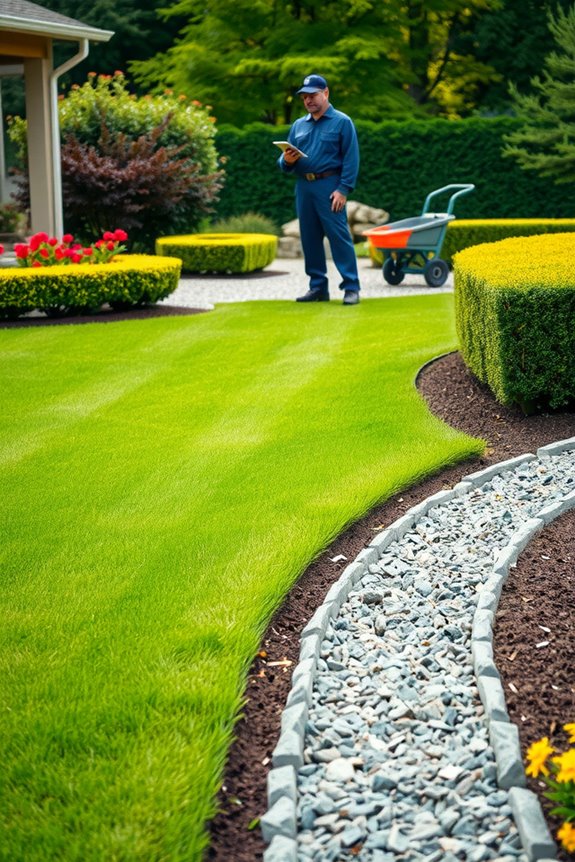
How much should you actually spend on landscaping? Breaking down the major cost components helps you plan realistically.
Design and Planning Costs
Landscape design fees typically range from 5–15% of your total budget. A designer might charge $50–$150 per hour, or offer a flat fee for smaller residential projects. This upfront investment creates a detailed plan that prevents costly mistakes during installation.
Installation Expenses
Three main areas consume most of your budget. Hardscape work—patios, retaining walls, pathways—costs more per square foot than planting areas. You might pay $15–$30 per square foot for patio installation versus $5–$15 per square foot for plant beds. Materials, labor, and equipment rental make up the bulk of these expenses. A single day of equipment rental for a small excavator runs $200–$400, while labor typically costs $40–$75 per hour depending on your region.
Permits and Regional Requirements
Check with your local building department before starting. Some areas require permits for retaining walls over 2 feet tall or for irrigation systems. Others have specific licensing requirements for contractors. Getting these details wrong early wastes time and money.
Planning for the Unexpected
Budget 10–20% extra as a contingency allowance. Unforeseen soil issues, poor drainage, or underground utilities discovered during digging happen regularly. Having this buffer prevents stopping a project mid-way.
The Ongoing Costs
Maintenance expenses extend far beyond opening day. Annual mowing, seasonal fertilizing, irrigation adjustments, and plant replacements add $1,000–$3,000 yearly for an average residential property. Account for these recurring costs when calculating your total landscaping investment.
When to Hire Professional Landscapers
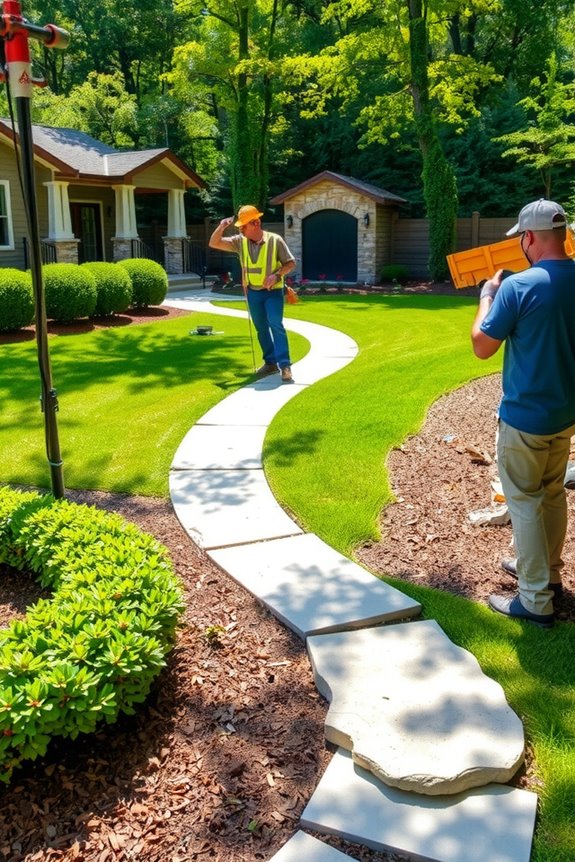
When should you call in the experts instead of tackling your yard solo? Consider hiring a landscape contractor when your project involves complex site planning or large-scale hardscape installation like patios or retaining walls. If you’re uncertain about drainage, soil conditions, or proper grading, professionals can assess your site and prevent costly mistakes.
Professionals also understand which plant species thrive in your specific climate and how to arrange them for visual balance. They know local zoning regulations and can handle the paperwork that comes with most projects. Depending on your needs, contractors can manage everything from material sourcing to coordinating subcontractors, which saves you time and keeps your project on track.
For ongoing maintenance, hiring contractors means your yard gets consistent care throughout the seasons. Rather than spending weekends pulling weeds or trimming overgrown shrubs, you can focus on other priorities. A contractor typically visits every two to four weeks during the growing season, handling tasks like mulch refreshing, pruning, and seasonal cleanups that keep your landscape looking maintained year after year.
Getting Started: Next Steps for Your Property
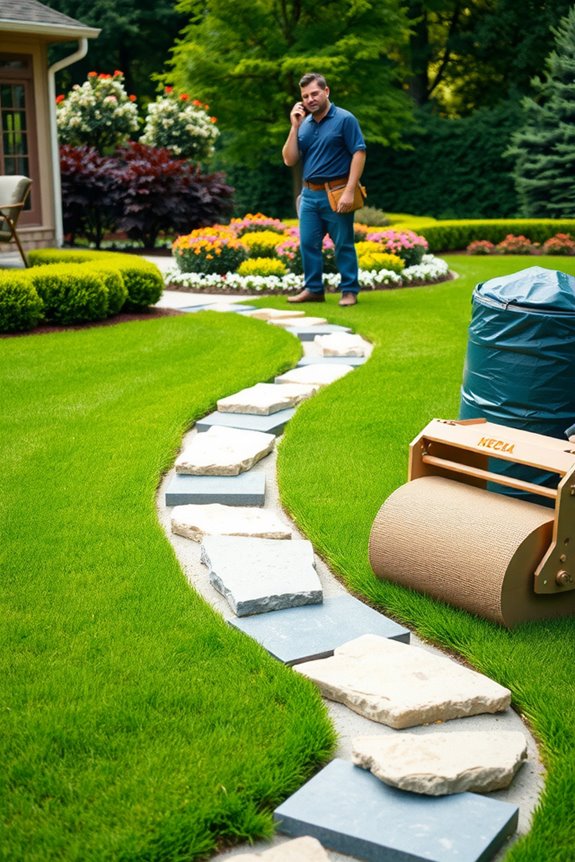
Now that you understand what professionals can do for your yard, it’s time to take the first step forward. Reach out to a landscaping company and schedule your initial consultation.
What Happens During the Site Visit
The team will visit your property to examine soil conditions, drainage patterns, and how sunlight moves across your space throughout the day. They’ll also listen to your vision for the yard and discuss your budget so they understand what you’re working with.
What You’ll Receive
Within 3 to 5 days, you’ll get a written proposal that includes:
- Design sketches showing layout options for your space
- Findings from the soil and drainage assessment
- A timeline for each project phase, typically ranging from 4 to 12 weeks depending on scope
- Cost breakdown listing materials and labor
- A maintenance schedule with specific tasks and frequency (for example, fertilizing in spring and fall, pruning after flowering)
How to Move Forward
Take time to read through the proposal carefully. Make notes about anything you don’t understand. Ask the company to clarify specific costs, material choices like mulch type or plant varieties, and the exact start date. Once you feel confident about the details and the plan matches what you want, you can sign the agreement and schedule your start date.