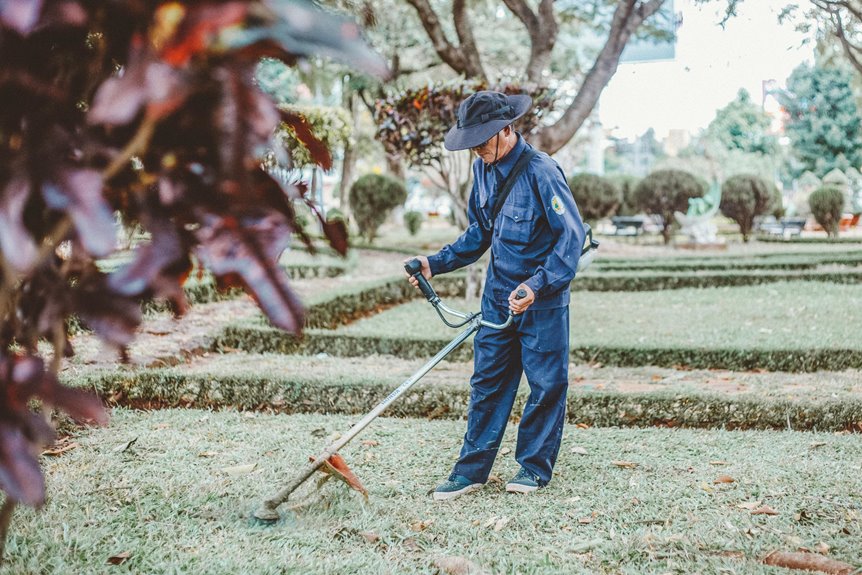
Landscape maintenance means keeping your yard healthy through regular mowing, weeding, pruning, and soil care—not waiting until problems pile up. Start by mowing weekly during the growing season to keep grass at the right height for your region. Pull weeds before they spread, since they compete with your plants for water and nutrients.
Apply 2 to 3 inches of mulch around plants to help soil hold moisture and regulate temperature. Water deeply about once a week rather than sprinkling lightly each day, because deep watering encourages roots to grow stronger and reach further into the soil.
In fall, aerate your lawn by poking small holes into compacted soil so air, water, and nutrients can reach the roots below.
Do seasonal cleanups in spring and fall to clear leaves, dead branches, and debris that trap moisture and create drainage problems. Doing it right requires consistency rather than perfection. Understanding what your specific yard needs at different times of year—whether that’s extra water during hot months or protection from frost in winter—makes the actual work feel less overwhelming and gives you better results.
What Landscape Maintenance Actually Includes
If you’ve ever thought landscape maintenance meant just mowing the lawn, you’re missing a big picture. Real maintenance includes lawn mowing and edging, yes, but also pruning, fertilization, weed control, and mulching.
To build stronger turf, you’ll perform aeration and overseeding. Aeration involves punching small holes into the soil about 2-3 inches deep, which lets water and nutrients reach grass roots more easily. Overseeding means spreading grass seed over thin or bare patches. Do both tasks in fall or early spring when your lawn isn’t stressed by summer heat.
Bed maintenance keeps your planting areas healthy and attractive. Pull weeds by hand or use a hoe to remove them before they spread. Add 2-3 inches of mulch around plants to hold moisture and prevent new weeds from sprouting.
Seasonal cleanups happen twice a year. In spring, remove dead leaves and branches left from winter. In fall, clear fallen leaves and debris that can clog drainage systems and create hiding spots for pests. These cleanups take a few weekends depending on your yard size.
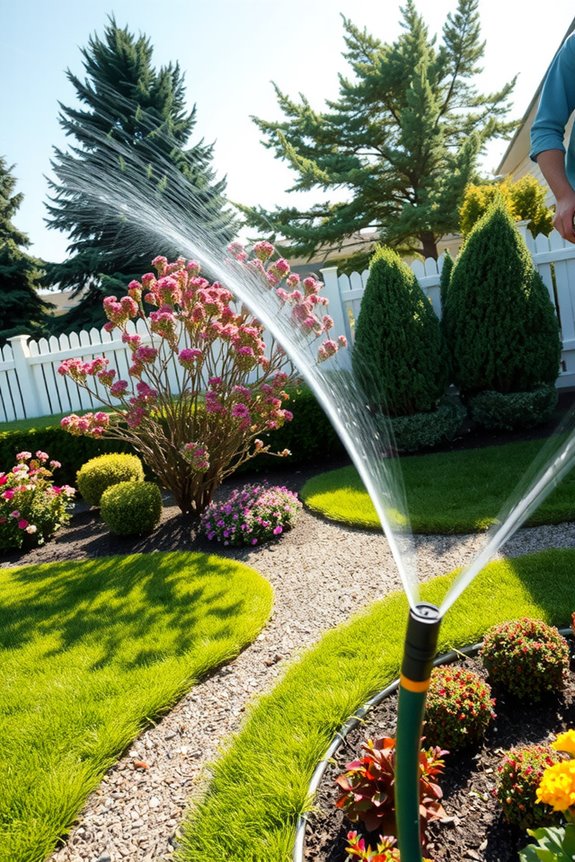
Irrigation support means checking that your plants get consistent water. Water deeply but less frequently—about 1 inch per week for most plants, either from rain or your sprinkler system. Monitor soil moisture by pushing your finger into the ground. If it feels dry below the surface, water more.
Throughout the year, watch your plants closely. Look for yellowing leaves, pest damage, or spots that indicate disease. When you notice a problem early, you can fix it before it spreads. This attention to detail keeps your landscape healthy and looking its best.
Year-Round Lawn and Plant Care Tasks
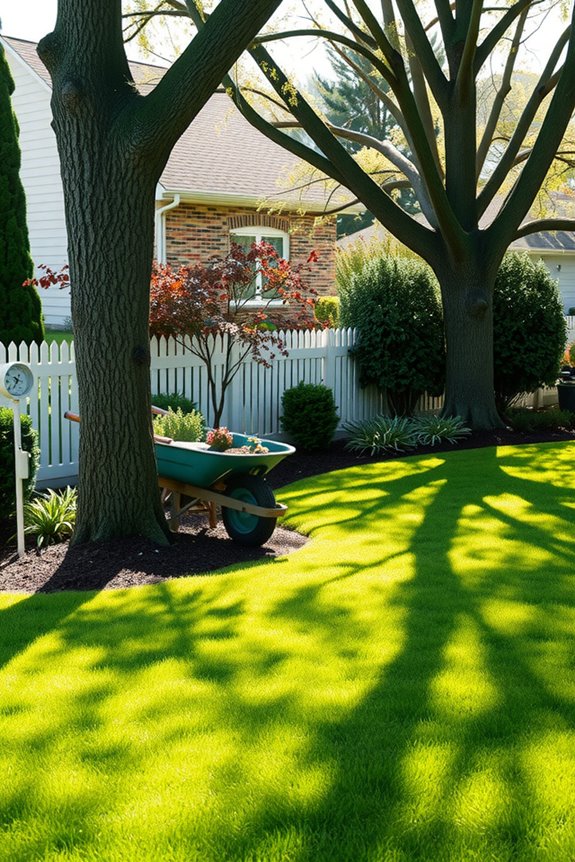
Your yard’s health depends on staying consistent with maintenance throughout all four seasons, not just tackling projects when you notice problems. Think of lawn care like brushing your teeth—skipping weeks makes the work harder later. You’ll want to establish a routine that includes weekly seasonal mowing, regular fertilization, and targeted pruning tailored to each plant’s needs.
Each season has specific work. Spring demands debris cleanup and bed preparation with aggressive weed control. Summer requires consistent irrigation and pest monitoring to protect plant health. Fall brings aeration and leaf management, which improves how water moves through your soil. Winter’s focus shifts to plant protection and strategic pruning timing.
Throughout the year, you’re building soil health through fertilization and irrigation practices. Regular seasonal cleanups prevent drainage issues and pest problems. By rotating these lawn care tasks across seasons, you’re not just maintaining your landscape—you’re investing in its long-term health and appearance.
Your Complete Maintenance Schedule
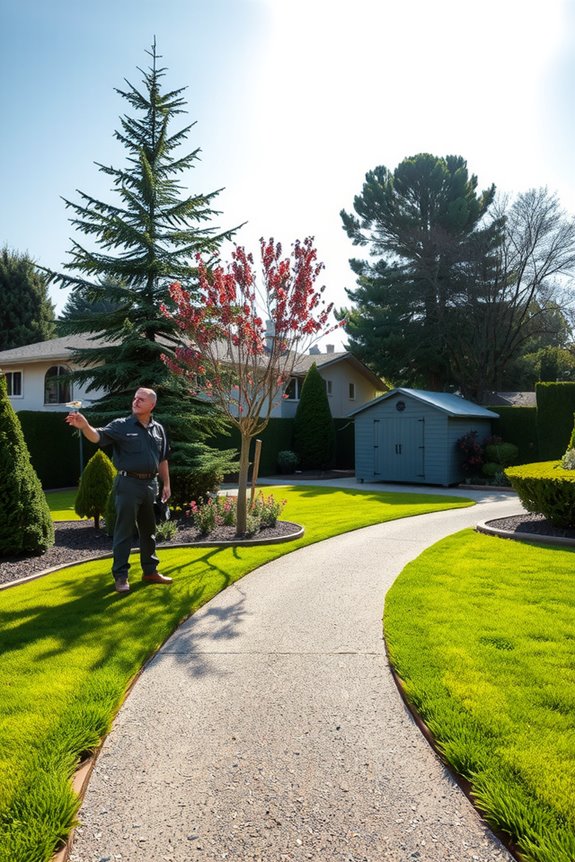
To keep your landscape healthy, you need a regular maintenance rhythm that matches what your property actually requires. Think of it like brushing your teeth—doing it consistently prevents bigger problems later.
Weekly and Monthly Tasks
Mow your lawn once a week during the growing season, keeping grass at about 2.5 to 3 inches tall. Edge the lawn at the same time to maintain clean borders. Every month, spend time on bed maintenance: pull weeds by hand or use a hoe, and prune back branches that cross over each other or grow toward your house.
Seasonal Work
Spring is when you apply fertilizer to wake up your lawn after winter and clear away dead leaves and branches. This usually means one application in March or April, depending on where you live.
Summer brings heat stress, so check your irrigation system to make sure water reaches all areas evenly. Walk your beds and trees weekly to spot pest damage early—insects and fungal problems spread fast in warm weather.
Fall is the best time to aerate your lawn (using a machine to poke small holes) and overseed bare spots. Do this in September or October before your grass goes dormant for winter.
Winter preparation means wrapping young trees with burlap if you live in a harsh climate, and cutting back dead perennials to ground level.
Following this schedule prevents small problems from becoming expensive repairs, and your landscape stays healthy without overwhelming your time.
Mistakes That Damage Your Landscape (And How to Avoid Them)
Mistakes That Damage Your Landscape (And How to Avoid Them)
Ever notice how a landscape can look great one season and struggle the next? You’re probably making common mistakes that work against your efforts.
Watering the Right Way
Getting your irrigation schedule right matters more than you’d think. Overwatering wastes water and encourages weeds to spread, while underwatering prevents plant roots from growing deep into the soil where they’re protected during dry spells. Find the middle ground by watering deeply but less frequently. Most lawns need about 1 to 1.5 inches of water per week during the growing season, delivered in one or two sessions rather than daily sprinkles.
Water deeply but less frequently—most lawns need 1 to 1.5 inches weekly, delivered in one or two sessions rather than daily sprinkles.
Pruning and Shearing
Aggressive hedge shearing removes the plant’s natural shape and prevents flowering. Instead, prune selectively to keep the plant’s structure intact. The same goes for shearing too close to tree trunks, which damages the bark and weakens the tree’s long-term health. Prune in late winter or early spring before new growth starts, removing only dead or crossing branches rather than chopping away at the whole plant.
Lawn Maintenance
Mowing infrequently weakens turf because it stresses the grass. Mow every 7 to 10 days during the growing season, and leave the clippings on the lawn to act as mulch. They break down and return nutrients to the soil while improving drainage.
Controlling Weeds and Pests
Neglecting weed control and seasonal cleanups invites pests and disease to settle in. Pull weeds regularly, clear fallen leaves in autumn, and remove dead plant material throughout the year. These simple habits prevent problems from building up.
DIY or Hire a Pro? Your Quick Decision Guide

Now that you know what mistakes to avoid, you’ll face another question: can you handle landscape maintenance yourself, or should you bring in professionals?
DIY lawn maintenance works if you’ve got time for weekly mowing, monthly weeding, and seasonal cleanups. You’ll manage basic pruning and fertilization on your own schedule. Professional landscapers, however, bring real advantages. They have access to better equipment, quality products, and the knowledge to handle pest management and irrigation checks. When a plant gets sick or a tree shows signs of trouble, they can spot the problem quickly and know how to fix it.
Consider your schedule honestly. Weekly mowing takes about two to four hours depending on your yard size. Monthly bed work—pulling weeds, adding mulch, checking plant health—adds another four to six hours. Seasonal tasks like fertilizing or clearing leaves demand whole weekends. If you can’t commit to this rhythm, professionals deliver consistent results that keep your yard in good condition and give you your time back.