
You can paint vinyl fencing, though it requires more care than painting wood. Vinyl has a smooth, slick surface that doesn’t hold paint well, so regular house paint won’t stick properly. You’ll need epoxy-based acrylic paint paired with a primer made specifically for vinyl.
The process works, but understand the commitment. Paint applied to vinyl typically lasts two to three years before it begins peeling and fading. Dark colors wear faster because they absorb heat and raise the fence’s surface temperature, which stresses the paint coating. When you paint vinyl, you also void the manufacturer’s warranty, meaning repairs or replacements fall on you instead.
Before you pick up a paintbrush, weigh whether repainting every few years fits your plans. Some homeowners find the maintenance cycle worthwhile for a color change. Others discover that alternatives—like vinyl stain, vinyl dye, or simply replacing sections with different colored panels—require less upkeep and preserve their warranty protection. Think through what works for your situation, not just what’s possible.
Can You Actually Paint Vinyl Fencing?
Can You Actually Paint Vinyl Fencing?
Vinyl fencing promises low maintenance, so why paint it? The short answer is that you can, but the process requires more care than painting wood.
Vinyl fencing requires more careful painting than wood, despite its low-maintenance reputation.
Vinyl has a smooth, non-porous surface that doesn’t hold paint well. This means your paint might crack, peel, or fade sooner than expected without the right approach.
What You’ll Need
Special materials make the difference here. Buy an epoxy-based acrylic paint made specifically for vinyl, along with a vinyl-specific primer. The primer solves the sticking problem by creating a surface that accepts paint better than bare vinyl does.
Before You Start
Understand that painting vinyl can void your manufacturer’s warranty. You’re also trading the low-maintenance benefit for ongoing upkeep—repainting every few years becomes part of your routine. Consider whether changing the fence color is worth the added work.
The decision depends on your priorities. If appearance matters more than convenience, painting works. If you chose vinyl mostly for its hands-off nature, adding a paint project changes that equation.
Why Paint Won’t Stick to Vinyl
The real problem starts at the surface level. Your vinyl surface is smooth and non-porous, which means paint simply can’t grip it properly. Think of it like trying to stick a note on glass—it just won’t stay.
Paint adhesion fails on vinyl because the material repels moisture and doesn’t have tiny pores where paint can settle in. Instead, paint sits on top and eventually peels or cracks away. Standard latex or oil-based paints won’t work for this reason. If you’re determined to paint vinyl, you’d need epoxy-based acrylic paints specifically formulated for vinyl surfaces. Even with the right product, you’re fighting against the material itself. The vinyl surface will always resist the paint’s grip, creating long-term maintenance headaches over months and years that standard fencing simply avoids.
How Painting Voids Your Warranty
When you paint your vinyl fencing, you’re breaking the manufacturer’s warranty agreement. Most companies consider any unapproved coating or change as grounds for canceling your coverage completely.
Here’s what happens. Your warranty normally covers defects and normal wear over time. But once you apply paint—even if you use the best techniques—you’ve stepped into territory that manufacturers specifically exclude. This isn’t a gray area. The moment paint touches the vinyl, your protection disappears.
Why does this matter to you. If something fails after you’ve painted the fence, the manufacturer won’t pay for repairs or replacements. A vinyl fence panel costs between $75 and $150 to replace. If multiple sections fail within five years, you could be looking at $500 to $1,000 in out-of-pocket costs that would have been covered otherwise.
The timeline matters too. Some manufacturers void warranties immediately upon painting. Others give you a short grace period—maybe 30 to 90 days—before coverage ends. You need to check your specific warranty paperwork to know exactly when you lose protection.
Before you paint, contact the manufacturer directly with your fence model number and purchase date. Ask them in writing whether painting will void coverage. If they say yes, get that confirmation in an email. That way, you know the consequences ahead of time and can make an informed decision about whether to proceed.
Warranty Coverage Details
Painting your vinyl fence will almost certainly void your manufacturer’s warranty.
When you paint vinyl, you’re covering the original protective finish that the manufacturer designed to last. This new coating traps moisture underneath, causing adhesion problems, cracking, and warping. Your warranty won’t cover this type of damage because the manufacturer didn’t intend for paint to go on top of their original surface.
Most manufacturers explicitly state that any post-installation paint or coating nullifies coverage for color, finish, and structural defects. Even if part of your warranty stays active after painting, you’ll typically lose coverage for paint-related failures and moisture intrusion issues.
Before you grab a brush, check your fence’s warranty document or contact the manufacturer directly. This takes just a few minutes but protects your investment. They’ll clarify exactly what painting voids and whether any exceptions exist for your specific fence model.
Voiding Protection Risks
Painting your vinyl fence is one of the easiest ways to lose your warranty coverage. Most manufacturers have clear rules: if you apply any coating or paint to the fence, your protection ends. Since vinyl is made to stay maintenance-free right out of the box, adding paint counts as altering the original product.
When you paint vinyl, the coating usually doesn’t stick properly. Vinyl has a smooth, non-porous surface—think of it like trying to tape something to a plastic bag. The paint cracks and peels within months or a year or two. Once damage appears, the manufacturer can refuse to cover repairs, even if the problem seems unrelated to your paint choice. The simple fact that you modified the fence gives them grounds to deny your claim.
Instead of painting, consider these options. Color-through vinyl comes in multiple shades from the factory, so you get the color you want without any coating. You could also choose decorative vinyl styles with texture or patterns built in. These alternatives keep your warranty intact while giving you design options beyond the standard white or tan fence.
The takeaway is straightforward: keep the fence in its original condition. Installers recommend skipping paint altogether to preserve your coverage for the 20 to 30 years that quality vinyl fences typically last.
Why Most Experts Recommend Against Painting Vinyl
When you paint vinyl fencing, you run into two main problems that experts want you to avoid.
The first issue is adhesion. Paint doesn’t stick well to vinyl’s smooth, slick surface. Within 2 to 3 years, you’ll likely see cracking, peeling, or fading. Once that damage shows up, your warranty won’t cover it—painting voids most manufacturers’ coverage. That means any repairs come out of your pocket.
The second problem goes deeper than appearance. Vinyl fencing was designed to be maintenance-free. The material doesn’t need regular upkeep, staining, or touch-ups. When you paint it, you flip that benefit on its head. Now you’ve got a fence that demands seasonal maintenance. You’ll need to inspect it yearly, touch up worn spots, and potentially repaint every few years to keep it looking decent. That’s the opposite of what you bought into when you chose vinyl in the first place.
Warranty Voidance Risks
The moment you pick up a paintbrush, you’re potentially voiding your vinyl fence’s manufacturer warranty. Most manufacturers explicitly exclude repainting or modifications from coverage. If defects appear after you paint, the manufacturer won’t cover repairs because you altered the original material.
The core issue comes down to adhesion. Vinyl has a smooth, non-porous surface that resists paint bonding. Paint typically begins peeling and cracking within 3 to 6 months. Once damage appears, you’ve lost your safety net—the manufacturer won’t help because you changed the fence from its original state.
Before painting, pull out your warranty documentation and read it carefully. Check what your specific manufacturer covers and what they don’t. Many homeowners learn this limitation the hard way, after they’ve already painted and problems develop. A typical manufacturer’s warranty covers defects in materials and workmanship for 10 to 20 years, but painting voids most of that protection.
You have an alternative. Color-through vinyl fencing maintains full warranty protection while giving you the color you want. These fences have color built throughout the material rather than applied on top, so adhesion issues don’t exist. You get the look without the adhesion headaches and without losing your warranty coverage.
Poor Paint Adhesion
Paint and vinyl don’t naturally get along—that’s the fundamental problem most experts warn you about. Vinyl’s non-porous surface creates a slick barrier that prevents paint from bonding properly. When you apply paint to vinyl, it sits on top rather than absorbing into the material, making adhesion weak and unreliable.
You might notice peeling or flaking within months, especially in high-traffic areas or places exposed to sunlight. The paint simply won’t stick the way it does on wood or metal surfaces. Even specialized primers struggle with this challenge because they can’t create the mechanical grip needed for lasting results.
To improve adhesion, you’d need to follow several steps in order. Start with thorough cleaning to remove dirt and mildew. Sand the vinyl surface with 120-150 grit sandpaper to create texture. Apply a bonding primer rated for vinyl—look for products specifically labeled for this purpose. Then add multiple thin coats rather than one thick coat, waiting 2-4 hours between applications. Even with this effort, success isn’t guaranteed.
Most professionals skip vinyl painting altogether because the work required rarely justifies the temporary results you’ll actually get. If you do decide to paint vinyl, expect the finish to last 3-5 years before needing repainting, compared to 7-10 years on properly painted wood or metal.
Heat Damage and Color Fading: The Real Risks
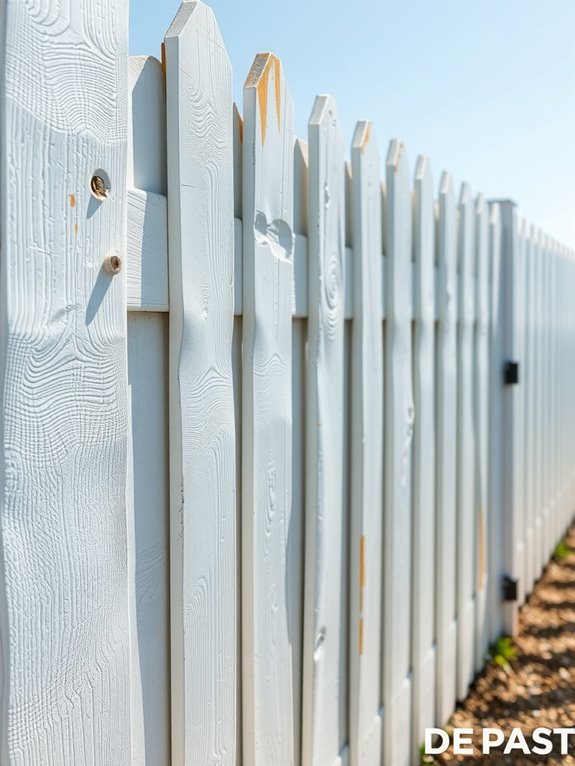
Your vinyl fence absorbs more heat as darker colors sit in summer sun. Dark paint can raise surface temperatures by 40 to 60 degrees Fahrenheit above the surrounding air. This heat causes your fence panels to expand and contract repeatedly throughout the day and across seasons. Over months, you’ll see cracks forming in the vinyl. Within one to two years, the structural movement becomes obvious to anyone looking at your fence.
Vinyl has a porous problem—it’s actually non-porous, which means paint doesn’t stick well to it naturally. Heat exposure speeds up flaking and peeling. Even paints made specifically for vinyl can’t stop color fading completely. The sun’s UV rays gradually dull any finish you apply, no matter which product you choose.
Here’s the financial reality: painting your vinyl fence voids the manufacturer’s warranty. If heat damage shows up later, you pay for repairs out of your own pocket. Light colors do fade less quickly than dark ones, but they still fade. Before you commit to painting, think about whether it actually solves the problem you’re facing or just creates a new set of headaches.
The Repainting Cycle: Why Painted Vinyl Requires Constant Touch-Ups
Once you paint your vinyl fence, you’re committing to regular upkeep for years ahead. Paint doesn’t stick well to vinyl’s smooth surface, so your color won’t last like it would on wood or metal.
Painting vinyl fences demands ongoing maintenance. Paint adheres poorly to smooth vinyl surfaces, fading and peeling faster than on wood or metal.
What actually happens is this: paint peels and fades faster on vinyl. Even when you use quality epoxy-based acrylic products, you need to apply multiple thin coats with full drying time between each one. That means hours of work spread across several days.
Most homeowners find themselves repainting every two to three years. The first year or two involves just touching up chips and cracks where the paint has worn through. But eventually, those small touch-ups stop working. Your fence needs a full refinishing job, which takes significantly more time and money than small repairs.
The cycle looks like this: year one brings minor peeling at edges and corners, year two requires broader touch-ups across 10 to 15 percent of your fence surface, and year three means considering a complete repaint of the entire fence. This repeating schedule drains both your budget and your free time, which is why many homeowners choose color-through vinyl instead—a material where the color runs all the way through so it doesn’t fade or peel the same way.
Pre-Colored Vinyl: A Better Alternative to Painting
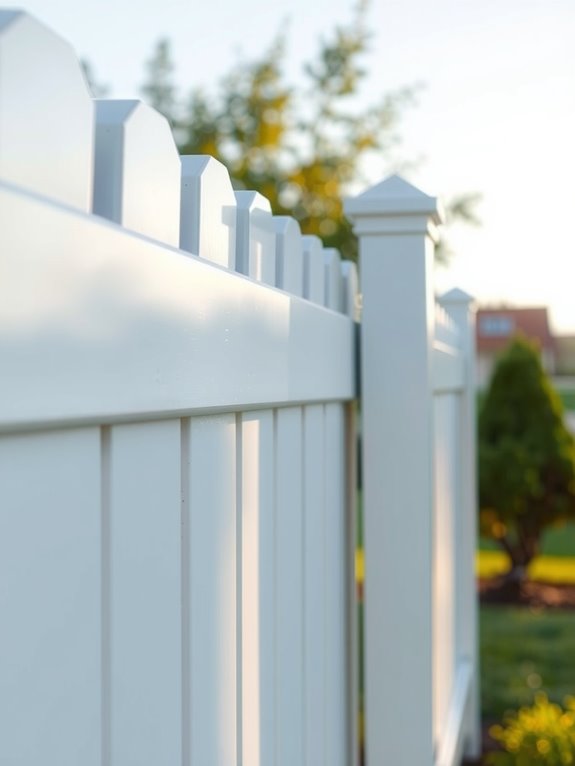
Rather than spending time and money on touch-ups and full repaints every few years, consider buying vinyl fencing that’s already colored during manufacturing. Pre-colored vinyl has the color built into the material itself, so you skip the painting process entirely.
This approach works well for several reasons. The color resists fading and chipping the same way paint does, but without requiring repainting every three to five years. Because the color is part of the vinyl rather than sitting on top of it, you avoid adhesion problems that often happen with painted vinyl. You also won’t deal with warranty issues that painting can create.
Darker paints absorb heat and can cause warping in vinyl fencing. Pre-colored vinyl stays smooth and maintains its original shape through temperature changes. The non-porous surface also resists staining better than painted alternatives.
Weatherables® offers vinyl fence kits in multiple colors. You can request free samples to compare the quality and appearance before making your final choice.
Upgrading Your Fence Without Paint: Panels, Lighting, and Landscaping
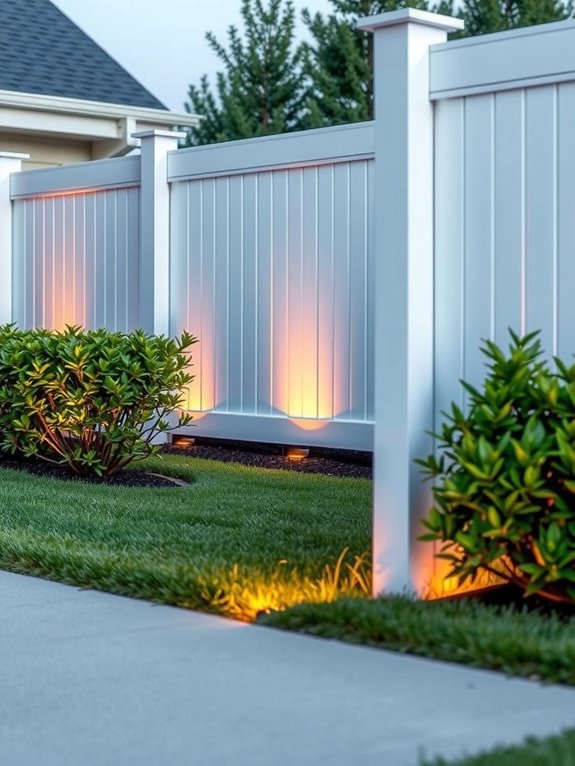
Your fence doesn’t need paint to look better. There are several practical ways to refresh its appearance while keeping the vinyl underneath protected.
Adding Decorative Panels
Decorative panels slip right over your existing fence sections. They work like a cover-up, hiding wear and instantly changing how your fence looks. These panels come in different styles and finishes, so you can pick the look you want without committing to permanent changes. If you decide you don’t like the style later, you can remove them or swap them out for something different.
Using Lighting to Add Interest
Solar post caps are small lights that sit on top of your fence posts. They run on solar power during the day, then turn on automatically at dusk. Most solar caps provide enough light to highlight your fence line and create a nice glow for evening time outside. Installation takes about 10 minutes per post since they simply clip on, and they need no wiring or maintenance.
Planting Along Your Fence
Adding plants at the base of your fence serves multiple purposes. Low shrubs or flowers that reach 2 to 3 feet tall can block sight lines from the street while softening the hard edges of the fence itself. These plants also frame your property in a natural way. Choose shrubs that grow well in your area and won’t need constant attention.
Choosing Pre-Colored Vinyl for Replacements
When you need to replace a damaged section, consider color-through vinyl instead of plain white or gray. These panels have color built into the material itself rather than painted on top. They hold their color for 10 to 15 years without fading or needing to be repainted, making them a practical option for sections that get direct sun.
Replacing Your Vinyl Fence Instead of Painting It
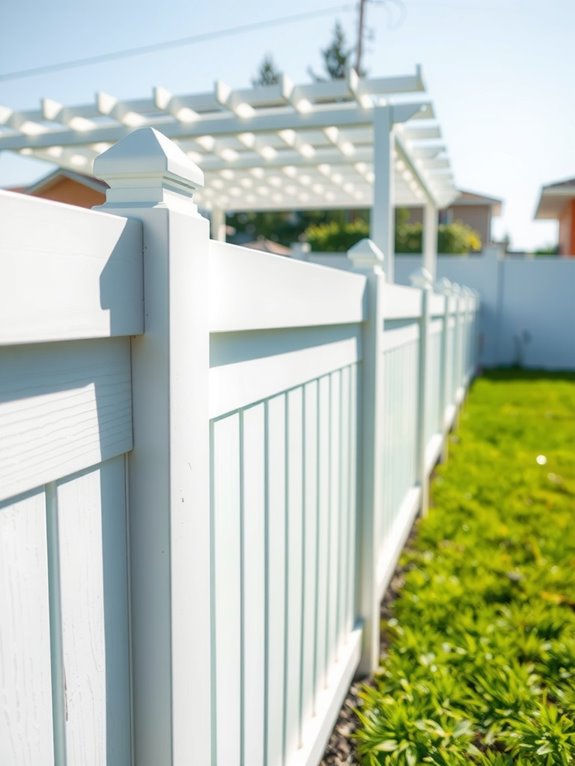
If you’ve tried decorative panels, lighting, and landscaping but still aren’t satisfied with how your fence looks, replacing sections or the entire fence might work better than painting. Painting vinyl fences creates real problems—the paint often peels off because vinyl resists adhesion, and it can void your warranty. Instead, you can buy manufactured vinyl that comes with built-in colors designed to resist fading over time.
Color-through vinyl is a solid option. The color goes all the way through the material, not just on the surface. This means if a panel gets scratched, the color underneath matches. You pick your color during production, so you won’t need to repaint later.
You have choices with how much to replace. You might swap out just the damaged panels to refresh your fence’s look. Or you could replace entire sections with new designs. Adding decorative post caps and updating your landscaping alongside the replacement work together to complete the whole picture.
Manufactured vinyl fences come in various colors selected when they’re made. Typical options include white, gray, tan, and brown in standard finishes. This production choice eliminates all future paint maintenance and the problems that come with it.
Talk with professionals like Pacific Fence & Wire before making your decision. They can walk you through the different materials available, help you choose colors that work with your home, and explain warranty details so you understand what’s covered if issues come up later.
How Long Does Paint Last on Vinyl Fencing?
How Long Does Paint Last on Vinyl Fencing?
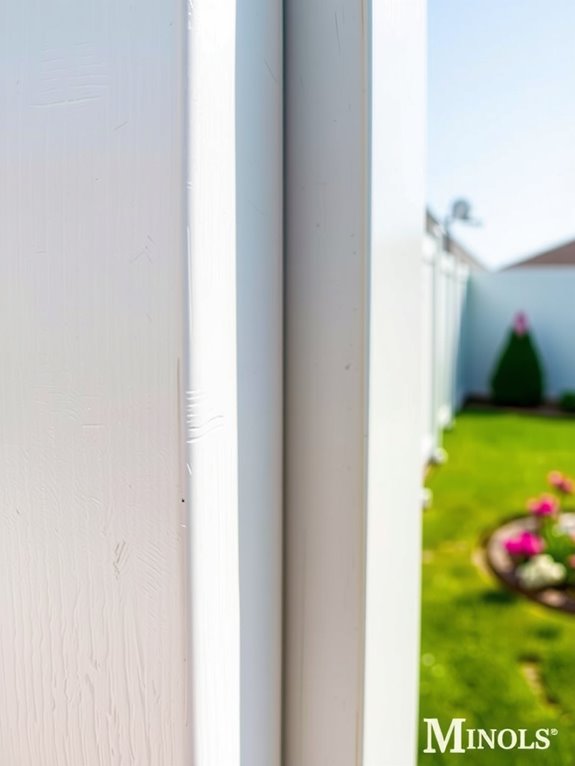
Paint on vinyl fencing typically lasts two to three years before you’ll see noticeable fading or peeling. However, this timeline shifts based on where you live and how much direct sunlight your fence receives. If you paint your fence a dark color, expect the paint to fade faster—sometimes within eighteen months under strong sun exposure.
Paint on vinyl fencing typically lasts two to three years, though dark colors fade faster under strong sun exposure.
Choosing the Right Paint and Primer
You’ll need epoxy-based acrylic paint paired with a vinyl primer for the best results. This combination holds up longer than other paint types because vinyl’s smooth surface doesn’t naturally grip paint well. The primer creates a bridge between the vinyl and the paint, giving you better adhesion and durability.
Preparation Makes the Real Difference
How long your paint lasts depends heavily on how thoroughly you prepare the surface. Start by cleaning your fence completely to remove dirt, mildew, and debris. Sand the fence lightly with medium-grit sandpaper—you’re not trying to remove material, just roughing up the surface enough for paint to grip.
When you’re ready to paint, apply multiple thin coats rather than one thick coat. Let each coat dry fully between applications according to the paint manufacturer’s instructions, usually four to six hours. Thin coats dry more evenly and stick better than heavy ones.
Realistic Expectations
Even with perfect technique, vinyl’s non-porous nature limits paint longevity compared to wood fencing. Plan on repainting every two to three years to maintain the appearance you want.
When Painting Vinyl Is Worth Considering
When to Paint Your Vinyl Fence
Painting your vinyl fence makes sense in specific situations. If you’ve just finished a home renovation and want a fresh look without the cost of new fencing, painting offers a middle path. Compare what you’ll spend on primer, paint, and labor against the price of buying new vinyl sections or alternative options like decorative panels that need less upkeep over time.
Check your fence condition first. If the structure is solid and only the color needs updating, painting works well for the next several years. This approach costs less than full replacement but gives you more control than leaving things as they are. The choice depends on how long you plan to stay in your home and whether a simple color change will satisfy your needs.
Aesthetic Updates After Renovation
When your vinyl fence has faded after years of sun and weather, painting offers a way to refresh your yard without a full replacement. You’re likely considering this option if you’ve recently completed renovation work.
Painting vinyl has real advantages: you keep the existing fence structure while changing its appearance. With quality vinyl paint and proper preparation, you’ll see results worth the effort. What matters most is understanding what you’re committing to. Most vinyl fence projects need two to three thin coats, and maintenance becomes an ongoing task once you’ve painted.
Getting your fence ready matters more than you might think. Start by cleaning thoroughly with soapy water or a vinegar solution to remove dirt, algae, and chalky residue. After the fence dries completely—wait at least 24 hours—use 220-grit sandpaper to lightly scuff the surface. This roughening helps paint grip better. For paint selection, use epoxy-based acrylic vinyl paint paired with a vinyl-specific primer. These products bond to vinyl better than standard house paint.
The actual painting takes patience. Apply each coat thin rather than thick. Plan for drying time between coats, typically 4 to 6 hours depending on humidity and temperature. A fence that’s 100 feet long might need a full weekend or longer to complete properly.
Before starting, ask yourself whether this project aligns with how you want to use your outdoor space over the next few years.
Cost Versus Replacement Options
Before you commit to painting, it’s worth comparing the real costs of this project against replacing your fence entirely. Painting requires specialty primers, multiple coats, and extended drying time—expenses that add up quickly, especially if you hire professionals to do the work.
| Option | Upfront Cost | Maintenance | Warranty |
|---|---|---|---|
| Paint vinyl fence | $500–$2,000+ | Repainting every 3–5 years | Likely voided |
| Color-through vinyl | $3,000–$5,000 | Minimal | Intact |
| Decorative panels | $400–$1,500 | Low | Varies |
| Landscaping accent | $300–$1,200 | Seasonal | N/A |
Painting voids your warranty. If the paint doesn’t stick properly or heat causes the vinyl to warp, you’ll have no manufacturer protection. Color-through vinyl costs more upfront—$3,000 to $5,000 compared to $500 to $2,000 for painting—but you won’t need repainting every 3 to 5 years. That ongoing cost difference matters over 10 or 15 years.
Decorative panels and landscaping accents offer middle-ground choices. These run $300 to $1,500 depending on what you select, require less regular maintenance than paint, and let you refresh your fence’s appearance without a major overhaul. The right option depends on your budget now and what you’re willing to spend later.
Choosing the Right Paint for Vinyl Surfaces
Understanding Paint Adhesion on Vinyl
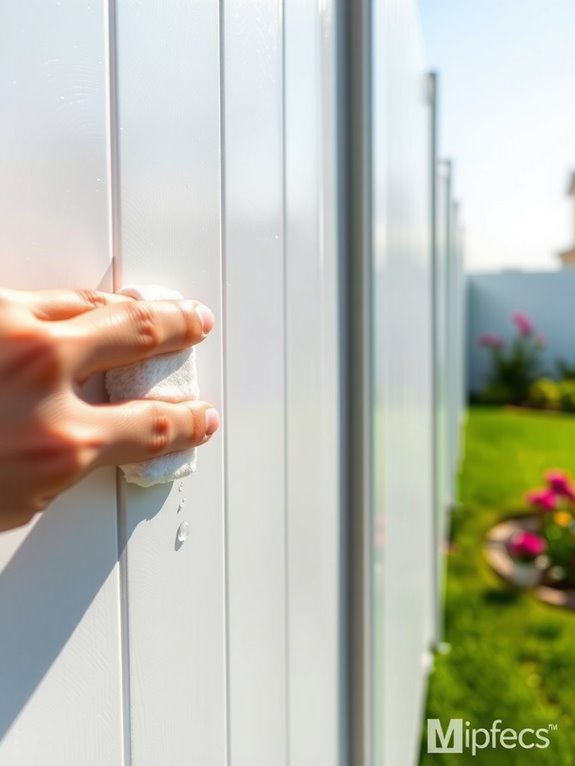
Paint sticks to vinyl when you use the right product type. Many paints fail because they don’t bond properly to the vinyl’s smooth surface. You need epoxy-based acrylic paint that was formulated specifically for vinyl. Latex and oil-based paints peel quickly and won’t hold up, so skip those options entirely.
Preparing Your Surface
Start by applying a vinyl-specific bonding primer. This primer creates a slightly textured surface that helps your paint grip better. Apply at least two thin coats of primer rather than one thick coat. Thin coats dry more evenly and create a stronger bond than a single heavy application.
Choosing Your Paint Color
If your vinyl fencing gets direct sun most of the day, choose light colors. Dark colors absorb more heat, which causes the vinyl to expand and fade faster over time. Light colors reflect sunlight and keep the material cooler, protecting it from warping and color loss.
Application for Lasting Results
Once your primer is dry, apply two coats of your epoxy-based acrylic paint. This combination—primer plus paint—creates a finish that lasts years rather than months. Taking time to do this properly now means you won’t need to repaint within two or three years.
How to Prepare Your Vinyl Fence Before Painting
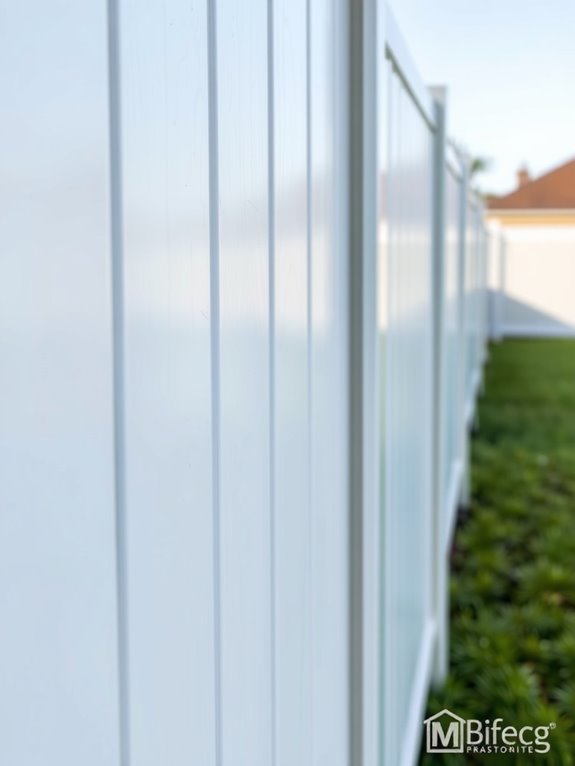
Before you paint your vinyl fence, you need to prepare it properly so the paint will stick and last. Start with a thorough cleaning.
Wash the entire fence with soapy water and a soft sponge, working section by section. If you have a lot of dirt buildup, a low-pressure power washer works well, but keep the nozzle at least 12 inches away from the vinyl to avoid damage. Let the fence dry completely—plan for at least a few hours on a sunny day, or overnight if you’re not sure.
Once dry, lightly sand the surface with 220-grit sandpaper. This roughens the vinyl just enough to give the primer and paint something to grip onto. Wipe away all the dust with a damp cloth and let it dry again.
Apply a vinyl-specific primer next. This creates a smooth, even base that helps your top coats look better and last longer. The primer typically dries in 1 to 2 hours, depending on temperature and humidity. Follow the manufacturer’s instructions on the can for exact drying times before painting.
Cleaning and Surface Prep
The foundation of a lasting paint job on vinyl fencing starts with a clean, properly prepared surface. Taking time to wash and prep your fence before painting prevents problems down the road.
Washing Your Fence
Begin by washing the entire fence with soapy water and a soft sponge to remove dirt and debris. This first step removes the layer of grime that can interfere with paint sticking to the vinyl. For stubborn stains, mix equal parts white vinegar and water in a bucket, apply the solution to the stained areas, and let it sit for 10 to 15 minutes before rinsing thoroughly with clean water. A low-pressure washer on its gentlest setting also works well for this stage—just avoid high-pressure settings or harsh scrubbing, which can damage the vinyl surface.
Light Sanding (Optional)
Optional light sanding with 220-grit sandpaper improves paint adhesion by slightly roughing up the vinyl. This step helps paint grip the surface better. If you choose to sand, work gently in small circular motions, then wipe away all dust with a clean cloth.
Drying
Complete drying before priming or painting is the final step. Trapped moisture underneath paint creates adhesion problems that compromise your results. Allow at least 24 hours of dry weather before moving forward, checking that the surface is completely dry to the touch.
| Step | Action | What You’ll Need |
|---|---|---|
| 1 | Wash fence | Soapy water, soft sponge |
| 2 | Treat stains | Vinegar-water mixture, 10-15 minutes wait time |
| 3 | Light sand (optional) | 220-grit sandpaper |
| 4 | Dry completely | Clean cloth, 24 hours dry time |
Primer Application Techniques
Primer matters when painting vinyl fencing because it creates a strong bond between your vinyl surface and the topcoat. Without this bond, paint peels and cracks within a few seasons.
Start by lightly sanding with 220-grit sandpaper to create tiny surface roughness. Smooth vinyl doesn’t hold primer well, so this step gives the primer something to grip. After sanding, wipe away all dust with a damp cloth and let it dry completely.
Before applying primer, clean your fence thoroughly. Remove dirt, oils, and any residue with a pressure washer set to 1500 PSI or a stiff brush and soap solution. Let the fence dry for at least 24 hours before moving forward.
Choose a vinyl-specific primer that works with epoxy-based acrylic topcoats. Apply it in thin, even coats rather than one thick coat. Follow the product instructions for dry time, which typically ranges from 2 to 4 hours depending on temperature and humidity.
Skipping the waiting period is tempting but costs you in the long run. Once the primer fully hardens, apply at least two thin topcoats. Each thin coat bonds better than one thick coat and gives you more even color and stronger protection for your fence.
How to Paint Vinyl Fencing
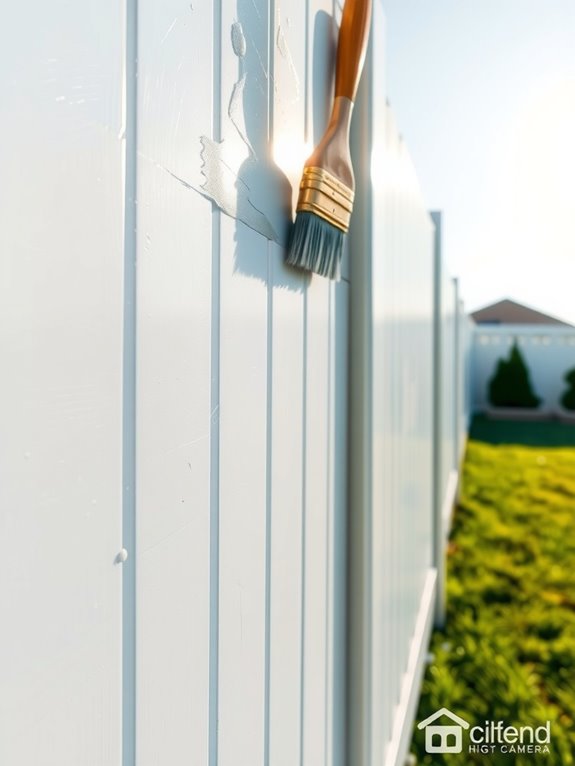
Painting your vinyl fence is a practical project if you follow the right steps. Start by applying vinyl primer in thin, even layers. A sprayer gives you consistent coverage, but a brush works fine if you want more control. Let the primer dry completely—usually 2 to 4 hours depending on temperature and humidity.
Next, choose epoxy-based acrylic vinyl paint, which sticks to vinyl better than standard paints. Apply at least two thin coats rather than one thick coat. Follow the grain of your vinyl panels as you work, which creates a more natural look. Whether you spray or brush, take your time with each layer. Patience and proper technique produce better results than rushing through the job.