Your wood fence will last anywhere from 5 to 75 years, depending on the type of wood you choose and how well you maintain it. Cedar typically holds up for 20 to 30 years with regular care, while pressure-treated pine usually lasts between 15 and 20 years. The lifespan difference comes down to how much work you’re willing to put in.
Here’s what actually keeps a fence standing: seal the wood every 2 to 4 years, keep vegetation trimmed at least 12 inches away from the fence line, and walk the fence once a year to spot rot or loose bolts and nails. If you skip maintenance, even the best wood will break down quickly. Metal posts will outlast wooden ones by decades, so that’s worth considering when you rebuild or repair sections.
Getting a professional inspection costs between $150 and $300. This small investment catches problems early—before they turn into expensive repairs that eat up your budget. Think of it as preventive work rather than waiting until boards are falling off to call someone out.
How Long Does a Wood Fence Last on Average?
How Long Does a Wood Fence Last on Average?
The lifespan of your wood fence comes down to two main factors: the type of wood you choose and how well you maintain it.
Different woods age at different rates. Softwoods like spruce or fir typically last 5–10 years before they start to rot and split. Pressure-treated pine extends that timeline to 15–20 years because the chemical treatment slows decay. Cedar performs better with proper maintenance, reaching 20–30 years. If you want something that lasts longer, redwood or cypress can go 25–30+ years. For the longest-lasting option, exotic hardwoods like ipe can stay solid for 40–75 years.
Maintenance matters more than you might think. Regular sealing and staining create a protective barrier that slows rot substantially. Adding pest control to your routine prevents insects from weakening the wood from inside. Without these steps, even high-quality wood deteriorates faster than it should.
How your fence was built also affects how long it will last. Poor installation—like using the wrong fasteners, not setting posts deep enough, or failing to account for water drainage—accelerates rot regardless of wood type. A well-constructed fence can outlast a poorly built one by many years, even if both use the same material.
Understanding what your fence should last helps you plan ahead. You’ll know when to budget for repairs or replacement and can make smarter choices about which wood type fits your timeline and resources.
What Factors Determine Your Fence’s Real Lifespan?
Why do some wood fences fail after a decade while others stand strong for forty years? Your fence’s real lifespan depends on several interconnected factors you can actually control.
Three critical elements shape your wood fence lifespan:
- Installation quality – Properly set posts and secure boards prevent premature failure, while poor installation accelerates deterioration
- Climate and moisture control – Wet environments encourage rot and insect damage; proper drainage and ventilation protect your investment
- Maintenance practices – Regular sealing every 2–4 years, annual cleaning, and prompt repairs extend longevity substantially
Maintenance matters most. A cedar fence in dry conditions with consistent care lasts 20–30 years. That same fence neglected in humid climates fails within a decade. Your climate determines vulnerability, but your maintenance determines survival.
Here’s what happens in practice. A homeowner in Arizona with a properly installed cedar fence and annual sealing might see 30+ years of service. Meanwhile, a fence installed the same way in Mississippi, where humidity stays high year-round, might need replacement in 12–15 years without regular maintenance. The difference isn’t the wood itself—it’s what you do about the moisture.
Start by checking your posts during installation. They should sit 2–3 feet deep in the ground, set in concrete that slopes away from the post for drainage. This single step prevents water from pooling at ground level where rot begins. After installation, commit to sealing your fence every few years and clearing debris that collects against the boards. Taking these steps now saves thousands later.
Which Wood Types Last Longest?
When you’re choosing materials for your fence, the type of wood you pick determines how long it’ll stand strong. Three main categories exist: premium hardwoods that last 20-40 years, pressure-treated woods that typically survive 15-20 years, and softwoods that require regular maintenance to reach 10 years.
Premium hardwoods like cedar, redwood, and ipe contain natural oils that resist rot and insects. Cedar heartwood, for instance, can last 15-20 years without treatment, while ipe—a dense tropical hardwood—often exceeds 25 years even in harsh climates. These woods cost more upfront but need less maintenance over time.
Pressure-treated lumber has chemicals forced into the wood under high pressure, protecting it from decay and termites. A typical pressure-treated fence lasts 15-20 years with occasional staining or sealing every 2-3 years. This option balances cost and durability for most homeowners.
Softwoods like pine and spruce are affordable but vulnerable to moisture, rot, and pests. Without regular treatment—staining or sealing annually—they deteriorate quickly, sometimes showing significant damage within 5-7 years. If you choose softwood, plan for consistent upkeep.
Your decision depends on three factors: how long you want the fence to last, how much maintenance you’re willing to do, and what fits your budget. A fence lasting 20 years with minimal care might cost more initially but requires less work than one needing annual treatment.
Premium Hardwoods For Longevity
If you’re ready to spend more money at the start, premium hardwoods can last much longer than cheaper options. Exotic hardwoods like ipe are your best choice for a fence that stands for decades. With proper care, ipe lasts 40 to 75 years, which means your fence could outlive several of your neighbors’ replacements.
Your main hardwood options:
Ipe hardwood naturally resists rot and decay without needing heavy chemical treatments. You can expect 40 to 75 years of performance from this dense tropical wood.
Redwood and Cypress contain natural oils that fight rot. These woods typically last 25 to 30 years or longer, depending on your climate and maintenance habits.
Cedar offers 20 to 30 years of life, and you can extend it to 25 years or more by sealing or staining it regularly.
Premium hardwoods do need attention. You’ll need to seal, stain, or treat them periodically to keep them strong against rain, sun, and temperature changes. The payoff is decades of reliable performance. While softwoods might need replacing after 10 to 15 years, a well-maintained hardwood fence keeps standing long after the initial investment pays for itself through avoided replacements.
Pressure-Treated Wood Options
Pressure-treated pine sits between the cheapest softwoods and pricey hardwoods, making it a practical choice if you want decent performance without overspending. You can expect 15–20 years of service from this material, though you’ll notice visible wear starting around year 15 if you skip maintenance.
The work you do now determines how long your fence actually lasts. Seal or stain the wood every 2–4 years to prevent rot from taking hold. Pay special attention to the posts and the lower sections closest to the ground, since soil contact speeds up decay significantly. Pressure-treated wood doesn’t stay perfect on its own—it still swells, cracks, and warps over time. Build in proper drainage around your fence and slope the ground away from the line. These steps let you extend that 15–20 year window considerably.
Softwoods And Their Limitations
Softwoods And Their Limitations
How long your fence actually lasts depends on which softwood species you pick. Different types have different durability levels, and knowing these differences helps you choose what works best for your property.
You have several softwood options to consider:
- Spruce or fir last only 5–10 years without regular protection
- Pressure-treated pine extends to 15–20 years with proper maintenance
- Cedar and redwood reach 25–30+ years when you care for them
The real trade-off is this: softwoods need consistent treatment and maintenance to reach their full lifespan. These fast-growing species depend heavily on your effort. You’ll need to seal, stain, and inspect your fence regularly if you want it standing strong for decades. You’re committing to ongoing care, not just the initial installation.
When I helped my neighbor build a cedar fence eight years ago, we sealed it every two years without fail. His fence still looks solid. Two blocks over, someone built a spruce fence and never treated it once. After six years, the wood started rotting at the base. The difference between those two fences came down to maintenance choices, not the wood itself.
Do Metal Posts and Rot Boards Really Make a Difference?
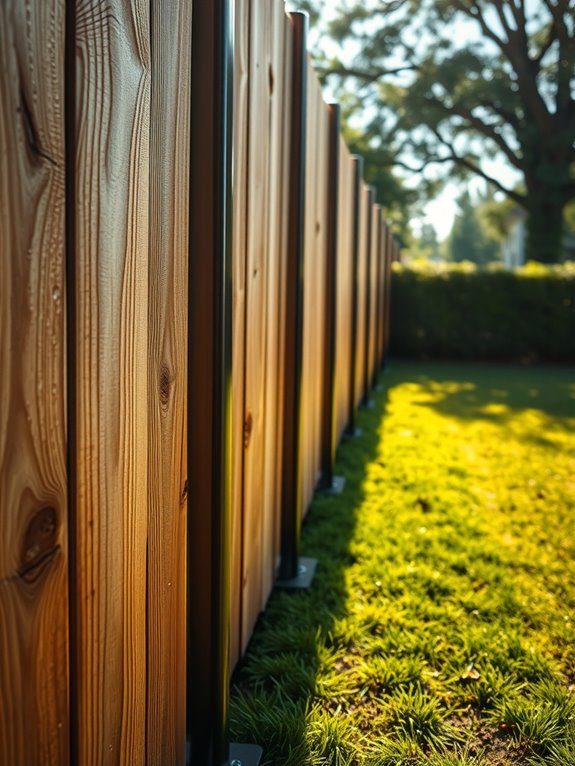
Do Metal Posts and Rot Boards Really Make a Difference?
When you’re building a fence, the choice of what holds everything up matters more than many people realize. Metal posts—whether steel or aluminum—outperform wood by resisting rot, warping, and insect damage that eventually destroy wooden supports. A wooden fence post typically lasts 5 to 10 years before deterioration begins, while metal posts can last 20 to 30 years or longer with basic maintenance.
You can still achieve that classic wood fence look by covering metal posts with wood pickets. This approach gives you the attractive appearance you want while keeping the superior strength underneath. The wood pickets may need replacement every 10 to 15 years, but your foundation stays solid.
Rot boards are protective barriers placed at ground level where posts meet soil. They work by creating a buffer that stops moisture from attacking your posts directly. Without this protection, water from rain and soil contact seeps into the base of wooden posts and accelerates decay. Metal posts don’t rot, but rot boards still help by improving drainage around the post area and preventing water from pooling at ground level.
Installing a simple gravel bed around your posts and checking them twice a year during spring and fall will catch problems early. This routine inspection takes about 30 minutes for an average residential fence. When you combine metal posts with basic drainage and regular checks, you shift from constant repairs to occasional maintenance, and your fence remains functional for decades rather than years.
The Wood Fence Sealing Schedule That Actually Works
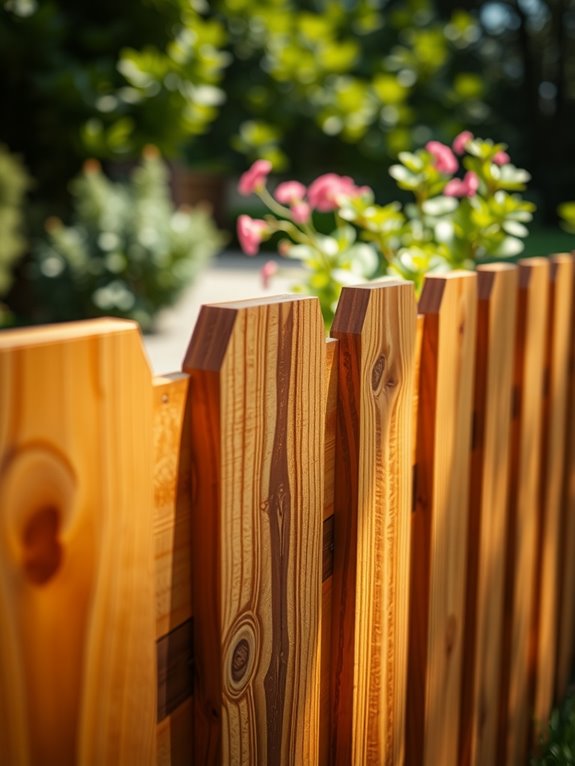
While metal posts keep your fence’s skeleton strong for decades, the wood boards you see every day need their own protection plan—and it’s simpler than most people think.
Metal posts provide decades of durability, but wood boards demand their own straightforward protection strategy.
You’ll want to reseal every 2 to 4 years, depending on your climate. Here’s what actually matters:
- High sun or harsh weather areas require more frequent resealing to combat UV exposure
- Dry season’s end is ideal timing, especially if you’ve used kiln-dried wood that needs less moisture removal
- Annual cleaning plus crack repairs work alongside sealing to extend your fence lifespan significantly
Before applying any stain or sealer, make sure your wood is completely dry. Wet wood won’t accept a protective coating properly, so patience here pays off. Quality sealers guard against moisture penetration and fading, giving you years of reliable performance.
Stick to this schedule, and you’re not just maintaining a fence. You’re protecting your property’s curb appeal and structural integrity against the elements.
Stop Rot in Its Tracks: Replacing Damaged Boards Before Structural Failure
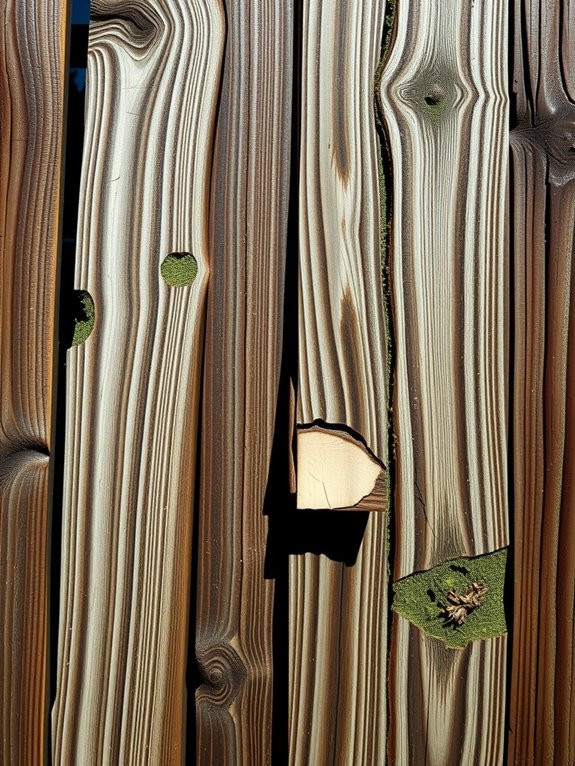
Catching Rot Early
Fence boards fail quickly when rot takes hold, especially at ground level where moisture collects and sits. You’ll want to catch damaged boards early and replace them before the decay spreads to neighboring sections. The longer rotted pickets or posts stay in place, the faster the damage travels through your fence structure.
Installing Protection at Ground Level
A rot board—a protective wooden barrier installed at ground level—helps slow moisture damage. Use hardwood fasteners like stainless steel or galvanized nails instead of standard fasteners, which rust and corrode easily. Hardwood fasteners resist moisture better and last longer in damp conditions.
During your monthly or quarterly inspections, look for soft spots, discoloration, or wood that crumbles when you press it. These signs mean rot has already started. Don’t wait to replace affected boards. Each month of delay allows decay to advance into the surrounding wood.
Working With Your Neighbor’s Fence
If you share a fence with neighbors, talk to them about your replacement plans. When one side of a fence develops rot, the damage can compromise the entire structure over time. Coordinating your board replacement timeline keeps the fence stable on both sides.
Regular inspections that target early rot signs will keep your fence standing for years to come.
How Moisture and Vegetation Damage Your Wood Fence
Even if you’ve replaced rotted boards and reinforced your fence structure, moisture and plants can still damage your work. Water is your fence’s biggest enemy, so you need to address both sources directly.
Water is your fence’s biggest enemy—address moisture and plants directly to protect your investment.
Ground contact creates the most problems. Boards touching soil absorb water constantly, which causes rot to spread upward through the lower half of your fence. Install a rot board—a pressure-treated 2×6 or 2×8 board—at the base where posts meet the ground. This board sits between the soil and your fence structure, absorbing moisture instead of your posts and pickets. Replace the rot board every 5 to 7 years as it deteriorates.
Vegetation growing against your fence traps moisture against the wood. Plants block air circulation, which keeps the fence damp even after rain stops. Trim shrubs and vines back at least 12 inches from your fence line. This gap lets air dry the wood naturally and prevents roots from damaging the posts underneath.
Sprinkler spray delivers sustained wetting that wood can’t handle. Position sprinkler heads to water away from the fence, or install soaker hoses that direct water at ground level rather than sending spray upward.
Check your fence every 3 to 4 months for soft spots, discoloration, or mold patches. These signs appear before serious damage develops. When you catch moisture problems early—within weeks—you can make simple repairs. Waiting months lets rot spread deep into the wood, requiring board replacement instead of a quick fix.
What Should Your Annual Inspection Checklist Include?
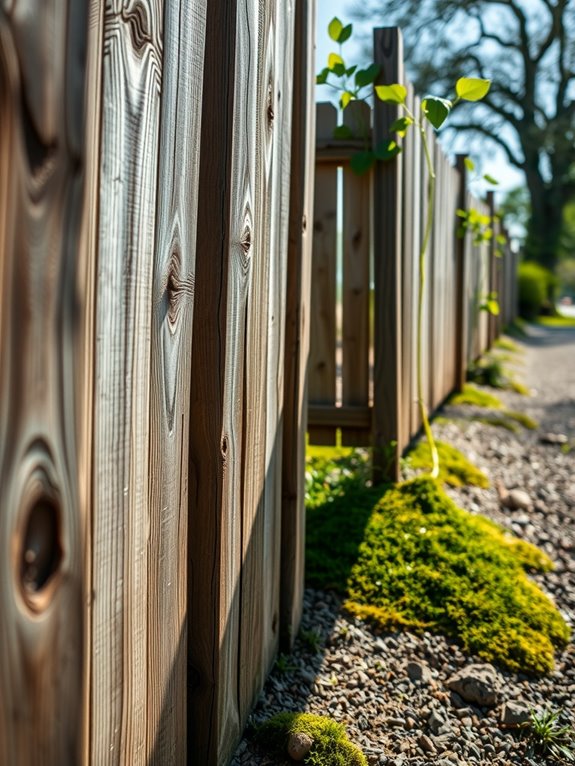
What Should Your Annual Inspection Checklist Include?
When was the last time you actually walked the full perimeter of your fence and stopped to really look at it. Your annual inspection checklist protects your investment and catches problems before they become expensive repairs.
Check for soft spots in the wood, which indicate rot and decay that need immediate attention. Look for warping, pest damage, and loose fasteners—nails, bolts, or screws—that weaken the structure. Inspect each post to make sure it’s sitting firmly in the ground. Leaning sections signal that the foundation is failing or the wood is rotting underneath.
For wood fences, examine the hinges and locks on any gates. Wipe them clean and apply a light lubricant every six months to prevent rust and sticking. Watch for fading and sun damage on the surface as part of routine maintenance.
Timing matters when it comes to moisture and decay. During rainy months, increase your checks to every two weeks since water speeds up damage. If you live in a climate with heavy rain or snow, pay extra attention in spring when the ground thaws and posts may shift.
Replace any posts that are badly damaged or rotting before the entire section becomes unstable. A single weak post can eventually compromise several panels next to it. By staying on top of these checks, your fence will last many years without major structural problems.
Should You Choose Wood Over Vinyl, Metal, or Chain Link?
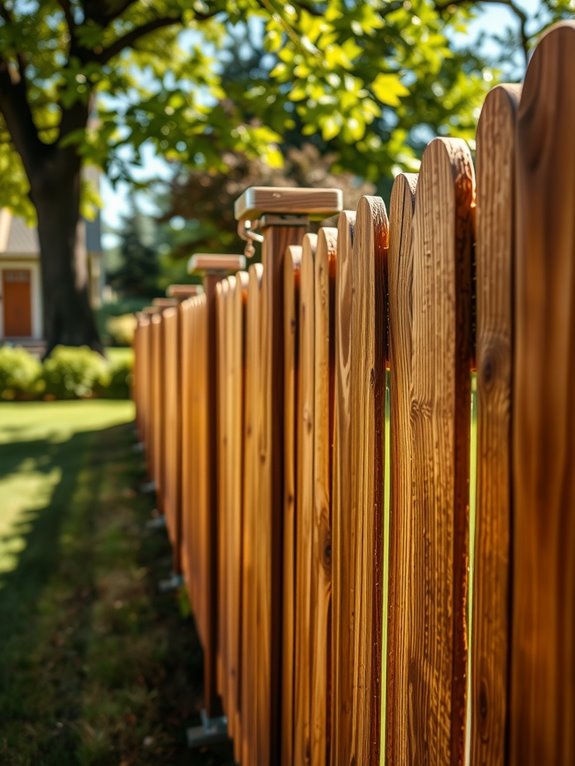
Now that you know how to keep your wood fence in top shape, you’re probably wondering if wood’s the right choice for your property in the first place. Here’s what sets wood apart in the fencing materials comparison:
- Wood fence lifespan: Cedar and redwood last 20–30 years with regular maintenance, while pressure-treated pine manages 15–20 years. Vinyl and aluminum typically outlast wood by a significant margin—vinyl can last 30–40 years with minimal care, and aluminum often reaches 20–30 years.
- Maintenance demands: You’ll need to seal or stain your wood fence every 2–4 years, depending on weather and sun exposure. Metal and vinyl require minimal upkeep—usually just occasional cleaning with a hose and mild soap.
- Aesthetics and privacy: Wood offers natural beauty and solid privacy that other materials struggle to match, though this comes at the cost of regular maintenance work.
Choose wood when you value the look and feel of natural material and don’t mind dedicating time to upkeep. Pick vinyl or metal if you’d rather spend your weekends doing something other than fence maintenance.
Can Regular Maintenance Actually Extend Your Fence’s Life?
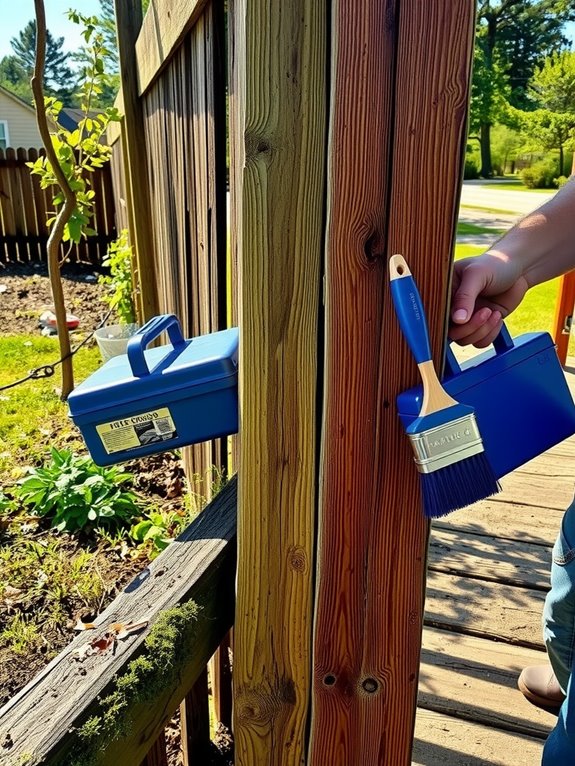
Can Regular Maintenance Actually Extend Your Fence’s Life?
Yes, it does. Regular maintenance keeps your wood fence standing strong for decades instead of falling apart in 10 or 15 years.
What You Need to Do Each Year
Walk around your fence once a year and look for problems. Check for soft spots that might mean rot is starting, small holes or tunnels from insects, and nails or screws that have loosened. Catching these issues early stops them from spreading to healthy wood.
Clean your fence yearly with mild detergent and a soft brush. This removes dirt, mold, and mildew that eat away at the wood surface. Pay special attention to shaded areas where moisture sits longer.
Keep Plants Under Control
Trim back bushes, vines, and grass growing against your fence. Plants hold water against the wood, and that moisture speeds up decay. Leave at least 6 inches of clear space between your fence and any vegetation.
Protect the Wood Every Few Years
Reseal your fence every 2 to 4 years, depending on how much sun it gets. Resealing stops water and UV rays from soaking in and damaging the fibers. If you paint or stain instead, you’ll need to reapply every 3 to 5 years in areas with heavy sun exposure or every 5 to 7 years in shadier spots.
Replace Damaged Boards Right Away
A single cracked or warped board lets water seep into the boards around it. Replace these pieces promptly before the damage spreads. This simple step keeps a small problem from becoming an expensive repair later.
Get Your Wood Fence Assessed by a Professional
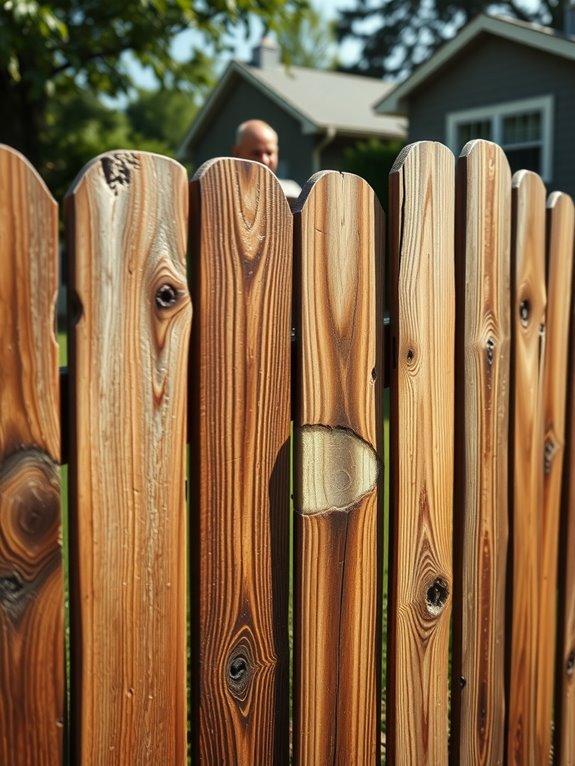
When should you call in an expert to look at your fence? Before small problems become big ones. A professional assessment catches rot, pest damage, and structural issues early, which protects your wood fence from failing years before it should.
What a Pro Looks For During Inspection
During a fence inspection, a professional examines posts, pickets, and rails for decay or instability. They check moisture intrusion points and weather damage patterns. They also assess the remaining lifespan based on your wood type and current condition.
An expert will tell you whether your fence needs repairs now or replacement in the near future. This matters because a fence with minor rot in one post might last another five years with treatment, while widespread damage across multiple sections might mean replacement within one to two years.
Getting a Tailored Maintenance Plan
Once the assessment is complete, the professional creates a maintenance plan specific to your fence. This plan includes sealing schedules (typically every two to three years), staining intervals (usually every four to five years), and prevention strategies suited to your climate and wood species. For example, a cedar fence in a humid climate needs different care than a pressure-treated pine fence in a dry region.
Getting a professional assessment now saves money later by extending your fence’s life and avoiding costly emergency repairs when your fence leans or fails. The cost of an inspection—usually between 150 and 300 dollars—is far less than replacing sections of fence or dealing with safety hazards.