3 Things That Determine How Much 100 Feet of Privacy Fence Costs
Material Choice Sets Your Starting Price
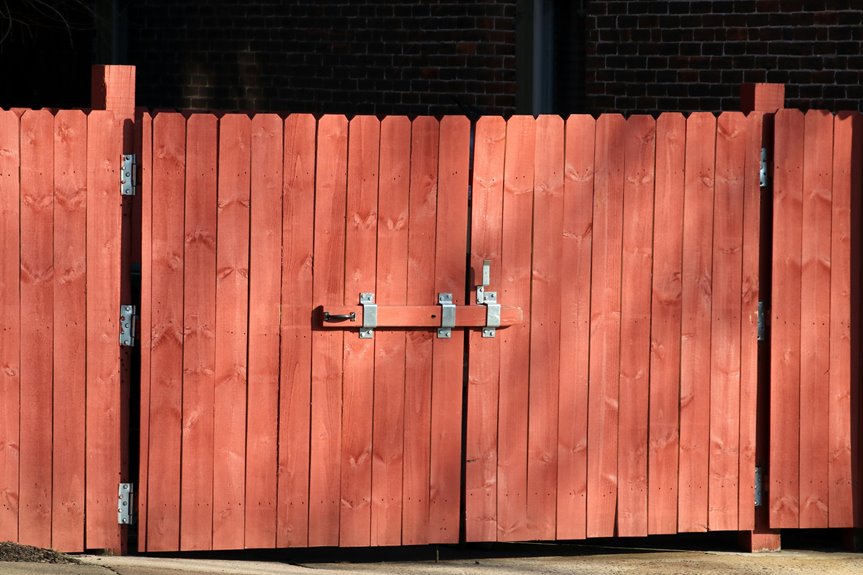
Wood is the most affordable option, ranging from $20 to $45 per linear foot. Vinyl and composite materials cost more, between $25 and $70 per foot. When I helped a neighbor price out their fence last spring, wood came in at about $2,400 for 100 feet using standard pressure-treated pine, while vinyl pushed the estimate to nearly $6,000. The material you pick becomes the foundation for everything else that follows.
Site Conditions Add Real Labor Costs
Flat, even ground makes installation straightforward. Sloped or rocky terrain changes the equation significantly. If your property slopes or has buried rocks, contractors may need to add 20 to 30 percent more labor time. Deeper footings—sometimes 3 to 4 feet down instead of the standard 2 to 3 feet—become necessary on uneven land. A homeowner I know in a hilly area spent an extra $800 on labor because the crew had to dig deeper and level the posts more carefully.
Height and Design Details Shift Your Budget
A 6-foot fence requires different post spacing than a 4-foot one. Eight-foot fences need posts every 4 feet instead of every 6 feet, meaning more materials and more holes to dig. Adding upgrades like board-on-board styling (where boards overlap on both sides) increases costs for both supplies and labor. When contractors submit their quotes, these three factors combined explain most of the variation in price.
Material Choice: The Primary Cost Driver for Your Privacy Fence
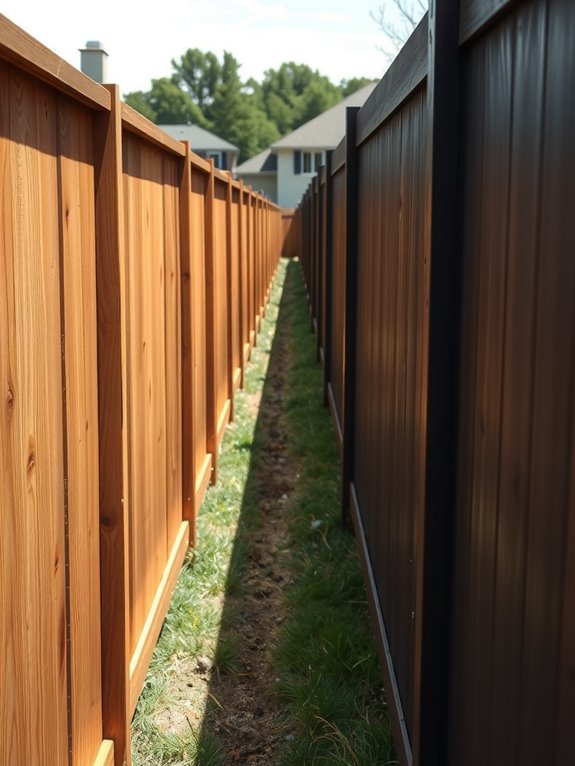
What you choose to build your fence from will have the biggest impact on your budget. Your material selection determines how much you’ll spend right away and what costs come later.
Wood typically costs $20–$45 per linear foot, making it the least expensive choice at the start. Vinyl runs $25–$65 per linear foot but saves you money over time since it needs no staining or sealing. Composite materials and aluminum range from $35–$70 and $35–$55 respectively, offering good durability with minimal upkeep required.
Wood starts at $20–$45 per linear foot, while vinyl’s higher upfront cost pays off through eliminated maintenance needs.
The type of wood matters. Pressure-treated pine costs less initially but may need replacement sooner. Cedar resists rot naturally but carries a higher price tag. Vinyl avoids the maintenance work entirely—no annual staining or sealing jobs.
When you plan for a 100-foot privacy fence, knowing your cost per linear foot helps you calculate the total expense accurately. This simple math prevents budget surprises when the project begins.
Site Terrain and Hidden Labor Costs
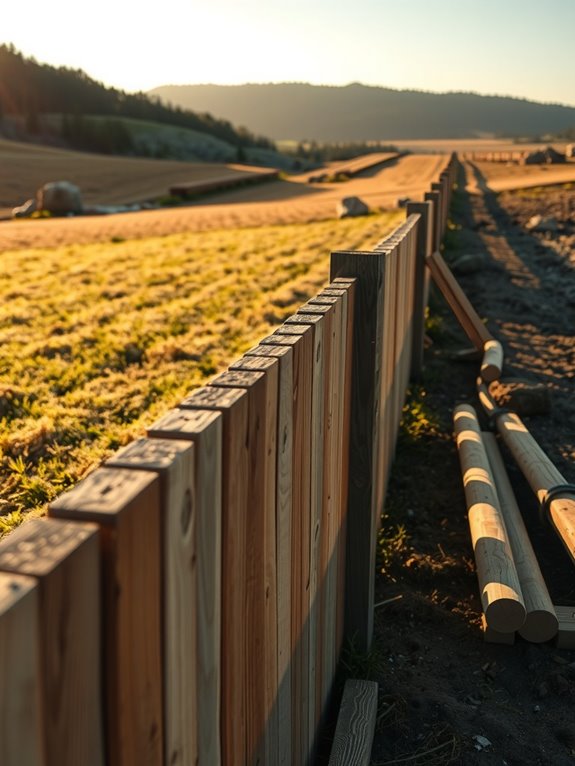
What lies beneath your yard matters more than most people realize. Your site’s terrain directly affects both labor time and your final bill.
How Slope Changes the Cost
Even a moderate slope complicates digging work significantly. Crews must work harder to maintain safe footing, and soil tends to shift downhill as they dig, creating waste. A 15-degree slope can add 20 to 30 percent to labor time on fence projects. Steeper terrain requires additional safety measures and sometimes specialized equipment.
Soil Types and Post Installation
Rocky or clay-heavy soil slows post hole installation considerably. Standard augers may not penetrate hard ground efficiently. When contractors encounter rock, they often need to dig deeper—sometimes 3 to 4 feet instead of the planned 2.5 feet—and use more concrete to stabilize posts in unstable soil. This adds material costs and extends timeline by hours or even days.
Site Access Challenges
Limited access points stretch crew efficiency. If your property has locked gates, narrow driveways, or minimal staging areas where equipment and materials can sit, workers spend extra time maneuvering equipment and hand-carrying supplies. A crew might need 10 to 15 minutes per trip to move materials from a distant staging area, which compounds across an entire project day.
Terrain Features and Material Needs
Curves, corners, and obstacles demand more posts and fasteners per linear foot than straight runs. A fence line with multiple direction changes uses 15 to 25 percent more materials than a simple straight section of equal length.
Vegetation and Ground Obstacles
Tree roots, stumps, and established landscaping require clearing or careful work around them. Moving or protecting these features takes additional time and may involve specialized removal services. Budget for these miscellaneous charges separately from your base estimate.
Preparing for Accurate Quotes
Walk your property carefully before contacting contractors. Note the slope severity, soil type (ask a neighbor if you’re unsure), primary access routes, and any trees or structures near the planned fence line. Taking photos helps contractors assess the site when you share estimates. This preparation helps you receive realistic bids and prevents unexpected costs when work begins.
Height and Optional Upgrades That Increase Price
Why Taller Fences Cost More
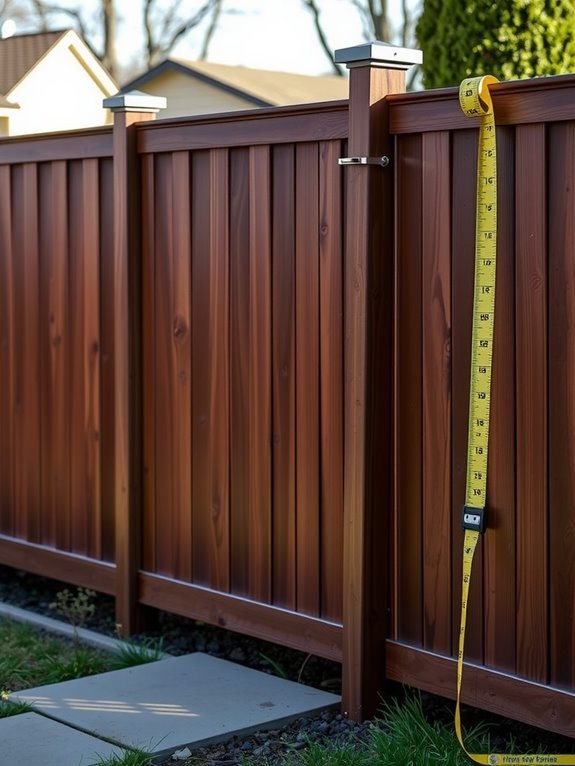
Going from 6 feet to 8 feet adds 10–20% to your project cost. The reason is straightforward: taller structures need extra materials and stronger support systems. You’ll require additional posts spaced closer together to handle the increased weight and wind resistance. Each extra post means more digging, more concrete for the footing, and more labor hours.
Post footings go deeper for taller fences. A standard 6-foot fence typically has posts set 2–3 feet into the ground. An 8-foot fence often requires 3–4 feet of depth to stay stable. That’s more excavation work and more concrete per hole. The framing lumber also needs to be heavier gauge to prevent sagging over time.
Upgrades Beyond Basic Height
Once you decide on your height, decorative options add to the price. Lattice tops, shadowbox patterns, and board-on-board styles cost more than simple vertical board panels because they require precise cutting and more labor to install correctly. A basic board fence panel runs one price, but a shadowbox design with boards on both sides of the frame uses nearly double the materials.
Gates are another significant cost factor. A walk-through gate ranges from $150 to $600 depending on materials and size. Automatic gate systems start around $2,500 and involve electrical wiring, hinges rated for repeated motion, and sometimes sensors. Even a basic manual gate requires quality hardware and proper installation to function smoothly.
Permits and Local Requirements
Most areas require building permits for fences taller than 7 feet. Permit costs vary widely—typically $50–$300 depending on your location and whether an inspector needs to visit. Some jurisdictions charge based on the linear footage of your fence. Getting the permit before you build keeps you out of legal trouble and avoids costly removal or modifications down the line.