
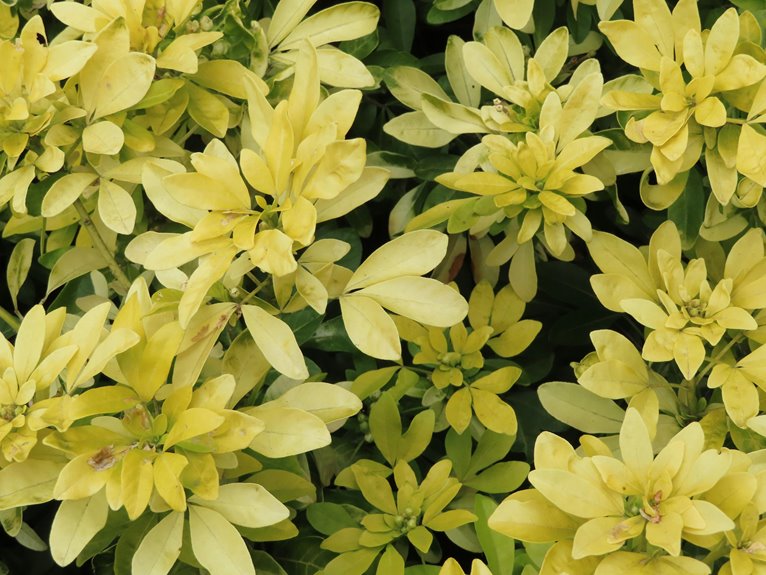
Yellow leaves on your prayer plant usually mean you’re watering too much. When soil stays constantly wet, the roots can’t get oxygen. This causes root rot, which prevents the plant from taking in nutrients even if they’re present in the soil.
Check your watering habits first. Feel the top inch of soil with your finger. If it’s still moist, don’t water yet. Wait until that top inch feels dry to the touch, then water thoroughly until it drains from the bottom. This typically means watering once every 7 to 10 days, depending on your home’s temperature and humidity.
Use a pot with drainage holes at the bottom. If water sits in the pot after you water, or if the soil smells musty or like wet leaves, root rot is likely happening. You’ll need to repot your plant into fresh, dry soil to save it.
Other factors can also cause yellowing. Prayer plants like moderate, indirect light. Direct sun through a window can scorch the leaves and turn them yellow. Keep your plant a few feet away from south or west-facing windows. Cold air from drafts, open windows, or air conditioning vents also stresses the plant. Move it to a warmer spot away from these air currents.
Prayer plants prefer humidity levels around 50 percent. If your home is dry, especially during winter, the leaf edges may turn yellow or brown. You can mist the leaves with water a couple times a week or place the pot on a tray filled with pebbles and water. The water evaporates around the plant without wetting the soil.
If the yellowing starts with the oldest leaves at the base of the plant and moves upward slowly, a nutrient deficiency might be the issue. Feed your plant with a balanced houseplant fertilizer once a month during the growing season (spring and summer). Once you address the problem, new leaves should grow in with their normal deep green color and red markings.
Overwatering: The Most Common Cause of Yellow Prayer Plant Leaves
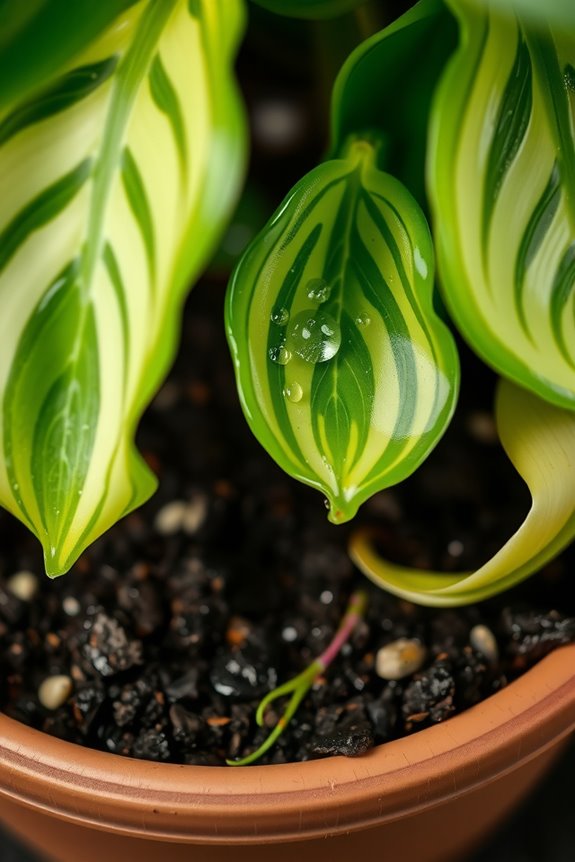
When your prayer plant’s leaves turn yellow, overwatering is probably what’s happening. You’re giving your plant too much water, which fills the soil with water and cuts off oxygen to the roots. Roots that can’t breathe start to rot, and once that happens, your plant struggles to pull in the nutrients it needs.
Look for these warning signs: leaves that droop and feel soft and mushy, and a smell like wet earth or mold coming from the soil. These are signs that root rot has already started.
Here’s how to fix it. Let the top 1 to 2 inches of soil dry out between waterings—you can check by pushing your finger into the soil. Use a pot with drainage holes on the bottom and soil that drains well, like a mix made for houseplants. These steps keep water from sitting around the roots.
If the damage looks serious, repot your prayer plant into fresh soil. This gives your plant a fresh start and stops the yellow leaves from getting worse. Most prayer plants bounce back within a few weeks once you change your watering routine.
Underwatering and Dry Air: Brown Edges Before Yellowing
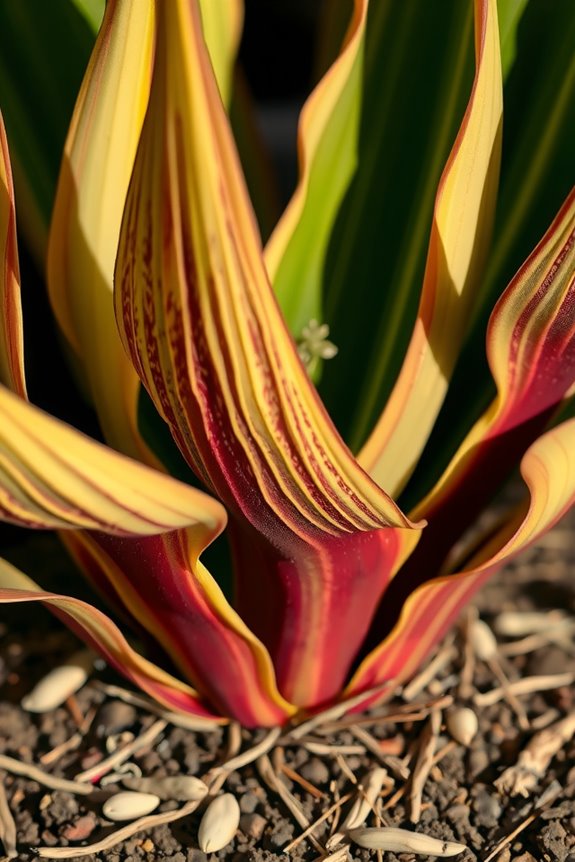
While overwatering drowns your prayer plant’s roots, underwatering creates a different problem. Brown, crispy edges appear on the leaves first, before the whole leaf turns yellow. When the top inch of soil dries out, your plant starts showing stress through those telltale brown margins.
Underwatering prayer plants causes brown, crispy leaf edges before yellowing occurs when soil dries out completely.
Dry air makes this problem worse. Even when some soil moisture remains, low humidity causes leaf edges to dehydrate and brown faster. Think of it like your own skin on a winter day—moisture escapes from the surface when the air around it is too dry.
Here’s what to do:
Water thoroughly and check weekly. When you water, pour until water drains from the bottom of the pot. This ensures moisture spreads evenly through the soil without waterlogging the roots. Set a reminder for the same day each week to check the top inch of soil with your finger. If it feels dry, water again.
Increase humidity around your plant. Misting the leaves with a spray bottle every other day helps, but a pebble tray works better for lasting results. Place your pot on a shallow tray filled with pebbles and water—the water evaporates slowly around the plant. A humidifier set to 50-60 percent humidity is the most reliable option if you have one available.
Watch your plant over the next 3 to 5 days after making these changes. The brown edges should stop spreading, and new leaves will emerge without the crispy margins. If browning continues, the soil may be drying out too quickly because of your pot size or the type of soil you’re using.
Low Humidity and Temperature Swings: Environmental Stress on Prayer Plants
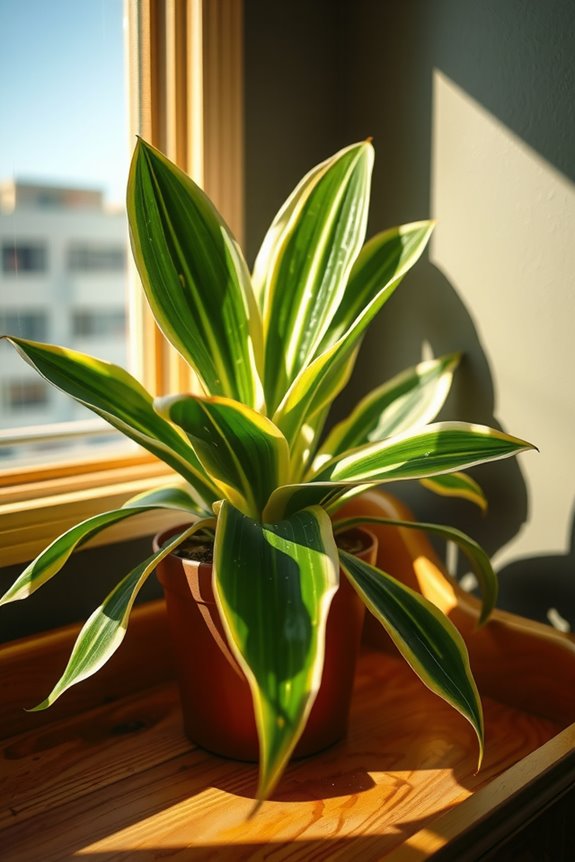
Your prayer plant’s surroundings matter more than you might realize. These plants do best in stable environments where temperature and humidity stay consistent. When conditions shift suddenly, leaves turn yellow as a sign of stress.
Temperature Control
Prayer plants prefer warmth between 65–80°F. Keep this range steady throughout the day and night. Drafts from windows, doors, or air conditioning units create sudden temperature drops that stress the leaves. Even a 10-degree shift can trigger yellowing. Position your plant away from these air sources. If your plant sits near a window in winter, the cold glass can chill it at night. Move it a few feet away from the glass during cold months.
Humidity Management
Low humidity causes leaf damage in prayer plants. When your home’s humidity falls below 40–50%, the air pulls moisture directly from the leaves, turning them pale yellow. You can raise humidity in several practical ways.
Group multiple plants together on a shelf or table. As plants release water through their leaves, they create a more humid microclimate around each other. A humidifier placed near your plants works well if your home tends to be dry, especially during winter months. A pebble tray offers another option: place pebbles in a shallow dish, add water until it just covers the pebbles, and set your pot on top. As the water evaporates, it raises humidity around the plant. Mist the leaves twice weekly with room-temperature water in a spray bottle to add immediate moisture.
Keeping temperature stable and humidity in the 40–50% range prevents the yellowing that stresses your plant.
Nutrient Deficiency and Tap Water Chemicals: Why Prayer Plants Yellow
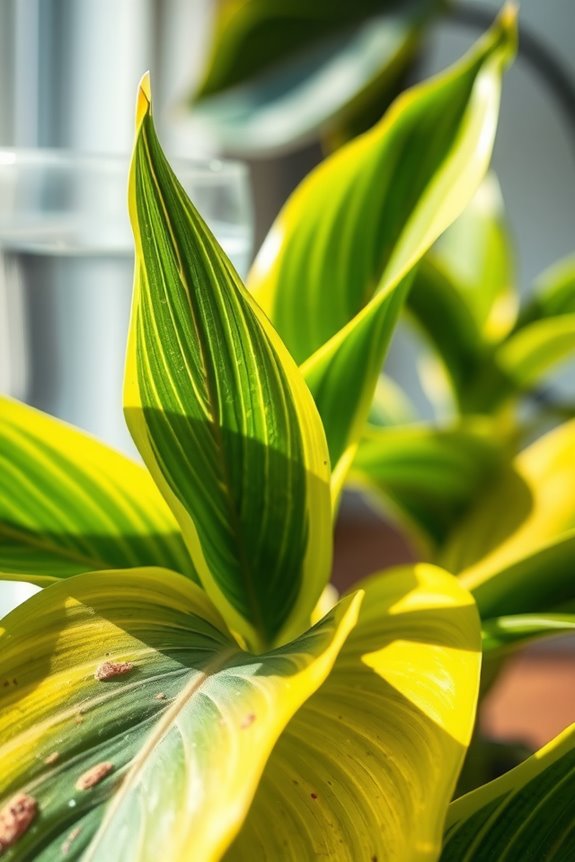
Your prayer plant needs two things to stay green: the right nutrients from fertilizer and clean water. Nitrogen is the nutrient that builds chlorophyll, the pigment that makes leaves green. Without enough nitrogen, leaves turn yellow starting from the bottom of the plant and moving upward.
Tap water contains fluorides and chlorides that sit in your soil over weeks and months. These chemicals build up like sediment at the bottom of a cup and make it harder for roots to absorb the nutrients they need. This happens faster when you water too often, because excess moisture pushes oxygen out of the soil. Roots need oxygen to do their job properly.
Low indirect light adds another layer to the problem. Without enough light, your plant can’t make food through photosynthesis, so it relies even more heavily on those nutrients it’s struggling to get from the soil.
To fix yellowing leaves, start by switching to filtered water or letting tap water sit uncovered for 24 hours so chlorine evaporates. During spring and summer growing seasons, apply a balanced fertilizer like a 10-10-10 formula every two weeks. Cut back to once a month in fall and skip fertilizing entirely during winter dormancy. Place your prayer plant where it gets bright, indirect light for at least 4 to 6 hours daily—near an east-facing window works well. Water only when the top inch of soil feels dry to the touch. This combination of clean water, regular feeding, and proper light restores healthy foliage and stops the yellowing cycle.
Poor Drainage and Root Rot: When Yellowing Signals Serious Root Problems
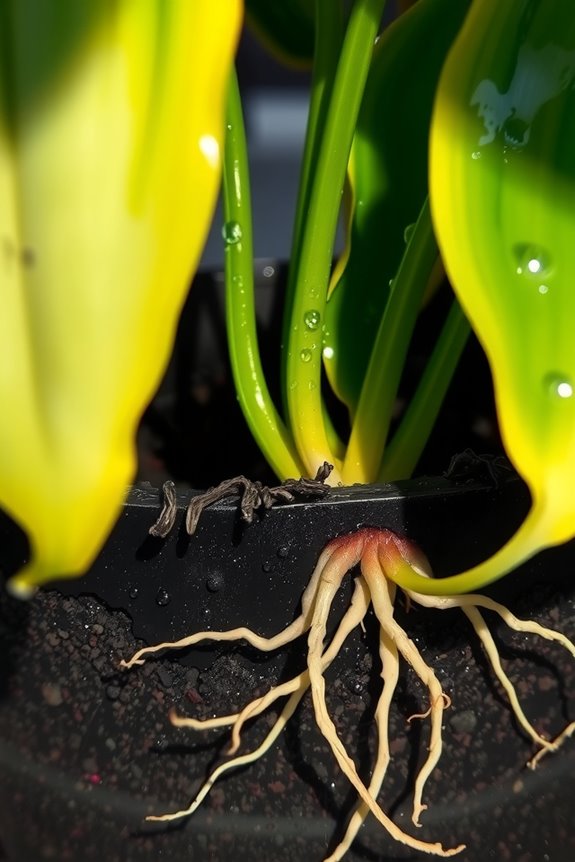
Sometimes yellowing leaves point to a problem that’s hiding underground—root rot from poor drainage. When you overwater your prayer plant, the soil stays soggy. Without drainage holes in your pot, excess water has nowhere to go, and your roots sit in moisture without the oxygen they need to survive.
When roots rot, they can’t absorb nutrients properly. This is why your leaves turn yellow and droop. If you dig into the soil carefully, you might find mushy roots that smell sour or foul.
What to do right now:
Repot your plant in fresh, well-draining soil as soon as possible. Choose a pot with at least one drainage hole in the bottom—a 6-inch pot works well for most prayer plants. Gently remove your plant from the old pot and rinse the soil away from the roots with lukewarm water. Using clean scissors or pruning shears, trim away any roots that feel soft or look dark and mushy. Keep the firm, white or light-colored roots.
Place your plant in the fresh soil and water lightly. Wait about 5 to 7 days before watering again, then check if the top inch of soil is dry. This allows oxygen to flow back to the roots and gives them a chance to recover.
To prevent this problem in the future, let the top inch of soil dry out between waterings. A prayer plant typically needs water once every 7 to 10 days, depending on your home’s humidity and temperature.
Bright Indirect Light: Why Direct Sun Causes Prayer Plant Yellowing
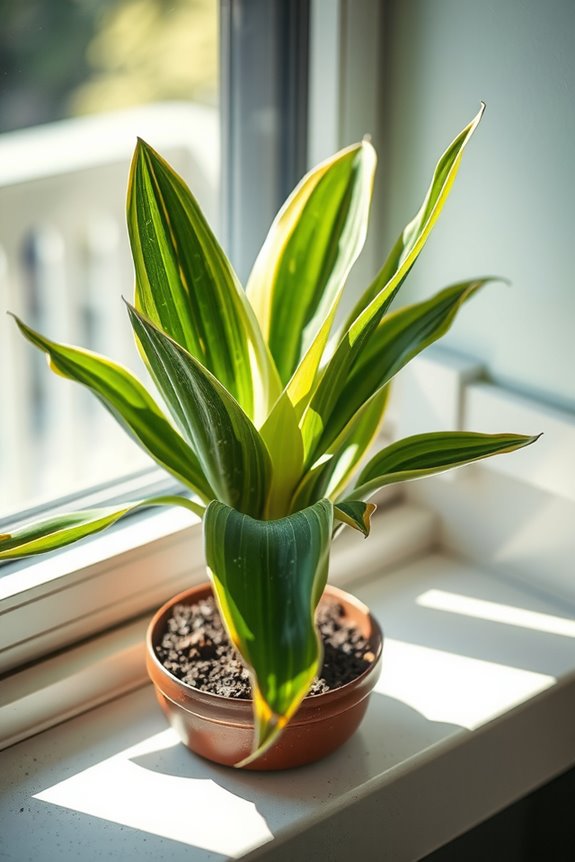
Your prayer plant’s leaves turn yellow or develop pale, scorched patches when exposed to direct sunlight. This happens most often with Calathea and Maranta varieties, which evolved in forest understories where bright, filtered light is the norm.
The fix is straightforward: move your plant away from sunny windowsills. Instead, place it near a frosted glass window or position it 3 to 6 feet back from a bright window where it receives filtered light throughout the day. This distance allows light to soften before reaching the leaves, preventing the damage that direct sun causes.
If your home lacks naturally bright indirect spots, you can supplement with a grow light placed 12 to 18 inches above the plant and set on a timer for 12 hours daily. The goal is consistent, gentle brightness rather than intense direct rays. Once you find the right location, your prayer plant will maintain its healthy appearance without the leaf damage that comes from too much direct sun exposure.
Direct Sun Damage Effects
Your prayer plant’s leaves turn yellow when you move it to a sunny windowsill because direct sun burns those delicate leaves. The intense, focused light overwhelms the plant faster than you might expect. Within a few days, you’ll see yellowing, brown spots, and crispy edges appearing on the foliage.
| Damage Type | What Happens | Timeline |
|---|---|---|
| Leaf Scorching | Brown spots and edge burn | 3-7 days |
| Chlorosis | Overall yellowing of leaves | 1-2 weeks |
| Leaf Drop | Premature shedding | 2-4 weeks |
The damage happens because Maranta and Calathea varieties have thin leaves that don’t handle strong sun well. When UV light hits these leaves, it breaks down the pigments that help the plant make food through photosynthesis. Even a quick shift from low light to bright indirect light stresses the plant and can start the damage process.
Here’s what works: use filtered light or position your plant behind a sheer curtain instead. This method gives your plant the bright indirect light it needs without the harsh direct rays. Keep the light level consistent day to day, and your plant will stay healthy without the yellowing and browning that direct sun causes.
Optimal Light Placement Strategies
Once you’ve identified that direct sun is damaging your prayer plant, the next step is finding the right location. Position your plant near a frosted door or under a skylight where it gets consistent bright indirect light. This softer illumination supports steady growth without causing yellowing or leaf scorch.
Place your prayer plant three to six feet from a window that faces north or east. These directions provide the bright indirect light your plant needs while protecting its delicate leaves from harsh afternoon rays. North and east-facing windows naturally filter intense sunlight, making them ideal spots for prayer plants.
If your plant develops yellow leaves despite having adequate light, insufficient light is likely the problem. When plants don’t get enough light, photosynthesis slows down. Your plant then conserves energy, and leaf color becomes pale or faded. The right location prevents both sun damage and low light stress, keeping your prayer plant healthy.
Hidden Pests and Diseases: Why Your Prayer Plant’s Leaves Turn Yellow
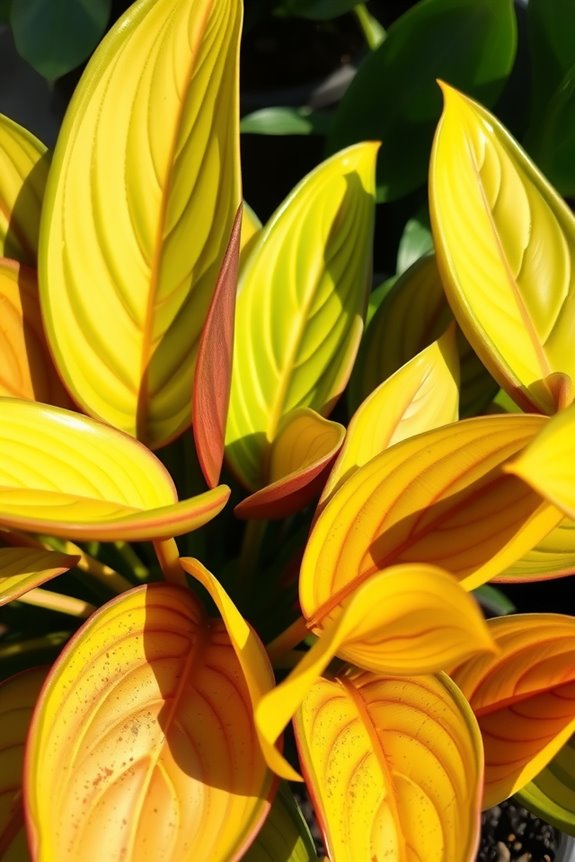
Sometimes the problem hiding on your prayer plant isn’t visible at first glance. Spider mites, mealybugs, scale insects, and thrips feed on your plant’s sap, which weakens it and stops it from making food through photosynthesis. These pests typically hide on the undersides of leaves and near new growth where you might not think to look.
| Pest | Location | What to Look For |
|---|---|---|
| Spider mites | Leaf undersides | Fine webbing between leaves |
| Mealybugs | Leaf joints and stems | White cottony clusters |
| Scale | Stems and leaf veins | Brown bumpy coating |
| Thrips | New growth tips | Stippling or tiny holes in leaves |
| Whiteflies | Lower leaf surfaces | Sticky honeydew residue |
Check both sides of your leaves once a week. Look carefully at the spots where leaves connect to stems—pests love hiding there. When you spot an infestation, spray your plant with insecticidal soap or neem oil according to the product’s directions, then move it away from your other plants for two to three weeks while you monitor it.
After treatment, keep watching for one to two weeks. If yellow leaves keep appearing even after you’ve dealt with the pests, something else is likely happening. Root rot from too much water or missing nutrients could be the real problem, so adjust your watering schedule or consider adding a balanced fertilizer at half strength.
Repotting and Fresh Soil: Resetting the Growing Environment
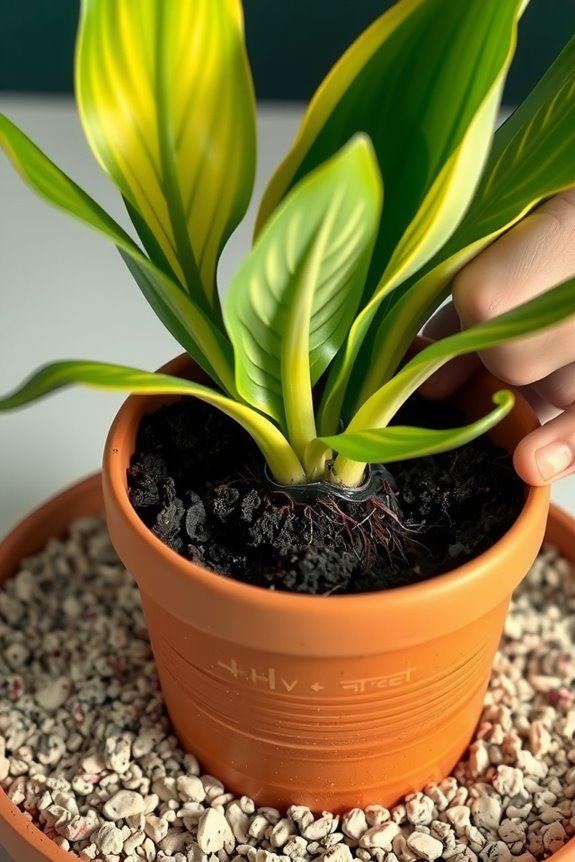
When yellowing leaves stick around even after you’ve treated pests and fixed your watering routine, repotting offers a way to start fresh. A new pot with fresh soil can solve hidden drainage problems that might be causing root issues.
The best time to repot is during spring or early summer, when your prayer plant is actively growing and can bounce back quickly from the disturbance. Choose a well-draining soil mix made from equal parts orchid bark, peat moss, and perlite—about one-third of each if you’re mixing it yourself.
Before settling your plant into its new container, take time to examine the roots closely. Look for soft, mushy sections or blackened areas, which signal rot. Use clean scissors to trim away these damaged parts, cutting right at the base where they connect to healthy root tissue. Removing rotted roots prevents the problem from spreading.
Once you’ve cleaned up the roots, place your plant in its new pot with the fresh soil mixture. Water it lightly—just enough to settle the soil around the roots. Let it rest for a few days before returning to your regular watering schedule, as the fresh soil holds moisture differently than the old soil did, and overwatering during this adjustment period can create new problems.
When To Repot Prayer Plants
Yellowing leaves often signal that something’s wrong with your prayer plant’s roots. Repotting can help fix this problem by giving your plant a fresh start with new soil and more space to grow.
Timing matters when you repot. Spring or early summer works best because your plant is naturally growing faster during these months. After the stress of being moved to a new pot, it can recover quickly and adjust to its new home.
You don’t need to repot often. Every 12 to 18 months is typical, or whenever roots start circling the bottom of the pot and pressing against the sides. When you do repot, pick a container that’s only 1 to 2 inches larger in diameter than the current one. A pot that’s too big holds excess water around the roots, which can cause rot.
Fill your new pot with fresh, well-draining soil. Mix regular potting soil with organic matter and either perlite or sand to help water drain through quickly. After placing your prayer plant in the new pot and filling it with soil, water lightly just enough to settle everything in place. Then wait until the top inch of soil feels dry before watering again on your regular schedule.
Soil Selection And Drainage
The right soil mix is your prayer plant’s foundation for recovery from yellowing. You need a blend that drains quickly but still holds some moisture. Mix high-quality potting soil with perlite or pine bark in roughly equal parts. Heavy, compact soils trap water around roots, which causes the stress and yellowing you’re trying to prevent.
When you repot, choose a container with drainage holes that’s only one size larger than your plant’s root ball. This matters because extra soil around the roots stays wet longer. After repotting, water lightly until the top inch of soil feels moist. Then let the soil dry slightly between waterings—this means waiting until the surface feels dry to touch before watering again.
This balanced approach to drainage resets your plant’s growing environment. It gives your prayer plant the conditions it needs to recover and perform well alongside your other houseplants.
Feed Your Prayer Plant: How Fertilizer Stops Nutrient Deficiency Yellowing
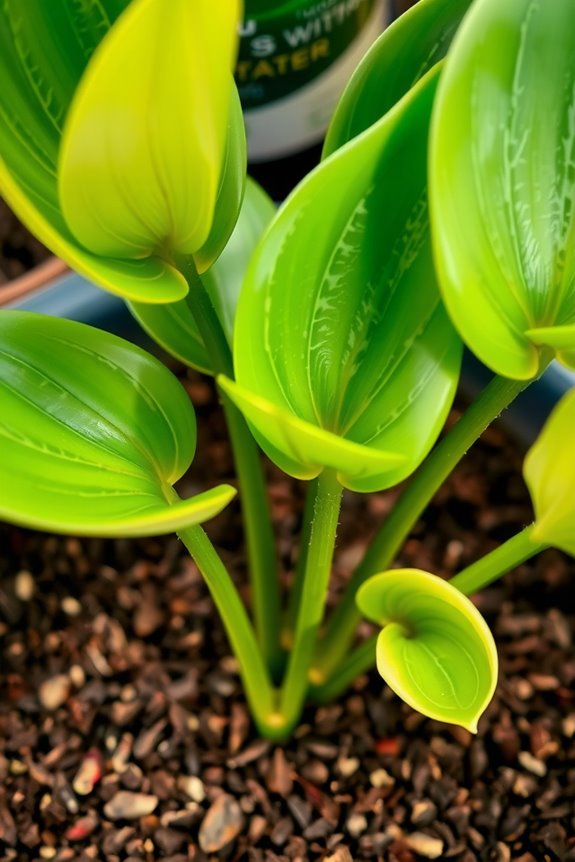
Nutrient deficiencies, especially a lack of nitrogen, are common reasons why prayer plant leaves turn yellow. When your plant isn’t getting enough of the right nutrients, it shows up in the leaf color first. You’ll want to feed your plant with a balanced fertilizer or one with higher nitrogen ratios like 3-1-2 to support leafy growth and reduce that yellowing.
| Fertilizer Type | Nitrogen Ratio | Best For |
|---|---|---|
| Balanced | Equal NPK | Overall health |
| High-nitrogen | 3-1-2 | Leafy growth |
| Low-nitrogen | 1-3-1 | Flowering |
Choosing the Right Fertilizer
A balanced fertilizer works well for general plant care. If your prayer plant specifically needs help with leaf growth, look for a high-nitrogen option with a ratio of 3-1-2. You can find these at most garden stores or online retailers. Apply fertilizer every two to four weeks during the growing season (spring and summer), following the label instructions for your plant’s size.
Supporting Nutrient Absorption
Fertilizer alone won’t fix yellowing leaves. Your plant also needs proper light, humidity levels around 50 percent, and consistent watering to actually absorb the nutrients you’re providing. These conditions work together. When all three are present, your plant can use the fertilizer you’re giving it. Check new growth in three to four weeks for signs of improvement, like greener leaves and stronger stems.
What to Do if Yellowing Continues
If the yellow leaves don’t stop appearing, look at your watering habits. Overwatering is a frequent problem that prevents roots from absorbing nutrients properly, even when fertilizer is present. Let the top inch of soil dry out between waterings. If moisture levels are right and you’re still seeing yellowing after a month of feeding, your plant may have a different issue worth investigating further.
Cutting Yellow Leaves and Realistic Recovery Timelines
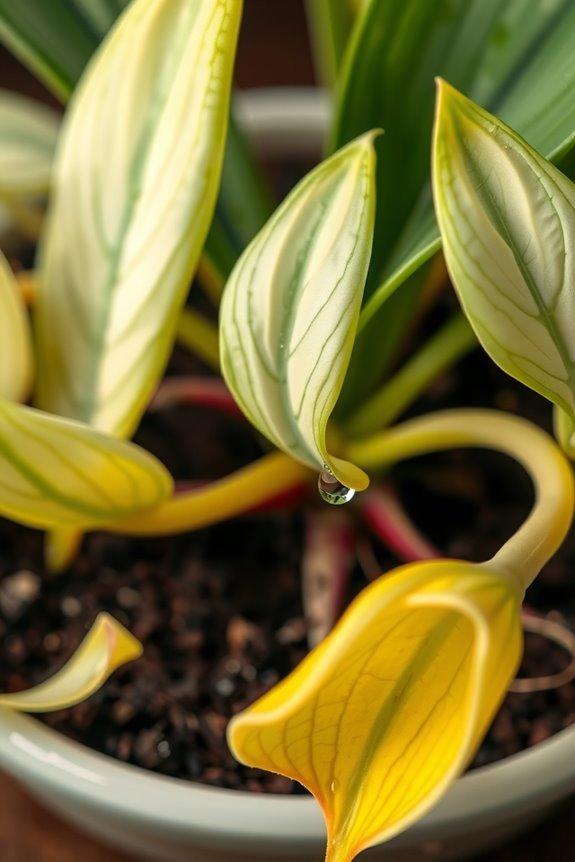
Once a yellow leaf appears on your prayer plant, it won’t turn green again. That’s just how these plants work, so trimming it away gives your plant a cleaner appearance and lets it put energy toward producing new leaves instead.
When you cut, remove only a few leaves at a time. Cutting too many leaves at once stresses your plant when it’s already dealing with whatever caused the yellowing in the first place. Use clean scissors or pruning shears to make neat cuts right where the leaf meets the stem.
After trimming, focus on three things that matter most for recovery. Water when the top inch of soil feels dry to your finger—usually every 5 to 7 days depending on your home. Keep the temperature steady between 65 and 80°F, since prayer plants dislike cold drafts and sudden temperature shifts. Humidity should stay moderate to high; misting the leaves a few times a week or placing the pot on a pebble tray filled with water helps.
You’ll start noticing new healthy leaves emerge within several weeks to a few months. The exact timing depends on how much light your plant gets and the overall conditions in your home. During this recovery period, hold off on fertilizing. Adding nutrients while the plant is stressed can do more harm than good.
When To Remove Yellowed
When To Remove Yellowed Leaves
Go ahead and remove those yellow leaves. Once they turn yellow, they won’t become green again, so taking them off improves how your plant looks and feels overall.
Use clean scissors to cut each yellowed leaf at the base where it connects to the stem. This prevents disease from spreading into your plant. When you remove the damaged leaves, your plant stops wasting energy trying to fix them and instead sends that energy toward new growth.
Clearing away yellow leaves does something else useful too. It opens up the area around your remaining healthy leaves, letting more light through and improving air movement. Better air circulation helps slow down additional yellowing on the leaves still attached.
After you prune, the real work starts. Your plant needs several weeks to a few months to recover as new leaves develop. During this time, keep an eye on your care routine. Yellow leaves usually signal something isn’t quite right—whether it’s how much water your plant gets, the light in its location, or the humidity level around it. Adjusting these conditions addresses the root cause instead of just treating the symptom.
Realistic Leaf Recovery Expectations
After you’ve trimmed away those yellow leaves, you’re probably wondering how long it’ll take before your prayer plant looks healthy again. Recovery timelines depend on your plant’s vigor, but you’ll typically see new healthy green growth within a few weeks to a couple of months after correcting care issues.
What to expect during recovery:
Weeks 1-4: Initial response. New shoots emerge within 2-4 weeks of proper care adjustments. This is when you’ll notice the first signs that your plant is responding to better watering schedules, improved light conditions, or whatever care issue you fixed.
Weeks 2-8: Gradual improvement. The older yellow leaves will continue to look yellow or brown even after you’ve made improvements, since those leaves have already reached the end of their natural lifespan. They won’t green up again, but that’s normal. Meanwhile, the fresh foliage developing from new shoots will be healthy and green.
Weeks 6-8: Full aesthetic recovery. By the 6 to 8-week mark, you should see enough new growth that your prayer plant looks noticeably healthier overall. At this point, you can remove any remaining dead leaves since the plant has enough new foliage to maintain itself.
Promoting New Healthy Growth
Getting Your Prayer Plant Back on Track
Start by removing the yellow leaves. Cut them off at the base to redirect the plant’s energy toward producing new growth instead of trying to save damaged foliage. This immediate action stops the plant from wasting resources.
Next, adjust how often you water. Let the top inch of soil dry out between waterings. This prevents root rot and other water-related damage that weakens the plant during recovery.
| Care Element | Action | Timeline |
|---|---|---|
| Remove Yellow Leaves | Cut damaged foliage | Immediate |
| Adjust Watering | Allow soil to dry 1 inch | Ongoing |
| Increase Light | Bright, indirect exposure | Daily |
| Boost Humidity | Mist or use pebble tray | Weekly |
| Monitor Progress | Watch for new leaves | 2–8 weeks |
Light and Humidity Work Together
Bright, indirect light combined with increased humidity reduces stress on your plant. If your prayer plant sits in a dark corner, move it to a spot near a window where it gets filtered light throughout the day. You can boost humidity by misting the leaves with water twice a week or by setting the pot on a pebble tray filled with water. The water evaporates around the plant, creating the humid environment it prefers.
What to Watch For During Recovery
Over the next two to eight weeks, new leaves will begin appearing. Check regularly for signs of nitrogen deficiency, which shows up as pale or yellowing new growth. If you notice this, feed your plant with a balanced houseplant fertilizer diluted to half strength. Also watch for spider mites or mealybugs, which can hide under leaves and weaken a plant that’s already struggling. Wipe the leaves with a damp cloth weekly to catch pests early. Recovery takes patience and regular care, but consistent attention to watering, light, and humidity will bring your prayer plant back.