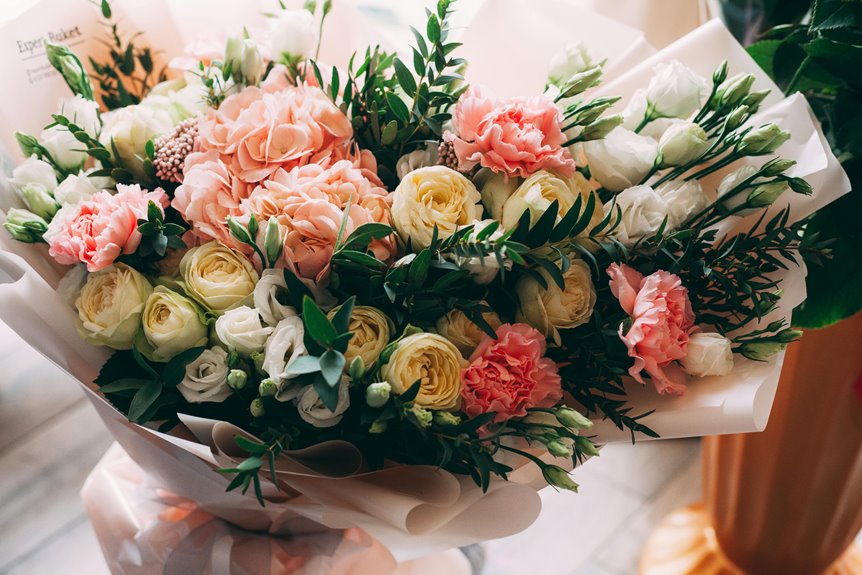
You can keep flowers fresh for one to three weeks by addressing three main problems: blocked water uptake, bacterial growth, and temperature stress.
Start with the stems. Cut them at a 45-degree angle under running water. This simple step opens up more surface area for water absorption. Remove any leaves that would sit below the waterline in your vase, since submerged leaves rot and feed bacteria. Change the water completely every two to three days. Fresh water stops bacteria from building up and keeps the stems from getting clogged.
Temperature matters more than many people realize. Keep your arrangement in a cool room between 65 and 72 degrees Fahrenheit, away from direct sunlight and ripening fruit. Warm spots and sunlight speed up wilting. Ripening fruit releases ethylene gas, which ages flowers faster.
Different flowers have different lifespans. Roses typically last seven to fourteen days under good conditions. Carnations are sturdier and often stay fresh for two to three weeks. Knowing what you’re working with helps you plan when to refresh individual stems or swap out fading flowers entirely.
5 Essential Steps to Keep Flowers Fresh Longer
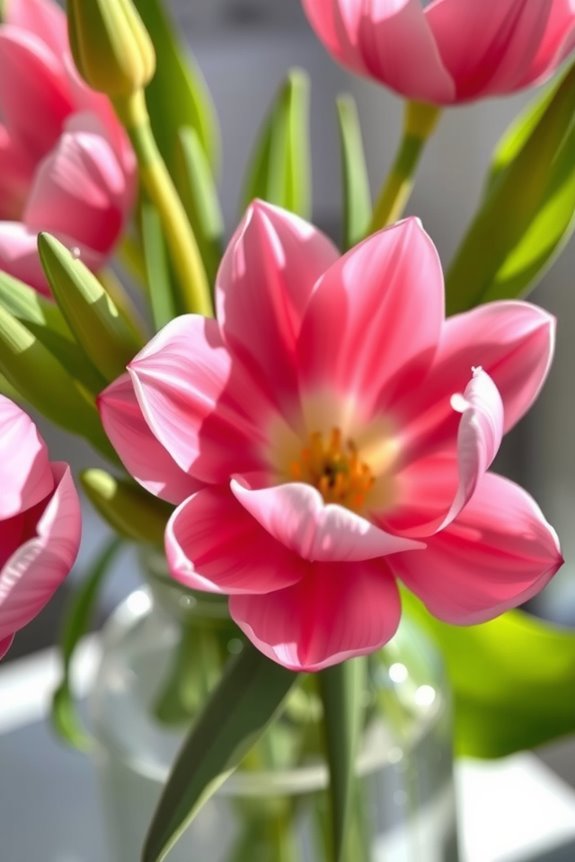
Ever wonder why some flower arrangements wilt in days while others stay vibrant for weeks? The difference comes down to a few straightforward practices that you can start using right now.
Trim Your Stems at an Angle
Cut 1–2 inches off the bottom of each stem at a 45-degree angle rather than straight across. This slanted cut increases the surface area where water can be absorbed. Use sharp, clean scissors or pruning shears to avoid crushing the stem, which blocks water uptake.
Use Clean Water and Flower Food
Fill your vase with room-temperature water and add the flower food packet that came with your arrangement. The food contains nutrients that flowers need, along with a substance that slows bacterial growth. A clean vase matters because bacteria in dirty containers shortens how long your flowers last.
Change the Water Every 2–3 Days
Bacteria build up in the water and clog the stems, stopping water from reaching the petals. When you change the water, rinse the vase and re-trim the stems by about half an inch each time. This simple routine makes a real difference in how long your arrangement lasts.
Remove Lower Leaves
Strip away any leaves that sit below the waterline. These leaves decay when submerged and create an environment where bacteria multiply. Removing them keeps the water cleaner and your flowers fresher.
Choose the Right Location
Place your arrangement in a cool room away from direct sunlight, heating vents, cold drafts, and ripening fruit like bananas or apples. Ripening fruit releases ethylene gas, which speeds up wilting. A cool spot slows the aging process naturally.
Why Fresh Water, Cool Temps, and Good Light Matter
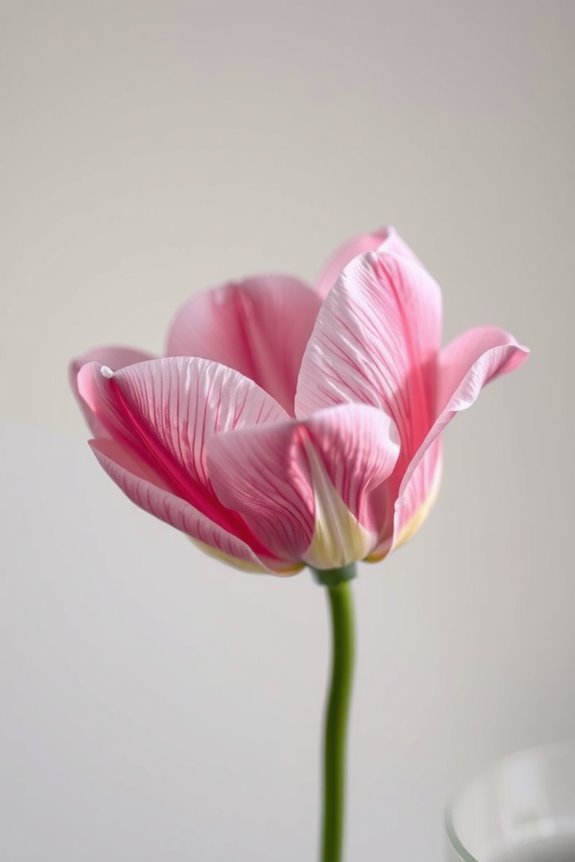
What happens inside your vase matters as much as what you see. Bacteria multiply in water where you can’t see them, and this buildup shortens how long your flowers last. Three things work together to keep your arrangements fresh longer: clean water, cool conditions, and the right light.
Invisible bacteria in your vase multiply rapidly, shortening flower life. Clean water, cool temperatures, and proper light work together to keep arrangements fresh longer.
Keep Water Clean and Fresh
Change the water every 2–3 days in a clean vase. This removes bacteria that build up and damage flower stems. When bacteria colonies get large enough, they block the tiny tubes in stems that carry water up to the petals. Once that happens, your flowers wilt quickly, even if water sits right there in the vase. Using a vase you’ve washed with soap and warm water makes a real difference.
Temperature Control Slows Aging
Cool temperatures keep flowers firm and healthy-looking. Heat speeds up the aging process in plant cells, so position your arrangement away from radiators, heating vents, and sunny windowsills. Room temperature between 65–72°F works well. Flowers stored in cooler spots can last several days longer than those near warm areas.
Light Placement Prevents Stress
Position arrangements in indirect light rather than direct sun. Direct sunlight stresses petals and fades their color faster. A spot near a window that gets bright light but no direct rays is ideal. Keep flowers away from fruit bowls and ripening produce as well, since fruit releases ethylene gas that causes flowers to age more rapidly.
How Long Do Different Flowers Actually Last?
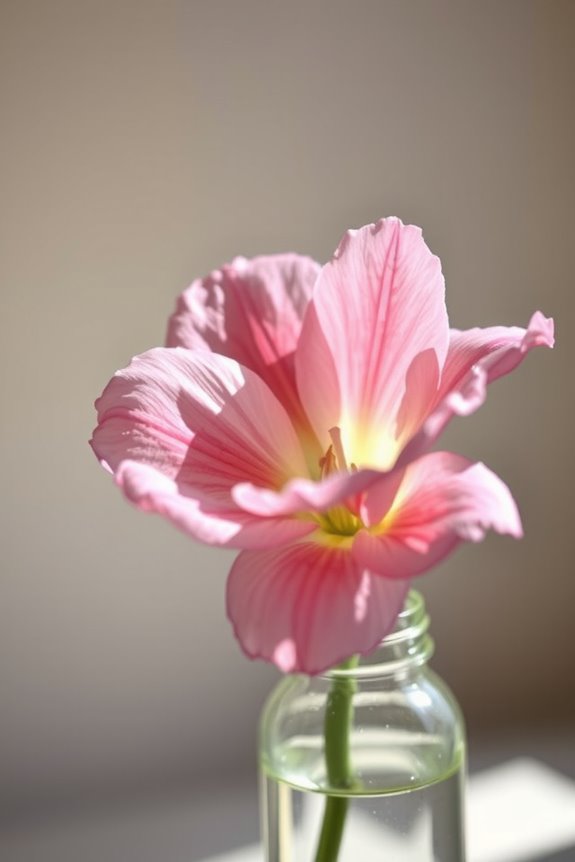
How Long Do Different Flowers Actually Last?
The lifespan of your bouquet depends on which flowers you choose. Roses typically last 7–14 days with proper care, while tulips fade faster at just 5–7 days. Lilies stay fresh 10–14 days in a cool environment if you want flowers that last longer. Carnations are reliable options, staying fresh for 2–3 weeks with minimal effort. Orchids top the list, remaining vibrant for up to 3 weeks or longer.
Keep Your Flowers Fresh Longer
Water your bouquet regularly and maintain a cool environment. Change your vase water every two days, trim stems at an angle, and add flower food. These basic care steps extend your blooms’ lifespan considerably, letting you enjoy your arrangement for the full duration it’s meant to last.
The 5 Care Mistakes That Kill Bouquets Early
You’re probably making mistakes with how you prepare and place your flowers that cut their lifespan short without realizing it. Most people don’t trim stems correctly or position arrangements in the right spot, which means their bouquets wilt days earlier than they should.
Learning to avoid these two common errors—neglecting proper stem care and choosing the wrong environment—can add several days to how long your flowers actually last. When you trim stems at the right angle and keep your bouquet in the right location, you’re giving your flowers the best chance to absorb water and stay fresh longer.
The difference between a bouquet that lasts five days and one that lasts ten days often comes down to these two basic practices. Neither requires special equipment or hours of your time. They’re simply habits that most people haven’t learned yet, but once you know them, they become automatic.
Neglecting Stem Care
Ever wonder why some bouquets wilt within days while others stay fresh for two weeks? Neglecting stem care is likely your culprit. Your stems need proper maintenance to absorb water effectively and extend vase life.
Here’s what you’re probably missing:
Cut your stems properly. Leave stems uncut, and you block water uptake and reduce longevity. When you trim 1–2 inches off at a slant angle, you’re creating more surface area for water absorption. A slanted cut gives flowers a better chance at drinking what they need.
Keep the water clean. Change your vase water every 2–3 days to prevent decay buildup. Old water breeds bacteria that kill your bouquet fast. Remove any leaves that touch the water while you’re at it—foliage below the waterline fosters bacterial growth that spreads quickly.
These maintenance steps are straightforward but make a real difference in how long your flowers actually last. A few minutes of care every few days keeps your bouquet looking fresh instead of drooping on your table.
Environmental Placement Errors
While proper stem care keeps your flowers drinking well, where you put that vase matters just as much. Your placement choices directly impact vase life and how quickly blooms fade.
Avoid placing flowers in direct sunlight or near heat sources like radiators and sunny windowsills. A cool room with consistent temperature works best. Keep your bouquet away from ripening fruit, which releases ethylene gas that accelerates wilting. Even a nearby fruit bowl speeds aging dramatically. Position your vase away from drafts and air conditioning vents that dry petals fast.
Change water every 2–3 days in your chosen spot. This combination of smart placement and regular water changes extends longevity significantly. Your flowers will last noticeably longer when you pair thoughtful positioning with consistent care.
Revive Wilting Blooms: Quick Fixes That Work
When your flowers start drooping, don’t toss them out just yet. Most wilting blooms can bounce back with a few simple adjustments. The good news is that reviving flowers requires minimal effort and takes just a few minutes of your time.
What to Do Right Away
Re-trim the stems at a 45-degree angle using sharp scissors or a knife. This exposes fresh tissue underneath and helps the flowers drink water more efficiently. Cut about half an inch from the bottom of each stem.
Next, prepare a clean vase with room-temperature water. Add flower food according to the package instructions—typically one packet per quart of water. This mixture nourishes the petals and keeps bacteria from growing in the vase. Remove any leaves that sit below the waterline, since submerged leaves create an environment where bacteria spreads quickly and clogs the stems.
Give Them Cool Conditions
Place your arrangement in a cool room overnight, away from direct sunlight and heat sources like radiators or sunny windowsills. Flowers last longer when kept between 65 and 72 degrees Fahrenheit. Most flowers respond within 4 to 8 hours with noticeably perked-up petals.
For maximum revival, refrigerate the arrangement for 2 to 3 hours if your fridge has space. This slows down the wilting process and gives drooping blooms extra time to absorb water. Just remove them before serving food to avoid any contamination concerns.
These adjustments work because they address the main reasons flowers wilt: blocked water uptake, bacterial growth, and warm temperatures that speed up the wilting process.
When to Replace or Refresh Your Bouquet
Your flowers will tell you when they’re ready to go. Look for petals that droop consistently or leaves turning brown, even after you’ve tried to revive them. When wilting happens and doesn’t improve with fresh water and stem trimming, that’s your signal to replace the arrangement.
Most blooms show significant damage at different rates. Rather than waiting until everything falls apart, remove individual faded stems while your fresher flowers continue looking good. This approach keeps your bouquet presentable longer without throwing everything away at once.
To extend the life of what you have, keep your vase clean and change the water every 2 to 3 days. Trim stems at 45-degree angles and add flower food with each water change. Place your arrangement in a cool spot away from direct sunlight, heat sources, and fruit, which produces gases that speed up wilting.
Different flowers last different amounts of time. Roses typically stay fresh for 7 to 14 days, carnations for 2 to 3 weeks, and orchids for up to 3 weeks. Knowing what you’re working with helps you decide whether to refresh a few stems or start completely fresh.