
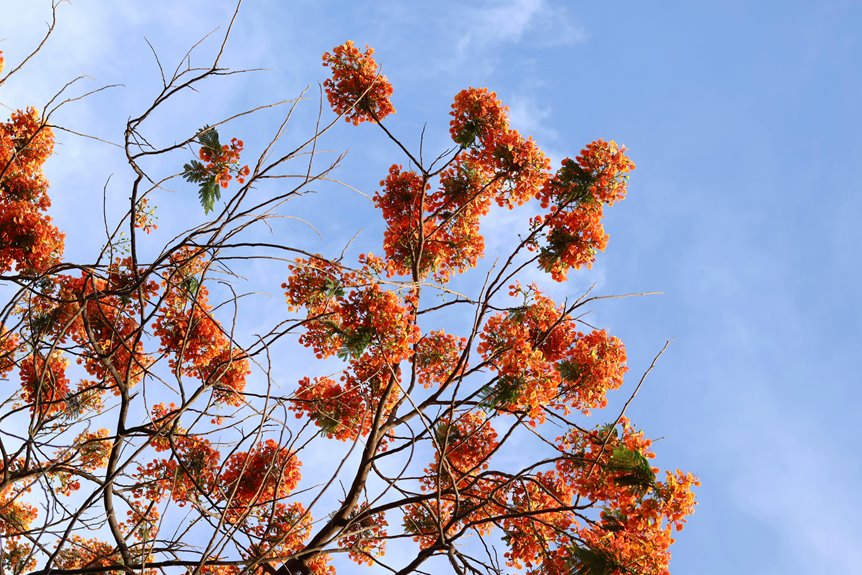
Orange trees flower in spring—typically March to April in California and February to March in Florida. The timing depends on temperature rather than the calendar date. When daytime temperatures reach the mid-60s Fahrenheit, the dormant buds on your tree will wake up and blossoms will open.
Your specific location matters more than you might think. Coastal areas often bloom later, around May to June, because ocean breezes keep temperatures cooler. Inland valleys heat up faster and flower earlier. Even within your own neighborhood, microclimates can shift bloom timing by several weeks. A tree on the sunny side of a building will flower before one in shade, and a tree protected from wind will warm faster than one in an open area.
To prepare for flowering, monitor your local temperatures starting in late winter. Once you notice consistent daytime warmth in the mid-60s, expect flowers within a few weeks. This observation helps you plan for the next stage—pollination and fruit development—and adjust watering or fertilizing schedules if needed. Knowing when your specific tree will flower puts you ahead in understanding what happens next in its growing cycle.
When Orange Trees Flower in California and Florida
Orange trees in California and Florida bloom at different times, and knowing when helps you plan your harvest. The timing matters because it tells you when fruit will be ready to pick.
Knowing when orange trees bloom in California and Florida helps you plan your harvest and predict when fruit will be ready to pick.
California’s orange blossoms appear between March and April. Southern California gets there first, sometimes as early as March. If you live in higher elevations, wait until April for your blooms to show up. The difference comes down to temperature. Warmer areas heat up faster in spring, so flowers arrive sooner.
Florida’s bloom period happens earlier in the year. Trees there typically flower from February through March. After winter’s cold stretch, warmer weather triggers the blossoms to open. This earlier timing is one of the main differences between the two states.
Your exact location within each state matters more than you might think. A warmer neighborhood can see blooms two to three weeks before a cooler area just a few miles away. This happens because of microclimates—small pockets of warmer or cooler air based on hills, water, or shade from buildings and trees.
Knowing your local bloom time helps you prepare. You’ll know when pollinating insects become active, when to watch for frost damage, and roughly when to expect mature fruit. Both states center their flowering around spring months, which is when most growers nationwide anticipate their busy season ahead.
Why Orange Trees Bloom in Spring
Orange trees need a cold winter rest before they can bloom in spring. Think of it like they’re pausing to build up energy for growth. When March arrives and temperatures climb, your trees wake up and start flowering. This warmth signals to the tree that conditions are right for the hard work of blooming and producing fruit.
The trigger is simple: rising temperatures in spring tell your orange tree it’s time to grow. Temperatures typically need to reach the mid-60s Fahrenheit for buds to start developing. Once that happens, your tree shifts into blooming mode, using stored energy from the winter rest to create flowers. Those flowers will eventually become the oranges you harvest later in the year.
Temperature Triggers Spring Bloom
Why do orange trees wait until spring to flower? Temperature acts as nature’s signal for bloom time. Rising temperatures in March tell dormant buds to wake up and start flowering. When soil and air warm after winter, your trees shift their energy toward producing flowers.
Different regions need different temperature levels to trigger blooming:
| Region | Temperature Trigger | Bloom Start | Peak Bloom |
|---|---|---|---|
| Southern California | 60–65°F | March | April |
| Inland California | 65–70°F | April | May |
| Coastal California | 55–60°F | May | June |
| High Elevation | 50–55°F | Late April | May |
| Warm Inland Valley | 70°F+ | Early March | April |
Your orange tree’s response follows its natural patterns. As temperatures climb and accumulate warmth, your tree recognizes spring has arrived. This temperature-driven timing is practical—flowers appear when frost danger drops and pollinators like bees become active again. A tree in coastal California might not bloom until May because ocean breezes keep temperatures cooler, while a tree in an inland valley could flower in early March when heat builds faster.
Understanding this connection helps you predict when your tree will bloom. Watch your local temperatures through late winter and early spring. When your region hits its trigger temperature range, flowers should appear within a few weeks.
Winter Dormancy Precedes Flowering
Temperature triggers the bloom, but what happens before that temperature rise truly matters. Your orange trees need winter dormancy—a quiet period where they rest and gather energy. During winter’s chill, trees enter a natural sleep state. When temperatures rise in spring, this dormancy breaks, signaling bloom timing to begin.
Think of it this way: without cold winter months, your trees won’t know when to flower. The contrast between dormancy and warmth activates flower development. In most regions, this transition happens between late winter and early spring, typically triggering blooms by March or April.
If you’re growing potted citrus indoors, replicate this cycle by keeping them cooler during winter months—ideally between 50 and 60 degrees Fahrenheit. Then gradually increase warmth as spring approaches. This mimics nature’s temperature cues and encourages spring flowering on schedule. The shift from cool to warm is what your trees recognize as a signal to bloom.
Seasonal Warmth Signals Growth
Those warming days send a clear message to your orange tree. It’s time to wake up and prepare for flowering. As March temperatures climb above 50°F, your tree recognizes the shift from winter dormancy and begins moving energy toward growth.
Seasonal warmth acts as nature’s signal for flowering. Combined with adequate soil moisture from winter rain or irrigation, spring temperatures create the conditions your tree needs to develop buds. By mid to late spring, you’ll notice orange blossoms emerging across your tree’s branches.
In California and Florida, this bloom typically spreads from March into April. Your specific region may shift timing earlier or later depending on local conditions. Temperature increases, not calendar dates, truly control when flowering begins. A tree in a warm microclimate—sheltered against a south-facing wall, for example—may flower weeks ahead of the same variety growing in an exposed location.
How Long Until Oranges Are Ready to Pick?
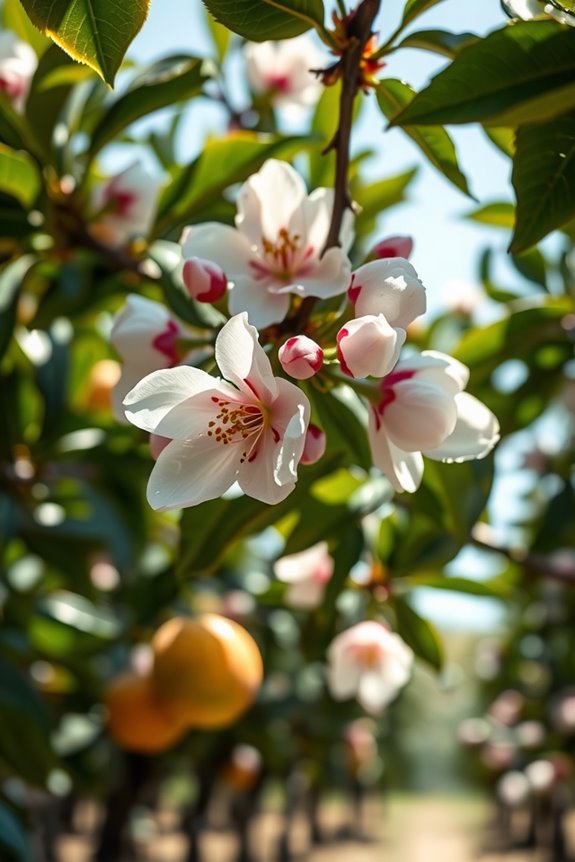
After your orange blossoms fade, you’re looking at six to twelve months before picking ripe fruit. The exact timing depends on your variety and where you live.
Valencia oranges take longer to mature. They ripen through summer and into fall, often ready by late autumn or early winter. Earlier varieties might be ready by winter following their spring bloom. Your local climate makes a real difference here. Warmer regions speed up the ripening process, while cooler areas slow it down. If you live somewhere with hot summers, your oranges will mature faster than they would in a cooler climate.
The key is knowing what variety you planted and understanding your region’s temperature patterns. Check your orange tree’s label or growing guide for the specific maturity timeline for your type.
Ripening Timeline After Bloom
After your orange blossom becomes a tiny fruit, waiting becomes the main part of growing oranges. The journey from bloom to harvest typically takes 6 to 12 months, depending on your variety and growing conditions. Fruit development requires steady warmth, consistent water, and regular nutrients to reach peak ripeness.
| Orange Type | Bloom Period | Harvest Window |
|---|---|---|
| Navel | March-April | November-June |
| Valencia | March-April | March-September |
| General | Mid-spring | 6-12 months after |
Your ripening timeline varies significantly based on fruit size and climate. Larger fruits need extra weeks maturing compared to smaller ones. Not every bloom produces fruit you’ll harvest—some fruit drops naturally during development as the tree focuses energy on the strongest specimens.
Watch your tree’s progress through the seasons. You’ll recognize when oranges shift from green to their mature color and yield slightly to gentle pressure. That softness signals they’re ready for picking. Check your tree weekly once you’re in the expected harvest window for your variety, and pick oranges when they reach their color but while the skin still has some firmness to it.
Variety-Specific Harvest Windows
Different orange varieties ripen on their own schedules. Knowing which type you’re growing helps you plan your harvest timing.
Washington Navel oranges follow a winter pattern. You can pick these from November through June, which means you’ll have fresh oranges during the coldest months. Valencia oranges do the opposite—they’re summer fruit, ready to harvest from March through September. Both types start blooming in spring, but their ripening timelines don’t match.
After the flowers appear on your tree, you’ll need to wait. For most orange varieties, that wait stretches seven months to over a year before the fruit is fully mature. The exact timing depends on which variety you’re growing and what your local climate is like. Warmer regions tend to speed up ripening, while cooler areas slow it down.
The key is matching your harvest window to when your oranges actually ripen in your area. Pick them too early and they’ll taste sour. Wait too long and they may drop from the tree or lose quality. Once you know whether you’re growing Navels or Valencias, you can mark your calendar for when to start checking your fruit for that deep color and slight softness that signals peak ripeness.
Climate’s Impact On Maturation
When you’re waiting for oranges to mature on your tree, you’re really waiting on your climate to do the work. Temperature changes directly control when your flower buds open and how quickly your fruit develops afterward. Rising March temperatures trigger blooms to open after winter dormancy, starting the countdown to harvest.
Your local climate determines everything. In Southern California, warm springs push blooms to open by March, while coastal regions might not see flowers until May. Once flowering happens, you’ll need 6 to 15 months before picking, depending on your variety and local conditions.
Water availability and seasonal temperature shifts affect both when blooms appear and when fruit ripens. If your trees experience irrigation stress or drought relief, these changes can delay or speed up flowering and ripening dates. Learning your region’s climate patterns—including average spring temperatures, rainfall timing, and seasonal shifts—helps you predict harvest windows more accurately. You’re not just watching nature happen. You’re learning to read the specific growing conditions in your area and using that knowledge to know when your fruit will be ready.
Protect Your Trees While They’re Blooming
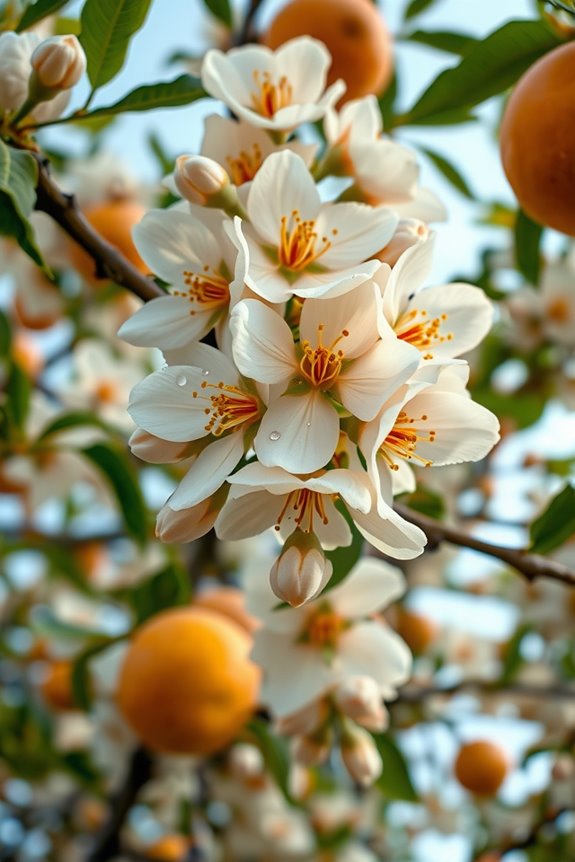
When orange tree blossoms appear in spring, frost can damage or kill the developing flowers before they become fruit. The blooms are delicate and can’t survive freezing temperatures, so protection during this season matters for your harvest later.
What to Do When Frost Threatens
Wrap insulation around tree trunks first to protect the core of the tree. Then drape lightweight covers over the entire tree when frost is predicted. These covers trap warmth without pressing down on branches or crushing the delicate growth.
Use covers made of burlap, old sheets, or commercial frost cloth that allow air circulation. Secure the material loosely around the base so cold air doesn’t seep underneath. The goal is to hold heat in, not to seal the tree completely.
When to Watch the Weather
After winter dormancy ends, your trees become vulnerable as warm spring temperatures arrive. Monitor weather forecasts from March through May, though your specific timing depends on where you live. In warmer regions, watch from February onward. In colder areas, you might not need protection past April.
When temperatures drop toward freezing, act quickly. Put covers on before sunset so they can trap ground heat throughout the night. Remove them the next morning once temperatures rise above 32 degrees Fahrenheit. This repeated protection through the blooming window directly affects whether you’ll have fruit to harvest in fall.
Hand-Pollinate Indoors if Needed
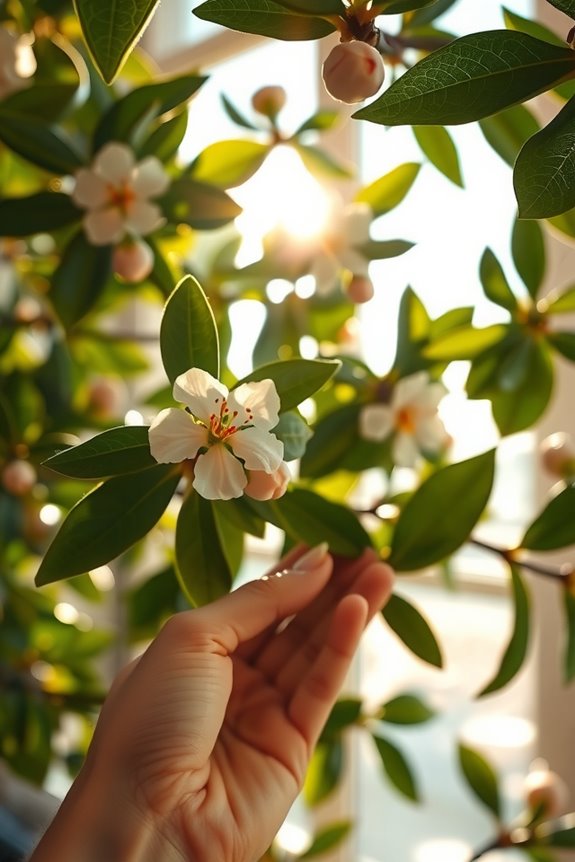
Indoor potted orange trees won’t have bees and other insects to pollinate their flowers like outdoor trees do. You’ll need to do this job yourself during the flowering season.
Indoor potted orange trees lack natural pollinators, so you’ll need to hand-pollinate their flowers during the blooming season.
Start each morning when the orange blossoms are open. Gently shake your tree to mimic the wind and insect movement that triggers pollination. This takes about five minutes daily.
You have two methods to transfer pollen between flowers. Use a small soft brush—a watercolor brush works well—to move pollen from one blossom to another. Alternatively, run your fingers lightly across the blossoms. The goal is to move pollen from the male parts of the flower to the female parts.
This hands-on approach works because it replaces what nature does outside. When you shake the tree or brush the flowers, you’re doing the same thing wind and insects do in outdoor gardens. Without this help, your indoor citrus won’t produce fruit even if it flowers.
Many home gardeners use this technique with good results. It’s straightforward once you understand what you’re doing, and it becomes a simple part of your daily plant care routine.
Fertilize at the Right Time for Best Fruit
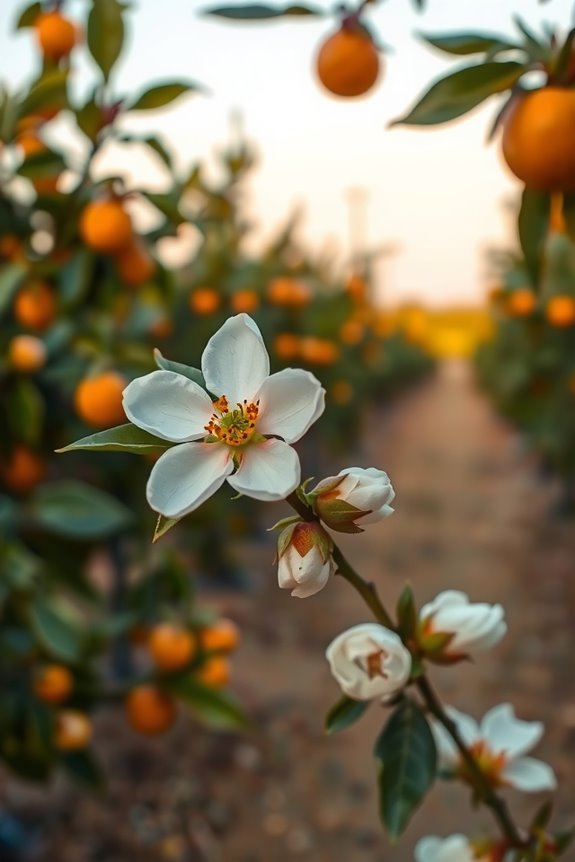
Timing your fertilizer applications makes the difference between sparse fruit production and a generous harvest. You’ll want to fertilize your orange trees right as they enter their spring flowering phase, when temperatures warm consistently above 50°F.
Apply a balanced, slow-release fertilizer in early spring, just before blooming begins. A ratio like 10-10-10 works well for this stage. This timing fuels flower development and supports the energy trees need during their blooming period.
Once flowering is underway, switch to a fertilizer higher in phosphorus and potassium, such as a 5-10-10 blend. These nutrients encourage fruit set after your blooms fade. Feed your trees every four to six weeks throughout spring and into early summer, typically from March through June depending on your location.
Skip heavy fertilizing during winter dormancy. Your trees aren’t actively growing then, so extra nutrients go unused and can wash away with winter rains. Wait until those first warm days signal growth is resuming, then you’re ready to nourish them properly.