Your favorite flower shows something real about who you are and how you interact with people and the world around you.
Roses point to someone who values romance and has clear goals they want to reach. People drawn to roses tend to know what they want and work steadily toward it.
Sunflowers belong to natural leaders with a positive outlook. If you love sunflowers, you probably see the bright side of situations and feel comfortable guiding others.
Lilies match people with thoughtful minds and quiet strength. You think deeply about things and don’t need attention to feel confident about yourself.
Hydrangeas fit people who understand emotions well—their own and other people’s. You also have high standards for how things should be done, which means you care about quality.
Daisies represent independence and a carefree approach to life. You make your own choices and don’t feel pressured to follow what everyone else does.
Poppies signal bold, creative thinking. You’re willing to try new ideas and express yourself in ways that feel true to you, even if they’re different.
Zinnias combine nostalgia with an edge. You value memories and tradition while also bringing something fresh and unconventional to how you live.
Lavender shows someone focused on doing things right while also thinking about bigger spiritual or meaningful questions. You want your surroundings and life to reflect your values.
Each flower preference gives you a clearer picture of your strengths and what matters most to you.
Roses – Romantic Confidence and Goal-Driven Vision
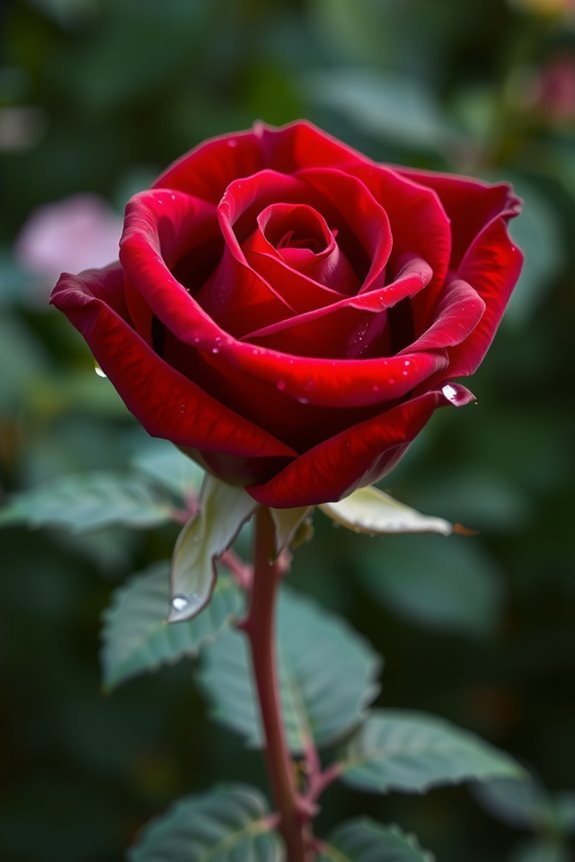
Why do so many people choose roses as their favorite flower? You’re drawn to them because they represent love, elegance, and confidence—qualities you likely possess yourself. Roses signal a heart-driven aesthetic that’s classic and timeless, never going out of style.
If roses resonate with you, you’re bright, original, and self-sufficient. You stand up for what you believe in without being aggressive about it. You’ve got courage coursing through you. What makes you special is your dual capacity: you love deeply and love yourself equally. You’re not afraid to pursue your goals with romantic vision guiding your path.
Your choice of rose color tells us something specific about how you balance your feelings. Red roses symbolize passion, while pink ones represent grace. Either way, you’re someone who mixes confidence with genuine compassion for others.
Sunflowers – Optimism and Natural Leadership
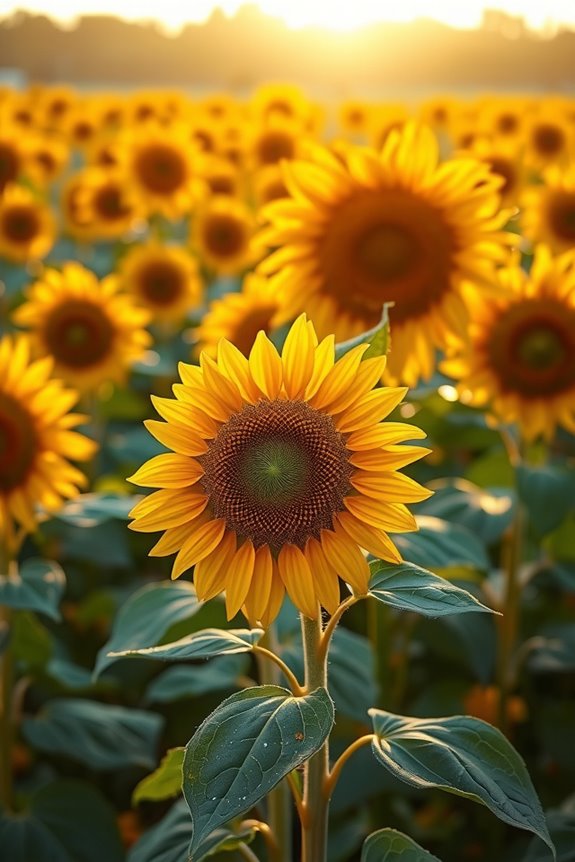
If roses speak to your romantic heart, sunflowers reveal something about how you work with others. You’re the person everyone wants on their team because you bring steady confidence to whatever you’re doing. Your optimism isn’t just positive thinking—it’s the kind that keeps moving forward when things get difficult and helps the people around you do the same.
| Your Strength | How You Show It | Where You Shine |
|---|---|---|
| Resilience | Bounce back from setbacks quickly | Work and personal goals |
| Leadership | Guide others naturally | Group projects and teams |
| Adaptability | Adjust to new situations | Social and collaborative spaces |
| Motivation | Spread positive energy consistently | Daily interactions and challenges |
People who love sunflowers tend to succeed in different areas of life. You’re genuinely motivated from the inside, which makes a real difference. You speak up about what you believe without needing permission. Others feel comfortable around you because your enthusiasm is honest and straightforward. When you work with a group, you help turn what people are imagining into something real and concrete.
This kind of presence matters. In a school group project, you’re the one who keeps everyone focused. At work, you’re the person others look to when the path forward isn’t clear. Your natural way of leading comes from actually caring about the results, not from trying to be in charge.
Lilies – Intellectual Depth and Quiet Strength
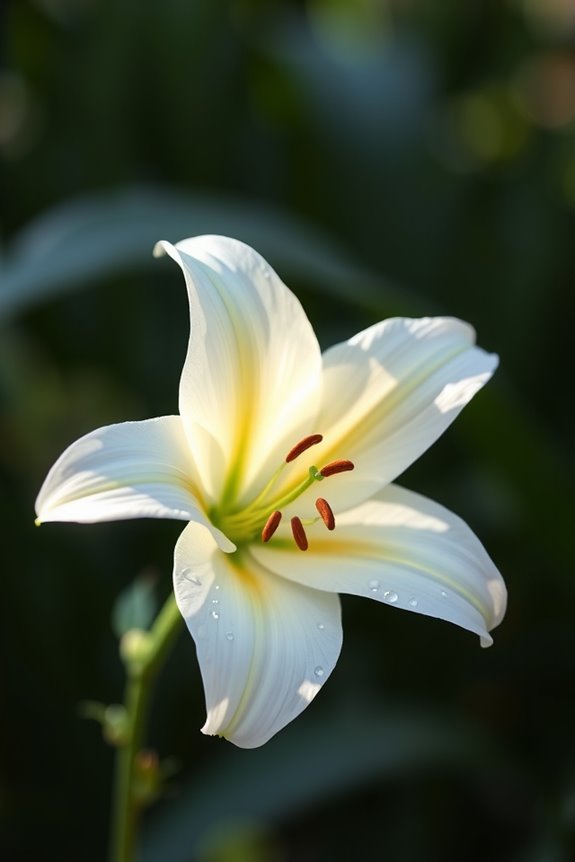
If you’re drawn to lilies, your personality likely combines graceful charm with genuine intellectual curiosity. You prefer meaningful conversations over small talk. You project quiet confidence without needing to dominate a room, and you naturally pick up on what others are feeling and thinking.
Your inner world is sophisticated and rich. You have creative interests and a deep appreciation for beauty in all its forms.
People with this personality type tend to think carefully before speaking. They listen more than they talk. Over time, this approach builds trust with others because people feel genuinely heard.
Your strength lies in depth rather than breadth. While others might try ten different projects, you focus on two or three and develop real skill. This takes time—usually months or years—but the results are solid and lasting.
You also notice details that others miss. A small change in someone’s tone or expression tells you something real about how they’re feeling. In a group conversation, you might stay quiet while you observe, then offer a comment that shows you’ve been paying close attention. This quality makes you a good friend and a thoughtful person to have around.
Your appreciation for beauty isn’t just about looking at pretty things. You understand why certain colors or shapes work together. You might spend time arranging objects in your home or choosing what to wear because these small decisions matter to you. This isn’t vanity—it’s about living in a way that feels right and honest to who you are.
Graceful Mystery and Charm
When you’re drawn to lilies, you probably value depth over surface appearances. Your quiet confidence appeals to others without you needing to demand their attention. You blend charm with sophistication naturally, creating a presence that draws people toward you.
What matters most to you:
- Conversations that go beyond weather and small talk, exploring real ideas
- Creating beauty through art, writing, design, or thoughtful choices
- Understanding how others feel and responding with genuine care
- Staying calm when situations get complicated or emotionally charged
- Finding the right balance between time alone and time with people who matter
You don’t show everything at once. Instead, you reveal yourself gradually, the way lily petals open over several days. This slower approach builds trust. People notice your ability to read emotions and your real interest in their experiences. Your quiet confidence draws them in, making them curious about who you really are. You’re not performing or trying to impress. You simply are who you are.
Sophisticated Inner World
Your mind works in layers, much like a lily’s petals unfurling one by one. That’s where your real strength lives. You don’t rush to conclusions. Instead, you observe, analyze, and understand the deeper meanings behind what others say and do. This intellectual depth sets you apart.
Here’s what happens when you think this way: you balance thinking with feeling naturally. You’re drawn to meaningful conversations and complex ideas that actually challenge you to grow. Your strength isn’t loud or flashy. It’s steady, reliable, and grounded in knowing yourself well.
You likely spend time reflecting on your experiences. Over weeks or months, you learn from what happened and think about why things turned out the way they did. This reflective practice helps you become wiser and more compassionate. You develop genuine connections with the people around you because you understand both yourself and them better.
That sophisticated inner world of yours becomes your greatest asset. It’s built slowly, through paying attention to details others might miss and sitting with difficult questions long enough to find real answers. This kind of thinking takes time, but the understanding you gain from it is solid and lasting.
Hydrangeas – Emotional Intelligence and Perfectionism
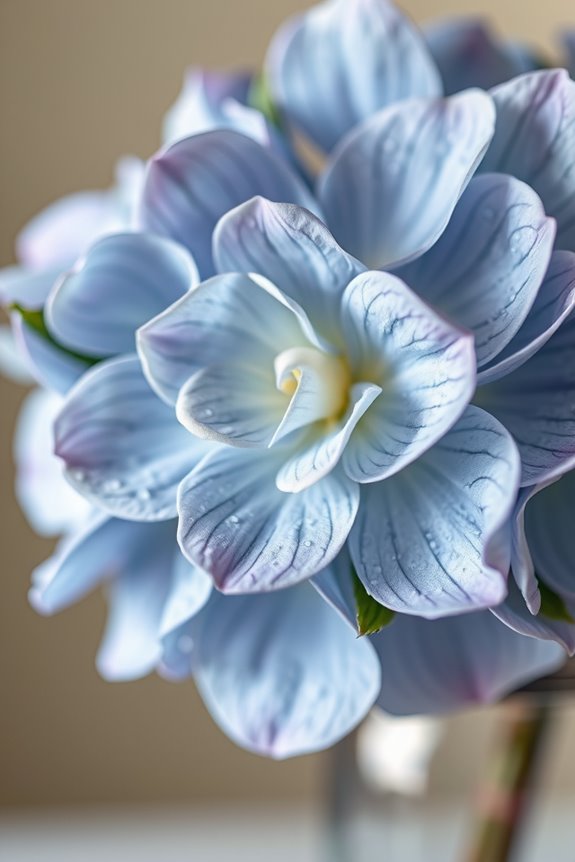
You’re probably someone who notices things others miss—the way a friend’s voice changes when they’re upset, or how a room feels when something’s off. Your mind naturally connects emotions to actions, which means you’re thoughtful about how your choices affect people around you.
That same awareness can work against you, though. When you care deeply about getting things right, you might find yourself replaying conversations or decisions, wondering if you could have handled them differently. This happens because your brain is wired to see connections between your actions and their emotional ripple effects on others.
The blend of emotional awareness and analytical thinking is real. One part of you notices and feels. The other part analyzes and questions. Learning to work with both parts instead of letting them argue with each other is where your actual strength lies.
Thoughtful Perfectionists With Depth
Have you ever noticed how some people seem to notice everything—the slight shift in a friend’s tone, the way a room’s energy changes, the small details others miss? If you’re a hydrangea lover, you likely recognize yourself here.
Your thoughtful nature runs deep. You naturally gravitate toward emotional awareness of yourself and those around you, careful analysis before making decisions, and high standards for quality in work and relationships. You think reflectively about complex situations and use nurturing approaches that create comfort for others.
This combination makes you someone people trust. You don’t rush judgment. Instead, you consider multiple angles, weighing consequences carefully. Your perfectionism isn’t about being critical—it’s about honoring what matters.
When you’re working on something, whether writing, designing spaces, or supporting others, you bring genuine value through your depth. You notice what needs attention. You consider how your choices affect the people and places around you. You take time to get things right, which means the results tend to hold up over time.
Sensitivity Meets Analytical Mind
What Makes a Hydrangea Lover Different
A hydrangea lover has two qualities working together: they feel things deeply and they think things through carefully. This isn’t something you either have or you don’t. Most people lean more one way than the other, but you do both at the same time.
Your sensitivity means you pick up on small emotional signals. You notice when someone’s smile doesn’t match their actual mood. You catch the tone in a text message that others might miss. Your analytical side asks questions about what you’ve noticed. Why did that person seem upset? What’s really going on in this situation? You think through different angles before you respond to someone.
This blend of feeling and thinking changes how you show up in relationships. You remember specific things about the people in your life. You think about whether your words might hurt someone or help them. You care about getting your responses right.
The downside is that this same combination can lead to overthinking. You might replay a conversation in your head multiple times, worrying whether you said the right thing or the wrong thing. You second-guess yourself.
But here’s what matters: your ability to feel and think at the same time is a real strength. You don’t just react emotionally, and you don’t just analyze without caring about feelings. You navigate complicated emotions in a way that brings both understanding and thoughtfulness to the people around you.
Daisies – Free-Spirited Independence and Joy
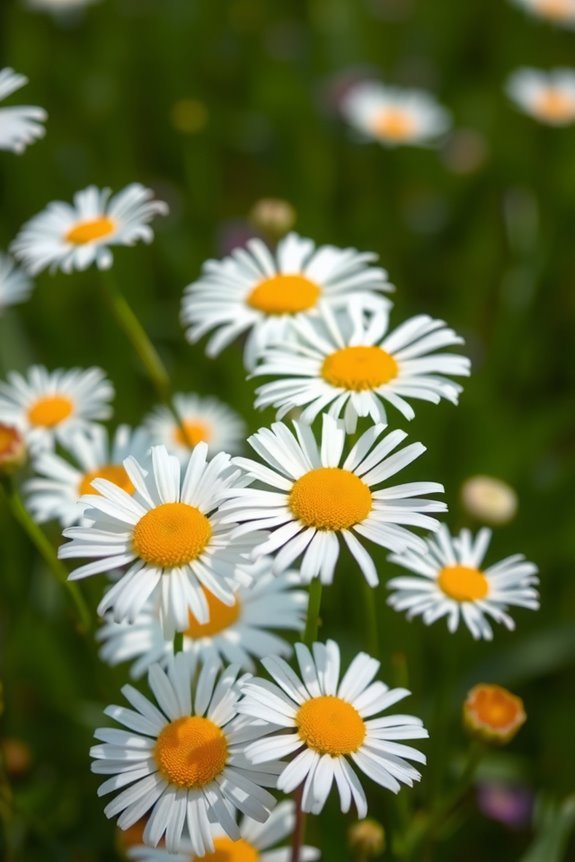
If daisies are calling to you, there’s a good chance you’re someone who values freedom and spontaneity. You approach life with an open heart and look for experiences that match your adventurous side.
Daisy lovers typically share these qualities:
- Independent thinkers who make choices based on what matters to you personally
- Spontaneous people who say yes to unexpected opportunities
- Sociable personalities who connect easily with others
- Optimistic approaches that shape how you handle challenges
- Creative problem-solvers in work and personal life
You value exploration and aren’t afraid to chart your own course. Your casual, youthful energy attracts people who appreciate authenticity. Careers like travel blogging, graphic design, or running your own small business fit naturally with how you work best. Your approach to life shows genuine curiosity and a belief that the world has many things worth discovering.
Tulips – Adaptability and Forward-Thinking Resilience
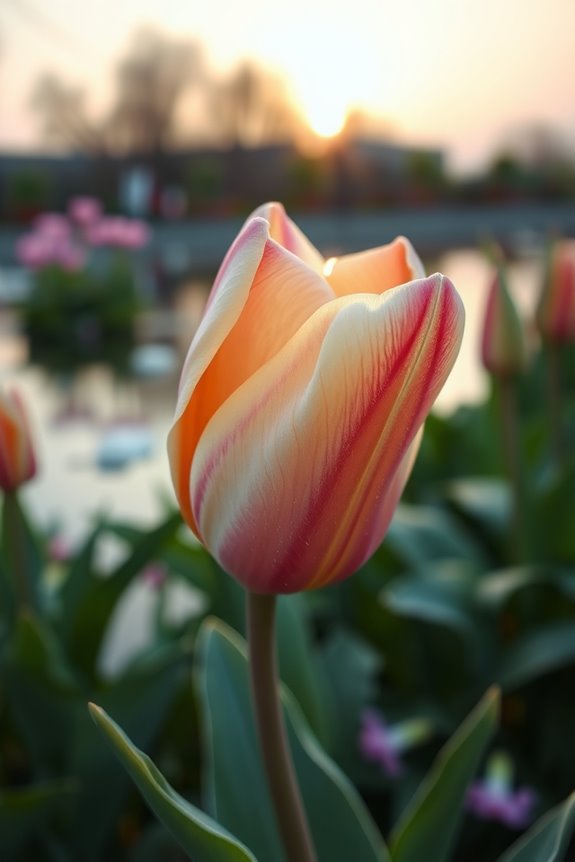
When you’re drawn to tulips, you’re likely someone who bends without breaking. Your adaptability serves you well during challenging times. You maintain composure when plans shift unexpectedly, adjusting your approach without losing sight of your goals.
This flexibility shows up in how you handle daily situations. Over a typical week, you might shift strategies two or three times depending on what’s working. You evaluate what each moment needs rather than sticking to one rigid plan. This means you communicate differently with different people—one way with a friend who needs direct answers, another way with someone who needs reassurance first.
Your confidence comes from staying thoughtful under pressure. When circumstances feel uncertain, you don’t panic or freeze. Instead, you think through your options, pick the best one for right now, and move forward. This approach helps you handle difficult transitions smoothly. People notice this about you. They trust you during times when things feel messy or unclear because you stay steady and clear-headed.
What sets you apart is viewing obstacles as chances to learn something. A project that falls apart doesn’t feel like failure to you—it feels like information about what to try next time. This persistent mindset, maintained over months and years, is what helps you achieve what actually matters to you.
Orchids – Creative Nonconformity and Sophistication
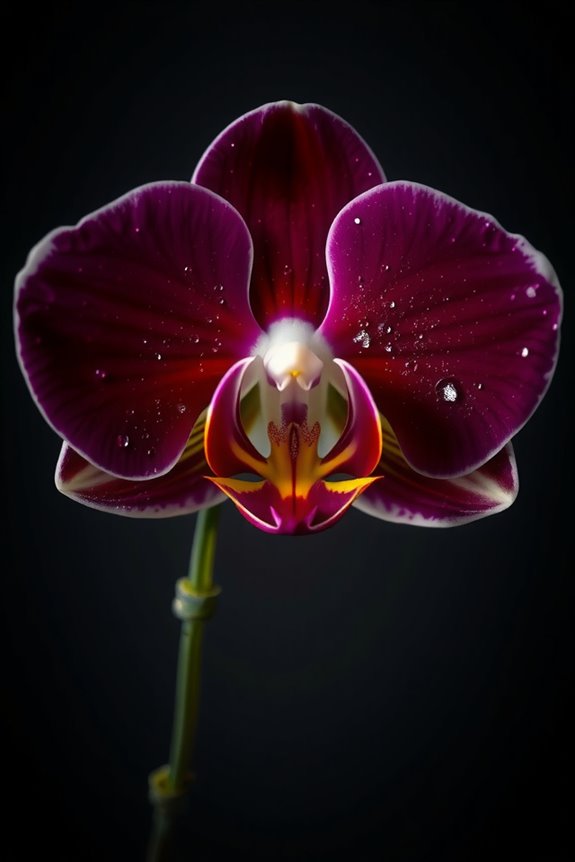
If orchids are your favorite flower, you likely value originality and reject what feels ordinary. You probably think in ways that are different from most people around you. This shows up in how you approach problems and create things.
You appreciate both refinement and newness. This means you can enjoy a polished approach combined with a fresh idea. Maybe it’s a new way to solve an old problem, or perhaps it’s an unconventional thought that nobody has seriously considered before.
Your creativity actually works differently than it does for people who prefer common flowers. Predictable things and anything that feels fake bother you more than they bother others. When something doesn’t sit right with you because it lacks authenticity, that discomfort pushes you to find a better alternative. You need to express yourself in a way that’s distinctly yours, not in a way that copies what already exists.
This preference for orchids says something real about how your mind works. You don’t settle for easy answers or borrowed ideas. Instead, you look for the path that nobody else has taken, the answer that shows your own thinking, the creation that could only come from you.
Originality and Artistic Vision
Originality and Artistic Vision
Some people naturally gravitate toward doing things differently, while others feel comfortable with what’s familiar and proven. If you’re drawn to orchids, you likely value originality across different parts of your life. The way you think about art and creativity shapes how you see the world around you.
Your creative approach shows up in specific ways. You might spend time with painting or visual arts that question what most people accept as normal. You listen to classical music and notice how it affects your emotions in ways you can actually describe. When facing a problem—whether it’s organizing your room or figuring out a conflict with a friend—you think in ways that others might not consider. You also make deliberate choices about the things around you, from the colors you wear to how you arrange your space, and these choices feel true to who you actually are.
This isn’t about being different just to stand out. Instead, you notice possibilities that other people overlook. You see a blank wall and imagine what could go there. You hear a piece of music and think about it differently than your classmates do. That genuine vision drives you toward projects and interests that feel real to you, not projects you think you’re supposed to do. You’re building a life based on what matters to you personally, rather than following what everyone else expects.
Sophistication Meets Innovation
There’s a particular kind of person who doesn’t just want to be creative—they want their creativity to mean something. If you love orchids, you’re someone who combines careful taste with fresh thinking in everything you do.
You don’t settle for ordinary ideas or the paths that everyone else takes. Instead, you pursue art forms like painting, classical music, or design. These outlets let you show who you really are through your work. Your taste runs deep and refined because you value things that aren’t mass-produced or following the trends of the moment.
This drive often comes from noticing what’s missing around you. You see gaps in what already exists. You imagine better solutions and fill those gaps with inventive thinking. Maybe you spent three weeks redesigning your workspace, or you spent months learning a new painting technique because existing approaches felt incomplete. These aren’t quick projects—they’re deliberate choices.
Your nonconformist style shows that true sophistication isn’t about following rules. It’s about understanding the rules well enough to break them thoughtfully. When you choose an uncommon material for a design project, or when you select an unconventional subject for your art, you’re making a decision based on real understanding, not just rebellion for its own sake.
This approach matters because it shapes how you move through the world. You belong among people who pay attention to details others miss and who care enough to do the work that makes things better.
Creativity Driven by Dissatisfaction
That careful taste you’ve developed keeps pushing you forward. Your dissatisfaction with ordinary solutions means you notice gaps where others see finished products. This restlessness fuels what you create.
When you build something, you’re working from these habits:
- Spotting what’s missing in mainstream options
- Refusing to stop at “good enough”
- Mixing unconventional ideas with polished execution
- Questioning why things work the way they do
- Spending real time on uncommon, quality work
This isn’t about rejecting things just to be different. You’re motivated by what feels incomplete or surface-level. When you find something that doesn’t meet your standards, you don’t accept it as finished. Instead, you improve it.
That dissatisfaction acts like a compass. It points you toward discoveries other people miss. Over weeks and months of persistent refinement and honest critique, you build something distinctly yours. The process takes patience, but the results reflect actual thinking rather than quick fixes.
Peonies – Ambitious Generosity and Big Dreams
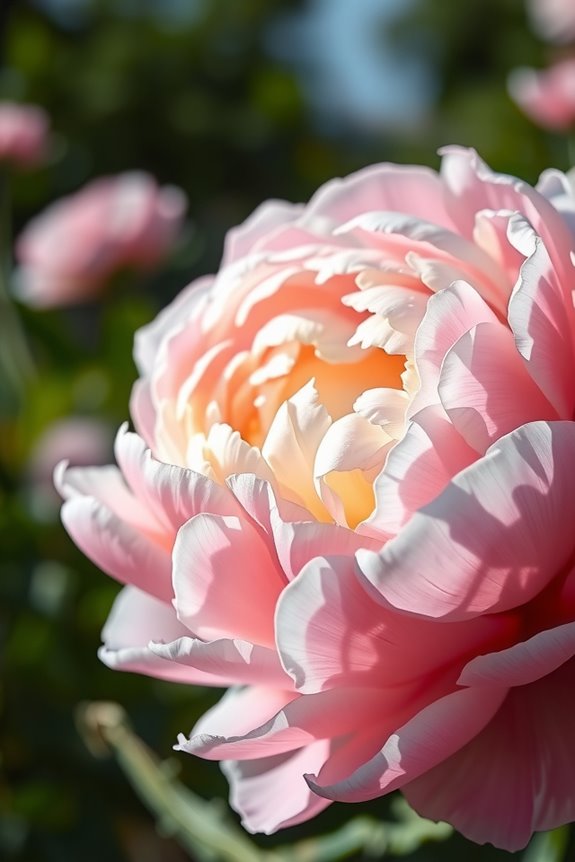
If peonies appeal to you, you likely approach life with optimism and a genuine interest in helping others do well. You have goals that feel achievable, and your ambition doesn’t stop at personal success. You’re willing to share your time, resources, and support with the people around you.
People notice this quality. When you’re in a room, others feel the positive energy you bring. Peonies symbolize prosperity and happiness, which reflects how you think about the future. You believe good outcomes are possible, and you work to create those opportunities for your circle. This outlook spreads naturally through how you interact with others.
What makes you stand out is the balance between what you want and what you give. You celebrate other people’s wins with the same genuine enthusiasm you bring to your own achievements. This combination—wanting more for yourself while pulling others forward—is why people trust and respect you. You’re not keeping success to yourself; you’re building it with the people around you.
Carnations – Understated Loyalty and Steady Care
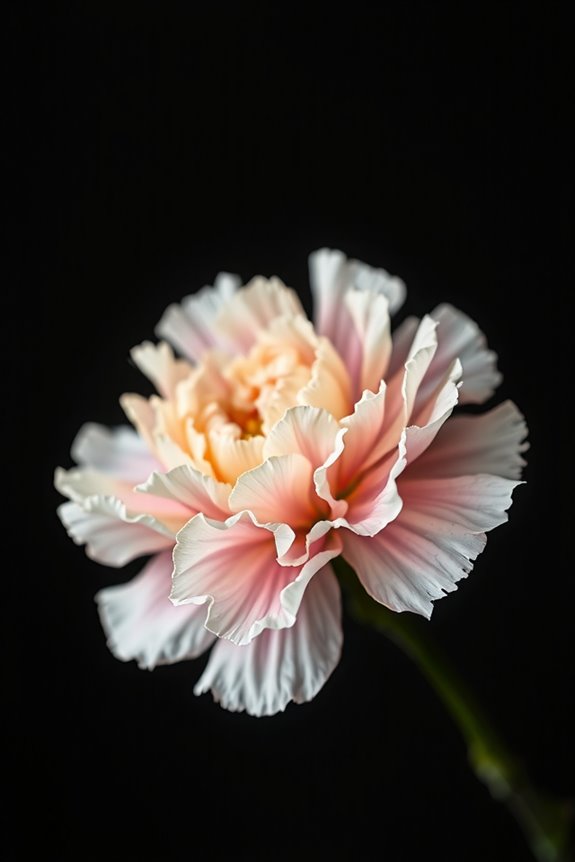
Carnations speak to a kind of loyalty that shows up day after day. Unlike peonies, which represent ambition and shared wins, carnations tell the story of someone who simply does what they say they will do.
Carnations represent the loyalty that shows up day after day—someone who simply does what they say they will do.
If carnations resonate with you, steadiness runs through how you handle relationships and responsibilities. You’re the person who marks birthdays on a calendar weeks in advance. You follow through when you promise something. People trust you because you’ve earned that trust over months and years, not just in a single moment.
Your values center on a few quiet principles:
- You give support without needing anyone to notice
- You choose styles that last rather than fade after a season
- You say what you mean in calm, honest ways
- You solve problems with practical thinking
- You build relationships meant to hold up over time
You find beauty in things that don’t demand attention. A well-made sweater worn for five years appeals to you more than something flashy that falls apart in weeks. Your warmth comes through the small, consistent choices you make. Someone might not remember a single big gesture you made, but they’ll remember that you were there every single time they needed you.
This kind of loyalty isn’t flashy, but it’s real. It takes real effort to show up the same way on day one hundred as you did on day one. That’s what sets you apart.
Poppies – Bold Creativity and Fearless Self-Expression
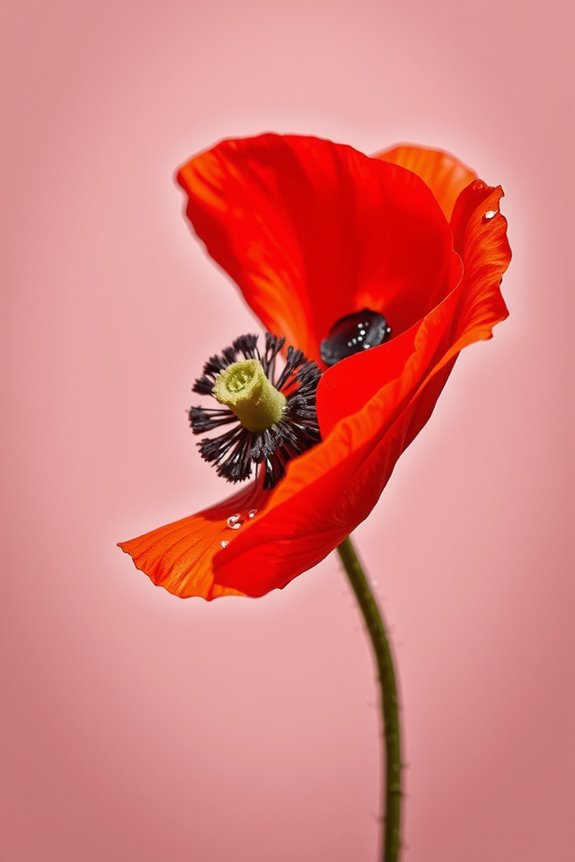
Where carnations whisper, poppies shout. If poppies are your favorite flower, you likely value bold creativity and direct self-expression. You’re the person who wears bright colors and unusual styles that others might skip. Your clothing choices reflect who you are without holding back.
Poppies carry different meanings depending on their color. Red poppies represent consolation and comfort in times of difficulty. Yellow poppies symbolize wealth and success. California poppies, designated as the state flower in 1903, represent regional pride and connection to place. These meanings probably appeal to you because they match your values and personality.
You express yourself openly and don’t fade into the background. This comes from understanding that creativity works best when you’re being yourself. Your approach to life centers on authentic self-expression rather than blending in with others around you.
Zinnias – Passionate Nostalgia and Edgy Glamour
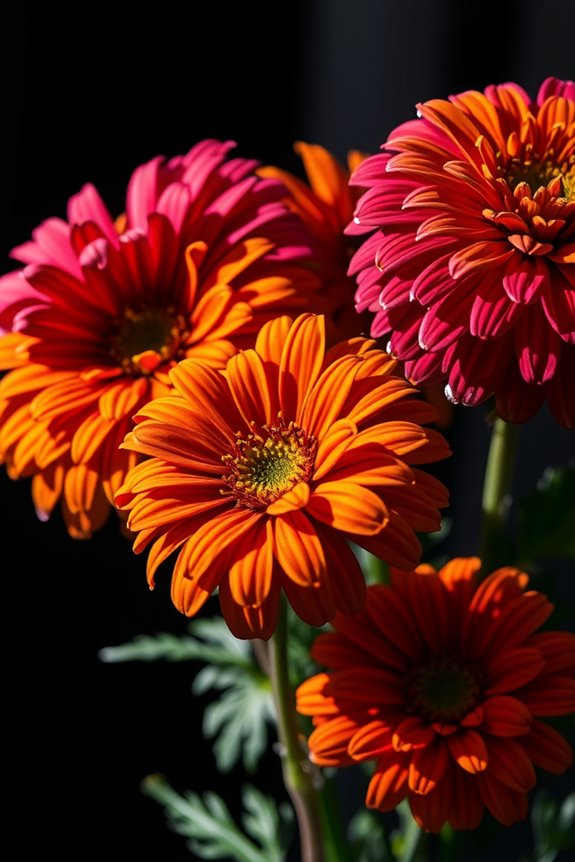
Do you find yourself drawn to memories of people who’ve drifted away. If zinnias captivate you, you’re someone who feels deeply and treasures connection. Your nostalgia isn’t weakness—it’s a strength that keeps you anchored to meaningful moments.
Zinnia lovers blend passion with style in distinctive ways. You wear your heart visibly, unafraid of emotion. The vibrant colors of zinnias appeal to your bold personality because they come in reds, oranges, purples, and pinks that don’t apologize for taking up space. Your fashion choices mix classic elegance with edgy touches. You appreciate unique beauty, like zinnias’ varied forms that range from pompom shapes to dahlialike blooms. These flowers remind you that memories of absent friends shape how you see the world today.
Zinnia lovers wear their hearts visibly, blending passion with edgy glamour that refuses to apologize for taking up space.
You’re intensely passionate, sometimes dwelling in the past. That’s okay. Your ability to honor relationships—past and present—makes you genuine. Your style reflects this duality: glamorous yet unconventional. You understand that nostalgia connects us to who we are, and that connection matters more than fitting in with what’s expected of you.
Lavender – Perfectionism and Spiritual Grounding
Lavender – Perfectionism and Spiritual Grounding
If you value balance and attention to detail, lavender flowers might resonate with you. People who prefer lavender often seek harmony between what they feel inside and how they present themselves to the world. Your perfectionism isn’t about finding fault. Instead, it’s about refining things until they feel right—whether that’s a room arrangement, a conversation, or a personal goal.
You likely notice details others overlook. A slightly off color in a painting, the way someone’s words don’t match their expression, small shifts in mood. This comes from knowing yourself well and having confidence in that self-knowledge. Your quiet certainty attracts people who need grounding, and they often rely on you for perspective.
Lavender reflects an intuitive approach to life. You understand that real beauty comes when inner calm and outer presence align. You choose quality items that last years rather than items that trend for a season. A lavender plant in your space, whether a small potted version (about 12 inches tall) or dried sprigs in a cloth sachet, represents this value system. You’re drawn to things that improve gradually and require consistent attention—much like building genuine friendships or developing a skill over months and years.
Your appreciation for lavender signals someone who builds meaningful connections and works steadily on personal growth. This makes you someone others can depend on, not because you’re perfect, but because you show up consistently.
Match Your Flower to Your Ideal Career
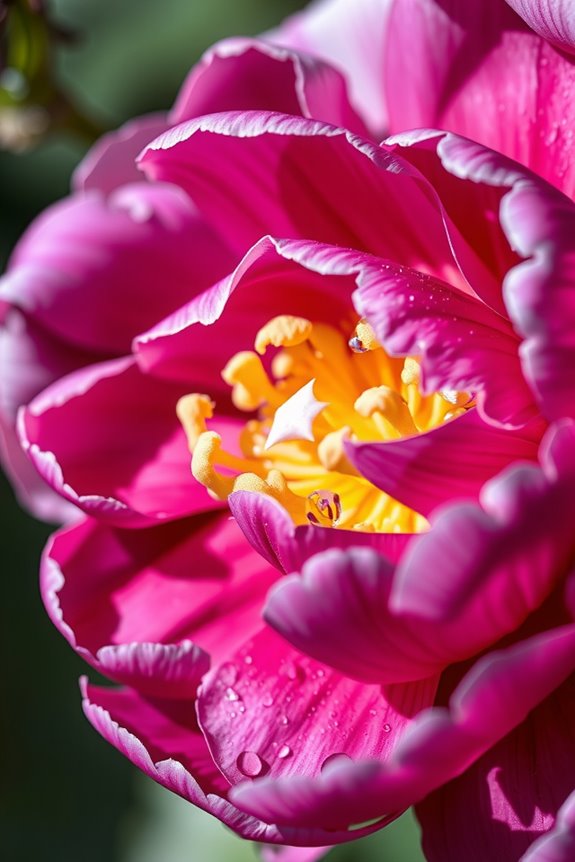
Your favorite flower can point you toward work that feels meaningful rather than draining. Each bloom connects to natural talents you already have, which can guide you toward careers worth pursuing.
The Flower-to-Career Connections
Roses connect to leadership roles, law, and advocacy. People drawn to roses tend to thrive when they’re standing up for what they believe in and helping others do the same.
Sunflowers match with sales, marketing, and entrepreneurship. If you love sunflowers, you probably have an infectious energy that draws people in and makes them want to listen.
Daisies pair well with event planning, travel, and hospitality work. Daisy people often enjoy variety and making genuine connections with others in different settings.
Lilies align with therapy, counseling, and art direction. These roles require blending intuition with creativity—noticing what people need while imagining solutions that look and feel right.
Hydrangeas fit research, writing, and psychology careers. Hydrangea devotees typically need time and quiet space to think deeply about complicated problems before sharing their findings.
Why This Matters for Your Future
How you process the world shows up in your flower preference. Rose admirers feel energized when defending principles. Sunflower lovers spread optimism naturally. Daisy people flourish when moving between different projects and people. Hydrangea types work best when they have room for reflection. Lily types balance what others need with their own sense of beauty and design.
Matching your career choice to how you’re naturally wired means you’re not forcing yourself into roles that drain you. Instead, you’re building work around who you already are.