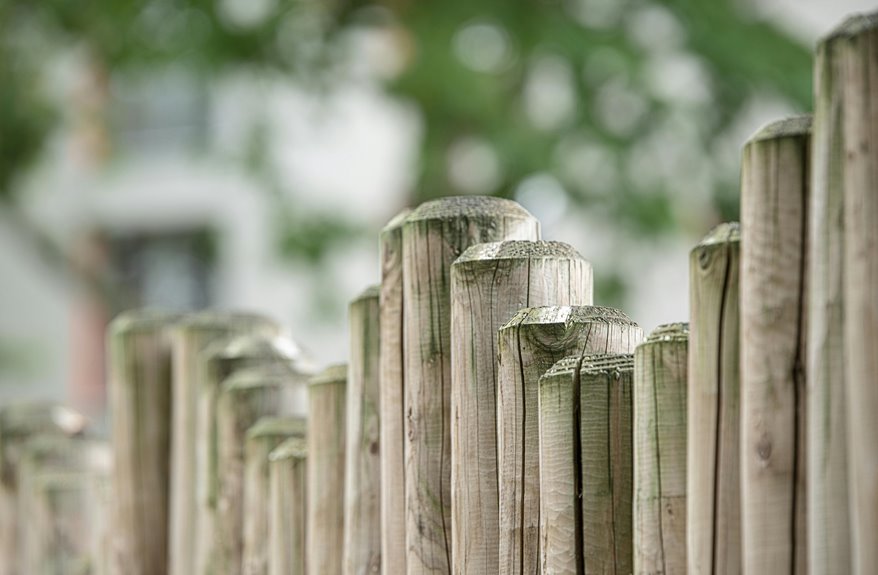
When you’re planning a wood fence, expect to pay $39–$74 per linear foot for the complete installation. Most homeowners budget around $52 per foot, and this covers materials, labor, permits, and the contractor’s overhead costs.
Your fence style matters more than the type of wood you choose. A basic nail-up design costs less than a board-on-board style, where boards overlap on both sides. If your property has challenging conditions—steep slopes, rocky soil, or difficult access—contractors will charge more because the work takes longer and requires extra care.
Gates add significant expense. Each gate typically costs between $1,300 and $3,500 depending on size and materials. A standard 4-foot gate for a side yard costs less than a wider 6-foot driveway gate.
Your actual budget depends on these specific details. Before you get quotes, measure your fence line, decide on a style, and walk the property to note any terrain problems. This information helps contractors give you accurate pricing that matches your project’s real conditions.
2026 Wood Fence Installed: $39–$74 Per Foot
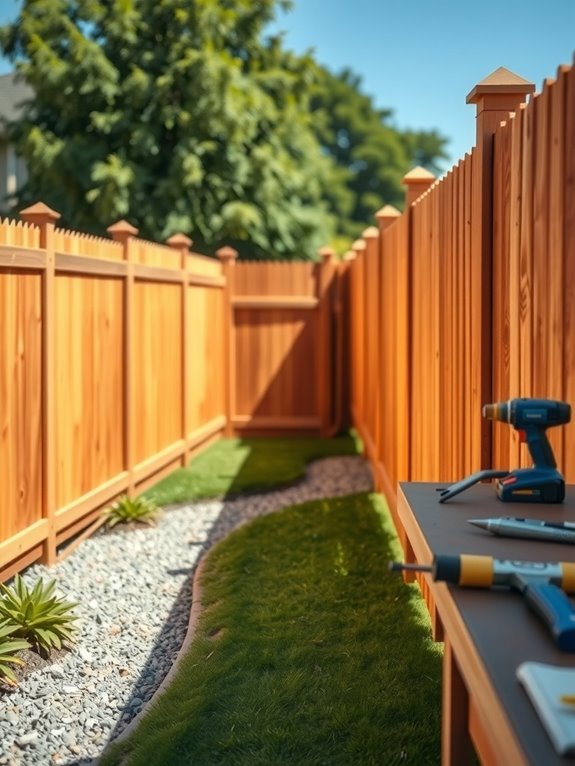
What to Budget for a Wood Fence in 2026
Installing a wood fence costs between $39 and $74 per linear foot. Most homeowners spend around $52 per foot, which adds up to roughly $3,400 for a standard residential project of about 65 feet.
Breaking Down the Costs
Your total expense splits into two main parts. Materials—lumber and posts—run about $18 per foot. Labor, concrete, permits, and project management account for the remaining $34 per foot. This means on a typical 65-foot fence, you’re looking at roughly $1,170 in materials and $2,210 in labor and other expenses combined.
Your actual price depends on where you live and the details of your project. If you’re in a major city, expect to pay more. Metro areas often push prices past $90 per foot due to higher labor costs and local permit fees.
Where These Numbers Come From
These figures come from data collected across 32,000 completed fence installations in 24 states during 2026. This gives you a solid sense of what’s typical across different regions, though your local market may vary.
How Wood Species Affects Your Per-Foot Cost
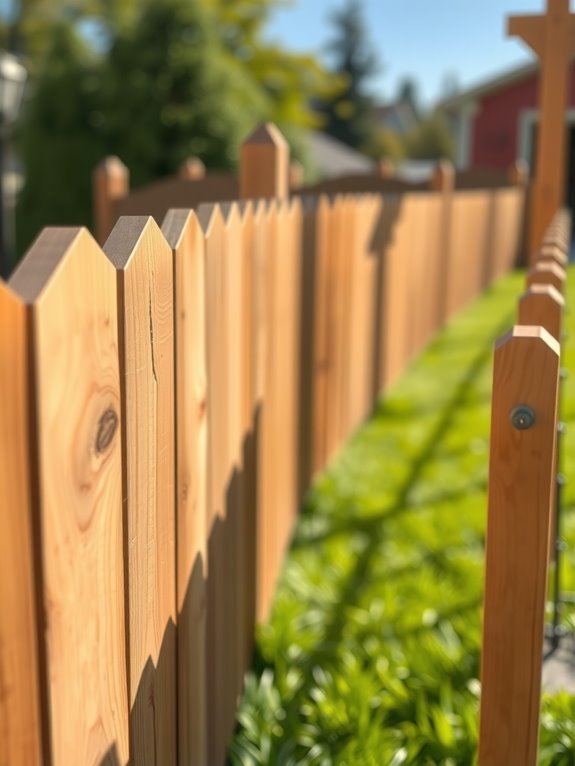
When you’re building a fence, the wood species you choose does affect the price, but the difference is smaller than many people think. The gap between the least and most expensive common options runs about $5 per foot, which means the wood type alone doesn’t drive your total cost as much as other factors do.
Let’s look at what you’ll actually pay. Pressure-treated pine costs around $49 per foot and gives you an affordable starting point. Cedar runs about $53 per foot and naturally resists rot, which means fewer repairs down the road. Redwood reaches $55 per foot or higher because it lasts longer and looks more polished over time.
Here’s what matters more than picking between these woods: the posts, concrete, and labor involved in installation. These components actually have a bigger impact on your final per-foot price than whether you choose cedar or pine. Your fence design also weighs heavily on cost. A privacy fence with solid boards costs more to build than an open-style fence with gaps between boards, regardless of which wood species you select.
When you’re making your decision, compare the upfront cost against how much maintenance you’ll need over time. A cheaper wood species might cost less initially but could require more staining, sealing, or repairs in five to ten years. A pricier option like redwood might save you money on maintenance during that same period. Balance what you pay now against what you’ll spend maintaining the fence later.
Fence Style Drives Costs More Than Species: Board-on-Board vs. Privacy
When you’re planning your fence budget, focus on this fact: the style you pick matters far more than the type of wood. A Board-on-Board design costs about $62 per foot. A basic Privacy fence runs around $50 per foot. That’s a 24% difference just from choosing one style over another, even when you use the same materials and build in the same location.
The cost gap grows wider when you consider other options. A Horizontal-board style jumps to $90 per foot. Compare that to a simple Nail Up approach, which costs less, and you’re looking at nearly double the expense.
Here’s why style drives the price. Board-on-Board requires more labor because boards overlap on both sides. Privacy fences need boards placed side-by-side with no gaps, which takes time to measure and install correctly. Horizontal-board styles demand careful spacing and leveling across the entire fence line. Each design demands different techniques and different amounts of time from whoever builds it.
When you plan your budget, start by deciding what style fits your needs. Do you want complete privacy, or is some visibility acceptable. Once you answer that question, you can estimate your costs based on the style you’ve chosen. The wood species—whether cedar, pine, or treated lumber—plays a smaller role in your final price than most people assume.
Design Choice Cost Impact
The fence style you pick matters more than your wood type. Whether you choose cedar or pressure-treated pine, the design itself will have a bigger effect on your final price.
Here’s how different designs break down by cost per linear foot:
Nail Up designs cost around $50/ft. These are the most affordable option because they use a simple construction method with nails holding boards to the frame.
Board-on-Board privacy fences run about $62/ft. This style requires more materials since boards overlap each other, creating a solid privacy barrier.
Picture Frame styles reach $71/ft. The extra complexity in cutting and fitting pieces means installers spend more time on labor.
Horizontal fencing pushes costs to $90/ft or higher. This design demands 15–25% more installation work than vertical styles. The boards run left to right instead of up and down, which requires different framing and takes longer to build.
The labor difference between vertical and horizontal designs explains most of the price gap. Your location also matters—the same fence style might cost $20–$30/ft more in one state than another due to local labor rates and material availability. Your design choice shapes your budget far more than which wood species you select.
Species vs. Style Comparison
What Actually Costs More: Fence Style or Wood Species
When you’re budgeting for a fence project, one question matters most: where should your money go. The answer might surprise you. Your fence style affects the cost far more than your choice of wood.
Consider the numbers. Switching from a Nail Up fence at $50 per foot to a Board-on-Board design at $62 per foot adds $12 to every single foot. On a 150-foot fence, that’s $1,800 more. Now compare that to wood selection. Choosing Cedar instead of pressure-treated pine costs roughly $4 per foot. The style difference is three times larger.
| Style | Cost per foot | Additional cost |
|---|---|---|
| Nail Up | $50 | Baseline |
| Privacy | $50 | Baseline |
| Board-on-Board | $62 | +$12 |
| Horizontal-board | $90 | +$40 |
Horizontal-board styling pushes costs even higher at $90 per foot, adding $40 per foot compared to basic designs. That’s a major shift in your budget.
Here’s what this means for your planning. Start by deciding what your fence should look like—the visual style and design matter more than the specific type of wood. Once you’ve settled on the style that fits your needs, then think about wood species. You might choose pressure-treated pine for durability at a lower price, or cedar for appearance and natural resistance to rot. Either way, that wood decision has far less impact on your final bill than the style you picked first.
Height and Slope: Hidden Cost Multipliers
How much does your fence’s height actually matter to your wallet?
Your fence’s height and slope are silent cost multipliers that reshape your per-foot pricing. Standard 6-foot fences set your baseline cost, but taller heights and uneven ground add significant expenses.
Height adds up quickly
A 7-foot fence costs roughly 10% more per foot in both materials and labor compared to a 6-foot fence. Move up to 8 feet, and your per-foot cost jumps about 50% because taller fences need stronger posts, thicker materials, and more bracing to stay stable.
Sloped terrain multiplies costs
When your yard slopes, contractors can’t simply install posts at regular intervals. They need to either step the fence up in sections or angle it to follow the ground. This extra framing work increases labor by 5-30% per linear foot depending on how steep the slope is. Rocky soil or a backyard where trucks can’t reach easily adds another 20-40% in labor and equipment costs.
Height and slope together
The real expense happens when these factors combine. Uneven terrain on a tall fence requires specialized post work and stair-step designs that compound each other. You’re not just paying slightly more per foot—you’re paying significantly more because the complexity grows faster than the individual problems would suggest.
Understanding these multipliers helps you budget accurately. Before ordering materials, measure your fence height, check your yard’s slope with a level, and ask your contractor how these factors affect the final price.
Gates Add Cost: Budget Shifters You’ll Overlook
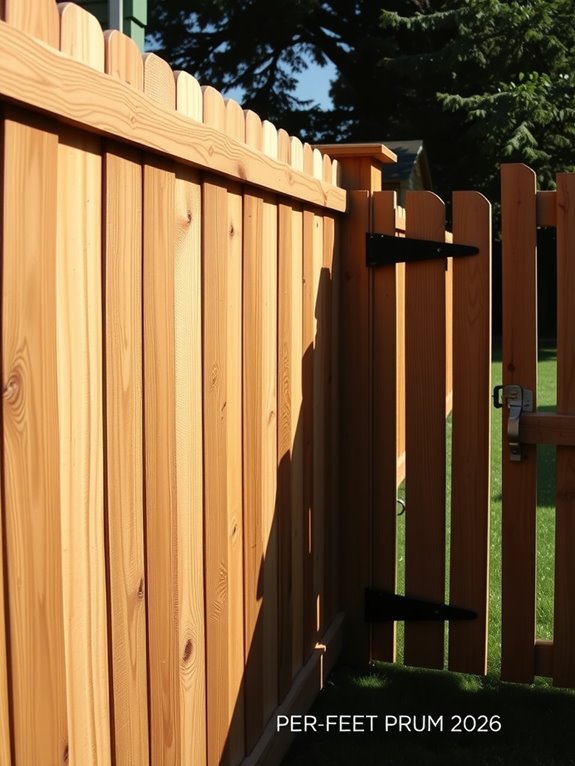
While you’re calculating your per-foot fencing costs and thinking about height and slope, gates become one of the biggest budget surprises on any project. A single gate runs $1,300, while a double gate climbs to $3,000–$3,500. Walk gates cost less at $200–$600 each, but larger automated options start around $1,500.
Installation involves more than just the gate itself. You’re paying for hinges, latches, posts, and concrete footing for secure mounting. On a 150-foot fence, adding two gates substantially shifts your total price. The size and hardware choices you make will change what you actually spend.
Before you finalize your budget, check with your local government and HOA about permits and requirements. These rules can influence which gates you’re allowed to install and may add unexpected fees during the installation process.
Pressure-Treated Pine vs. Cedar vs. Redwood: Per-Foot Price and Longevity
When you’re picking your fence wood, you’ll notice pressure-treated pine costs the least at $20–$35 per linear foot. The trade-off is durability. You can expect about 15–20 years of service with proper care and maintenance.
Cedar sits in the middle ground, running $33–$53 per foot and lasting 20–30 years. Many homeowners choose cedar because it balances decent durability against a moderate price tag.
Redwood is the most expensive option at $40–$60 per foot, but it will outlast both alternatives, holding strong for 25–40 years. You’re paying more upfront for longevity.
Here’s what matters most though: your total fence cost depends far more on labor and design choices than on the per-foot price of the wood itself. A simple fence design with standard installation might cost the same whether you choose pine or cedar. Complex designs, decorative elements, or challenging terrain can double your expenses regardless of which wood type you select.
Pressure-Treated Pine Basics
Pressure-treated pine is worth considering if you’re looking for an affordable wood fence option. Most fencing materials get compared against its price point, and for good reason. Installed costs typically run $20–$35 per linear foot, which puts it within reach for most homeowners.
What You Should Know
Cost. Pressure-treated pine costs less upfront than cedar or redwood. You’ll spend significantly less at installation, though you’ll need to budget time for maintenance later.
How long it lasts. With regular care, you can expect 15 to 20 years of service. The chemical treatment in the wood resists rot and insect damage, but only if you maintain it properly.
Maintenance work. Plan to stain and seal your fence regularly. This isn’t a set-it-and-forget-it material. The chemicals in the wood provide a foundation for durability, but exposure to weather gradually breaks down that protection. Without staining and sealing, your fence will deteriorate faster.
Pressure-treated pine delivers solid value if you’re willing to invest time in upkeep. You’ll pay less money upfront compared to other wood options, and you’ll spend more time maintaining it over the years.
Cedar’s Cost-Value Balance
Cedar sits between pressure-treated pine and redwood in both price and performance. You’ll pay $33–$53 per linear foot to install it—more than pine but less than redwood. The higher upfront cost buys you better rot resistance and a longer lifespan.
| Material | Cost Per Foot | Lifespan | Maintenance |
|---|---|---|---|
| Pressure-Treated Pine | $20–$40 | 15–20 years | Moderate |
| Cedar | $33–$53 | 20–30 years | Low |
| Redwood | $50–$80 | 25–35 years | Low |
Cedar’s main advantage is stainability. You can choose how your fence looks while also protecting the wood from weather and moisture. This flexibility matters if you want your fence to match your home’s color scheme or landscaping style.
The material performs especially well in humid climates where moisture breaks down cheaper woods faster. Cedar resists this damage naturally, so your fence holds up longer without constant repairs. Most cedar fences last 20–30 years with minimal upkeep, compared to 15–20 years for pressure-treated pine.
Think of cedar as a middle-ground investment. You’re not paying premium redwood prices, but you’re avoiding the higher maintenance costs that come with pine. If you plan to stay in your home for at least 15 years, cedar generally saves you money in the long run because you won’t need to replace it as soon.
Redwood Durability Investment
If you’re willing to spend more upfront, redwood offers the longest-lasting fence among the three main wood options. You’ll pay $40–$60 per linear foot installed, which means a 100-foot fence costs between $4,000 and $6,000.
Why redwood deserves consideration:
- Lifespan advantage – Your redwood fence lasts 25–40 years, nearly double what pressure-treated pine provides.
- Superior rot resistance – Natural oils in redwood protect against decay better than cedar, which reduces how often you need to maintain it.
- Long-term value – Though the upfront cost is higher, you’ll replace and repair the fence far less often than with other wood types.
- Minimal maintenance – You’ll spend less time treating and repairing compared to cedar or pine.
The price difference between redwood and cedar is actually small when you look at the full picture. You’re paying a bit more at the start, but you get a fence that lasts significantly longer with less work needed to keep it standing. That’s where the real savings show up—in the years between now and when your grandchildren might be thinking about what to do with the fence.
Where Your Fence Cost Really Goes: Labor, Permits, Overhead
Ever wonder why your fence installer’s quote seems so much higher than the cost of the wood itself. Labor typically accounts for roughly 50% of your total project cost. Materials average just $18 per foot, while labor, permits, overhead, and management combine to reach $34 of the $52 per-foot installed cost.
Your region matters significantly. Urban installers charge $30–$50 per foot for labor, while rural contractors run $20–$35 per foot. Permit costs range from $50–$200. Understanding these breakdowns helps you appreciate where your investment truly goes.
If you need fence gates, labor intensity jumps considerably. A single 3–4 foot gate costs around $1,300, while double gates run $3,000–$3,500. These prices reflect the additional time installers spend on hinges, latches, and structural support.
Site conditions also push labor costs higher. Rocky soil requires more digging time and sometimes specialized equipment. Steep terrain means installers work slower and need extra safety measures. Overhead and project supervision round out the remaining expenses on your final bill.
Getting Accurate Cost Quotes: What to Ask Contractors
Getting Accurate Cost Quotes: What to Contractors
Finding out if a contractor’s quote is fair takes some legwork. Get three quotes from licensed installers in your area. Prices vary widely based on what your specific project needs, so having real numbers helps you compare what’s actually available nearby.
What to Ask For in Writing
Request an itemized breakdown from each contractor. This means they list out every cost separately rather than giving you one lump sum. Ask them to show materials, labor, permits, and gate hardware on separate lines. Include footings, removal costs, and site preparation fees. They should also provide the price per linear foot and your total installed cost.
Details That Actually Matter
Tell each contractor about your exact situation. Describe your terrain, any access challenges you have, and whether you need old fence removal. These conditions affect how much work they’ll do and how much it costs. Check whether their quotes assume standard fence height and include just one gate, not multiple ones.
Ask about warranties on materials and workmanship. Find out their lead time—how long before they start and how long the job takes. Ask what maintenance coverage they offer and for how long.
Making Sense of the Numbers
When you have three quotes with these details written down, you can actually compare apples to apples. Vague estimates hide what you’re really paying for. Detailed breakdowns let you see where each contractor’s costs differ and why.
Three Budget Examples: 150 Ft, 250 Ft, 400 Ft
Now that you’ve broken down your contractor quotes line by line, you can start plugging real numbers into actual fence sizes. Fence length, labor costs, materials, and site conditions all shape what you’ll actually pay for installation.
| Fence Length | Cost Range |
|---|---|
| 150 ft | $3,000–$6,500 |
| 250 ft | $5,000–$12,000+ |
| 400 ft | $20,000+ |
| Per-foot price | $20–$60 |
A 150-foot wood fence typically costs around $4,500. When you double the length to 250 feet, your total cost doesn’t simply double. Labor becomes more efficient across a longer project, but you’re still buying more materials—more posts, more boards, more hardware. At 400 feet, costs jump significantly because everything multiplies: posts, fasteners, and labor hours all add up.
Several factors push your per-foot price higher. Hilly or uneven ground requires more digging and post adjustments. Gates, which you might add one or two of, cost extra. Poor access to your property—narrow driveways or obstacles—makes delivery and installation slower. Contractors account for these challenges when they quote you, which is why their prices can vary from $20 to $60 per foot depending on conditions.
Use these budget examples to compare what contractors quote you against realistic expectations. A $4,500 quote for 150 feet is solid middle ground. Quotes at $3,000 should raise questions about what corners might be cut. Quotes above $6,500 for that same length suggest either difficult terrain or premium materials. Understanding these ranges helps you spot whether a contractor’s estimate makes sense for your specific property.
Wood Fence Lifespan and Maintenance Costs Over Time
Your wood fence’s real cost extends far beyond the initial installation bill. What you spend keeping it standing strong over the years matters most.
Wood fence maintenance directly impacts how long your fence lasts. Cedar stands for 20–30 years, redwood extends to 25–40 years, and pressure-treated pine offers 15–20 years when you care for it properly. You’ll need to budget for ongoing upkeep tasks.
Regular maintenance work includes:
Staining and sealing every 2–3 years keeps wood protected from weather damage. You’ll also need to inspect post anchors regularly to catch stability issues before they worsen. When boards warp or crack, replace them promptly rather than waiting. Finally, make sure posts never sit directly in soil contact, which causes rot to spread quickly.
These tasks add up to real money over time. A pressure-treated pine fence costs less when you first build it, but demands consistent attention throughout its life. Cedar and redwood sit higher in price upfront yet need fewer repairs, though they still require regular sealing schedules to maintain their condition.
Smart installation from the start makes a difference. When you set posts correctly in the ground with proper drainage and address small damage early, your fence lasts significantly longer. This approach makes your initial investment worthwhile by reducing how much you’ll spend on fixes down the road.
DIY vs. Professional Installation: Real Cost and Risk Trade-Offs
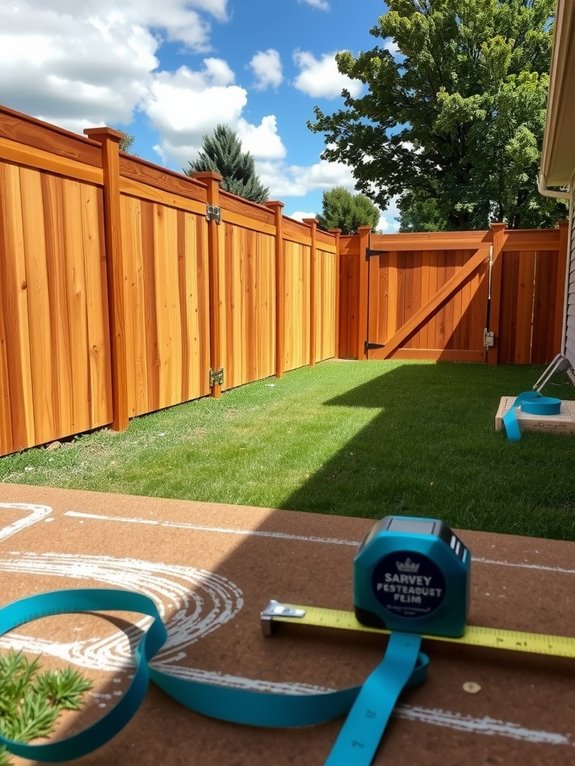
You’re choosing between two paths: doing the work yourself or hiring someone with experience. DIY installation cuts your labor costs roughly in half—often meaning 50% less from your total budget—but it demands real carpentry skills. Getting posts level, spacing gaps evenly, and preventing rot requires precision work. If you skip these details, you’ll face expensive repairs down the line.
Professional installers handle the regulatory side. They obtain permits, secure HOA approvals when needed, and make sure everything meets local building codes. They also provide warranties covering their work for the fence’s typical 15–20 year lifespan, which protects you if problems develop.
Your decision really hinges on three things: Can you set posts perfectly level using string lines and a level tool. Can you navigate permit requirements and local regulations on your own. Will you keep up with maintenance—checking for rot, tightening hardware, and treating wood—over many years.
If you’re confident about all three, DIY saves money upfront. If you’d rather pay now for certainty and have someone responsible if something fails, professional installation makes financial sense over time. Neither choice is wrong. It depends on your skill level, available time, and comfort with taking on the work yourself.
Labor Savings vs. Skill Requirements
Should You Build That Fence Yourself or Hire a Professional?
The choice comes down to two things: how much money you want to spend and whether you have the skills to do the work right.
The Money Side
Building a fence yourself costs about half what professionals charge. You might spend $850–$2,200 compared to $1,600 or more for a contractor to do the job. That’s real money saved. But here’s the catch: those savings disappear fast if something goes wrong and needs fixing later.
Why Professionals Exist
There are reasons people hire fence builders. Setting posts requires them to go down to the exact depth—usually 2 to 3 feet depending on your frost line. Then concrete needs time to cure properly, and you can’t speed that up without risking a wobbly fence in a year or two.
Your local government also requires permits and has building codes about setbacks from property lines and fence heights. Most homeowners don’t know these rules. Professionals do.
Real experience matters too. A builder knows how to handle slope in your yard, rocky soil that fights digging, and how to keep fence lines straight. When something goes wrong, their warranty covers sagging or rot repairs. You pay for those yourself.
What It Costs Where You Live
Professionals charge differently depending on location. In cities and suburbs, expect $30–$50 per foot of fence. Rural areas typically run $20–$35 per foot. Before deciding to DIY, ask yourself honestly: do you have the tools, time, and patience to get it right the first time.
Long-Term Quality and Warranty Trade-Offs
Long-Term Quality and Warranty Trade-Offs
Saving $800 on labor costs sounds good at first. But think about what happens in five, ten, or fifteen years. That’s where the real costs show up.
When you set fence posts yourself, you might skip steps that matter. You might not dig deep enough, use the wrong concrete mix, or miss spots where water can seep in. Professional installers know exactly how to do this work. They set posts in proper concrete foundations that keep posts from shifting. They also include warranties that cover sagging and rot for a specific period—often five to ten years.
Without correct post setting, your fence absorbs water. Wood swells and shrinks with the seasons. Rot can start where the post meets the ground. Every two or three years, you’ll need to stain or seal the wood to stop damage. That costs $300 to $600 each time. A professionally installed fence resists these problems longer because the foundation work was done right from day one.
There’s another part of this. Local building codes matter. Your HOA might have specific fence rules. Professional installers know these rules. When you build wrong, fixing it costs thousands—sometimes $2,000 or more to remove and rebuild sections. That $1,600 difference between DIY and professional installation can vanish quickly when you factor in repair bills over a decade.
Wood vs. Vinyl: True 20-Year Cost Winner?
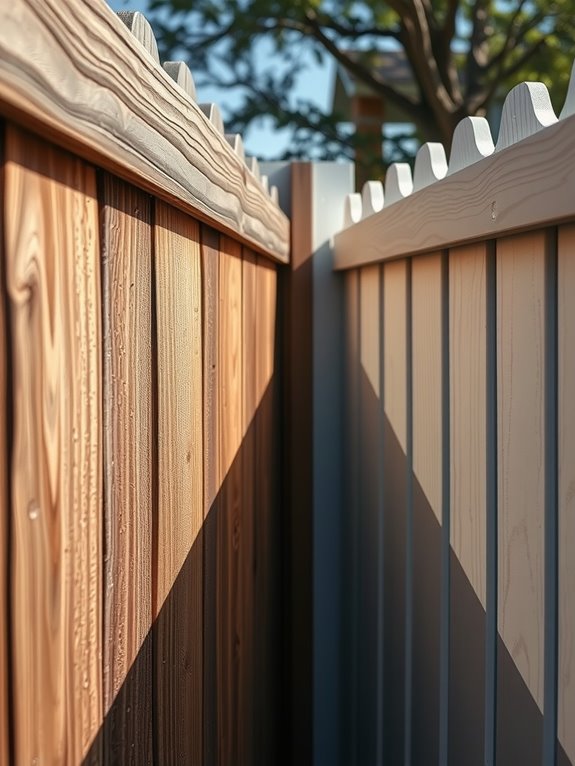
When you’re comparing wood and vinyl fences, focus on what happens over time rather than the price tag at checkout. Wood looks cheaper upfront, but vinyl often wins the long-term cost battle.
Initial Cost Difference
Wood fence installation runs around $20–$60 per linear foot in 2026, while vinyl ranges from $30–$60. That $10–$40 difference per foot seems significant when you’re planning a 100-foot fence, but the savings disappear quickly once the fence is up.
Why Maintenance Costs Add Up
Wood requires staining, sealing, and repairs every 3–5 years. Over a 20-year period, you’ll pay for multiple rounds of sealing, spot repairs from rot or weather damage, and possibly board replacement. Vinyl, by contrast, needs almost no upkeep beyond occasional cleaning with a garden hose. You might spend $200–$500 on vinyl maintenance over two decades. Wood maintenance typically costs $1,500–$3,000 or more during the same timeframe.
Lifespan Matters
Wood fences last 15–20 years before significant deterioration sets in, while vinyl lasts 20–40 years depending on climate and sun exposure. This means a wood fence installed today might need replacement before your vinyl fence shows real wear.
Price Stability and Regional Factors
Wood prices fluctuate based on local lumber costs and labor availability. Vinyl pricing stays relatively consistent across regions. In harsh climates—areas with intense sun, freeze-thaw cycles, or heavy salt exposure—vinyl’s durability advantage becomes even clearer, making the higher initial investment pay off faster.