How Often Should You Backwash a Swimming Pool (And How to Do It Right)
Reading Your Pressure Gauge
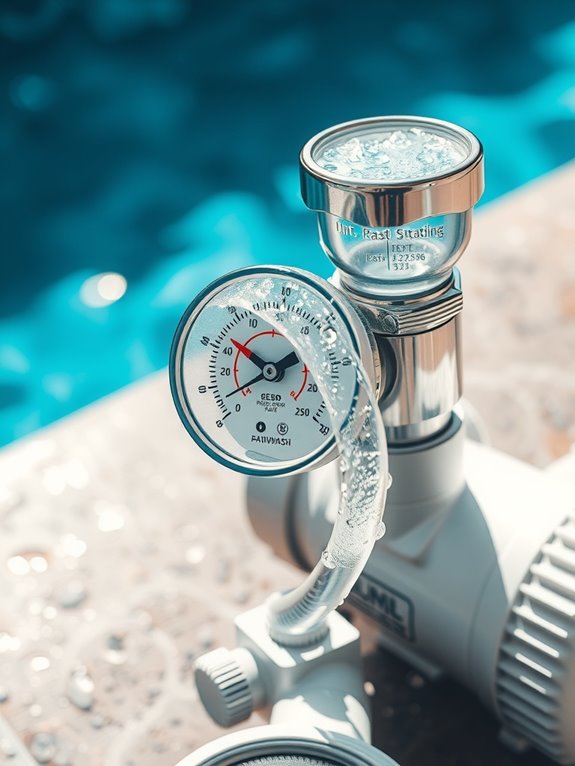
Your pressure gauge tells you when to backwash. Record your clean starting pressure on a piece of paper or in your phone—this is your baseline. Check the gauge weekly and watch for when it climbs 8–10 PSI above that starting number. That’s your signal to backwash, not the calendar.
The Backwash Process
When the pressure hits that trigger point, switch your valve to Backwash and run the pump for 2–3 minutes. You’ll see the water change from cloudy to clear in your sight glass. Once it runs clear, stop the pump. Set your valve to Rinse and run the pump for 30 seconds. Finally, switch back to Filter mode and restart normal operation.
How Often Different Filters Need Backwashing
Sand filters typically need backwashing once a month. DE (diatomaceous earth) filters need it every 4–6 weeks, but the timeline shifts when weather gets rough. Heavy rain and high pollen counts accelerate debris buildup, so you might need to backwash sooner after storms or during windy seasons.
Why Timing Matters
Backwashing at the right moment keeps your filter working at full strength and saves water. Over-backwashing wastes hundreds of gallons and doesn’t improve performance. Your pressure gauge is your best guide—follow what it tells you rather than guessing.
What Backwashing Does (And Why Pressure Matters)
Why Your Pool Filter Needs Backwashing
Your filter traps debris every single day. Over time, this buildup accumulates inside the filter and increases the pressure. When the pressure rises 8 to 10 PSI above where it started, that’s your signal to act.
Your filter traps debris daily, and when pressure rises 8 to 10 PSI above baseline, it’s time to backwash.
As debris collects, your filter becomes clogged. Water can’t flow through as easily, so your return jets weaken and your pool’s turnover rate drops. This means fewer gallons of water get cleaned during each cycle.
Backwashing reverses the water flow through your filter, pushing trapped debris out through the waste line. The process is straightforward. Once you backwash, your filter works efficiently again and pressure returns to normal levels. Think of it like unclogging a drain—water moves freely once the blockage is gone.
Pressure is your best indicator for when to backwash. Check your filter’s pressure gauge regularly. Most filters start at 10 to 20 PSI depending on the model. When you see the pressure climb 8 to 10 PSI higher than that baseline, backwash your filter. This simple habit keeps your pool clean and your filter functioning properly.
Reading Your Pressure Gauge: The 6–8 PSI Trigger
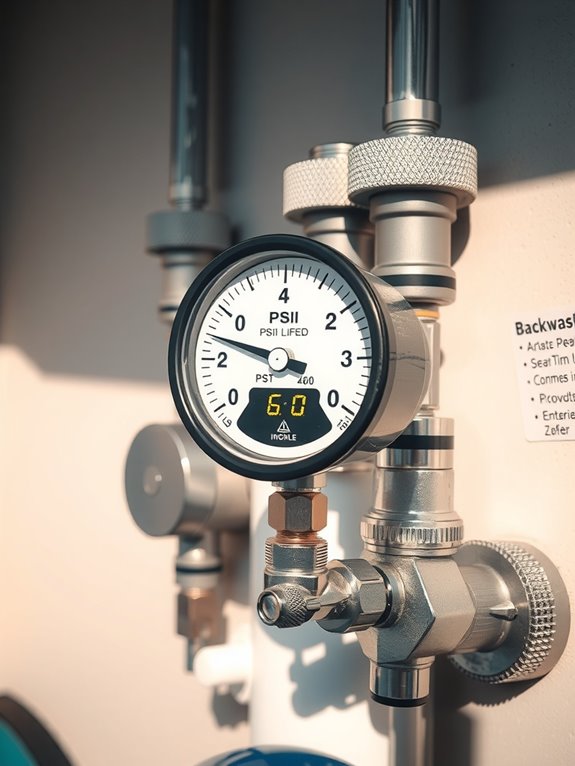
Your pressure gauge is your pool’s information system. It tells you exactly when your filter needs backwashing, which means running water backward through the filter to push out trapped debris.
Start by checking your pressure gauge when you first open your pool for the season. Write down that number—that’s your clean starting pressure and your reference point. Everything else gets measured from there.
The backwash trigger is simple: when pressure rises 6 to 8 PSI above your clean starting number, it’s time to backwash. This range matters because it signals real debris buildup without wasting water through backwashing too early. If your clean starting pressure was 12 PSI, you’d backwash when it hits 18 to 20 PSI.
Heavy pool use, storms, or trees near your pool push pressure upward faster than normal conditions. You might backwash sooner within that 6 to 8 PSI window depending on what’s happening around your pool. Checking your gauge regularly prevents over-backwashing, which actually makes your filter work less efficiently and wastes water. You’re reading real data instead of guessing.
Sand Filters: Backwash Monthly or When Pressure Rises
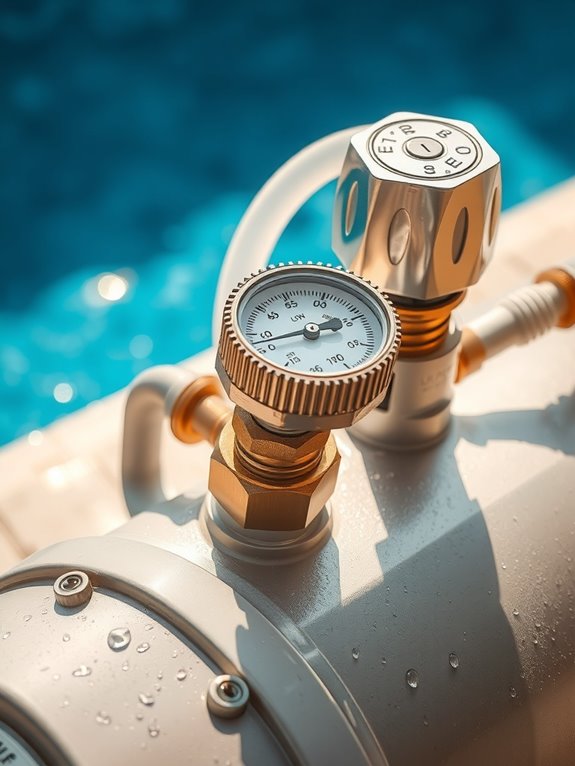
Sand filters work best when you monitor them regularly rather than follow a calendar blindly. Your pressure gauge is your main tool—it shows you exactly when your filter needs attention.
When to Backwash
Backwash your sand filter when the pressure gauge reads 8 to 10 PSI higher than your starting pressure, or once a month, whichever happens first. This pressure rise tells you the sand has trapped enough debris to slow water flow. After backwashing, run the rinse cycle for about 30 seconds to let the sand settle back into place.
Watching Your Pressure Gauge
Check your pressure gauge weekly during the swimming season. If it stays steady and water flows normally through your filter, you can skip a scheduled backwash and save water. The gauge prevents you from doing unnecessary work while catching problems early. Low pressure means your sand layer stays in good condition longer.
Seasonal Adjustments
Weather changes what your filter handles. Heavy storms or trees near your pool drop leaves and debris into the water, which means your filter gets dirtier faster. During fall months with lots of leaf drop, you might backwash twice as often as you would in summer. Winter usually requires fewer backwashes since fewer people use the pool and less debris falls into it.
Your filter works most efficiently when you let the gauge guide your decisions rather than guessing about when it needs maintenance.
DE Filters: Backwash Every 4–6 Weeks or After Storms
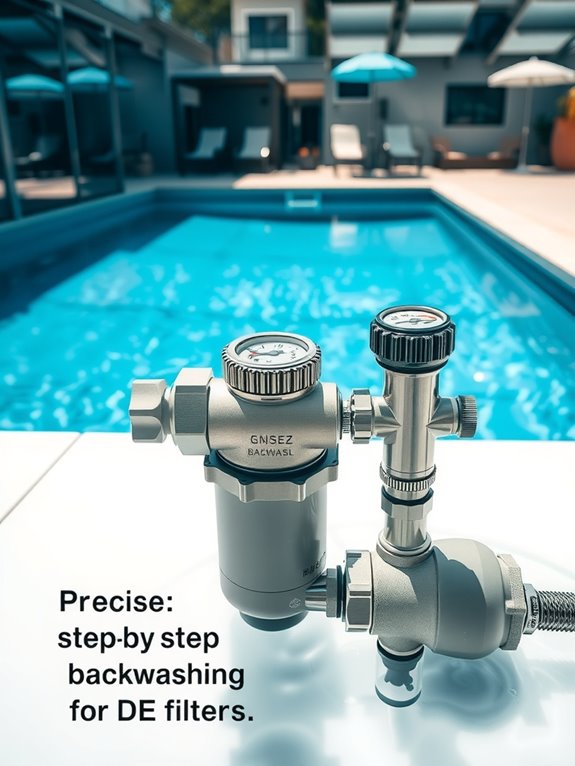
DE filters need a different maintenance approach than sand filters because diatomaceous earth powder operates in its own way. You should backwash every four to six weeks during regular pool use, but timing matters more than the schedule itself. Watch your pressure gauge closely. When it climbs higher than normal, that’s your signal to backwash right away. If your water starts looking cloudy or hazy, debris has built up enough to interfere with filtration, and you shouldn’t delay.
Storms and heavy debris events demand immediate attention. After a big storm brings leaves, dirt, or other materials into your pool, backwash promptly to remove accumulated debris before it can harm your filter system. The longer debris sits in the filter, the more it packs down and makes your equipment work harder.
During the backwash process, you’ll drain the old DE powder completely. Once the filter runs clean, you reload it with fresh diatomaceous earth powder. This replacement powder is what actually catches particles and keeps your water clear.
Staying on top of this routine means your filter stays efficient throughout the swimming season. Check your pressure gauge regularly—typically once a week—so you catch problems early. When you notice pressure rising or water quality dropping, act quickly rather than waiting for the next scheduled backwash date. This approach keeps your pool system running smoothly and your water clean.
Rain, Pollen, and Wind: When to Backwash More Often
When rain, high pollen counts, or gusty winds arrive, your pool’s filter works harder than usual. Environmental debris clogs the filter faster during these conditions, which means you’ll need to backwash more frequently than your regular schedule.
Your pressure gauge tells you exactly when action is needed. Watch it closely, especially during pollen season or after rainfall. When the reading rises noticeably above your pool’s normal baseline, backwash right away.
Heavy rain and storms introduce sediment and organic material that spike filter pressure quickly. Pollen surges clog filter media earlier, sometimes weeks ahead of your typical weekly backwashing routine. Wind-blown dust and leaves accelerate filter loading and reduce water flow significantly.
Check your pressure reading daily during challenging weather periods. Most pools run at 10 to 20 PSI under normal conditions. If your gauge climbs 8 to 10 PSI above that baseline, backwash immediately. This keeps your filter working properly and protects your equipment from strain and damage.
Step-by-Step: Backwashing a Sand Filter
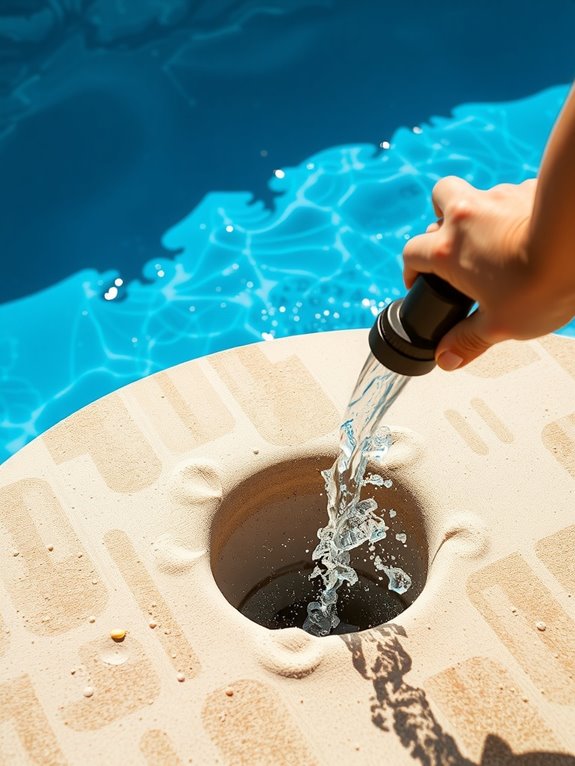
Backwashing a Sand Filter
When your pressure gauge starts climbing, it’s time to clean out your filter. Turn off the pool pump first, then move the multiport valve handle to the Backwash position and lock it in place. This keeps the valve from shifting accidentally while you work.
| Step | Action | Duration |
|---|---|---|
| 1 | Run pump on Backwash | 2-3 minutes |
| 2 | Switch valve to Rinse | 30 seconds |
| 3 | Reset to Filter position | Ongoing |
Run the pump for 2 to 3 minutes in Backwash mode. Dirty water will flow out of the discharge line—keep the pump running until the water runs clear. This usually takes a few minutes depending on how much debris has built up in the sand.
Once the water clears, turn off the pump and switch the valve to Rinse. Let it run for about 30 seconds to help settle any remaining fine particles that got stirred up during backwashing. Then turn the pump off again and rotate the valve back to Filter mode. Lock the handle down securely and restart your pump.
Watch the pressure gauge over the next few minutes to make sure it drops back to its normal operating range, typically between 10 and 20 pounds per square inch. If pressure stays high, you may need to backwash again. Most pool owners backwash every 4 to 6 weeks during swimming season, though this depends on how often the pool gets used and how many leaves or debris fall into it.
Step-by-Step: Backwashing a DE Filter
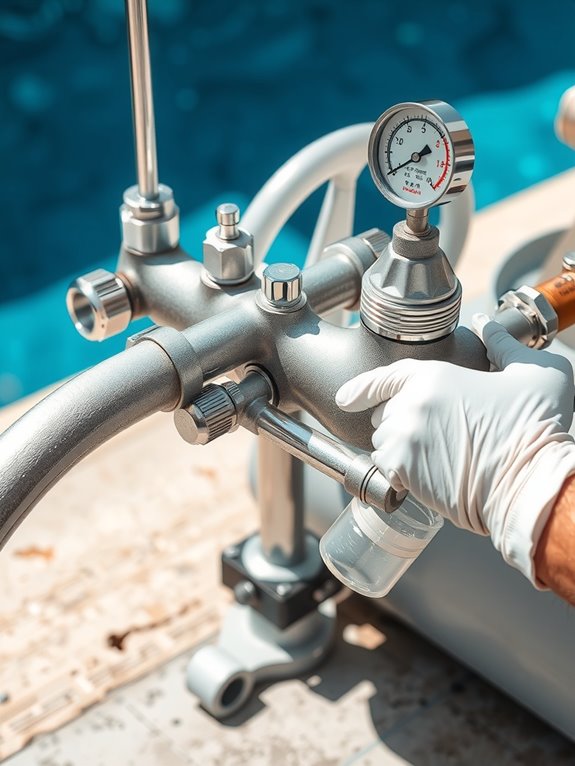
Backwashing a DE Filter
Run your pump for two to three minutes with the valve set to Backwash. Watch the waste water flowing out of the drain line—you’re done when it runs clear instead of cloudy. This usually takes a couple of minutes, though it depends on how dirty your filter was.
Switch the valve to Rinse and let it run for about 30 seconds. This clears out any remaining debris from the tank. Then move the valve back to Filter mode and check your pressure gauge to make sure everything’s reading normally.
The final step is replacing the DE powder. Remove the old powder from the filter tank and dispose of it properly—don’t pour it down the drain since it can clog pipes. Add fresh DE powder during the rinse cycle, which helps coat the filter grids. The amount you need depends on your filter size, usually between 2 and 8 pounds. Your filter manual will tell you the exact amount. Once you’ve added the powder and the filter is running normally, you’re done.
Backwash And Rinse Cycles
Backwashing your DE filter is a straightforward process when you know what to expect. The key is understanding that backwashing and rinsing work as two separate steps, each with its own purpose.
Begin by moving your multiport valve to the Backwash position and securing it firmly. Start your pump and let it run until the water flowing out becomes clear, which typically takes two to three minutes. You’ll notice the water starts dirty and gradually becomes cleaner—that’s the debris leaving your filter.
Once the water clears, switch your valve to Rinse without stopping the pump. Run it for about 30 seconds on this setting to flush away any remaining particles that the backwash cycle loosened. While both cycles run, keep an eye on your pressure gauge. It will drop as water moves through the system in reverse.
After the rinse cycle finishes, turn off the pump completely. Move your multiport valve back to Filter and lock the handle into place. Give the system a moment to settle, then check your pressure gauge again. It should return to its normal operating range, usually between 10 and 20 pounds per square inch depending on your specific filter model.
This routine removes trapped debris and prevents pressure buildup inside your filter tank. Doing it regularly—typically every two to four weeks during swimming season—keeps your filter working efficiently and adds years to its working life.
DE Powder Replacement Process
Adding Fresh Powder
Turn off your pump before you start this final step. Once you’ve disposed of the old DE powder according to your local regulations, you’re ready to add the new powder. Turn the pump back on and add fresh DE powder while it’s running. This keeps the powder moving through the filter system evenly, rather than clumping in one spot.
Replacement Schedule
How often you replace DE powder depends on a few things: how much debris is in your pool, how often people use it, and what the weather brings.
| Replacement Frequency | Debris Load | Pool Usage |
|---|---|---|
| Every 4 weeks | Heavy | High |
| Every 5 weeks | Moderate | Moderate |
| Every 6 weeks | Light | Low |
| As needed | Seasonal | Variable |
| After storms | Extreme | Occasional |
If you live somewhere with frequent storms, you might need to replace the powder more often. A pool in heavy use with lots of swimmers and debris will need new powder every 4 weeks. A lightly used pool that stays relatively clean can go 6 weeks between replacements.
Checking Your Work
Watch your pressure gauge after you’ve added the fresh powder. The filtration pressure should return to normal within a few minutes. If it stays high, you may have added too much powder or the powder isn’t distributed properly. If it drops below normal, you might not have added enough. This routine keeps your water clear and your filter working the way it should.
Pressure Monitoring And Adjustments
Your pressure gauge speaks a clear language: it tells you when your filter needs attention. Learning to read this dial keeps your pool clean without wasting time on unnecessary backwashing.
Start with a baseline reading. Right after you backwash and rinse your filter, write down the PSI number you see. This clean-filter pressure is your reference point. You’ll compare all future readings to this number.
Watch for pressure climbing. As your filter collects debris, the pressure will rise gradually. When the gauge shows 6 to 8 PSI higher than your baseline, that’s your signal to backwash. This rise tells you the filter media is holding enough dirt that water flow is slowing down.
Complete the backwashing cycle properly. Switch the multiport valve to Backwash, run the pump for 3 to 5 minutes until the sight glass shows clear water, then move the valve to Rinse. Run for 30 seconds more, then return to Filter mode. Once this is done, record your new clean PSI baseline.
This monitoring routine prevents you from guessing about maintenance timing. Instead of backwashing too often or waiting too long, you follow what the pressure gauge shows you. Your pool stays clear throughout the season because you’re working with real data, not assumptions.
Backwash and Rinse: How Long to Run Each
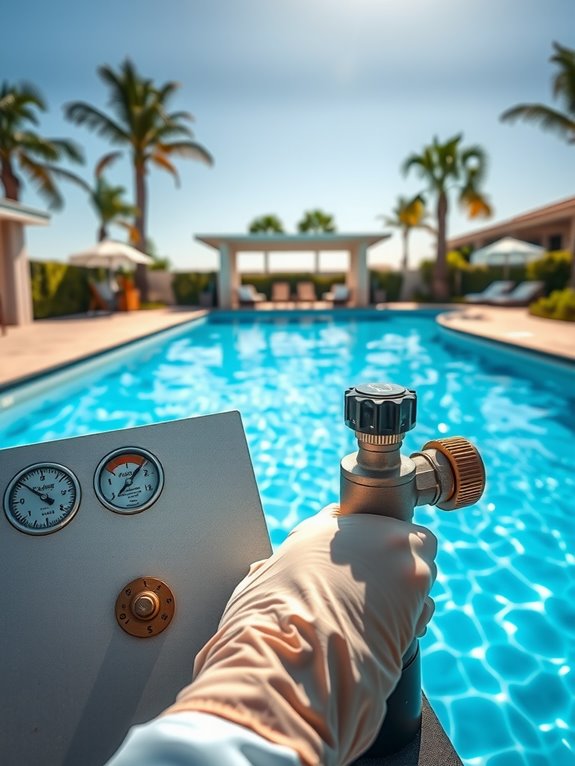
Once you’ve decided it’s time to backwash, you’ll want to know exactly how long to let each stage run. The answer is straightforward. Keep your backwash time to about 2–3 minutes, running until the water runs clear in your sight glass. Then switch to rinse for roughly 30–60 seconds to flush out loosened debris. This rinse step clears the particles that the backwash cycle stirred up.
Your full backwash cycle typically takes 4–5 minutes total before you return the valve to Filter position. Watch your filter pressure gauge closely—when it reads 8–10 PSI above your starting level, that’s your signal to begin. These time guidelines keep your system running efficiently without wasting water or straining your equipment.
When Vacuuming to Waste Beats Backwashing
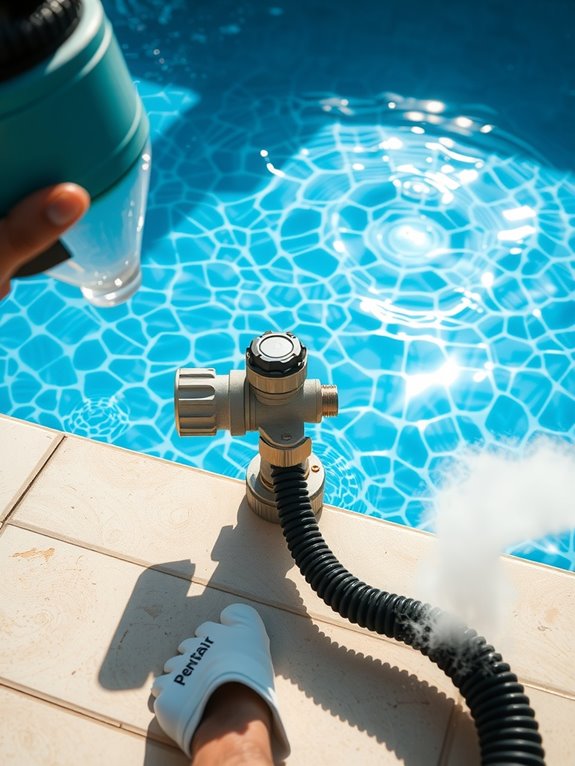
Sometimes backwashing isn’t your best move. Vacuuming to waste is actually the smarter choice in specific situations where you need to bypass your filter entirely.
Vacuuming to waste bypasses your filter entirely—the smarter choice in specific situations where backwashing falls short.
When to Vacuum to Waste
During algae blooms, vacuuming to waste removes contaminated water without spreading algae back through your filter system. The algae cells stay out of your filtration equipment rather than circulating through it.
After heavy debris exposure like construction dust or roadwork particles, your filter clogs quickly. Direct-to-waste vacuuming prevents you from reintroducing those particles into your pool after they’ve been removed.
When water clarity drops significantly, slow vacuuming removes contaminated water first. Once your pool starts clearing, you can return to normal filtration.
The Process
Keep your pump running throughout the entire job to prevent air pockets and equipment damage. This means not passing water through the filter during this process. Monitor your filter pressure gauge—it should remain stable—and check water clarity as you work. Before returning to standard backwashing, wait until you notice visible improvement in how far you can see into the water.
Vacuuming to waste takes longer than backwashing, typically 30 to 45 minutes for moderate debris loads, but it protects your filter from unnecessary strain and keeps your pool chemistry more stable since you’re not cycling contaminated water repeatedly through your system.
Over-Backwashing: Why It Wastes Water and Harms Efficiency
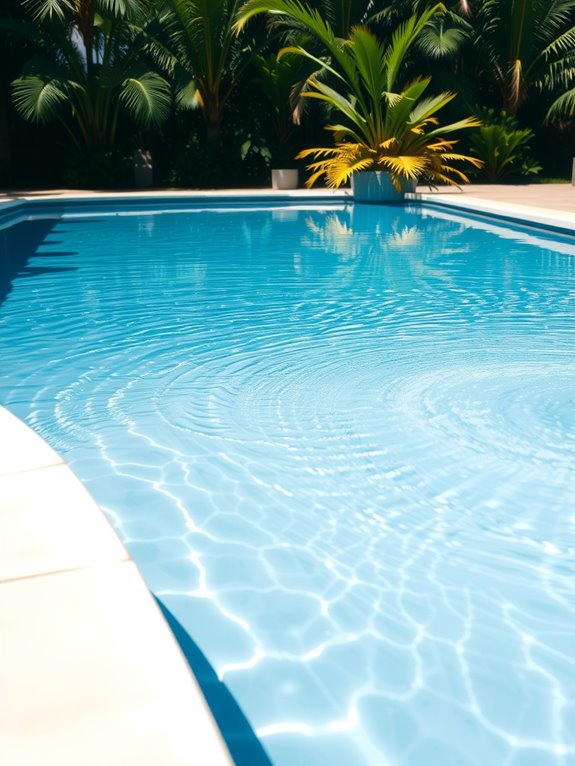
You’re wasting water and hurting your filter’s ability to work when you backwash too often. Over-backwashing removes the helpful layer of sediment that traps smaller particles, breaking down the very thing that makes your filter effective.
Instead of backwashing on a daily schedule, wait until the pressure gauge climbs 8–10 PSI above its normal clean reading. This approach saves water and keeps your filter running longer.
Here’s what happens: as your filter catches dirt and debris, the pressure inside gradually increases. That rise in pressure tells you when the filter actually needs cleaning, not the calendar. By paying attention to the gauge rather than following a fixed routine, you’re working with how the filter naturally operates instead of against it.
The sediment layer builds up over days or weeks depending on how dirty your water is. This buildup isn’t a problem—it’s actually helping. When you backwash too soon, you wash away that layer before it’s done its job, which means you’ll need to backwash again sooner next time. It becomes a wasteful cycle.
Check your pressure gauge once a week. Write down the clean reading when you first set up or clean your filter. Then as time passes, monitor how much it increases. When it hits that 8–10 PSI mark above your baseline, that’s your signal to backwash. In many cases, this might be every two to four weeks rather than every few days.
Wasting Water Resources
Why do so many pool owners backwash more often than necessary. You’re likely costing yourself money and shortening your filter’s lifespan without realizing it.
Each backwashing cycle dumps thousands of gallons down the drain. When you backwash beyond recommended frequency guidelines, you’re wasting water that adds up quickly on your utility bills.
Understanding the Real Costs
Unnecessary backwashing cycles mean thousands of gallons lost annually. Over a year, that can mean tens of thousands of gallons flowing straight to the sewer. Your filter pressure tells you exactly when action is needed. Wait until pressure rises 8–10 PSI above your baseline reading before backwashing. This simple measurement prevents guessing and stops waste.
Why Your Filter Needs a Break
Your filter works better when it holds trapped particles. Those particles help catch smaller debris, making the system more efficient. When you backwash prematurely, you remove beneficial material that your filter depends on. Your DE or sand filter loses lifespan faster when you interrupt this process. Stick to pressure readings rather than arbitrary schedules, and you’ll conserve water while keeping your equipment running longer and spending less on repairs.
Reducing Filter Efficiency
Backwashing too often sounds like good maintenance, but it actually damages your filter’s ability to work well. When you flush your system without needing to, you wash away the beneficial sediments that trap smaller particles. These settled layers have been building up in a specific order, and disrupting them breaks the balance that makes filtration work properly.
The better approach is to watch your pressure gauge instead of following a fixed schedule. Most experts recommend backwashing when your PSI rises 8–10 points above where it started. This method matches your backwashing to actual debris buildup rather than guessing.
Running extra cycles without real debris buildup causes two problems at once. Your filter loses pressure sensitivity, meaning it won’t tell you clearly when it actually needs cleaning. You’ll also waste energy running cycles that don’t improve how well the water gets filtered. By backwashing only when your PSI measurements tell you to, you protect your equipment from unnecessary strain and keep it working at its best performance level.
Does Backwashing Affect Pool Chemistry?
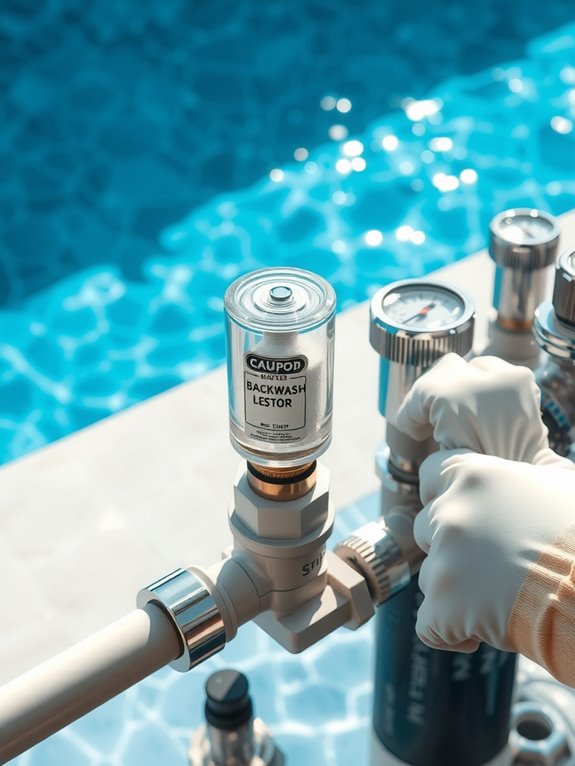
Does Backwashing Affect Pool Chemistry?
Backwashing won’t directly change your chemical levels, but it does have some side effects worth understanding. When you backwash too aggressively, you can temporarily dilute or remove chemicals that are already circulating through your pool.
Here’s what actually happens during backwashing:
How backwashing helps your chemistry
Removing debris restores your filter’s ability to work properly, which means water flows more evenly through the system. This supports better chemical distribution. The rinse step that follows flushes away loosened particles, making it easier to dose chemicals accurately and get reliable test results.
When backwashing causes problems
Doing it too often wastes water and wears down your filter media faster. This indirectly makes it harder to keep chemicals balanced over time. The real issue comes when you backwash so hard that you push water and dissolved chemicals right out of the system, especially if you let the process run longer than 3 to 5 minutes.
What to do after backwashing
Once your filter pressure drops back to normal levels, wait a few hours before retesting your pool. Check your sanitizer and pH to make sure they’re still in the right ranges. For most pools, chlorine should sit between 1 and 3 parts per million, and pH should be between 7.2 and 7.8. This quick follow-up habit keeps your water properly balanced and safe for swimming.
Seasonal Adjustments: Spring, Summer, Fall, Winter
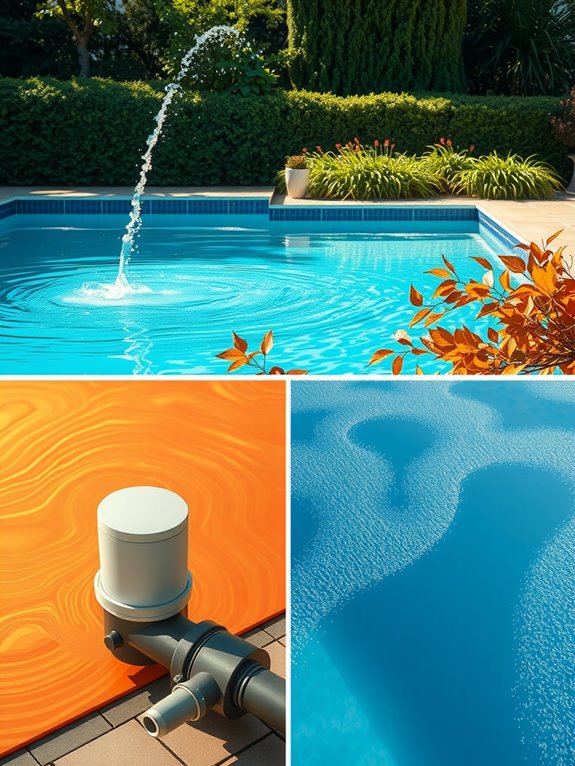
As spring arrives and plants bloom, more pollen and debris float into your pool. You’ll need to backwash more frequently during this season. Summer brings swimmers and heat, both of which kick up the debris load significantly. When pressure climbs 8–10 PSI above your starting level, that’s your signal to backwash. Fall requires attention after storms and leaf drop, since fallen leaves clog your filter quickly. Winter is different. You’ll backwash less often, but watch for pressure changes that tell you a cleaning is needed.
Spring Pollen And Debris
Spring’s arrival brings trees bursting with new growth, and that means your pool filter works harder than it does during winter months. Pollen and debris accumulate quickly during this season, clogging your filter faster than you might expect.
You’ll need to adjust your backwash routine to keep up. Monitor your pressure gauge closely and backwash when PSI climbs 8–10 points above your starting pressure. If pollen makes your pool look hazy, that’s another signal to backwash. Rather than waiting for pressure to spike, try running multiple quick backwashes instead of one long cycle. This approach conserves water while managing pollen buildup effectively.
After particularly heavy pollen days, run an extra backwash-and-rinse cycle. This flushes fine organic particles that regular filtration misses. The rinse cycle matters because it removes the smallest debris that can slip through your standard filter operation. By staying on top of this routine during spring, you maintain your filter’s performance and protect your investment from unnecessary strain.
Winter Shutdown Preparation Steps
Once pollen season winds down and temperatures start dropping, your focus shifts from managing spring debris to preparing your pool for months of cold weather. Getting your pool ready for winter takes several important tasks that protect your investment and make spring reopening simpler.
Start by performing a final backwash to clear accumulated debris from your filter. Check your filter pressure gauge after backwashing—it should return to its normal baseline reading. Next, reduce pump running time significantly or switch to a timer schedule that runs just a few hours daily. This cuts energy costs while preventing freeze damage to your pipes and equipment.
Drain all external hoses completely. Position every valve to its winter setting, which typically means closing main drain valves and opening any freeze relief valves your system has. Disconnect automated cleaners, wall brushes, and other non-essential equipment so they won’t get damaged by ice or freezing temperatures. A solid pool cover reduces debris accumulation by roughly 75 percent over the winter months, which means you’ll need fewer chemical adjustments when spring arrives.
This seasonal maintenance routine keeps your equipment safe through the cold months. Spring reopening becomes straightforward when you’ve completed these steps properly.
Signs Your Filter Needs Replacement, Not Just Backwashing
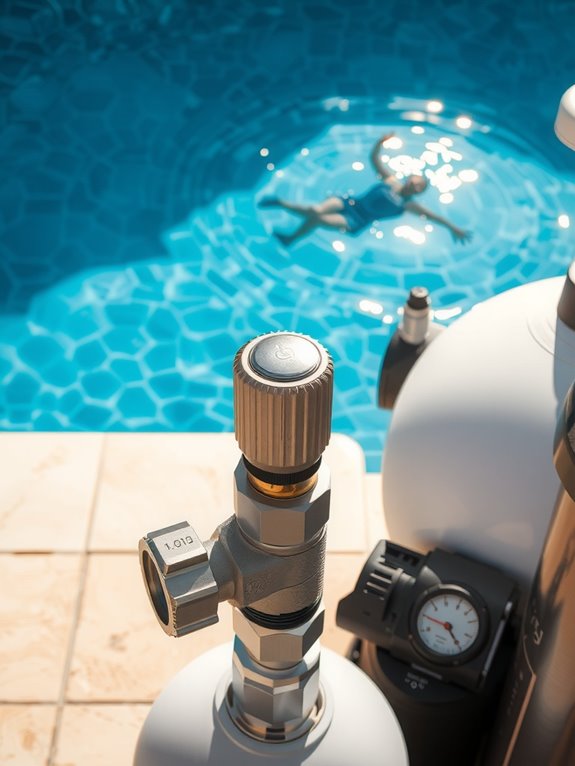
Your pool stays cloudy even though you’ve been backwashing regularly. That’s frustrating, and it usually means something more serious is happening inside your filter system.
Reading the Warning Signs
Start by watching your pressure gauge. When the reading climbs 8–10 PSI above what it was when the filter was clean, and backwashing doesn’t bring it back down, you’re looking at a problem that routine maintenance won’t fix. This pressure buildup tells you the filter media itself is wearing out.
Look at your water quality too. If you see cloudy water, debris coming back into the pool, or visible sand loss in sand filters, your filter media is breaking down. Weak return jets and poor water circulation that stick around even after you’ve done a complete backwash-and-rinse cycle point to the same issue.
Different Filters, Different Problems
DE filters that need backwashing more and more often have deteriorating grids inside. You’ll notice you’re backwashing every few days instead of weekly. Sand filters can develop channels—grooves that water rushes through without actually filtering—and this channeling won’t respond to adjusting how often you backwash. The sand itself may break down into smaller pieces that slip through the laterals at the bottom.
When you’ve tried increasing backwash frequency and the water still doesn’t clear, replacement is your next step. The filter media has simply reached the end of its useful life.