How Tall Should a Horse Fence Be
Most riding horses need a fence between 54 and 60 inches tall—roughly 4.5 to 5 feet—to stay safely contained. Ponies require around 48 inches. Jumpers and larger breeds often need 60 inches or taller.
Your horse’s breed, jumping ability, and temperament matter just as much as height. A calm 15-hand quarter horse might be fine with 54 inches, while an athletic thoroughbred with a history of jumping out needs the full 60 inches or more.
Before you build, check your local regulations and insurance requirements. Many areas set minimum fence heights, and your homeowner’s policy might have specific demands. These rules exist because a horse that escapes poses a danger to itself and to neighbors. Taking time to verify requirements now saves you from rebuilding later.
Think about your horse’s future too. A young horse grows, and a calm horse might become more adventurous as it matures. Building with extra height from the start costs little more than rebuilding to add height in a few years. Wood boards, vinyl panels, and metal rails all work at standard heights. The material you choose affects visibility—your horse needs to see the fence clearly to respect it—and durability over 10 to 15 years of weather and wear.
The right fence height balances safety, visibility, and cost while accounting for your horse’s growth and behavior patterns.
How Tall Should Your Horse Fence Be: A Quick Answer
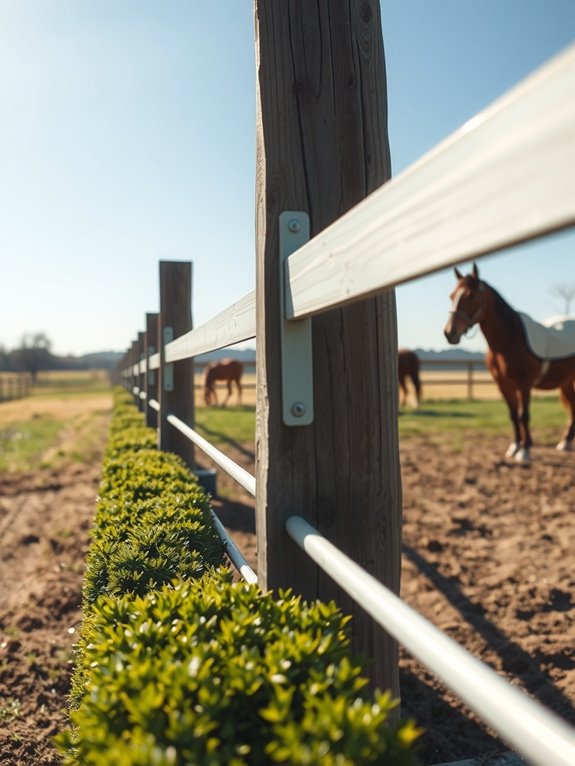
When you’re planning a horse fence, the height matters more than you might think. For most riding horses, aim for a fence between 54 and 60 inches—that’s roughly 4.5 to 5 feet. Ponies need less, around 48 inches, while larger or jumping horses often require the full 60 inches or higher.
The real work is finding the right balance between safety and practicality. Your goal is to prevent your horse from leaning over or attempting to jump out. If your horse has tall withers, position your top rail around 52 to 54 inches to help prevent dangerous overbars or flipping.
Before you build, check your local regulations. Some areas require higher fences than others, and you’ll want to know what’s required in your area before you start construction.
Recommended Fence Height for Different Horse Types
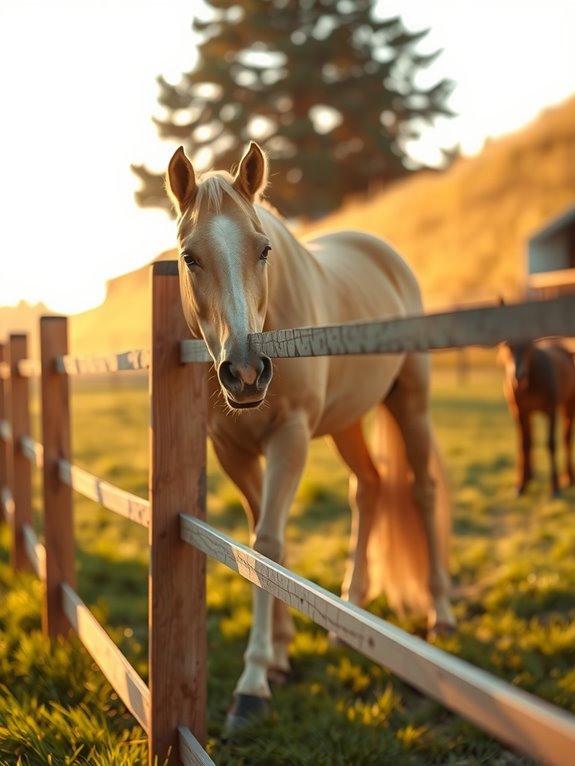
Your horse’s size, breed, and temperament determine the right fence height for safety and containment. The goal is matching the barrier to your specific animal rather than using a one-size-fits-all approach.
Ponies and small horses typically need about 48 inches of fencing. This height accounts for their shorter stature and moderate jumping ability. If you own a standard riding horse, plan for 54–60 inches to match their wither heights and prevent escapes. These measurements work because most average horses cannot comfortably clear barriers at this height, even when motivated to jump.
Jumpers and large horses present a different challenge. These athletic animals can clear lower obstacles with little effort, so aim for 60 inches or taller. A tall or heavier horse, in particular, responds well to fencing at the upper end of this range. Higher fencing discourages jumping attempts and reduces the injury risks that come with horses testing their boundaries.
The practical balance matters here. Taller fencing costs more money and takes longer to install than shorter options. However, spending extra upfront on proper height prevents the cost and stress of dealing with escape attempts, injuries, or lost animals. Matching your fence height to your horse’s actual characteristics keeps your animal safe while staying within reasonable budget limits.
Why Fence Height Matters for Safety and Containment
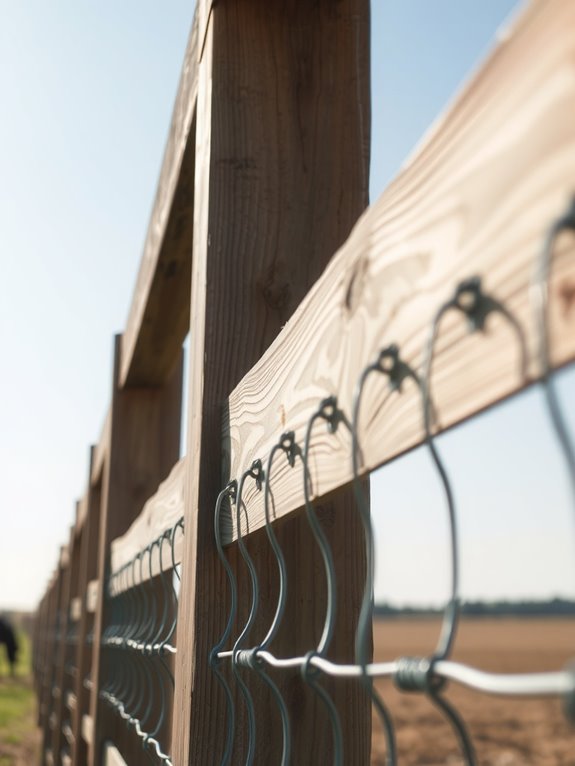
Choosing the right fence height affects both your horse’s safety and your peace of mind. When you install a fence at the proper height, you reduce the chance of injury from your horse leaning against it or attempting to jump over it. A horse that can’t escape won’t hurt itself trying to clear a barrier that’s too low.
Think about what happens when a horse feels confined by an inadequate fence. It may rear up, jump repeatedly, or lean hard against the rails—all behaviors that risk broken legs, cuts, and muscle strain. A fence that’s tall enough discourages these attempts before they start.
Beyond your own property, proper containment protects your neighborhood. A loose horse can wander onto roads, into neighboring yards, or near other animals. You avoid the stress and danger of searching for and retrieving an escaped horse, plus you prevent potential damage to nearby properties.
The right height depends on your horse’s size and jumping ability. Ponies typically need fences around 48 inches tall, while horses used for jumping should have fences at 60 inches. Standard riding horses fall somewhere in between, usually 54 to 56 inches. If you’re unsure about your horse’s athletic ability, it’s better to go slightly taller. A fence that’s 2 inches too high causes no problems, but a fence that’s too low invites escape attempts.
Installing proper fence height is a straightforward decision that protects your animal from injury and keeps your horse where it belongs.
What Factors Actually Determine the Right Height?
What Factors Actually Determine the Right Height?
Start by looking at your horse’s breed and athletic ability. Larger breeds and naturally athletic horses need taller fencing because they can jump higher and cover more ground. A draft horse might be contained by a 4-foot fence, while a thoroughbred or warmblood could easily clear that height during training or when startled.
Check your local regulations and insurance requirements before you build. Different areas have different rules, and your insurance company might specify a minimum height for liability coverage. A quick call to your local agricultural extension office or your insurance agent takes just a few minutes and can save you from costly mistakes later.
Consider what your horses will actually do in that space. Pasture turnout needs different fencing than a jumping arena. A young horse’s behavior can shift dramatically as it matures, so a fence that works now might need adjusting in two or three years. Think honestly about how much time you’ll spend supervising and whether your horses will have access to trees, structures, or anything else they might use to escape or injure themselves.
Breed Size And Jumping
Your horse’s breed and jumping ability determine the right fence height for safe containment. Start by measuring your horse’s height at the shoulder, then add a few inches for safety margin.
Smaller ponies and horses do well with 48-inch fences. Taller breeds need at least 54 inches. If you have large jumpers or athletic horses with strong jumping skills, consider going to 60 inches or higher. Athletic horses pose a real jump risk, so matching your fence height to what your horse can actually do matters.
Think beyond your current situation. Plan for growth. If you’re adding more horses later, or if your horse develops stronger jumping abilities over the next year or two, build your fence accordingly. The safest approach is sizing your fence for your tallest horse and accounting for any future changes in your group. This way, you won’t need to rebuild later.
Local Regulations And Insurance
Two often-overlooked factors shape your fence height decision: local regulations and insurance requirements. Start by checking your municipal or county zoning codes. These documents spell out minimum or maximum height standards for livestock enclosures in your area. At the same time, pull out your insurance policy and look for herd-specific endorsements. Many insurers require adequate fencing heights—typically 4 to 6 feet depending on animal type—to reduce escape and injury risks.
These requirements usually point in the same direction. Sometimes, though, they conflict. When that happens, pick whichever standard is higher. This approach protects you both legally and with your insurance company. One farmer I know discovered her county allowed 5-foot fencing, but her insurer required 5.5 feet for cattle. She went with the 5.5-foot option and avoided headaches down the line.
Look ahead too. Your herd might grow, or you might add different animals later. A height that works today should still meet regulations and insurance standards in three to five years. If you’re starting with goats but considering sheep in two years, factor that into your initial choice now rather than rebuilding fences sooner than necessary.
Supervision And Activity Levels
Your horse’s energy level and how closely you watch them matter just as much as their breed or size when deciding on fence height. What you actually need depends on supervision and activity level more than anything else.
Think about these factors:
- High-energy horses need 60 inches (1.52 m) or taller because they constantly test boundaries and look for escape routes
- Lower-activity horses under close watch can work with 54 inches (1.37 m) since they stay calmer and move around less
- Pasture environments need taller fences than small paddocks where you can see your horse from the barn
- Future behavior changes mean adding extra height now rather than rebuilding later
Horses that run and play constantly behave differently than calm animals in small spaces. A young horse full of energy might seem fine with a 54-inch fence today, but in two years when that same horse is more settled, you’ll be glad you built it taller from the start. Balance what you spend upfront against keeping your horse safe for years to come. Plan for the horse your animal might become, not just the one standing in front of you now.
Can Your Horse Jump Over a Standard Fence?
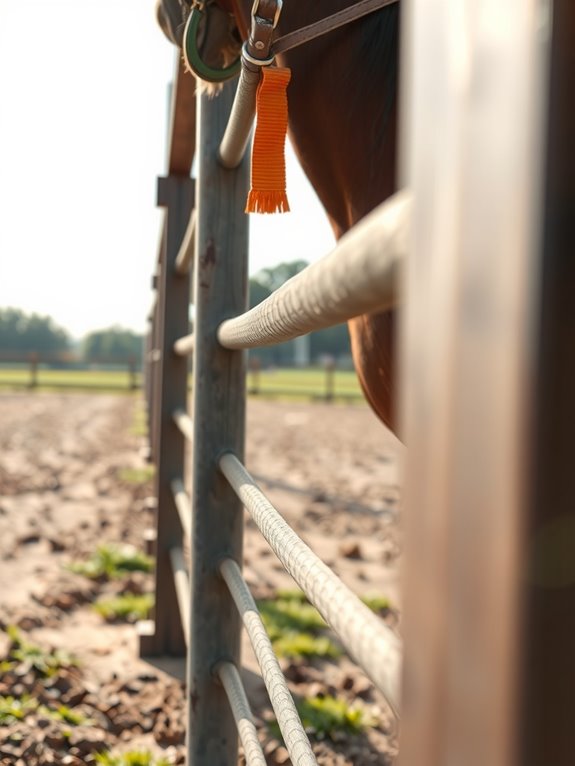
Your horse’s jumping ability determines whether a standard fence will actually contain them. Athletic breeds and spirited horses can clear 4-foot fences with ease. Some high-energy jumpers might sail over heights up to 5 feet.
Before you settle on a fence height, assess your horse honestly. Consider both their athleticism and temperament. A horse that’s naturally athletic but calm might need a different fence than one that’s energetic and bold.
Knowing your specific horse’s breed tendencies matters. Some breeds, like Thoroughbreds and Warmbloods, tend to be natural jumpers. Others are less inclined to jump. Individual personality matters just as much as breed type, though. A lazy Thoroughbred might not attempt a jump that an ambitious Quarter Horse would clear.
The goal is to choose a fence height that keeps your horse safely contained rather than discovering too late that they’ve found an escape route. A 4-foot fence works well for most horses. If your horse has shown jumping ability or high-strung behavior, you might need to go up to 5 feet or consider adding a second fence line a few feet behind the first.
Athletic Horse Jumping Ability
If you have an athletic or spirited horse, standard four-foot fencing might not be enough to keep them safely contained. Your horse’s jumping ability directly impacts the fence height you’ll need. Some athletic horses can clear four-foot barriers with ease, creating escape risks worth preventing.
When evaluating your horse’s jumping ability, consider these factors:
- Natural athleticism and breed characteristics
- Age and physical conditioning
- Temperament and tendency toward escape attempts
- Training level and past jumping experience
Many experienced owners recommend five-foot fencing for athletic jumpers. This taller option reduces overreach incidents and provides better containment. Even horses with average jumping ability occasionally surprise you with unexpected jumps, so planning ahead prevents costly escapes and keeps your horse secure on your property.
Breed-Specific Escape Risks
Can certain horse breeds really clear a standard four-foot fence. Yes. Some athletic horses routinely jump over 4-foot barriers, which means you’ll need to address containment carefully.
Your horse’s breed significantly influences jumping ability. Jumpers and spirited breeds possess natural athleticism that makes standard fencing inadequate for containment. Large breeds present particular challenges because they can clear heights that seem impossible for their size. Their combination of power and reach extends their escape risk considerably.
A calm, lower-energy horse poses minimal escape risk at 48 inches. However, if you own a jumper or large breed, you’ll need 60 inches (5 feet) for safer containment. This fence height accounts for their natural jumping ability and reduces the likelihood of costly escapes. Matching your fence height to your horse’s breed keeps them contained reliably.
Match Your Top Rail to Your Horse’s Withers
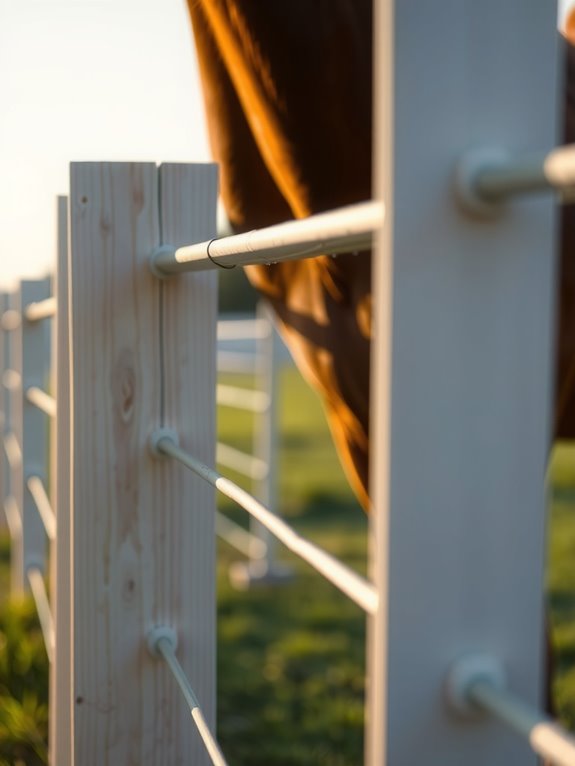
Your horse’s withers—that ridge where the neck meets the shoulders—act as your measuring point for proper fence height. This matters because the right height keeps your horse safe and makes your fence actually work.
Your horse’s withers are the key measuring point for proper fence height—ensuring safety and effectiveness.
Understanding Withers-Based Positioning
The withers give you a reliable reference because horses naturally perceive fences at this level. When your top rail sits near wither height, your horse sees a legitimate obstacle without feeling trapped or overly confined.
Different horses need different heights. Average horses typically need 52 to 54 inches, which lines up naturally with their withers. Larger breeds and horses trained for jumping require 60 inches or higher to prevent them from leaping over. Ponies need around 48 inches for proper containment.
Why This Positioning Works
When the top rail matches wither height, you create both a physical and psychological barrier. Your horse is less likely to attempt jumping because the fence feels like a real obstacle. The positioning also reduces the chance of a horse flipping over the fence while maintaining enough visibility that the horse doesn’t feel boxed in. Installing and maintaining a fence at this height also stays practical—you’re not building something unusually tall or awkward to work with.
Pasture vs. Paddock: Do You Need Different Heights?
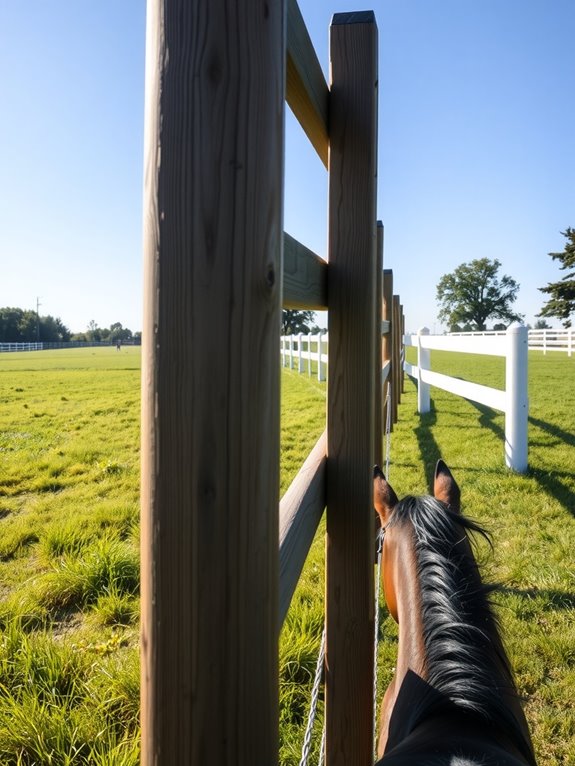
Pasture vs. Paddock: Do You Need Different Heights?
Your pasture and paddock don’t need matching fence heights. In fact, they probably shouldn’t be the same.
Pastures require taller fencing, usually 54–60 inches high. Horses in pastures run freely and jump during play without close supervision. That extra height stops them from escaping during moments of high energy. A paddock, on the other hand, can be shorter because you check on the horses more often and they spend limited time there. When you’re watching them frequently, the jumping risk drops significantly.
Your specific situation matters here. If your horses are athletic or anxious, aim for the taller height in both areas. Local rules and insurance requirements might set minimum heights you need to follow. Think about how you manage your horses day-to-day. Pastures need height because horses there are active and mostly unsupervised. Paddocks prioritize easier daily access and the ability to check on horses regularly. Match your fence height to how you actually manage your animals and how they typically behave.
Why Your Fence Material and Design Matter
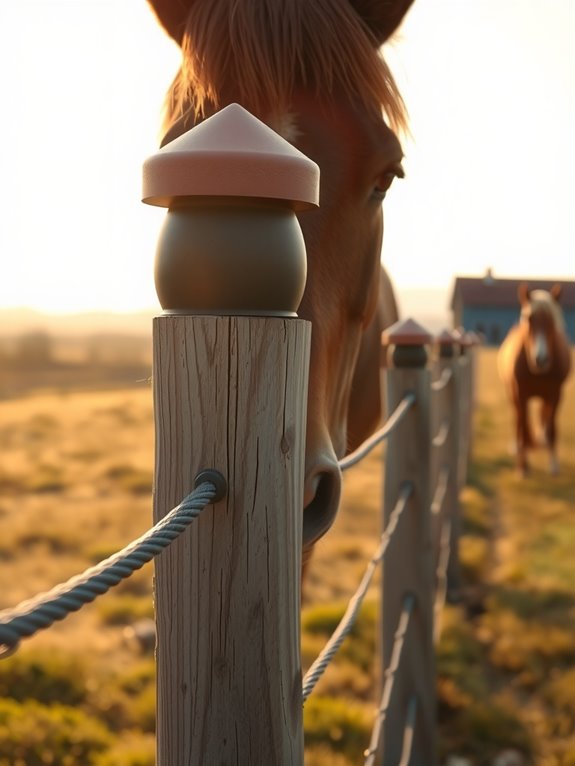
Now that you’ve figured out the right height for your pasture or paddock, it’s time to pick materials that’ll actually keep your horses safe.
Your material choices directly impact how well your fence works. Consider these key factors:
Visibility matters greatly. Wire fencing becomes nearly invisible to horses, creating dangerous situations where they don’t see the boundary until they hit it. Boards or added materials like vinyl tape improve sightlines significantly. A horse needs to recognize the fence exists, and solid materials help with that basic requirement.
Rail spacing prevents entrapment. Keep gaps under 12 inches to stop hooves and heads from getting caught between rails. A standard horse hoof is about 4 to 5 inches wide, so spacing at 10 or 11 inches gives you a safety margin without gaps large enough to trap a leg or head.
Durability affects long-term safety. Stronger materials maintain proper fence height over time without sagging or shifting. Wood can last 10 to 15 years with maintenance, while vinyl or composite materials often last 20 years or longer. As materials weaken, they sag downward, eventually dropping below the 4.5-foot minimum height that keeps most horses contained.
Maintenance requirements influence reliability. Regular inspections every few weeks catch damage before it compromises your horse’s safety. Walk your fence line after storms or seasonal changes, looking for loose boards, bent rails, or posts that have shifted.
Your fence material choice shapes how your horses perceive and interact with boundaries. Solid, visible materials paired with appropriate fence height create the safest environment for your herd.
Plan Ahead: Future-Proofing Your Fence Height
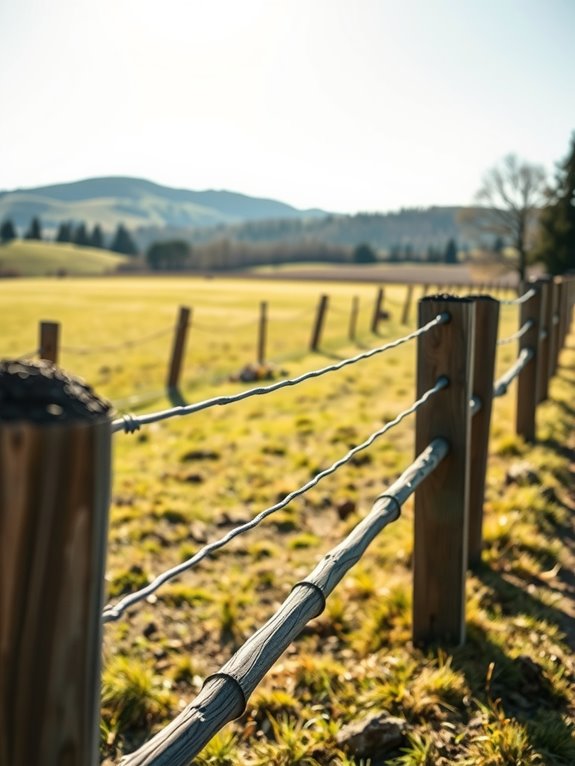
Think about what your property will look like in five or ten years. Before you install fencing, ask yourself whether you might add taller horses, jumpers, or different breeds down the road. Fence height is an investment, and changing it later costs real money.
Start by considering your long-term plans now. If you currently own ponies but think you might get larger horses eventually, build taller fencing from the beginning. Most riding horses need 54–60 inches of height. Jumpers and bigger breeds require 60 inches or higher. You’ll also want to check your local laws and insurance requirements, since these rules will shape what you can build.
Customizable multi-rail systems give you flexibility as your needs change over time. This approach protects your investment by letting you adjust the height without starting completely over.