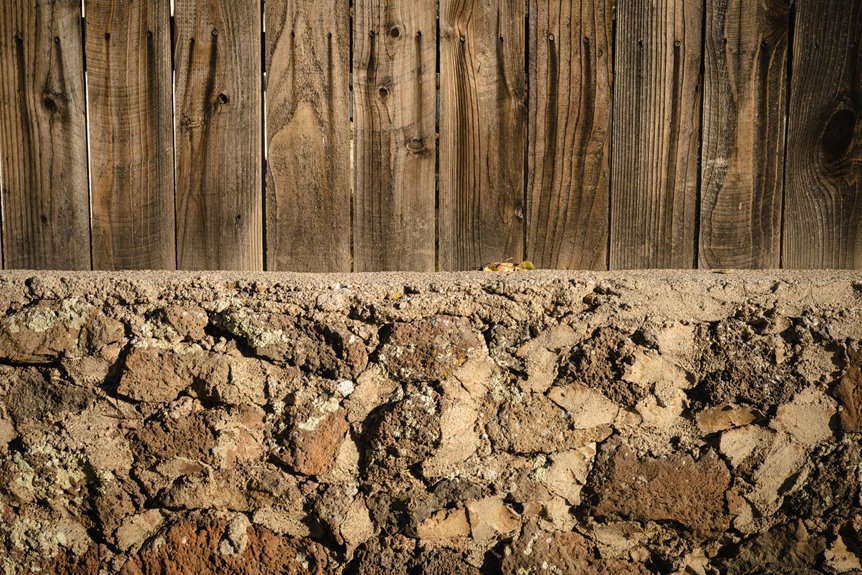
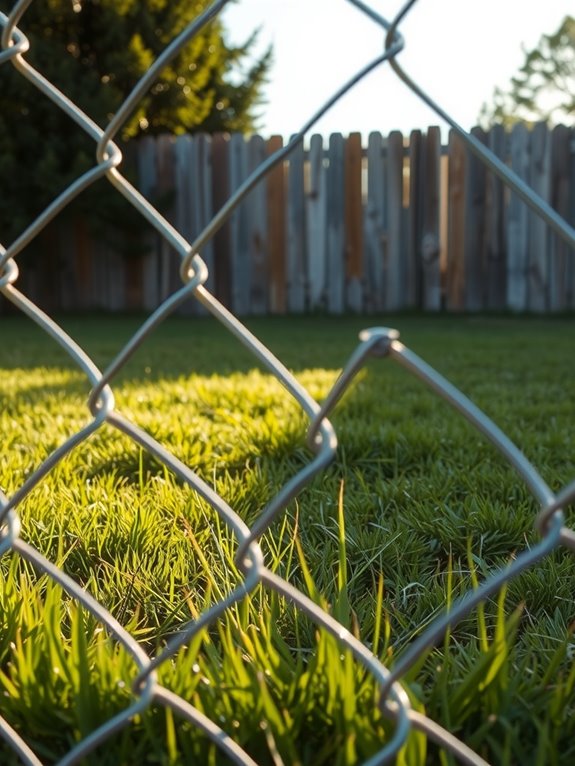
Chain link costs $10–$30 per linear foot while wood runs $15–$60 per linear foot. That price difference adds up quickly when you’re buying materials for even a modest backyard fence.
The real money you save happens over time. Wood demands constant attention. You’ll need to stain it every two years, replace damaged boards as they rot, and repair sections where weather has taken its toll. Chain link, by contrast, requires minimal upkeep. You might rinse it down occasionally, but that’s about it.
Lifespan matters when you’re thinking about long-term costs. A chain link fence lasts 25–30 years with basic care. Wood typically needs replacement every 15–20 years, which means you’re looking at a major project sooner than you’d like.
When repairs do happen, the costs differ significantly. Fixing a damaged chain link section runs $150–$300. Wood repairs for the same size section cost $400–$800 because replacing boards and treating new wood takes more labor and materials.
Even if you decide to expand your fence later, chain link remains the budget-friendly option. Adding sections is straightforward and inexpensive compared to matching wood that may have aged differently or become harder to source.
The gap between these two materials widens the longer you own your fence. Over 20 or 30 years, chain link’s combination of lower upfront cost and minimal maintenance saves you thousands of dollars compared to dealing with wood’s rot, weathering, and regular repairs.
Material Costs: Chain Link Runs $10–$30 Per Linear Foot vs. Wood at $15–$60
Why does chain link cost less than wood? The material prices tell the story. Chain link runs $10 to $30 per linear foot, while wood fencing ranges from $15 to $60. That’s a real difference before you even pay someone to install it.
Installation labor adds another layer. Chain link typically costs $5 to $15 per foot to install, while wood generally runs higher. The combination means your total bill stays lower from the start. You can pick galvanized or vinyl-coated chain link finishes that protect against rust and weather without adding much to the price.
The bigger advantage shows up over several years. Chain link goes up faster because the installation method is straightforward. Workers don’t need to set posts as deep or space them as carefully as wood requires. This means the job takes fewer days and costs less in labor.
Wood demands attention after installation. You’ll need to stain or seal it every two to three years, depending on your climate. Damaged boards require replacement. Rotted posts need repairs. Chain link sits there and does its job. You might rinse it off occasionally, but that’s about it. The money you save on maintenance adds up quickly—often hundreds of dollars over a ten-year period.
Installation Takes Half the Time (and Less Skill) With Chain Link’s Modular Design
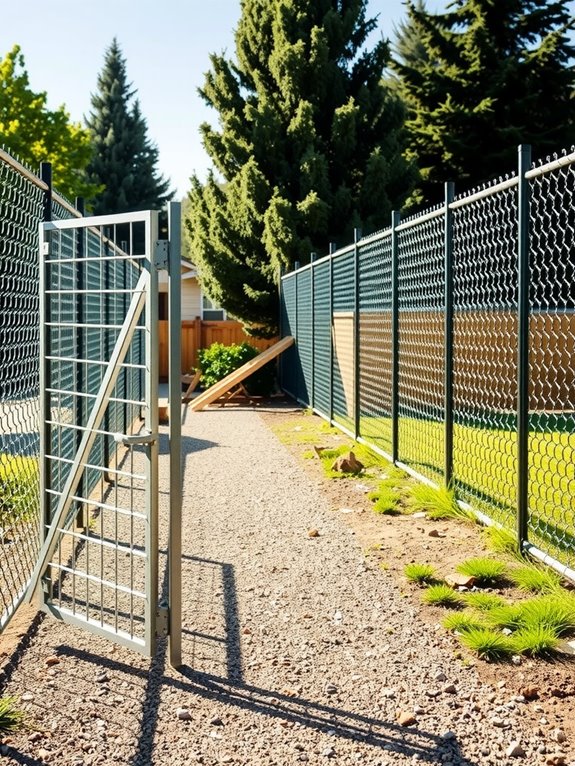
Speed matters when you’re paying someone by the hour. Chain link’s modular design gives you a real advantage over wood because the process is straightforward. You unroll the fencing, attach it to posts, and you’re done. No intricate framing or board-by-board assembly required.
This simplicity cuts installation time roughly in half compared to wood fences. A typical wood fence might take a professional crew three to four days to install, while chain link on the same property usually takes one and a half to two days.
The labor savings are substantial. Chain link typically costs $10 to $40 per linear foot for both materials and labor combined. Wood demands more intensive work because each board needs measuring, cutting, and fastening individually.
Fewer specialized tools mean lower skill requirements, making DIY projects genuinely feasible for homeowners. You don’t need a table saw or specialized measuring equipment. The standardized components eliminate custom cuts and complicated calculations. Whether you hire professionals or tackle the work yourself, the straightforward process directly reduces your total costs without sacrificing quality or durability.
Chain Link Needs Almost No Maintenance (Wood Demands Constant Work)
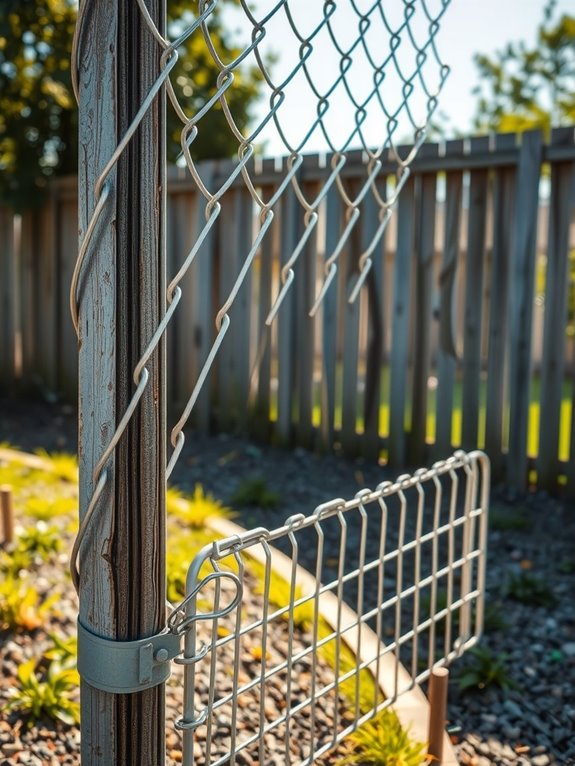
Chain link fences need very little work to keep them in good shape. You’ll spend time tightening bolts and rinsing off dirt maybe once or twice a year, but that’s about it. Wood fences are different. They need staining every two to three years, sealing to keep water out, and replacing boards when rot sets in.
The cost difference adds up over time. A wood fence might need $300 to $500 in treatment work every few years. Chain link rarely costs more than $50 to $100 annually for basic maintenance. Over 20 to 30 years, you could spend $3,000 to $5,000 keeping a wood fence protected. A chain link fence might only need $1,000 to $1,500 in total upkeep during that same period.
Think about what maintenance actually means for each type. With chain link, you’re watching for loose connections and surface rust spots. With wood, you’re fighting against weather damage as your main job. Rain soaks into the wood. Sun cracks the surface. Wind loosens fasteners. Each season brings new problems that need attention.
A well-maintained chain link fence will last 25 to 35 years with minimal effort. A wood fence typically lasts 15 to 20 years even with regular care. If you want a fence that doesn’t demand much of your time or money, chain link is the simpler choice.
Minimal Upkeep Requirements
How Much Time Will You Actually Spend on Maintenance Each Year?
Chain link fences require far less work than wood fences. With a galvanized coating, chain link resists rust and corrosion naturally. Your annual tasks boil down to tightening a few bolts and rinsing away dirt buildup. Wood fences, by contrast, demand staining every two years, board replacement every three to five years, and constant attention to rot and rust concerns.
| Task | Chain Link | Wood Fence |
|---|---|---|
| Annual Cleaning | 2-3 hours | 8-10 hours |
| Staining/Sealing | Never | Every 2 years |
| Board Replacement | None | Every 3-5 years |
| Rust Treatment | Occasional | Constant concern |
| Long-term Costs | Lower | Higher |
Over 20 to 30 years, this difference compounds significantly. Chain link’s durability means you spend less money replacing damaged sections and less time on upkeep tasks. If you prefer a fence that runs quietly in the background without demanding your weekends, chain link delivers that straightforward approach.
Wood’s Ongoing Treatment Costs
Think about the wood fence in your neighbor’s yard. Chances are, it needs something done to it right now. Every single year, you’ll need to stain or seal it. This protective coating keeps moisture and sun damage from breaking down the wood fibers.
Here’s what the timeline looks like. In year one, you apply your first coat of stain or sealant. By year two or three, that coating starts wearing thin in spots where the sun hits hardest. You’ll notice gray weathering on exposed boards. At this point, you sand those areas and reapply the treatment. Over a 10-year period, you’re looking at four to five full applications, plus spot treatments in between.
The cost adds up steadily. A gallon of quality wood stain runs about 30 to 50 dollars and covers roughly 400 square feet. For a 200-foot fence that’s 6 feet tall, you need multiple gallons each time. Add in your labor hours or contractor fees, and annual maintenance can cost 300 to 800 dollars depending on fence size and condition.
Without this work, your wood deteriorates quickly. Rot sets in where moisture collects at the base. Insects tunnel through unprotected boards. Before long, you’re replacing individual sections at 15 to 25 dollars per linear foot.
Chain link fences skip this burden entirely. You won’t spend money on staining, sealing, or protective treatments. Occasional rinses with a hose keep them clean. Your yearly upkeep stays minimal, usually just checking for rust spots on lower sections and straightening any bent sections that take wind damage.
Long-Term Durability Comparison
Why does a chain link fence still stand strong after 25 years while your neighbor’s wood fence crumbles after 15? The answer comes down to how long each material actually lasts and what you need to do to keep it going.
Chain link typically lasts 20 to 30 years. Wood usually gives you 10 to 20 years before problems start. That’s a real difference when you’re thinking about your money over time.
The reason for this gap matters. Galvanized or vinyl-coated chain link resists rust naturally. You’ll only need to tighten bolts now and then—maybe once every few years. Wood needs constant attention. You have to treat it regularly against rot and insects, sometimes every two to three years depending on your climate.
When damage does happen, fixing chain link costs less. A damaged section might run you $200 to $400 to replace. Wood repairs, especially if rot spreads, can easily cost $1,000 or more. Over 25 years, these repair costs add up quickly with wood, while chain link stays relatively affordable to maintain.
Think of it this way: you’re choosing between a fence that requires occasional maintenance over three decades, or one that demands consistent work and bigger repair bills. The math favors chain link for long-term household budgets.
Chain Link Lasts Longer With Far Fewer Repairs
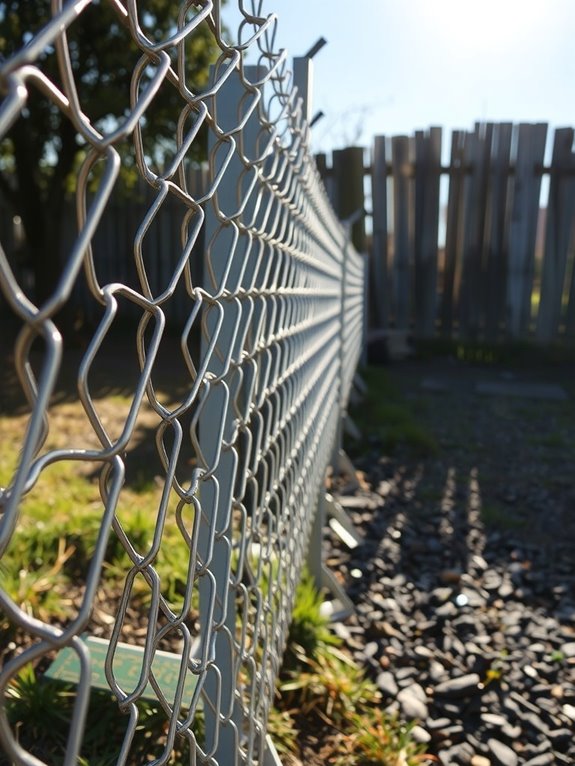
Chain link fences last 20 to 30 years before needing replacement. Wood fences typically last 15 to 20 years, which means you’d be replacing them roughly a decade sooner. When you compare the two side by side, that’s a significant difference in how long your investment actually stays in the ground.
Damage happens to both types of fences, but repairs tell a different story. With chain link, you’re replacing individual sections—a straightforward job that costs less. With wood, you need new boards and the labor to install them, which adds up quickly. One section of chain link might run you $50 to $150 depending on size, while wooden board replacement can easily reach $300 to $500 or more for the same area, including installation.
Over 20 or 30 years, these repair costs stack up. You’re not constantly calling a contractor or digging into your budget for fixes. With chain link, maintenance stays manageable and affordable, so your money goes toward other things instead.
Durability Reduces Replacement Costs
Chain link fences last considerably longer than wood fences, which means you’ll spend less money replacing them over the years. Galvanized vinyl-coated chain link typically lasts 25 to 30 years or longer with minimal upkeep, while wood deteriorates within 15 to 20 years.
| Aspect | Chain Link | Wood |
|---|---|---|
| Life Expectancy | 25-30+ years | 15-20 years |
| Rust Protection | Excellent | Poor |
| Rot Risk | Minimal | High |
| Repair Costs | Lower | Higher |
| Weather Resistance | Superior | Vulnerable |
The financial advantage becomes clear when you calculate long-term costs. A wooden fence installed today will likely need replacement in about two decades. During that time, you’ll handle rot damage, insect problems, and weather-related repairs that add up quickly. Chain link, by contrast, handles weather without the same deterioration. When damage does occur, you can replace individual sections affordably rather than rebuilding large portions of fence. Over 30 years, those smaller, targeted repairs cost far less than the cycle of wood fence decline and replacement that repeats every 15 to 20 years.
Minimal Maintenance Requirements
Minimal Maintenance Requirements
Chain link fences need far less upkeep than wood. You’ll spend less time and money keeping your fence in good working condition.
What You’ll Actually Do
Your main task is checking bolts occasionally to keep everything tight and secure. Most chain link fences need this kind of attention maybe twice a year, depending on how much wind and weather they face. Rust repairs happen rarely, even in humid climates where moisture sits on metal surfaces. When rust does appear, you can treat it with a wire brush and a rust-preventative spray—a simple job that takes an afternoon.
Unlike wood fences that need staining every two to three years, chain link requires no staining or sealing. The galvanized coating on the metal resists rain, sun, and snow on its own. When a section gets damaged, you can replace just that part without calling a professional. A damaged 4-foot section might cost $50 to $100 in materials, and you can swap it out in an hour or two.
The Long-Term Picture
A well-maintained chain link fence can last 15 to 20 years before needing major work. Over that span, your maintenance costs stay low because you’re not replacing rotted boards or repainting every few years. A wood fence of similar size might need $500 to $1,000 in repairs over the same period. Your chain link fence simply works without constant attention weighing on your budget.
Chain Link Won’t Warp Like Wood, So Repairs Are Rare
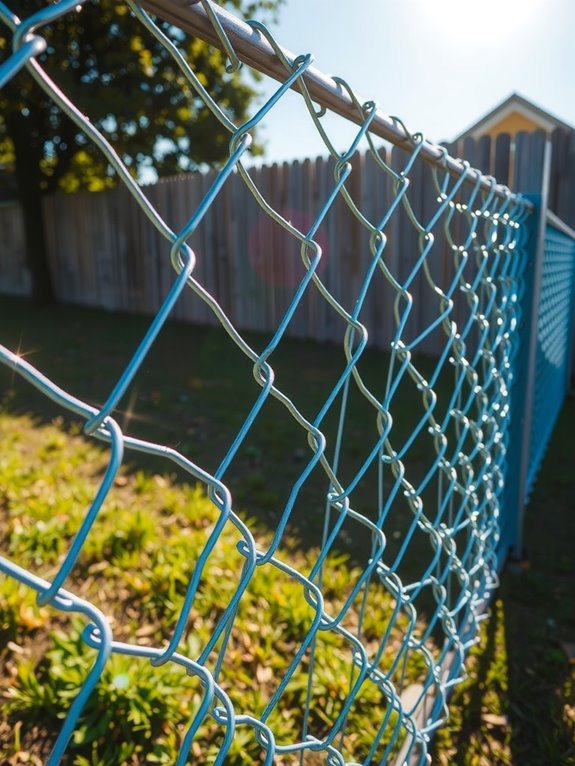
Why Chain Link Stays Strong Without Warping
Wood and chain link respond very differently to moisture. When water soaks into wood, the fibers swell and shrink as they dry, creating splits and cracks. This happens repeatedly with seasonal changes. Chain link—whether vinyl-coated or galvanized steel—doesn’t absorb water, so it avoids this problem altogether.
What This Means for Your Maintenance Schedule
A wood fence typically needs board replacements and resealing every 3 to 5 years. You’ll spend weekends patching rot spots and applying new sealant to keep the wood protected. Chain link requires something different. Instead of replacing damaged sections, you’re tightening bolts or occasionally swapping out a small damaged panel. These tasks take an afternoon rather than a full weekend project.
The Long-Term Cost Picture
Over 20 years, wood fence maintenance adds up quickly. Single board replacements cost $30 to $75 per board, and a typical fence might need 4 to 8 replacements over two decades. Professional resealing runs $500 to $1,500 per application. Chain link avoids rot and insect damage naturally because metal doesn’t decay like wood does. Your main costs become occasional bolt tightening and rare panel repairs. This difference means your chain link fence costs significantly less to own over time, making it the more practical choice if you want a fence that requires minimal attention.
Galvanized Chain Link Matches Cedar’s Look at Lower Cost
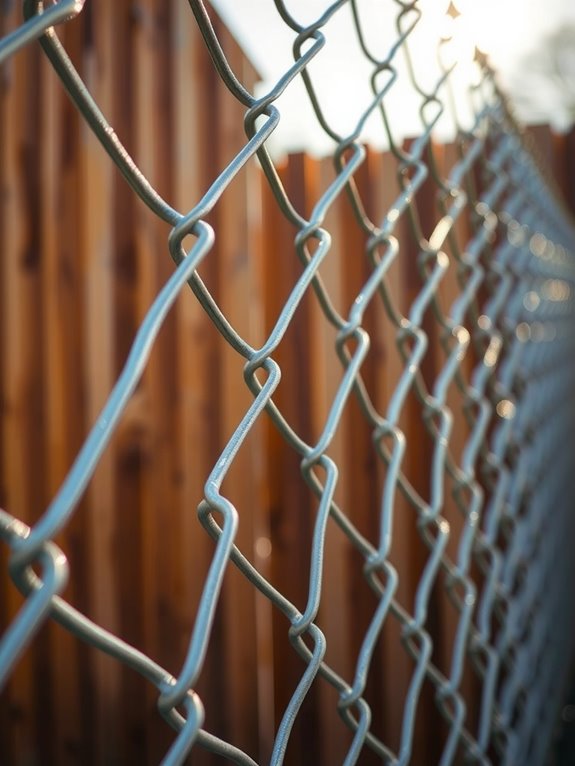
What makes galvanized chain link appealing to homeowners watching their budget. You’re getting a cedar alternative that delivers similar looks without the higher price.
Understanding the cost comparison
Galvanized chain link costs less than cedar while offering comparable appearance. A typical 4-foot-high galvanized chain link fence runs about $8-12 per linear foot for materials, while cedar fencing ranges from $15-25 per linear foot. The galvanized finish gives you that warm, natural tone cedar provides.
Galvanized chain link fencing costs $8-12 per linear foot—half the price of cedar—while delivering comparable warmth and appearance.
If you want extra weather protection, vinyl-coated chain link adds a layer of defense against rust. Installation for galvanized chain link typically costs $5-8 per linear foot, compared to $10-15 per linear foot for cedar. These numbers shift based on your location and terrain, but the savings pattern remains consistent.
The maintenance reality
Cedar requires regular work. You’ll need to stain or seal it every 2-3 years, and you’ll replace individual boards when they rot—usually every 5-10 years depending on climate. Galvanized surfaces resist rust and decay without this upkeep. You won’t deal with warping, splintering, or the labor of refinishing.
Plan to spend roughly $100-200 annually maintaining cedar on a 100-foot fence. Galvanized chain link requires occasional rinsing and inspection for damage, costing little to nothing over that same period.
Long-term thinking
A galvanized chain link fence typically lasts 15-20 years with minimal repairs. Cedar often needs replacement sooner. You invest less upfront and less over time, making this a practical choice when budget matters.
Adding or Fixing a Chain Link Fence Costs Less Than Wood
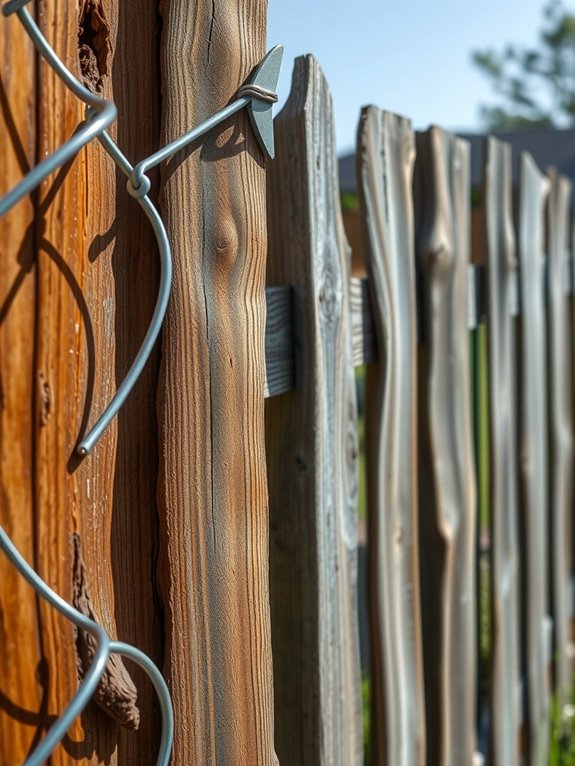
When you need to repair or extend your fence, chain link offers a real advantage over wood because it costs less to fix and expand. Replacement parts for chain link are affordable, and you can install them yourself or hire help for straightforward work.
| Task | Chain Link | Wood |
|---|---|---|
| Replace damaged section | $150–$300 | $400–$800 |
| Extend fence 20 feet | $240–$440 | $357–$740 |
| Installation labor (per foot) | $10–$20 | $15–$30 |
| Material cost (per foot) | $12–$22 | $17.85–$37 |
| Annual maintenance | Minimal | Substantial |
Wood fences become expensive to maintain. You’ll spend money on individual board replacement, professional staining, and regular upkeep. A wood section that develops rot or weathering might cost $400 to $800 to replace, while chain link typically runs $150 to $300 for the same repair.
Chain link stays cheaper because the installation process is simple. You don’t need specialized skills to fit replacement mesh or tighten posts. If you decide to expand your fence by 20 feet, chain link materials and labor combined might total $240 to $440, compared to $357 to $740 for wood.
The real savings come over time. Chain link requires minimal maintenance—occasional cleaning and minor repairs. Wood demands staining every few years, regular sealing, and replacement of damaged boards. As years pass, those small wood maintenance costs add up. Your fence extension project stays affordable when you choose a material with low upkeep needs.