
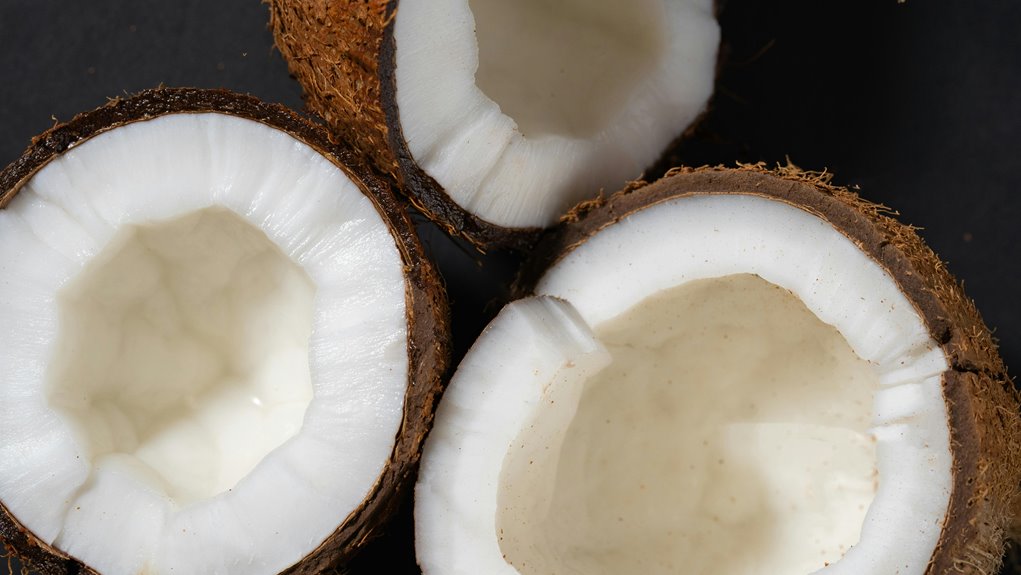
Coconut water works well for plants because it contains cytokinins, which are natural growth hormones that help cells divide and roots develop stronger. You also get three minerals that roots need right away: nitrogen, phosphorus, and potassium.
Here’s how to use it. Mix the coconut water with regular water in a 1:1 ratio—so equal parts of each. Pour the mixture at the base of your plant’s soil every two weeks. If you’re starting new plants from cuttings, soak them in this mixture for 4 to 6 hours before planting them in soil.
After 3 to 4 weeks of this routine, you’ll notice your plants get bushier with more leaves and branches. The growth happens because those cytokinins keep triggering new cell development.
One thing to remember: coconut water alone won’t do everything a complete fertilizer does. Think of it as a helpful addition that works best alongside your regular plant food, giving you results worth paying attention to over time.
The Plant Growth Hormones Inside Coconut Water
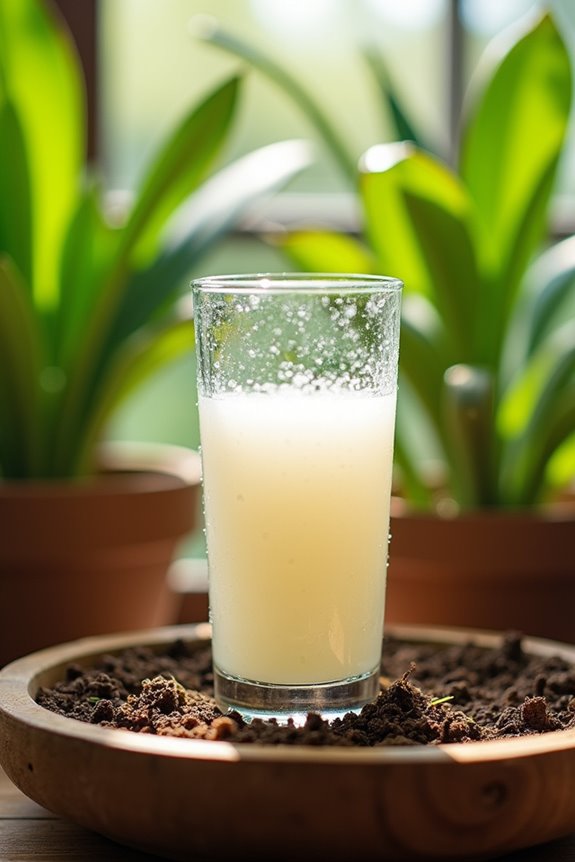
When you water your plants with coconut water, you’re giving them more than just H₂O. You’re delivering natural chemicals called plant growth regulators, or PGRs. These include cytokinins, hormones that trigger cell division and shape how your plants develop. Think of cytokinins as growth signals that tell your plant’s cells to multiply and build stronger structures.
Coconut water works quietly in the background. The hormones influence plant architecture—affecting height, branching patterns, and root development. Scientists have studied these plant growth regulators in tissue culture labs, where they’ve confirmed their effectiveness. The benefit for home gardeners is straightforward: you’re using the same hormone support that professional propagation facilities use, but in an accessible and eco-friendly form instead of relying on synthetic alternatives.
Essential Nutrients for Root Growth
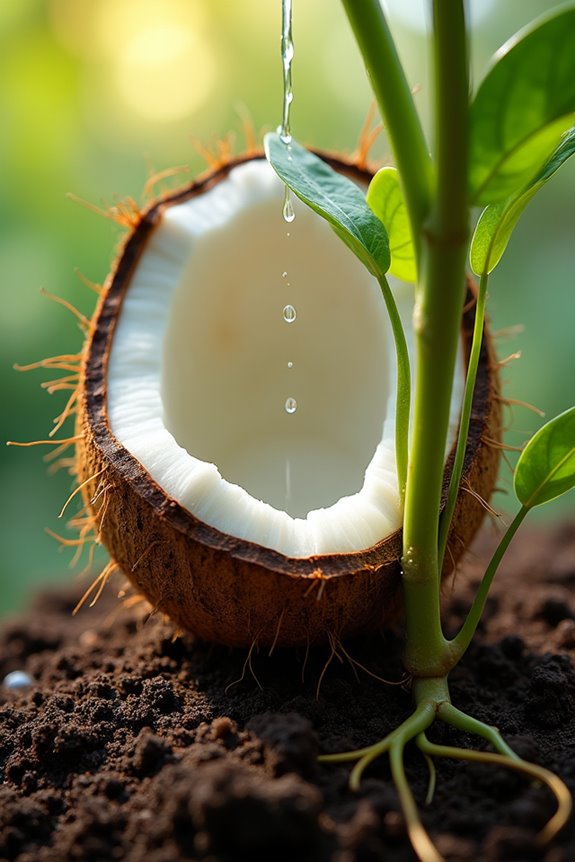
Beyond the growth hormones, coconut water delivers minerals directly to your plant’s roots. You’re getting nitrogen, phosphorus, potassium, calcium, and magnesium—the exact nutrients your seedlings need during those first few weeks. These minerals work with plant growth regulators to help roots absorb nutrients when they need them most.
Soak your cuttings in coconut water for four to six hours before planting. This concentrated dose prepares your plants by providing electrolytes that support the biological processes strengthening root systems. The minerals in coconut water give your roots a sturdy foundation right from the start.
When you use this method, you’re providing everything your plants require in one natural source rather than piecing together multiple supplements. The timing matters—those early weeks are when roots develop most quickly, and having the right nutrients available makes a real difference in how well your cuttings establish themselves in soil.
How Cytokinins Trigger New Growth
Coconut water does something important above the soil that minerals alone cannot do. It contains compounds called cytokinins that work as growth signals in your plant. These natural chemicals tell your plant to branch outward and develop new leaves and shoots rather than simply growing taller.
When you apply coconut water every two to three weeks, you’re giving your plant the biological signal to become bushier. Cytokinins trigger what happens in the plant’s cells—they activate secondary branching. This means your plant will develop additional stems and create fuller foliage throughout its structure.
Most home gardeners notice visible changes within three to four weeks of regular coconut water applications. You’ll see accelerated growth, new flower buds appearing sooner than usual, and a noticeably denser shape. A plant that once looked tall and spindly will gradually fill out with branches and leaves at multiple levels.
The amount matters for results. Mix one-quarter cup of coconut water with one quart of regular water, and apply this mixture to the soil around your plant’s base once every two to three weeks during the growing season. This dilution prevents overfeeding while still delivering the cytokinin benefits. Leggy or sparse plants respond particularly well to this approach, developing the fuller appearance that makes them look healthier and more complete.
Coconut Water vs. Synthetic Hormones
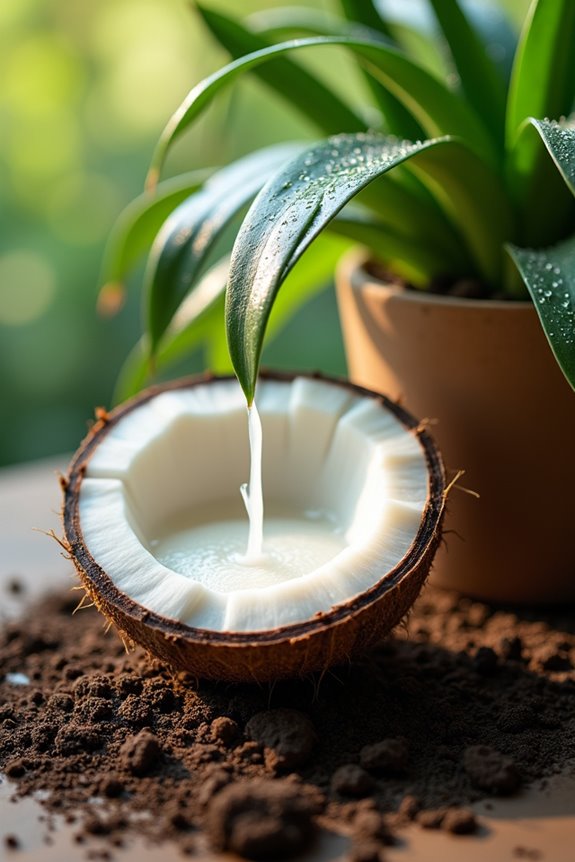
When you’re deciding between coconut water and commercial rooting hormones from the garden center, you’re really choosing between two different approaches to helping plants grow roots.
Both coconut water and synthetic hormones contain compounds that tell plant cells to divide and develop roots. The main difference is this: coconut water feeds the plant while it stimulates growth, whereas commercial rooting hormones work faster and target one specific job—getting roots to form quickly.
How to Use Each Option
Coconut water method: Soak your plant cuttings in coconut water for 4 to 6 hours before planting them. This longer soak time lets the cuttings absorb nutrients and growth-promoting compounds.
Synthetic hormone method: Dip the cut end of your cutting into the hormone powder or liquid for about 5 minutes, then plant it right away. The results arrive faster because these products contain concentrated amounts of the active ingredient.
Comparing Your Options
| Feature | Coconut Water | Synthetic Hormones |
|---|---|---|
| Cost | Costs less per use | Higher upfront cost |
| Source | Natural product | Lab-formulated |
| Nutrient content | Supplies multiple nutrients | Supplies targeted hormones |
| Speed | Moderate rooting timeline | Rapid rooting |
Coconut water works especially well in tissue culture labs, where scientists have measured plant height and leaf development that match results from commercial fertilizers. If you’re propagating a large number of cuttings and need faster results, synthetic hormones deliver that speed. If you want a gentler approach that provides extra nutrition, coconut water is a solid choice.
How to Use Coconut Water Safely
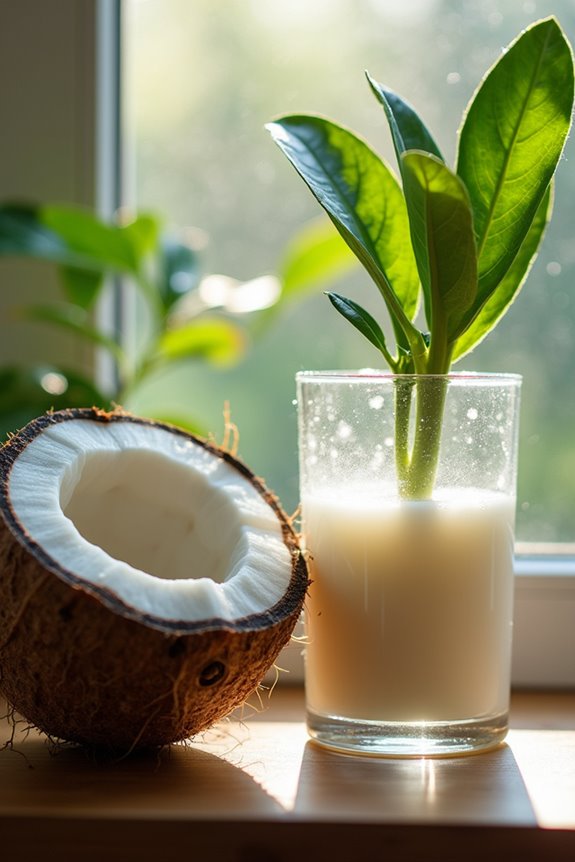
When you’re ready to use coconut water on your plants, start by mixing it properly. Most plants do well with a 1:1 ratio of coconut water to regular water. This dilution prevents salt buildup in the soil, which can damage roots over time.
Application matters as much as dilution. Pour the mixture directly at the base of each plant, aiming for the soil rather than the leaves. Water early in the morning or late in the afternoon when temperatures are cooler. Apply once every two weeks during the growing season, adjusting based on rainfall and soil moisture.
Storage affects how long your coconut water stays useful. Keep unopened bottles in a cool, dark cabinet for up to two years. Once opened, refrigerate and use within five to seven days. Pasteurized coconut water lasts longer than raw versions because the heat treatment kills bacteria that cause spoilage. Check the label to see whether your bottle has been pasteurized.
Watch your plants closely over the first month. Healthy plants show steady growth with firm stems and deep green leaves. If leaves turn yellow or growth slows, you may be applying too much coconut water. Scale back to once a month and observe the response. If plants look pale or stunted, increase frequency slightly. Every plant and soil type responds differently, so paying attention to what you see allows you to find the right schedule for your specific situation.
Dilution and Application Rates
To get good results from coconut water without hurting your plants, you need to dilute it before use. The standard approach is mixing 50 milliliters of coconut water with 1 liter of water for foliar spraying or root dipping. This ratio works well because it supports faster germination and growth without overwhelming your plants.
Seeds and cuttings work differently. You can soak them directly in undiluted coconut water for about five minutes. This short treatment noticeably helps germination and rooting. Once your diluted coconut water is ready, spray it on leaves or use it for dipping propagation materials. These methods match what you’d get from commercial fertilizers while staying gentle on your plants.
Storage and Pasteurization Concerns
Now that you understand dilution ratios, keeping coconut water fresh matters just as much as mixing it correctly. Before you store your coconut water, pasteurize it to kill bacteria that multiply quickly, especially when you’re preparing batches in advance.
Here’s what pasteurization looks like in practice: heat your coconut water to 161°F (72°C) for 15 seconds, then cool it down right away. This step removes harmful microorganisms without destroying most of the nutrients your plants need.
After pasteurizing, pour the coconut water into clean containers with tight lids. Keep these in your refrigerator where pasteurized coconut water stays usable for about 5 to 7 days. If you skip pasteurization, use the coconut water within 24 hours since bacteria grow faster at room temperature.
Before applying any coconut water to your plants, check for spoilage signs. A sour smell or cloudy appearance means bacteria has taken over and you should throw it out. Heat and time break down the helpful compounds in coconut water—mainly cytokinins and minerals—so proper storage protects the quality of what you’re giving your plants.
The care you take with pasteurization and storage directly affects how well your plants respond to the coconut water you’re adding to their routine.
Frequency and Plant Monitoring
Frequency and Plant Monitoring
Check your plants weekly once you begin using coconut water. Watch for new leaf formation, increased shoot height, and overall vigor in how they look and grow. A Monstera might develop fresh leaves within two weeks, while lilies could produce new blooms in a similar timeframe. Each plant responds differently, so pay attention to what happens with yours.
For foliar spray, mix 50 ml of coconut water per 1 liter of water. This ratio keeps the smell minimal and prevents giving your plants too much fertilizer. Keep notes about what you observe—which plants respond best, how quickly they grow, and any changes you notice. If you detect strong odors in the watering saucer or see pest activity, reduce how often you apply the spray or use less coconut water in your mixture.
Use fresh, raw coconut water for the best results. Stay attentive to your plants over these first few weeks, and you’ll learn exactly how each one handles this treatment.
Real Growth Results From Users
Gardeners working with different types of plants have noticed real differences when using coconut water. A Monstera grower reported four new leaves appearing, while someone with lilies saw several fresh blooms develop within weeks. These aren’t just rough observations—community members have tracked actual measurements. At the 16-week mark, cuttings grown in coconut water medium reached 18 cm, compared to 15 cm using traditional methods. That’s a measurable 3 cm difference you can see and measure yourself.
The pattern shows faster branching and shoot development across various growing conditions and plant species. This suggests coconut water contains natural growth regulators that produce observable results. Your own results will depend on factors like lighting, temperature, and which plants you’re growing. Testing coconut water in your garden lets you gather your own data about whether it works for your specific setup and plant choices.
Observed Plant Growth Metrics
What Happens When You Use Coconut Water on Your Plants
Using coconut water on your plants produces measurable results within a few weeks. You’ll see new leaves appear on your Monstera and fresh blooms develop on your lilies. The changes aren’t dramatic, but they’re real and consistent.
When you work with cuttings, dip them in coconut water for five minutes to improve rooting. The difference becomes noticeable as roots develop faster than they would in plain water alone.
Comparing Growth Results
Plants grown with fresh green coconut water reach 18 centimeters in height after sixteen weeks. The same plants watered with standard regulators typically reach only 15 centimeters over that same period. That’s a 3-centimeter difference, which represents about 20 percent more growth.
Formulated coconut water performs similarly to commercial fertilizers when measured across plant height, leaf count, and fresh weight. You get accelerated growth and higher leaf numbers without needing to switch to specialty products. The results show that coconut water delivers genuine improvements in plant development, even if the gains are modest rather than dramatic.
Community Member Experiences
Real gardeners and plant lovers have tested coconut water on their own plants and reported what actually happened. When people use this natural solution consistently, they see real results. Members have measured plant growth improvements across different species. A Monstera grower documented four new leaves appearing over two months. Lily growers recorded multiple blooms within three weeks of starting coconut water applications.
How to Use Coconut Water for Plant Propagation
Coconut water works as a natural growth aid when you apply it correctly. Start by dipping cuttings or seeds in coconut water for about five minutes before planting them in soil. For foliar sprays, dilute fresh coconut water at a ratio of 50 milliliters per one liter of water, then spray the mixture directly on leaves. You can also mix coconut water into propagation media as an alternative to synthetic hormones.
Individual plants respond differently to coconut water depending on the species and growing conditions in your space. Some plants show faster results than others. Keeping notes on how your specific plants respond helps you adjust your approach over time. This attention to detail matters more than following a one-size-fits-all method.
Documented Results Across Species
How to Spot Coconut Water Working on Your Plants
You can measure whether coconut water actually helps your plants. When you soak Rhizophora stylosa hypocotyls in coconut water for 4–6 hours before planting, roots develop faster than they would without treatment. The plant growth regulators in coconut water, particularly cytokinins, are responsible for this difference.
Real growers have documented specific improvements. Pechay plants treated with formulated coconut water performed as well as commercial fertilizer: they grew taller stems, weighed more when fresh, and produced more leaves. A five-minute cutting dip noticeably improved root formation. Fresh green coconut water brought plant height to 18 centimeters in 16 weeks, while standard hormone treatments reached only 15 centimeters in the same timeframe.
You’ll also see faster growth in Monsteras and lilies. These measurable results across different plant types show that coconut water does improve rooting and early development.
Should Coconut Water Replace Fertilizer?
Can you grow healthy plants with coconut water alone, or does it work better alongside traditional fertilizers. Testing shows coconut water delivers results comparable to commercial liquid fertilizer when measuring plant height, fresh weight, and leaf count. The key difference is what coconut water contains—plant growth regulators and cytokinins that standard fertilizers typically don’t have. This makes coconut water valuable for specific purposes rather than as a complete replacement.
Coconut water delivers comparable growth results, but shines best for specific purposes—not as a complete fertilizer replacement.
Here’s how to use both effectively:
- Apply coconut water during rooting and early development stages when plants respond most to growth regulators
- Pair it with standard fertilizers to cover all nutrient needs your plants require
- Track plant progress over 4 to 6 weeks by measuring height and counting new leaves
- Adjust your approach based on what you observe rather than sticking to one method alone
The better strategy combines both options. Coconut water handles what it does well—stimulating early growth—while traditional fertilizer provides the full range of nutrients plants need throughout their life cycle. This combination produces stronger, healthier plants than either option working independently.