National Flower Day occurs on March 21st each year, marking the spring equinox in the Northern Hemisphere. To find out if today is National Flower Day, simply check your calendar or phone and compare today’s date with March 21st. If the dates match, you’re observing the day. If not, you can note the date for next year.
Florists and gardeners established this observance to bring attention to flowers and their role in our surroundings. Flowers contribute to ecosystems by feeding insects, producing seeds, and adding oxygen to the air. They also brighten indoor spaces and outdoor areas where people live and work.
You can honor National Flower Day by visiting a local flower shop, planting seeds in a pot or garden bed, or arranging fresh flowers in your home. If you want to learn more about specific flowers that grow well in your region, check with a local nursery or gardening center for recommendations based on your climate and sunlight conditions.
When Is National Flower Day Celebrated?
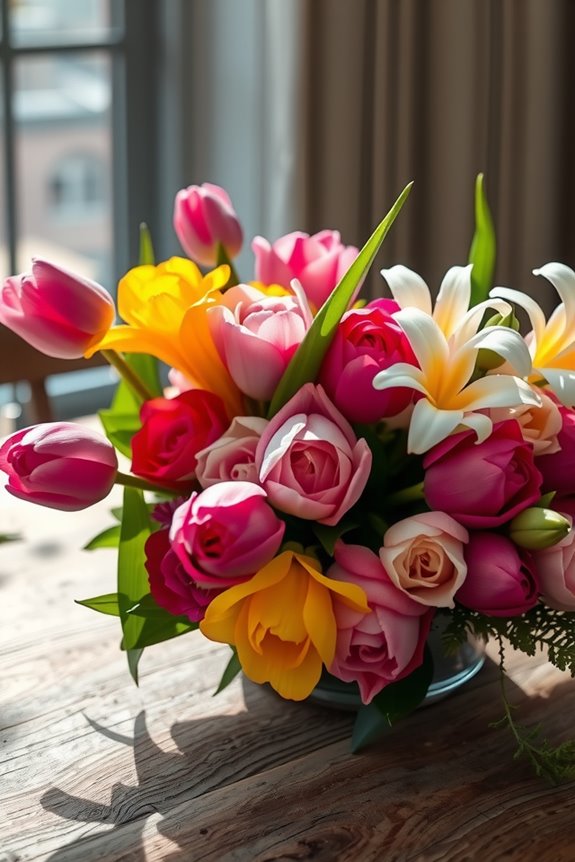
When Is National Flower Day Celebrated?
National Flower Day arrives on March 21 each year, marking the first day of spring in the Northern Hemisphere. This date aligns with the season when plants begin blooming after winter dormancy, making it a natural time to recognize flowers and their role in our ecosystems.
National Flower Day on March 21 marks spring’s arrival, celebrating when plants bloom and flowers’ vital role in our ecosystems.
The timing connects to spring’s arrival, when gardens and landscapes start showing new growth. By celebrating on March 21, you join millions of people who acknowledge flowers’ ecological value and aesthetic appeal during this seasonal shift.
Ways to Participate
You have several straightforward options for observing this day. Gift fresh flowers to someone in your life—a simple bouquet from a local florist takes about 15 minutes to select and arrange. Visit a garden center or florist shop to see what’s currently in bloom in your area. If you’re interested in growing your own flowers, you can start seeds indoors 6 to 8 weeks before your local frost date ends, or plant seedlings directly outdoors once soil temperatures reach 50 degrees Fahrenheit.
Even a small container with 3 or 4 flowers on a windowsill counts as participation. The day invites you to notice and appreciate the botanical world around you, whether through purchasing or planting.
How to Check if Today Is National Flower Day
Checking if Today Is National Flower Day
To find out if today is National Flower Day, you need to check one specific date: March 21. This is the day set aside each year to celebrate flowers and the pollinators that depend on them.
Pull up your calendar or phone and look at today’s date. Compare what you see to March 21. If the dates match, then today is National Flower Day, and you can start planning activities right away. You might visit a local garden, buy fresh flowers for your home, or spend time learning about what different flowers mean and represent.
If today isn’t March 21, take a moment to mark it on your calendar for next year. Writing it down now helps you remember so you don’t accidentally skip over the day when it comes around again. National Flower Day happens at the same time every year, which makes it fairly easy to keep track of once you write it down.
Why Was National Flower Day Created? (And Why March 21?)
Why Was National Flower Day Created? (And Why March 21?)
Florists and gardeners established National Flower Day to help people recognize how flowers matter in daily life. Flowers brighten your home, help you express feelings you might struggle to put into words, and provide food for bees and other insects that pollinate crops we depend on for eating.
The date itself connects directly to nature’s calendar. March 21 marks the spring equinox in the Northern Hemisphere, when day and night are roughly equal length. This moment signals the beginning of spring, a season tied to renewal and new growth. Around this time, flowers start blooming across most regions, making it a logical choice for celebration. While historians haven’t documented every detail about how National Flower Day started, the goal behind it is straightforward: to pause and notice the artistry in nature.
You can observe this day in ways that suit you. Plant seeds indoors in small containers under a sunny window, give someone a bouquet of fresh flowers, or walk through a local garden or park. These activities remind you that flowers connect you to something beautiful that exists in the world around you.
How Should You Celebrate National Flower Day?
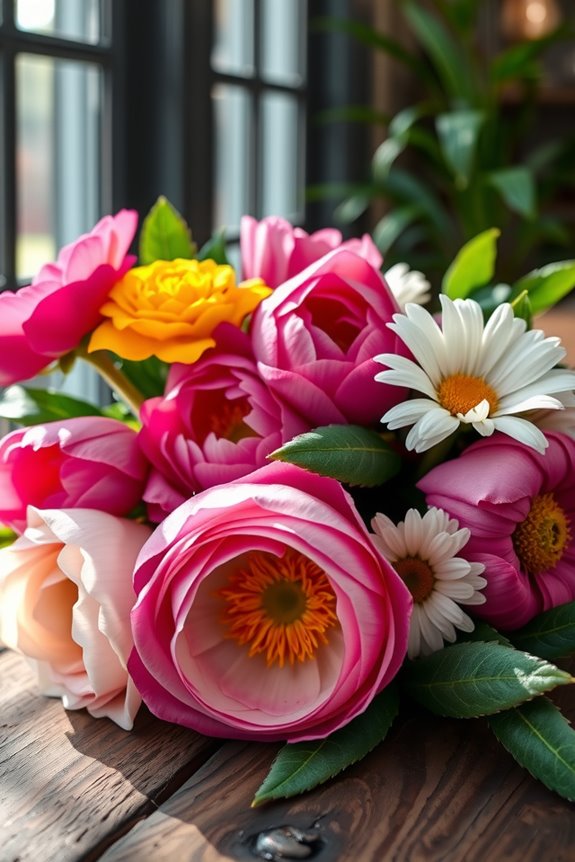
How Should You Celebrate National Flower Day?
March 21 gives you several straightforward ways to honor flowers. Pick whichever approach fits your life right now.
Gift Flowers With Intention
Leave a bouquet at someone’s doorstep or hand-deliver stems with messages rooted in what different flowers mean. Red roses signal deep love. Yellow flowers show friendship. Orange blooms express enthusiasm. When you choose flowers based on their symbolism, your gift carries extra weight beyond just looking nice.
Plant Something in Your Community
Start a small garden bed in your yard, a container garden on a porch or balcony, or help create a pollinator space in a shared neighborhood area. Even a 2-by-3-foot bed of native wildflowers attracts bees and butterflies while adding color to your block. If you have limited space, plant six to eight stems in a large pot with good drainage holes.
Learn Flower Meanings
Spend time researching what different flowers represent. Keep a simple list on your phone or write one down so you can reference it when selecting stems for specific people. This knowledge lets you communicate feelings through your choices.
Support Local Growers
Buy your flowers and plants from nearby florists and nurseries instead of big chain stores. Local sellers know which varieties grow well in your area and when they’re in season. You’ll get fresher plants while helping small business owners in your neighborhood.
Celebrating National Flower Day connects you with your community through actions that matter to you.
Best Flowers to Give on National Flower Day: What Each Symbolizes
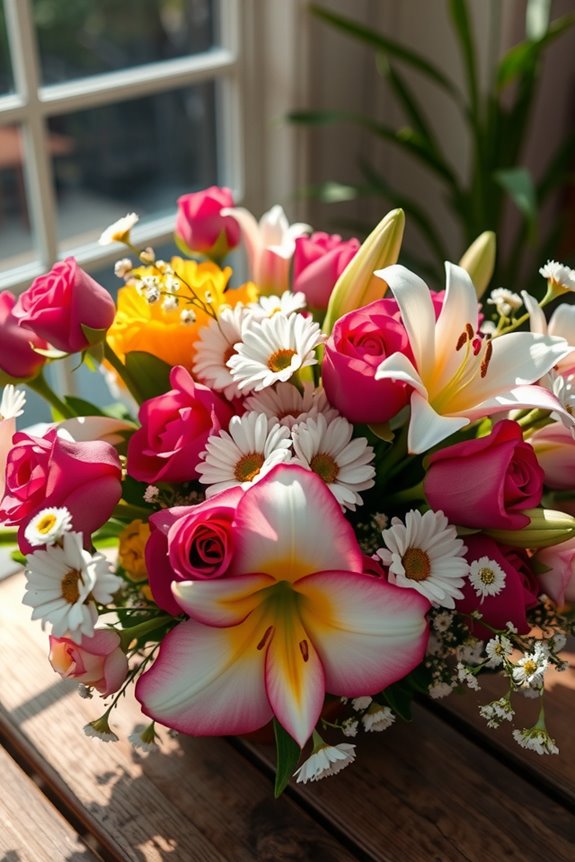
Choosing Flowers for March 21st
When National Flower Day arrives on March 21st, you’ll want to pick flowers that match what you’re trying to say to someone. Think of flowers like a language—each type sends a different message.
Roses sit at the top of most people’s lists. As the official national flower, they stand for love and beauty. If you want to show someone deep feelings, roses work well. Lilies represent purity and elegance, so they’re good for honoring someone you respect. Tulips convey perfect love through their bright colors and graceful shape. Sunflowers bring positivity and joy—their cheerful presence tends to lift people’s moods. Daffodils symbolize new beginnings, which pairs nicely with spring’s timing.
Understanding What Flowers Mean
Each bloom carries its own message. When you understand these meanings, you can pick flowers that actually fit what you want to express.
You can combine different flowers to create layers of meaning. Pairing roses with lilies, for example, blends the message of love with purity. Mixing sunflowers with daffodils suggests joy mixed with fresh starts. The key is thinking about your recipient and what matters to them, then matching those feelings to the flowers you choose.
Questions About National Flower Day? Here’s What You Need to Know
National Flower Day falls on March 21st each year, aligning with the spring equinox. This date gives you a marked point to pause and think about flowers, though celebrating them doesn’t need to stop there.
You can honor flowers throughout the year by visiting botanical gardens, learning what different blooms represent, and noticing how these meanings show up in everyday life. Roses stand for love. Sunflowers represent gratitude. These connections between flowers and emotions have existed for hundreds of years and shaped how people communicate with one another.
Understanding flower symbolism helps you see them as more than decoration. Each bloom carries history and meaning. When you know what a flower represents, you recognize it as a way people have expressed feelings across cultures and centuries. This knowledge deepens your appreciation when you encounter flowers in gardens, bouquets, or growing wild.
Whether you’re marking National Flower Day itself or building a year-round flower habit, the practice works the same way: pay attention to the plants around you, learn their names and meanings, and let them remind you that small natural details matter.
When National Flower Day Occurs
Every year on March 21, Americans celebrate National Flower Day. This date aligns with the arrival of spring in the Northern Hemisphere, which is not a coincidence. The celebration matches the season when flowers begin blooming naturally, making it a fitting time to recognize the role flowers play in our environment and daily lives.
Ways to Observe National Flower Day
You can mark this day in several practical ways. Gift fresh bouquets to people in your life—a dozen roses or a mixed arrangement from a local florist takes about 15 minutes to select and deliver. Visit local rose gardens or botanical centers in your area, where you can see dozens of plant varieties in one location. Spend an afternoon learning what different flowers represent. Red roses traditionally mean love, while yellow flowers often symbolize friendship and joy. If you have outdoor space, plant flowers to support pollinators like bees and butterflies. A small flower bed measuring 4 feet by 4 feet can hold 12 to 16 flowering plants, depending on the variety.
Mark March 21 on your calendar each year. Whether you enjoy gardening or simply appreciate flowers, this day offers a chance to think about how flowers benefit our ecosystems and the spaces where we live.
Celebrating Flowers Year-Round
Why stop enjoying flowers after just one day. National Flower Day on March 21 marks the spring equinox, but you can build a flower habit that lasts all twelve months.
Start With Fresh Blooms Weekly
Bring cut flowers into your home each week. A single bunch of tulips or daisies in a clear glass vase on your kitchen table costs between five and ten dollars and lasts about ten days. Change the water every two or three days to keep the stems fresh. This small step connects you to seasonal varieties without much effort.
Visit Gardens Seasonally
Explore local gardens during different times of year to see what grows when. In spring, you’ll find tulips and daffodils. Summer brings roses and sunflowers. Fall offers chrysanthemums and dahlias. Winter gardens showcase evergreens and early bulbs. Visiting these spaces teaches you what plants actually need and when they peak.
Learn What Flowers Mean
Different flowers carry different messages. Red roses signal love, yellow ones mean friendship, and white flowers express sympathy. When you know these meanings, you can choose flowers that match what you want to say. Send a birthday friend a cheerful bunch of sunflowers or give your grandmother pink carnations to show appreciation.
Grow and Preserve Throughout the Year
Plant seeds indoors in late February or March, then move seedlings outside after the last frost date in your area, typically between April and May. Water regularly through summer as plants grow. When fall arrives, cut flowers at their peak and hang them upside down in a cool, dry spot for three to four weeks to dry completely. Use these dried blooms in arrangements during winter months when fresh flowers cost more.
Understanding flowers across seasons helps you notice nature’s patterns and create moments of beauty whenever you want them.
National Flower Symbolism And Meaning
The Rose as America’s National Flower
The rose became America’s national flower through Senate Joint Resolution 159, which President Ronald Reagan signed in 1986 at the White House Rose Garden. National Flower Day on October 7 honors this official designation. The rose carries meaning that runs through American culture in several ways.
What the Rose Represents
Roses symbolize love and beauty in gifts, weddings, and other ceremonies across the country. They show up at parades, community celebrations, and memorials as symbols that connect people to shared values. Historical figures like George Washington planted rose gardens, linking the flower to American history. Botanically speaking, roughly 100 rose species exist worldwide and readily cross-breed with each other, creating new varieties.
Why This Matters
The rose means more than decoration or a pretty plant to display. It connects you to American tradition and to moments worth marking with others. When you give or receive a rose, you’re participating in a practice that spans centuries and ties you to the people around you.