
10 Flowers That Mean New Beginnings
When you want to give flowers for a big life change, choosing the right ones matters. Different flowers carry different meanings, and picking one that fits the occasion shows you’ve thought carefully about your gift.
Daffodils for New Starts
Daffodils bloom in spring and represent renewal and fresh beginnings. They work well for someone starting a new job or moving to a different house. These flowers typically last 7 to 10 days in a vase with fresh water changed every two days.
White Tulips for Moving Past Conflict
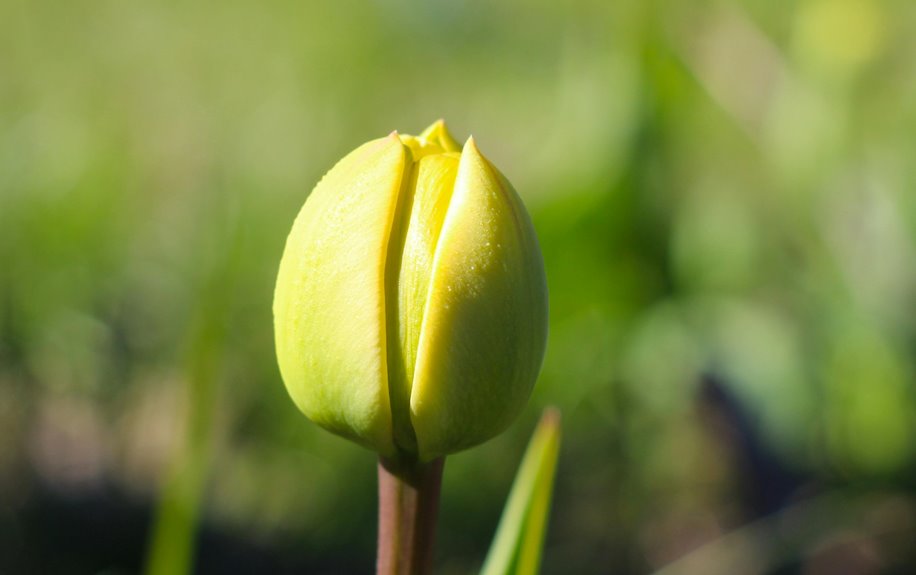
If you need to apologize or show forgiveness after an argument, white tulips send that message clearly. They’re elegant and straightforward, lasting about 10 to 12 days when kept cool and away from direct sunlight.
Amaryllis for Strength During Change
Amaryllis flowers are large and bold, making them perfect when someone is making a big career shift. A single stem can grow 24 to 30 inches tall and blooms for three to four weeks, giving the gift lasting presence.
Orchids for Major Achievements
Orchids suit promotions and important life milestones because they look sophisticated and last a long time. With basic care—watering once a week and indirect light—a single orchid can bloom for two to three months.
Lilies for Marking Transitions
Lilies convey that a moment holds real significance. White lilies represent purity and new starts, while stargazer lilies suggest ambition and reaching for goals. They last about 10 to 14 days and smell strong, so remove the stamens from the center if the scent becomes overpowering in a small room.
Peonies for Engagements
Peonies have full, layered petals and bring a romantic feel to engagement celebrations. They peak in late spring and early summer and last two to three weeks in a vase.
Hyacinths and Daisies for Accessible Options
Hyacinths and daisies cost less than other flowers on this list but still carry meaning. Hyacinths represent new beginnings and smell pleasant for about one to two weeks. Daisies suggest innocence and joy, lasting around two weeks with proper water changes.
Choosing Your Flower
Match the flower to the occasion and the person receiving it. Consider how long the blooms will last, what the recipient’s space allows for, and what message you want to send. A thoughtful choice shows you care about the details.
Which New Beginnings Flower Fits Your Moment?
How do you pick the right flower when you’re celebrating something new?
Start by matching the occasion to what flowers represent. Daffodils signal renewal and optimism, making them perfect for fresh starts like new jobs or moving to a new home. Orchids represent steady growth, so they work well for promotions. Peonies suit weddings because their layered petals feel romantic and special.
Next, think about color. White and green flowers convey calm and sincerity, which fits housewarmings where you want to feel peaceful. Bright yellows express joy and work well for business launches or graduations. Spring blooms naturally align with new beginnings, so choosing flowers in season strengthens your message without extra cost.
Your arrangement style matters as much as the flowers themselves. Open, layered designs suit weddings because they feel romantic and generous. Cleaner, simpler arrangements work better for career moves because they feel professional and focused. When you arrange flowers, you’re telling a story about what’s beginning.
Think about the person receiving the flowers and what moment they’re celebrating. A coworker getting promoted might appreciate a small orchid arrangement in neutral tones, about 8 to 10 inches tall, that fits on a desk. Someone moving into a new apartment might prefer white daisies or green chrysanthemums in a medium vase, about 12 inches tall, that brings calm to a new space. Each choice reflects the specific occasion and the person’s needs.
Amaryllis: Bold Strength for Career Moves
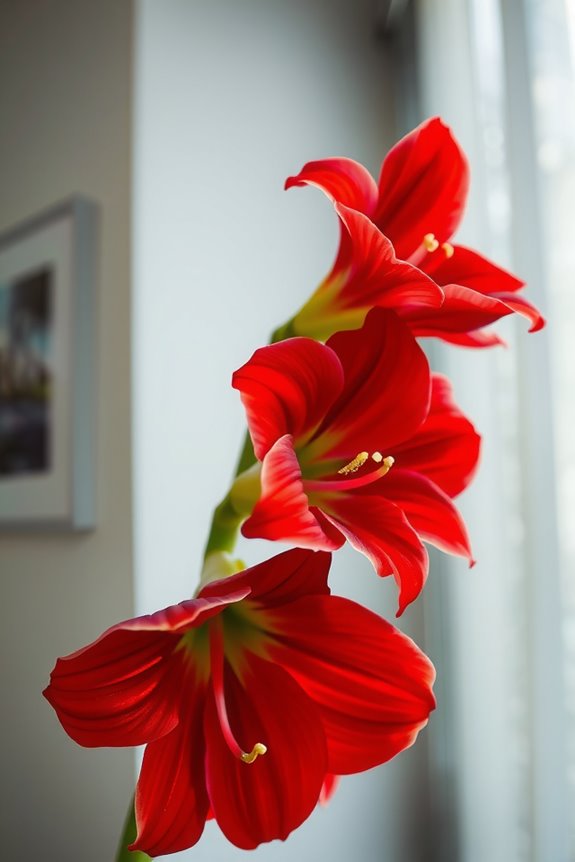
When you’re stepping into a new job or career shift, Amaryllis flowers deliver a powerful message of strength that matches your bold move forward. The flower’s vibrant reds and pinks symbolize resilience and determination—qualities you’ll need as you navigate this transition.
Here’s what matters about Amaryllis: the flower grows from a bulb about 2 inches across and reaches heights of 24 to 36 inches tall within 6 to 8 weeks of planting. This growth pattern mirrors your own career development. Just as the bulb needs time and consistent care to produce those large trumpet-shaped blooms, you need patience and steady effort to build your skills in a new role.
Giving yourself or receiving Amaryllis blooms serves as a practical reminder. The flower’s strength comes from hard work during its growing season, much like the Greek shepherdess who inspired its name. She tended her garden with discipline and focus. When you see Amaryllis in your workspace—placed in a vase on your desk or in a small pot by your window—it becomes a visual anchor for the work ahead.
Success in a career transition happens through consistent effort, not overnight. The Amaryllis teaches this lesson simply: show up, do the work, and results follow naturally.
Symbolism of Strength
The amaryllis flower represents strength through its physical presence and historical significance. These flowers grow 24 to 36 inches tall in a standard vase, with trumpet-shaped blooms in deep reds and pinks that naturally command your attention in any room.
The connection between this flower and strength comes from both what you see and what it represents. In Greek mythology, a shepherdess earned her success through consistent, demanding work. The amaryllis carries that same message of determination. When you’re moving through a major life change—whether it’s a new job, a school transition, or another significant shift—the flower serves as a physical reminder that progress requires courage and steady effort.
You can use an amaryllis during career changes or major transitions as a visual anchor for resilience. Place the vase on a desk or shelf where you’ll see it regularly. The flower’s bold presence works quietly to reinforce the strength you already possess. Rather than relying on words or abstract ideas, the amaryllis offers something concrete to observe while you navigate new territory.
Perfect Career Transition Gift
Why does a career change feel so heavy? You’re stepping into unfamiliar territory, leaving behind what you’ve mastered. The amaryllis becomes your perfect companion during this shift. This bold blossom symbolizes strength and determination—exactly what you need when starting fresh.
The amaryllis’s trumpet-shaped flower commands attention, much like you’re commanding your new role. Its vibrant reds and pinks represent resilience. When you’re learning new systems, meeting unfamiliar colleagues, and building confidence in unfamiliar tasks, this flower reminds you that bold moves create real results.
The amaryllis pairs well with messages about ambitious growth. Its meaning traces back to a Greek myth about Amaryllis, a character who achieved success through hard work and persistence. The flower typically blooms within 4 to 6 weeks of planting and grows 18 to 24 inches tall, making it a visible symbol of progress you can track in your own space.
Consider giving this housewarming gift to yourself or a colleague starting a new position. Place the potted amaryllis on a desk or shelf where you’ll see it daily. This keeps your focus on the work ahead rather than dwelling on what you’ve left behind.
Daffodils: Spring’s Timeless Symbol of Fresh Starts
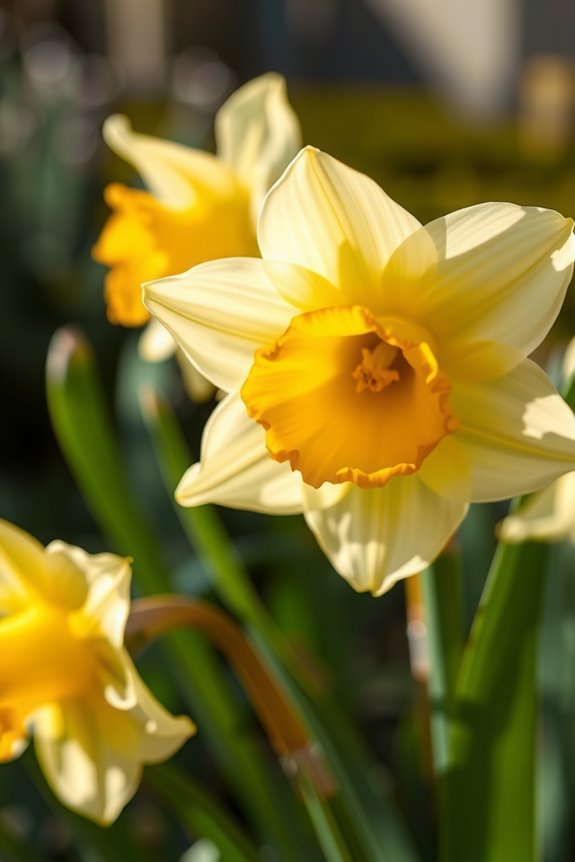
Every spring, daffodils push through the last traces of snow. These yellow perennials do more than brighten your garden—they signal that winter has ended and new growth is beginning. You’ll find them in yellow and white varieties, commonly called Narcissus, and they bloom reliably year after year because of how they’re built to survive cold winters.
The connection between daffodils and new beginnings comes from both their behavior and their history. In Greek mythology, the daffodil carries meaning tied to beauty and change. When you give daffodils during a job change or on New Year’s Day, you’re sending a message about optimism and what’s possible ahead. The plant itself teaches this lesson each year—it disappears underground in fall and returns in spring without fail, typically between late February and mid-April depending on your location.
Understanding what different aspects of the daffodil represent helps you use them more thoughtfully.
| Aspect | Meaning |
|---|---|
| Color | Optimism |
| Bloom Time | Spring renewal |
| Mythology | Beauty and change |
| Gift Use | New chapters and fresh starts |
Daffodils work well in garden beds, borders, or containers. If you’re planting them, choose a spot with at least six hours of direct sunlight. Plant bulbs in fall, about four to six inches deep and three to four inches apart, and they’ll emerge naturally when soil temperatures warm in spring. This cycle of planting in darkness and watching them bloom makes the symbolism personal and tangible rather than just something you read about.
Sunflowers: Pure Warmth and Optimism
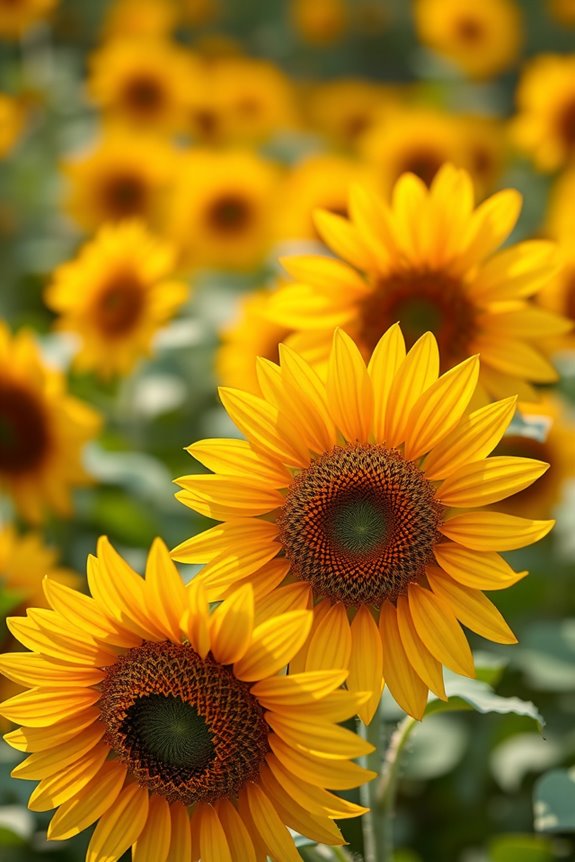
Sunflowers track the sun’s movement across the sky from sunrise to sunset, a behavior called heliotropism. This daily ritual connects directly to what these flowers represent—looking toward light and embracing new beginnings. The bright yellow petals you see aren’t random; they signal warmth, happiness, and the kind of steady growth that happens over months and seasons.
When you place sunflowers in your home, you’re working with flowers that naturally encourage optimism. The blooms typically last 12 to 18 days in a vase, giving you a reasonable window to experience their presence. Many people find that keeping them in a cool spot away from direct heat extends that timeline. The height varies by variety—some reach 3 feet tall while others stay closer to 18 inches—so you can choose what works for your space.
Sunflowers support a mindset of recovery and renewal. Rather than viewing them as lucky charms, think of them as visual reminders to stay focused on what matters. Their tall stems and sturdy growth pattern make them reliable additions to any room. The act of arranging them, changing their water every few days, and watching them settle into a space gives you something simple to maintain and observe. Standing tall and moving forward during life’s transitions becomes a bit easier when you have that steady yellow presence nearby.
White Tulips: Forgiveness and Gentle Renewal
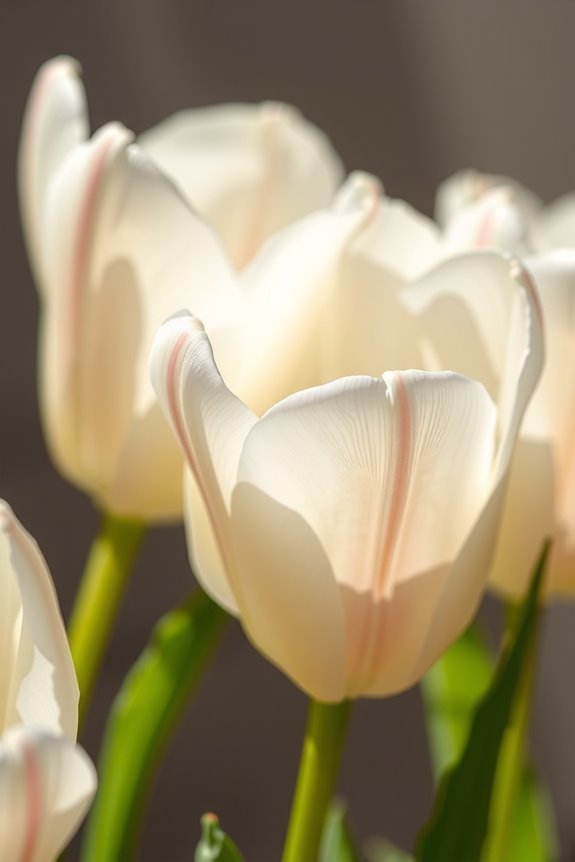
White tulips carry a quiet strength that works well when you’re ready to apologize and truly mean it. They show both purity and a genuine wish to begin again in your relationships. Unlike red roses, which feel intense, or sunflowers, which feel cheerful, white tulips send a calm, restoring message about forgiveness. When you give white tulips to someone, you’re doing more than saying you’re sorry. You’re showing that person you believe things can get better and that you both can move forward together.
The gentle nature of white tulips makes them different from other flowers. They don’t demand attention the way brighter blooms do. Instead, they sit quietly in a vase, offering their message without pressure. This quality matters when repairing a relationship. Sometimes the most honest apologies aren’t the loudest ones. A bunch of white tulips, about seven to nine stems arranged in a simple glass vase, speaks volumes through its simplicity.
Timing matters too. Bringing white tulips within a day or two of a conflict works better than waiting weeks. The fresher approach shows you’re ready to address things now, not later. White tulips stay fresh for roughly ten to twelve days in cool water, giving the person time to sit with your gesture and consider your words.
Purity and Tranquillity
White tulips stand as the flower of forgiveness. When you want to start fresh, these blooms offer what you’re looking for. Their pure white petals represent the clean slate you need, whether you’re fixing a friendship or leaving a hard time behind. Giving white tulips tells someone something that words sometimes miss: you want real healing and a new beginning.
White tulips work because they’re simple. There’s no fakeness about them, just honest beauty. A bunch of 5 to 7 white tulips shows you’re serious about making peace and moving forward. You’re not pretending the past didn’t happen. You’re choosing peace instead.
What makes these flowers different is what they don’t do. They don’t shout or demand attention. They sit quietly in a vase for about 7 to 10 days, holding their shape well if you trim the stems at an angle and change the water every other day. That quiet strength is part of their message. New beginnings don’t always come with loud celebrations. Sometimes they arrive softly, like the opening of a tulip in spring.
When you’re ready to offer or receive forgiveness, white tulips remind you that starting over is possible. The flowers last through the hardest conversations, standing in the center of a room as a daily reminder that peace is within reach.
Relationship Reconciliation Messages
How to Say Sorry With White Tulips
Sometimes the right words don’t come easily after an argument or misunderstanding. White tulips offer a way to communicate what you’re feeling when speaking feels too hard. These flowers carry meanings of forgiveness and fresh starts, making them a solid choice for reconciliation.
Why White Tulips Work for Apologies
White tulips are particularly good at healing strained relationships because they don’t demand anything from the other person. Unlike a big romantic gesture, they simply say, “I want to try again.” The flowers acknowledge that something hurt or went wrong, while also pointing toward hope and renewed connection.
How to Present Them
Choose seven to nine stems for your bouquet. This number range symbolizes completion and new beginnings—important messages when you’re seeking to move past a conflict. A bundle of this size feels intentional without being overwhelming.
When you give the flowers, keep your words simple. You might say something like, “I know things have been difficult. I’d like us to start fresh.” Let the tulips do much of the talking. They work well after disagreements, misunderstandings, or when hurt feelings have built up between you and someone you care about.
What These Flowers Communicate
The white color signals a peaceful way forward without demanding immediate forgiveness. You’re showing the other person that this relationship matters enough to you that you’re willing to be vulnerable. The flowers bridge the gap when direct conversation feels impossible, inviting renewal without pressure.
Gifting For Fresh Starts
Beyond the immediate moment of apology lies something equally important: building a foundation for what comes next. White tulips offer you a meaningful way to express genuine commitment to fresh starts and reconciliation.
When you’re ready to gift for new beginnings, consider these approaches.
Where and when to present them. Give white tulips at a neutral location—a coffee shop, park bench, or shared workspace—to signal openness and equal footing. Schedule delivery one week after your initial conversation. This waiting period lets both of you reflect and shows you’re thinking seriously about moving forward rather than rushing to fix things.
How many stems matter. Choose a bouquet of seven to nine stems. This range represents completeness and sincerity in flower language. Fewer stems can feel too small; more than nine starts to feel like a standard arrangement rather than a thoughtful choice.
What to include. Pair the tulips with a handwritten note explaining your specific intentions for moving forward. Write two or three sentences about what you hope to rebuild and why this matters to you. A handwritten message, even a brief one, carries weight that a text message cannot.
The vase itself. Select a simple ceramic or glass vase the recipient can keep after the flowers fade. This lasting object symbolizes your commitment to lasting change. A basic white or clear vase works well and won’t distract from the flowers themselves.
White tulips communicate that you’re not just apologizing—you’re actively building something better. Their gentle forgiveness meaning helps both parties embrace the fresh start you’re creating together, turning difficult moments into opportunities for genuine growth and renewed trust.
Orchids: Exotic Beauty for Major Life Milestones
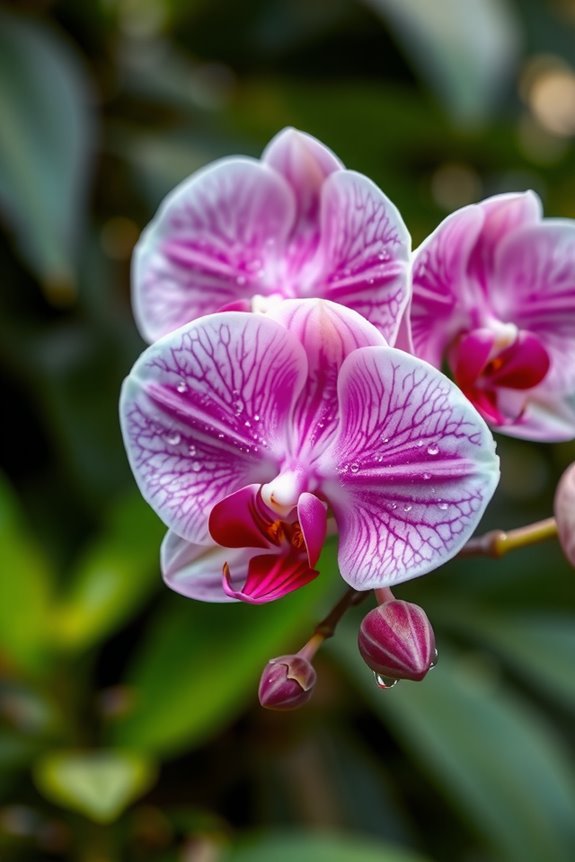
Orchids: Elegant Flowers for Your Major Moments
When you’re celebrating something important—a promotion, a wedding, or moving into a new home—you need a flower that matches how big the moment feels. Orchids work well for this because they’re sophisticated and they last a long time in your home.
These flowers symbolize new beginnings. Their long blooms, which can stay colorful for 4 to 12 weeks depending on the variety, show that your commitment to change will last. People have valued orchids for centuries, and in many cultures they represent prosperity and good fortune. This makes them a thoughtful choice when you’re stepping into a new chapter.
Orchids symbolize new beginnings and prosperity, with blooms lasting 4 to 12 weeks—a lasting reminder of your commitment to change.
Orchids come in many colors, shapes, and sizes. You might choose a deep purple Phalaenopsis orchid for a corporate achievement, or a white variety with spotted petals for a wedding gift. Each color carries its own meaning, so picking the right one helps express exactly what you want to say. A single orchid plant in a 4-inch pot works as a personal gift, while multiple plants grouped together create a stronger statement for an office or celebration.
What makes orchids practical for milestone moments is their ability to stay healthy for months with basic care. Most orchids need bright, indirect light and watering about once a week. They thrive in temperatures between 60 and 80 degrees Fahrenheit. This means your gift continues to remind someone of your support long after the celebration ends, without requiring expert gardening skills.
Lilies: Grace Across Every New Beginning
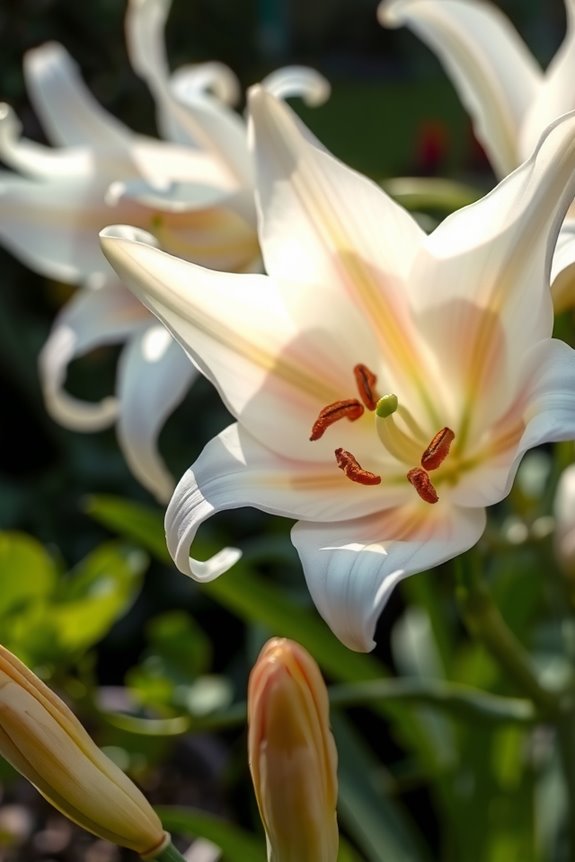
Lilies appear at important moments in people’s lives for a reason. You’ll find them at weddings, graduations, and celebrations because different varieties carry specific meanings about growth and new chapters.
Here’s what each type represents:
White lilies mark purity and fresh starts. When you see them at ceremonies, they signal a clean slate or new direction.
Calla lilies stand for magnificence. People choose these for engagements and weddings because they suggest something grand and worthy of celebration.
Stargazer lilies encourage ambition. During promotions or graduation ceremonies, their bold appearance reminds you to aim high.
Daylilies connect to motherhood and fertility. At baby showers, they acknowledge the beginning of a new family chapter.
What makes lilies work at these moments is their appearance matched to their meaning. The graceful petals and elegant shape feel right when you’re stepping into something new. You don’t need long speeches or complicated explanations—lilies say what matters without words getting in the way.
When you’re marking a significant transition in your life, whether it’s a new job, a move to a different city, or finishing school, lilies communicate something genuine. Their presence reminds you that starting over happens to everyone. You’re part of a larger story of people moving forward into their next chapters.
Peonies: Romance and Prosperity in Fresh Chapters
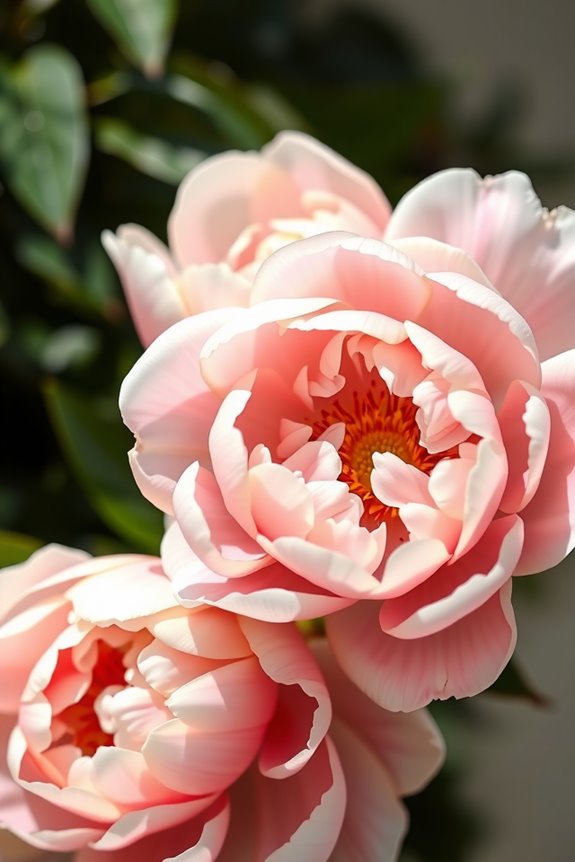
When you choose peonies for a fresh start, you’re picking flowers with real meaning. These blooms carry deep significance in Chinese tradition, where they’ve represented wealth and honor for hundreds of years. That history makes them a fitting choice for marking new chapters in your life.
Peonies have full, abundant petals that naturally show both romantic beauty and the promise of success ahead. The flowers typically reach 4 to 5 inches across when fully open, and they bloom between late spring and early summer depending on your location. A single peony plant can live for decades, sometimes lasting 50 years or longer with basic care, which connects them to lasting prosperity rather than fleeting moments.
When you select peonies, you’re working with flowers that have genuine staying power. Each bloom lasts about 7 to 10 days once it opens, and a healthy plant produces multiple flowers each season. This combination of longevity and seasonal abundance makes peonies practical for someone wanting flowers that actually last through important celebrations and milestones.
Symbolic Romance and Beauty
Celebrating Fresh Starts With Peonies
When you’re marking a new chapter—whether that’s an engagement, a job promotion, or moving to a new city—peonies work well as a choice. These flowers carry meaning across many cultures. They represent romance, prosperity, and new beginnings.
What makes peonies special for these moments is how they look and feel. A single peony bloom can measure 4 to 6 inches across, with dozens of layered petals that release a soft fragrance. That fullness signals abundance and hope for what’s ahead.
When Peonies Make Sense
You’ll find peonies fit these situations best:
- Announcing an engagement or celebrating a wedding
- Giving flowers after landing a new job or receiving a promotion
- Marking a move to a different house or city
- Honoring traditions that value prosperity and respect
- Combining them with garden roses to emphasize romantic commitment
How to Use Them
Peonies typically bloom for about two weeks once cut, so plan your arrangement timing around the specific event. If you’re ordering them for a wedding three weeks out, ask the florist to time the blooms to peak on your date. For a promotion bouquet you’re giving immediately, choose flowers already open rather than tight buds.
A basic arrangement uses five to seven stems in a vase with fresh water changed every two days. The flowers will last longer if you keep them away from direct sunlight and ripening fruit, which releases ethylene gas that speeds their decline.
Peonies pair well with greenery like eucalyptus or leather leaf fern, which fills space and extends the arrangement’s visual impact without competing for attention.
Cultural Wealth and Honour
Throughout Chinese culture, peonies occupy a meaningful place as symbols of wealth, prosperity, and honor that families have valued for centuries. When you give peonies during celebrations or new beginnings, you’re connecting to traditions that link these blooms directly to good fortune.
In Chinese households, peonies appear during important milestones because people believe they attract honour and success. Their full, layered petals—often reaching 4 to 5 inches across when fully open—represent abundance and completeness. These qualities matter most during fresh starts or significant life events.
The tradition runs deep. A family might place peonies in their home during Lunar New Year celebrations, which occur between late January and mid-February each year. The flowers stay fresh for about 7 to 10 days in a vase, long enough to carry the symbolic meaning through the early days of the new year. This practice reflects the belief that the flowers’ presence actively invites prosperity into the household.
When you select peonies as gifts or decorations, you’re doing more than choosing a pretty flower. You’re following a custom that connects you to generations of people who understood these blooms as carriers of meaningful intention. The weight of that tradition—the fact that families have repeated this practice for hundreds of years—gives the gesture its real power.
Hyacinths and Daisies: Affordable Joy and Simplicity
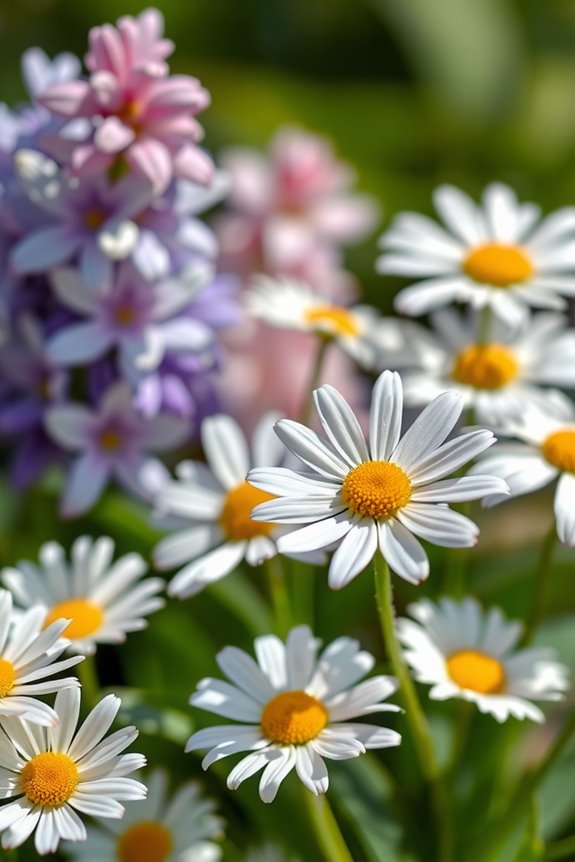
Why spend extra money on expensive flowers when hyacinths and daisies work just as well? These two flowers offer real value and meaningful symbolism without the high price tag.
Hyacinths grow on tall spikes with densely packed, star-shaped flowers. You’ll find them in blues, pinks, purples, reds, and whites. They release a strong fragrance that fills a room—one stem can scent a small space of about 100 square feet. Daisies have white petals surrounding bright yellow centers, and they come in different sizes. Some varieties grow just 6 inches tall, while others reach 2 feet.
Hyacinths bloom in vibrant colors on tall spikes, while daisies feature cheerful yellow centers—both flowers offer affordable elegance in various sizes.
What These Flowers Mean
Both flowers represent new beginnings and fresh starts. Hyacinths signal spring’s arrival through their powerful scent. Daisies symbolize happiness and innocence. When you combine them in one arrangement, you’re creating something that feels hopeful and full of renewal.
Building Your Arrangement
A basic bouquet needs about 5 to 7 hyacinth stems and 8 to 10 daisies to look full. You can arrange them in a vase with 2 to 3 inches of fresh water. Cut the stems at a 45-degree angle before placing them in water, and they’ll last about 7 to 10 days if you change the water every other day.
These flowers work well for gifts or for keeping at home. You’re not giving up quality—you’re simply choosing flowers that cost less while delivering just as much beauty.
Grow or Gift: Bringing New Beginnings Home
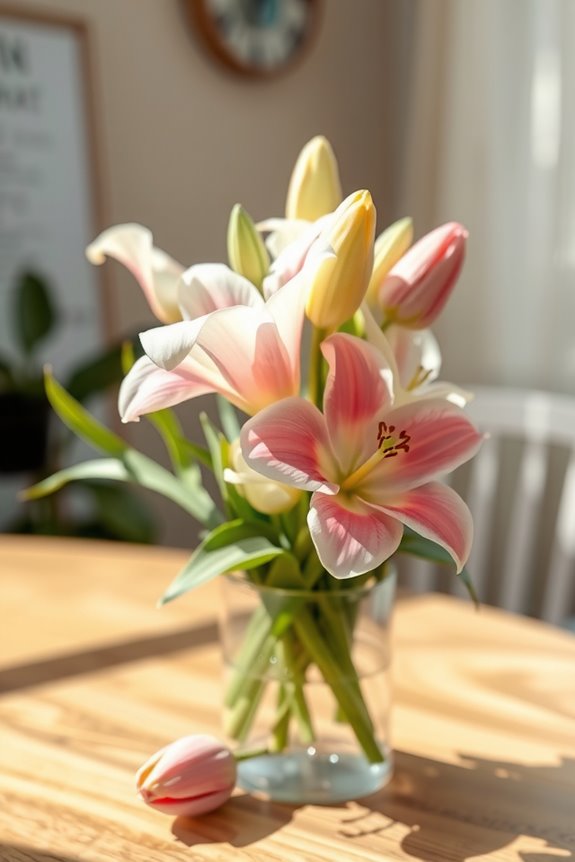
Now that you know how to arrange affordable flowers like hyacinths and daisies, you have two paths forward: gift them to mark someone’s new beginning, or grow them at home yourself.
| Occasion | Best Flowers | Why They Work |
|---|---|---|
| Housewarming | Daffodils, calla lilies | Yellow blooms signal hope and joy |
| New job | Orchids, peonies | Elegance reflects ambition and growth |
| Wedding | White blooms with green foliage | Clean slate represents new beginnings |
Choosing Flowers as Gifts
When you give flowers, you’re creating a memory someone can hold onto. Match your choice to the occasion. Bright yellow blooms work well for housewarming parties because they feel cheerful and welcoming. Soft white arrangements suit quieter moments that call for sincerity and calm.
Growing Flowers at Home
Growing your own flowers deepens your connection to the gift you’re giving. Plant daffodil bulbs in mid-to-late October in soil about 6 inches deep and 4 inches apart. They’ll sit underground through winter, typically 12 to 16 weeks, before sprouting in early spring as living symbols of your own fresh start.
Either approach—gifting or growing—turns an ordinary moment into something meaningful. The effort you put in, whether selecting the right arrangement or tending bulbs through the seasons, shows you care about celebrating new chapters in life.