
5 Flowers That Symbolize a Strong Woman
When you want to honor a strong woman, choose flowers that reflect her resilience and character. Each bloom carries its own meaning, and understanding these meanings helps you select a bouquet she’ll appreciate.
Gladiolus grows tall, reaching 3 to 4 feet in height. The name comes from the Latin word for sword, and the flower’s tall, straight stems symbolize unwavering courage. This flower makes a bold statement without needing to say much.
Lotus represents rebirth and dignity because of how it grows. The flower rises up through muddy water to bloom above the surface. This journey mirrors the strength it takes to overcome difficult situations and emerge with grace.
Sunflower tracks the sun’s movement across the sky each day. Over 70 to 100 days, it grows consistently and faces the light. This steady behavior shows the kind of persistent growth that characterizes someone with true strength.
Peony has layers of delicate petals that build upon each other. These layers convey quiet power and healing. Unlike flowers that announce themselves loudly, peonies speak through their intricate structure.
Orchid offers a rarer choice for your bouquet. Prices typically range from $25 to $75 per stem, depending on the variety. Orchids communicate independence and elegance through their unusual beauty and demanding care requirements.
Each of these flowers speaks strength in its own way. When you bring them together in a bouquet, you create something that resonates with someone who has earned respect through her character and persistence.
Gladiolus: The Strong Woman’s Flower of Unwavering Strength
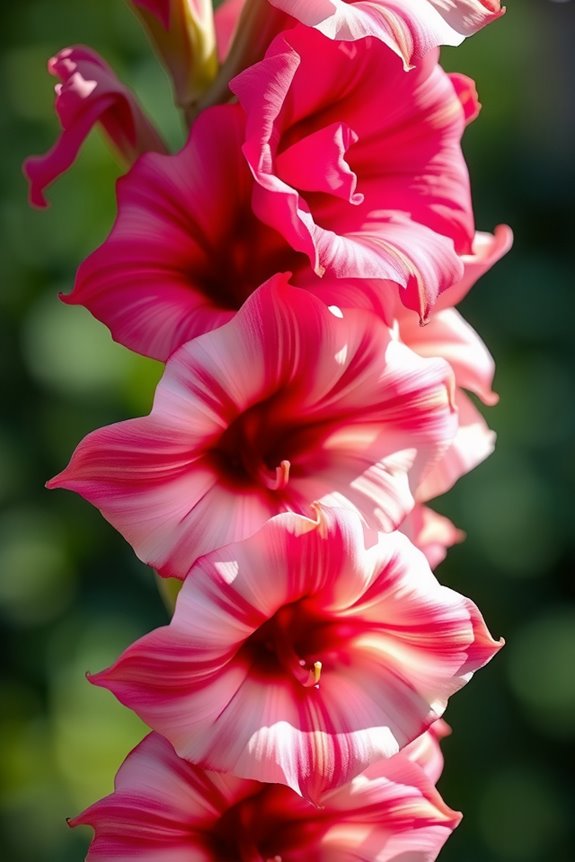
Ever wonder why certain flowers stand out as symbols of strength. Gladiolus does exactly that. Its name comes from the Latin word “gladius,” meaning sword, and the reason becomes clear when you look at the plant itself. The flower’s petals form a blade-like shape, and the stems grow tall and rigid—usually reaching 2 to 5 feet depending on the variety—creating a vertical line that naturally draws your eye upward.
Gladiolus takes its name from the Latin word for sword, reflecting blade-like petals and tall, rigid stems that naturally draw the eye upward.
Understanding the history helps explain why people have chosen this flower for centuries. Ancient Romans associated gladiolus with gladiators who carried the flower’s symbolism into battle, representing courage under pressure and moral conviction. When you select gladiolus, you’re choosing a flower connected to resilience, endurance, and the ability to hold firm on what matters.
These flowers stand firm both literally and figuratively. Their rigid structure and upright growth pattern inspire you to consider your own ability to maintain your beliefs during difficult moments. In floral arrangements, gladiolus provides bold height and a sense of determination. The flower communicates straightforward confidence without needing to announce itself loudly.
If you’re arranging gladiolus with other flowers, place them toward the center or back of your arrangement. Their height—typically 3 to 4 feet for cut stems—works best when they anchor your design. Combine them with shorter blooms like roses or hypericum berries (which add texture and fullness) to create balance. You might refresh the water every two days to extend their vase life to about two weeks.
Lotus: How Strong Women Rise Above Adversity With Grace
How Strong Women Rise Above Adversity With Grace
Understanding the Lotus Symbol
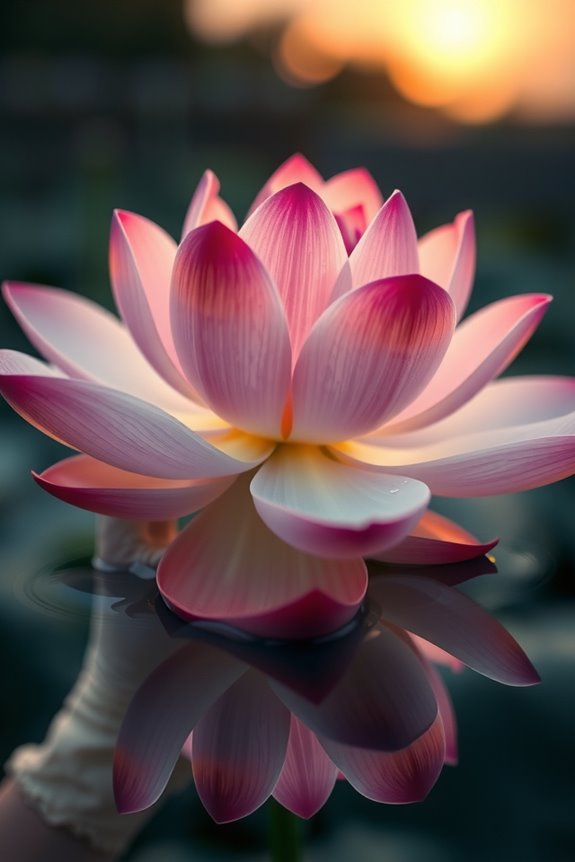
The lotus flower grows through muddy water and rises to bloom clean and beautiful. This plant represents rebirth and resilience across many Far East cultures. Strong women often connect with this flower because it mirrors their own experiences with hardship and recovery.
The lotus teaches a specific lesson: your obstacles don’t define who you are. Your ability to keep going through difficult situations does. This isn’t about avoiding challenges or pretending they don’t hurt. It’s about moving through them while keeping your dignity intact.
How the Lotus Shows Real Strength
When a lotus grows in murky water, it doesn’t stay stuck there. The flower keeps pushing upward through the mud until it reaches sunlight. You do something similar when you face tough times. You acknowledge the difficulty. Then you move forward anyway.
Real strength shows up most clearly when things get hard. A person might lose a job, face illness, or deal with family problems. Instead of breaking under pressure, strong women find ways to handle these situations and come out the other side. The lotus teaches that this kind of strength comes from persistence, not from never struggling.
Building Your Own Resilience
You can learn from the lotus without needing to understand complicated philosophy. Start by noticing when you’ve already handled something difficult. Maybe you studied hard for a test you almost failed. Or you stood up for yourself in a situation that scared you. These moments show you already have some of the qualities the lotus represents.
Next, practice patience with yourself during hard times. Resilience doesn’t build overnight. A lotus takes weeks to bloom after it sprouts. Give yourself time to recover and adjust when life becomes challenging. Talk to people you trust. Rest when you need to. Slowly, you’ll notice you’re handling problems with more calm and confidence than before.
Sunflower: Resilience, Optimism, and the Power to Keep Growing
Staying Focused When Everything Feels Like Too Much
When your day feels chaotic, sunflowers offer a practical lesson. These plants don’t fight their environment—they work with it. Their stems, which can reach 6 to 12 feet tall depending on the variety, stay upright through wind and rain by growing thicker and stronger over time. That’s how resilience actually works.
Resilience means getting back up after you fall down. It doesn’t mean you never struggle or feel knocked over. Sunflowers face the sun each morning, and they keep doing this even during difficult seasons. This daily choice to face the light—to look for what’s good—becomes a habit you can build too.
How Growth Really Happens
Growth doesn’t wait for perfect conditions. Sunflowers grow during hot summers, during periods of little rain, and even when insects eat their leaves. They grow slowly and steadily, not all at once. Most sunflowers take 70 to 100 days from seed to full bloom. That timeline matters because it shows you that real progress takes weeks and months, not days.
When you face your own challenges, this matters. You won’t solve a big problem in one day or one week. You’ll work on it steadily. You’ll make some progress, then pause, then move forward again. Your strength isn’t about being perfect—it’s about showing up consistently, just like a sunflower turns toward the light every single day.
What You Can Learn From This
Women who keep going through hard times do so by staying rooted in small, daily choices. They pick one thing that matters to them and focus there. Their strength shows most clearly when they’re being tested. You can do the same by choosing what matters most and returning to it, day after day, even when progress feels slow.
Peony: Quiet Strength, Healing, and Renewal
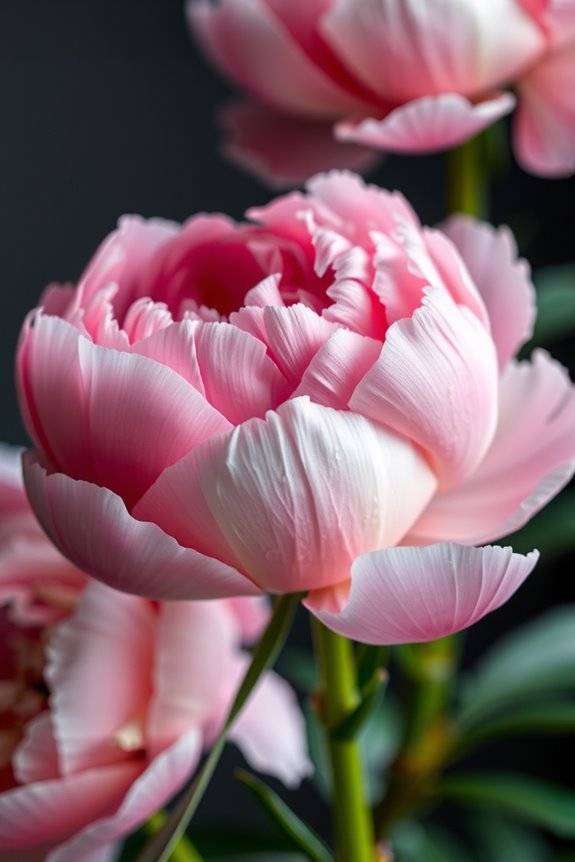
The strongest women often don’t need to be the loudest in the room. Peonies show this kind of quiet strength in a way that flowers can express. These flowers symbolize healing and renewal, which reflects how women bounce back from hard times while keeping their composure. When you pick peonies as a gift, you’re saying something specific about the person receiving them: you see their ability to move forward and grow through difficult periods.
The full, layered blooms of a peony tell two stories at once. On the surface, they look elegant and refined, often growing to about 4 to 6 inches across depending on the variety. But those same blooms also represent a kind of quiet power that comes from having faced real challenges. The flower doesn’t shout about its strength. Instead, it displays both beauty and composure in the same package.
Peonies also stand for dignity and respect. They acknowledge that a person’s influence doesn’t fade quickly. Someone who leads with steady composure and lasting impact deserves recognition that matches their substance, not just their visibility. A peony arrangement, typically containing 3 to 5 stems per bouquet, delivers this message without needing extra decoration. The flower itself says what needs to be said. Your resilience and steady presence matter. Your path through challenges has shaped you in ways that others notice and respect.
Orchid: Independence, Elegance, and the Beauty of Rare Strength
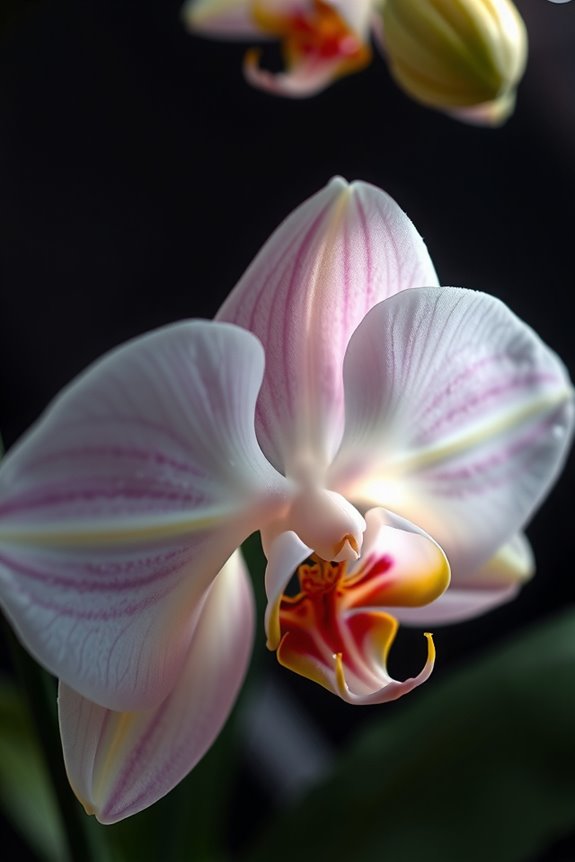
When you place an orchid alone on a shelf or table, you notice something right away. The flower doesn’t droop or fade without daily watering like many plants do. This quality—the ability to stay healthy with less frequent care—is why orchids symbolize independence and quiet strength.
Think of orchids as mirrors for resilient people. They adapt to different rooms and light conditions while keeping their distinctive look. That’s a rare combination. Someone who can adjust to new situations while staying true to who they are shares this same quality with the orchid.
The orchid’s long, clean stem and bold flower head create an impression of refined grace. Notice how the bloom sits at the end of that stem, drawing your eye upward. That vertical line gives the arrangement a sense of purpose and direction. When you give someone an orchid bouquet, you’re acknowledging something specific about them. You’re saying they have both softness and steel, both elegance and determination.
Here’s what makes orchids different from many other flowers. They cost more—a single premium orchid plant typically runs between $25 and $75 depending on the variety—because they’re harder to grow commercially. That higher price point reflects what the flower actually represents. Real strength doesn’t need to shout. It simply exists, commanding respect through its presence without demanding constant recognition.