5 Key Differences Between a Porch and a Deck
Structure and Coverage
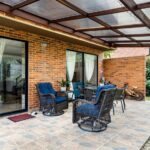
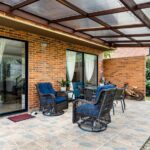
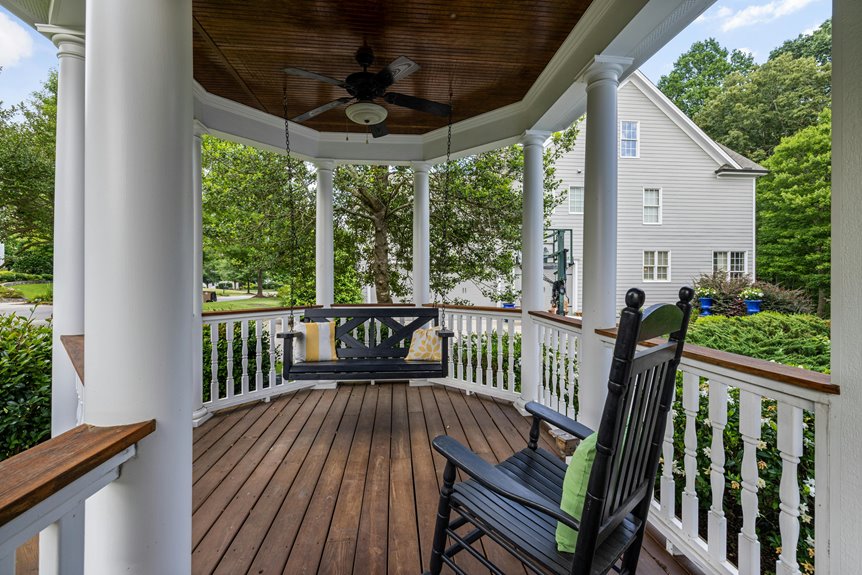
A porch has a roof attached directly to your house. A deck is an open platform with no overhead protection. This single difference affects everything else about how you’ll use and maintain each structure.
Cost and Installation Time
Porches typically cost between $3,000 and $12,000 to build. Installation takes 4 to 8 weeks because the roofing and walls require more complex work. Decks run $2,000 to $6,000 and finish in 2 to 4 weeks since they’re simpler structures without a roof system.
Protection and Function
The roof on a porch shields your furniture, entry door, and guests from rain and sun. You can sit on a porch during a storm without getting wet. Decks offer more open space for gatherings, grilling, and activities where you want full visibility of your yard. Neither structure replaces the other—they serve different purposes.
Maintenance Requirements
Wood decks need resealing every 2 to 3 years to prevent water damage and weathering. Porches with roofs require less frequent sealing because the overhead coverage protects the wood from direct sun and rain exposure. If you choose a covered porch, plan for roof maintenance like shingle inspection every few years instead.
Choosing Between Them
Your climate and how you plan to use the space will guide your decision. If you live in a rainy area and want a protected outdoor seating area, a porch makes sense. If you prioritize outdoor cooking and gatherings in a drier climate, a deck fits better.
How Porch Location and Roofing Differ From Deck Design
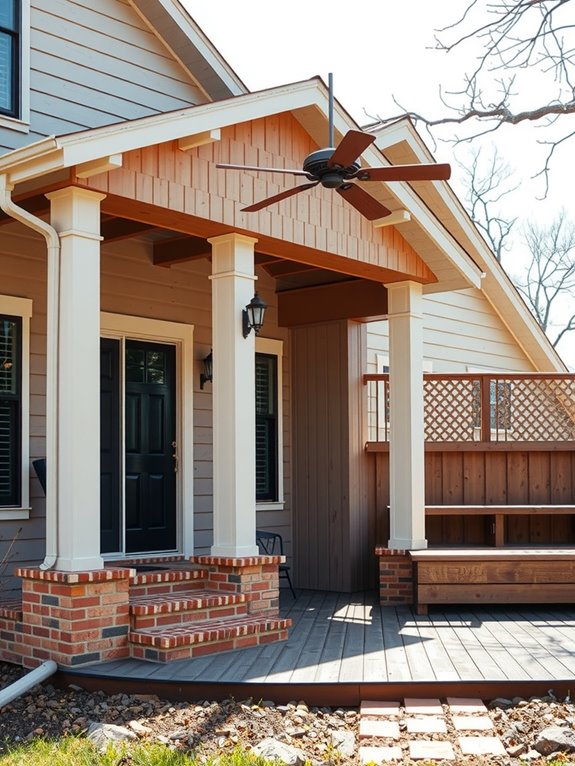
What’s the first thing you notice when you pull up to a house? Most likely, your eyes go to the porch—that entry point right near the front door. Porches catch your attention because they’re part of how a home greets visitors.
Porches and decks are different in important ways. A porch has a roof attached directly to your house. This roof protects you from rain and snow, keeping outdoor furniture dry and your entrance comfortable year-round. Decks are open structures, usually built away from the house or extending from it. They have no roof, which means rain and sun hit them directly.
Think about what you actually want to do in your outdoor space. A porch works best if you want protection from weather while sitting outside your front door. You can read, chat with neighbors, or wait for someone without getting wet. Decks give you space to move around more freely. They’re good for larger gatherings, grilling, or just enjoying an open view of the sky.
Your lifestyle determines which works better. If you sit outside often and want shelter from the elements, a roofed porch makes sense. If you want flexibility to host groups and prefer open air, a deck serves that purpose. Both add value to your home—they just do it in different ways.
Deck vs. Porch Installation: Which Costs More and Takes Longer?
When you’re deciding between a porch and a deck, your wallet and your timeline matter just as much as the final look.
Cost Differences
Porches typically cost more because they require a roof, posts, and structural support for weather protection. A basic covered porch runs between $3,000 and $12,000 depending on size and materials. Decks cost less upfront, with a standard 12-by-16-foot deck running $2,000 to $6,000. However, elevated decks change the equation. They need deeper footings (often 3 to 4 feet below the frost line in cold climates), additional framing lumber, and railings. These extras can push deck costs closer to porch pricing, sometimes even higher for a raised structure.
Elevated decks can cost as much as porches once you factor in deeper footings, framing lumber, and railings.
Installation Time
Decks generally finish faster since they need less structural work. A ground-level deck typically takes 2 to 4 weeks from start to finish. Porches take longer due to roof and enclosure installation, usually requiring 4 to 8 weeks or more. An elevated deck complicates the timeline further, requiring extra footings and framing that can extend the project by 2 to 3 additional weeks.
Permits and Requirements
Both projects need permits in most areas. Railing requirements on raised decks (railings must be 36 to 42 inches high with specific spacing) can delay your approval process by 1 to 2 weeks. Porch permits often take longer because inspectors check roof attachment, load-bearing calculations, and weather sealing details. Budget an extra 2 to 4 weeks for the permit process with either option.
Understanding these factors helps you choose what fits your budget and schedule.
Porch vs. Deck Maintenance: Material and Weather Exposure Matter Most
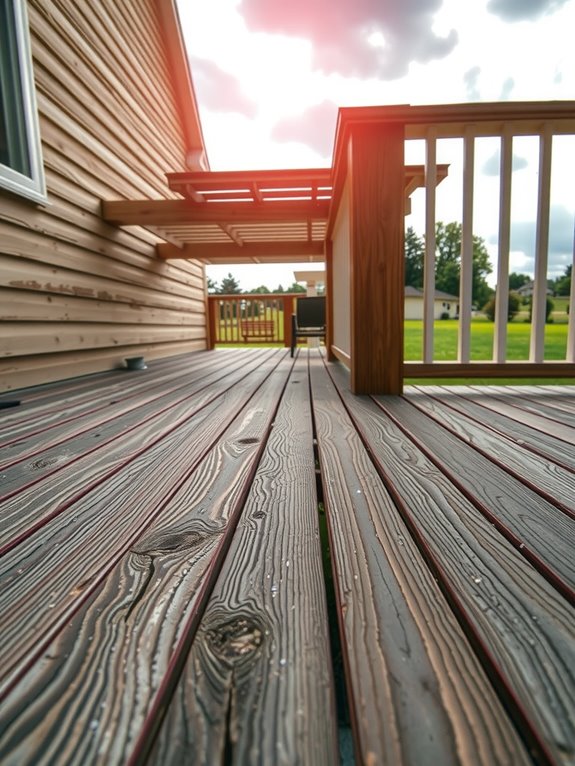
How much time you’ll spend maintaining your outdoor space comes down to two main factors: what materials you choose and how much weather hits it directly. A covered porch with a roof or overhang protects your material from sun and rain, which means less work for you. You won’t need to reseal wood as often, and you can skip worrying about UV damage that fades and weakens surfaces over time.
Decks sit fully exposed to the elements, so they demand more frequent attention. A wood deck needs an inspection every year and resealing every 2-3 years, depending on your climate and how much sun exposure it gets. Composite or PVC materials require significantly less upkeep—typically just occasional cleaning and no resealing at all.
Your material choice matters more than almost anything else. Wood needs consistent care throughout the year. Advanced options like PVC or composite materials handle weather exposure better because they don’t absorb moisture or fade the way wood does. When you pair a smart material choice with weather protection, your outdoor space stays in good condition without demanding every weekend of your time.
Guardrails and Screens: Safety and Design Differences Between Decks and Porches
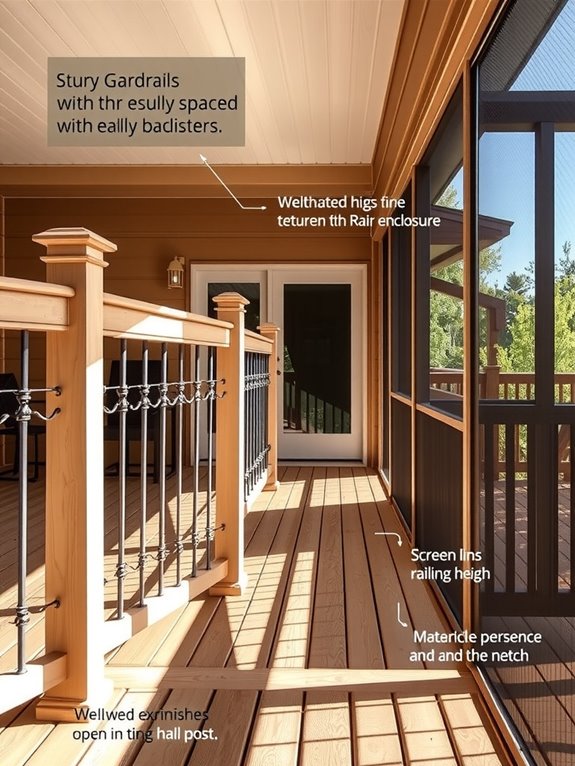
Why you’ll need different safety features depends on your structure’s design and how people use it. Decks and porches have distinct safety requirements because they serve different purposes.
What Decks Require
Decks demand vertical barriers to prevent falls from elevated surfaces. When your deck sits more than 3 feet above ground, building codes require guardrails. The balusters—those vertical posts between the top and bottom rails—must be spaced no more than 4 inches apart. This measurement matters because a child’s head cannot fit through a larger gap. Your deck’s open design means people can walk off any edge, so protection runs the full perimeter.
Decks require full perimeter guardrails when elevated over 3 feet, with balusters spaced no more than 4 inches apart for child safety.
What Porches Need
Porches attached to your home work differently. A porch has the house as a backdrop and typically features a roof overhead. Rather than full guardrails around the entire structure, porches often use railing nets or gates at entry points. These partial barriers guide foot traffic and prevent accidental steps into empty space.
Screens on porches serve a practical purpose beyond safety. They block insects and wind while letting you use the space year-round. You can enjoy your porch on buggy summer evenings or cool autumn afternoons without unwanted visitors.
How These Spaces Differ
Your deck prioritizes fall prevention because elevation is the main hazard. Your porch prioritizes entry control and partial enclosure because the design is closer to being part of your home. Understanding where each hazard exists helps you select appropriate safety measures that match your specific structure.
Should You Build a Porch or Deck? A Budget and Climate Guide
Choosing between a porch and a deck comes down to two straightforward factors: your budget and your local weather patterns. If cost is your main concern, decks typically run between $15 to $30 per square foot and offer good outdoor living space without major structural changes. Porches demand more money upfront—usually $25 to $50 per square foot—because they require roofing materials, support posts, and sometimes screening or siding. However, that extra investment pays dividends. A covered porch protects you from rain and snow year-round and typically adds more resale value to your home than a deck does.
Climate shapes your choice more than you might think. In regions with frequent rain or heavy snow, a porch’s roof becomes practical rather than just nice to have. You won’t spend your summers and falls power-washing debris off a covered area. Decks, by contrast, sit exposed. They need cleaning every few weeks and weatherproofing treatments every two to three years to prevent rot and splintering.
If you live somewhere dry and mostly sunny, a deck’s open design works well. The elevation keeps moisture from pooling underneath, and you get direct sunlight without overhead cover blocking your view. You’ll spend less time on maintenance compared to a porch in wet climates.
Think honestly about what your location actually offers and what you can realistically spend. Both options give you usable outdoor space—just in different ways that match different needs.